Junkichi Kumakura
Birth
May one see it?
Unknown: the museum keeps its counsel

Victoria and Albert Museum
London, United Kingdom
The owner is known. Whether it is on view today, the museum does not say, and we were not trained to guess.
- In this state since
- Sep 25, 2026
- Source
- The museum's own collection data
About the sculpture
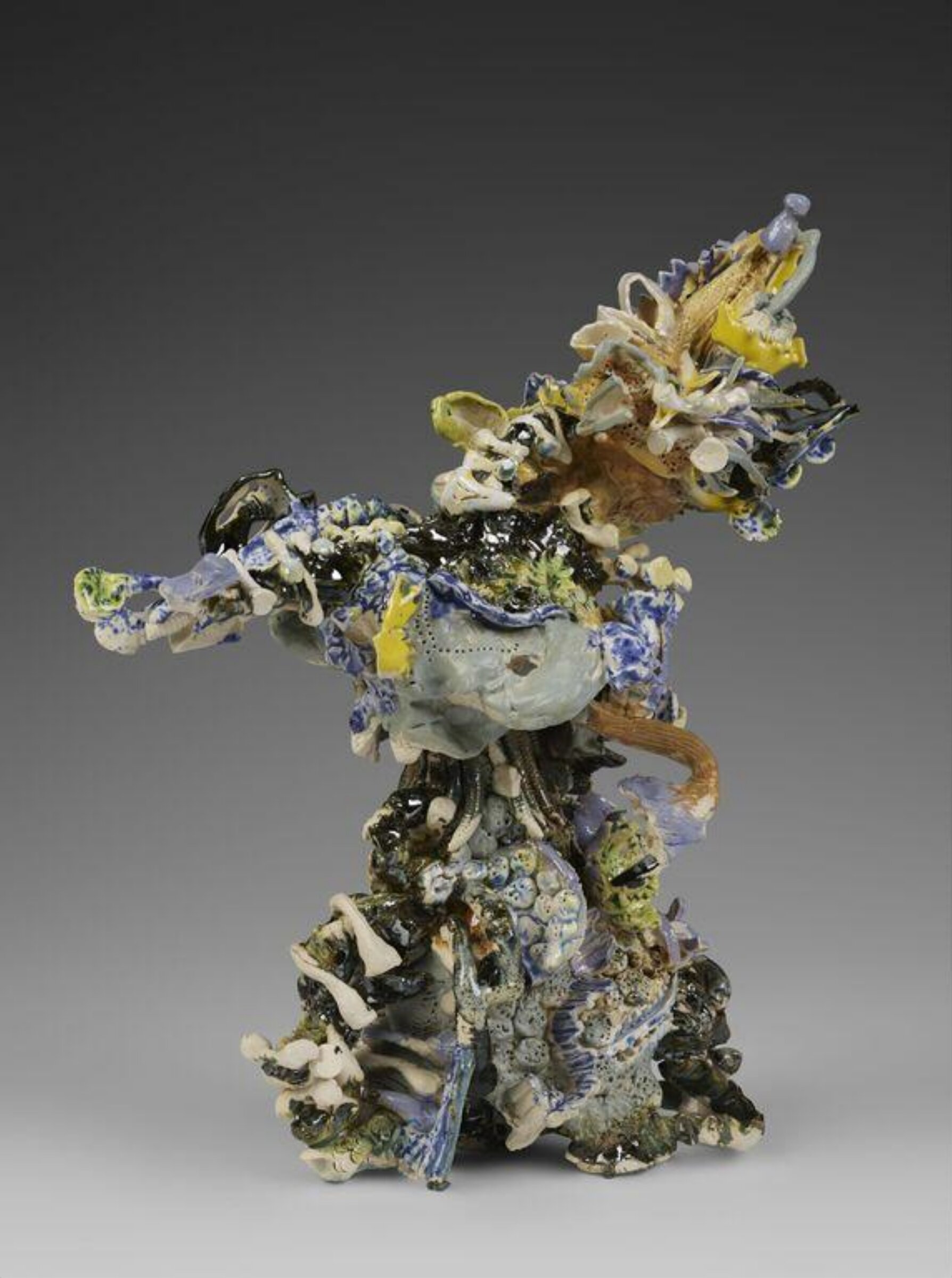
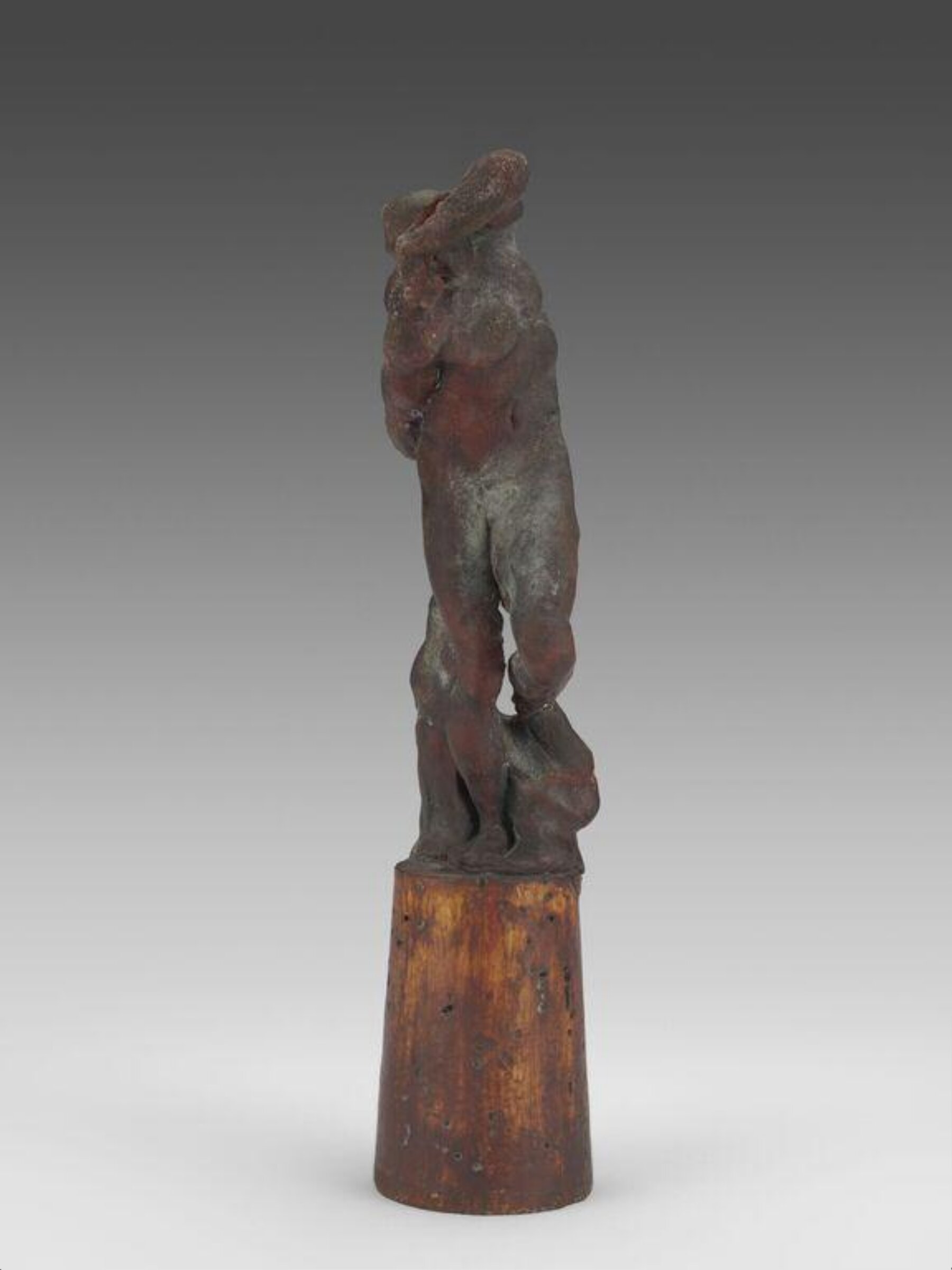
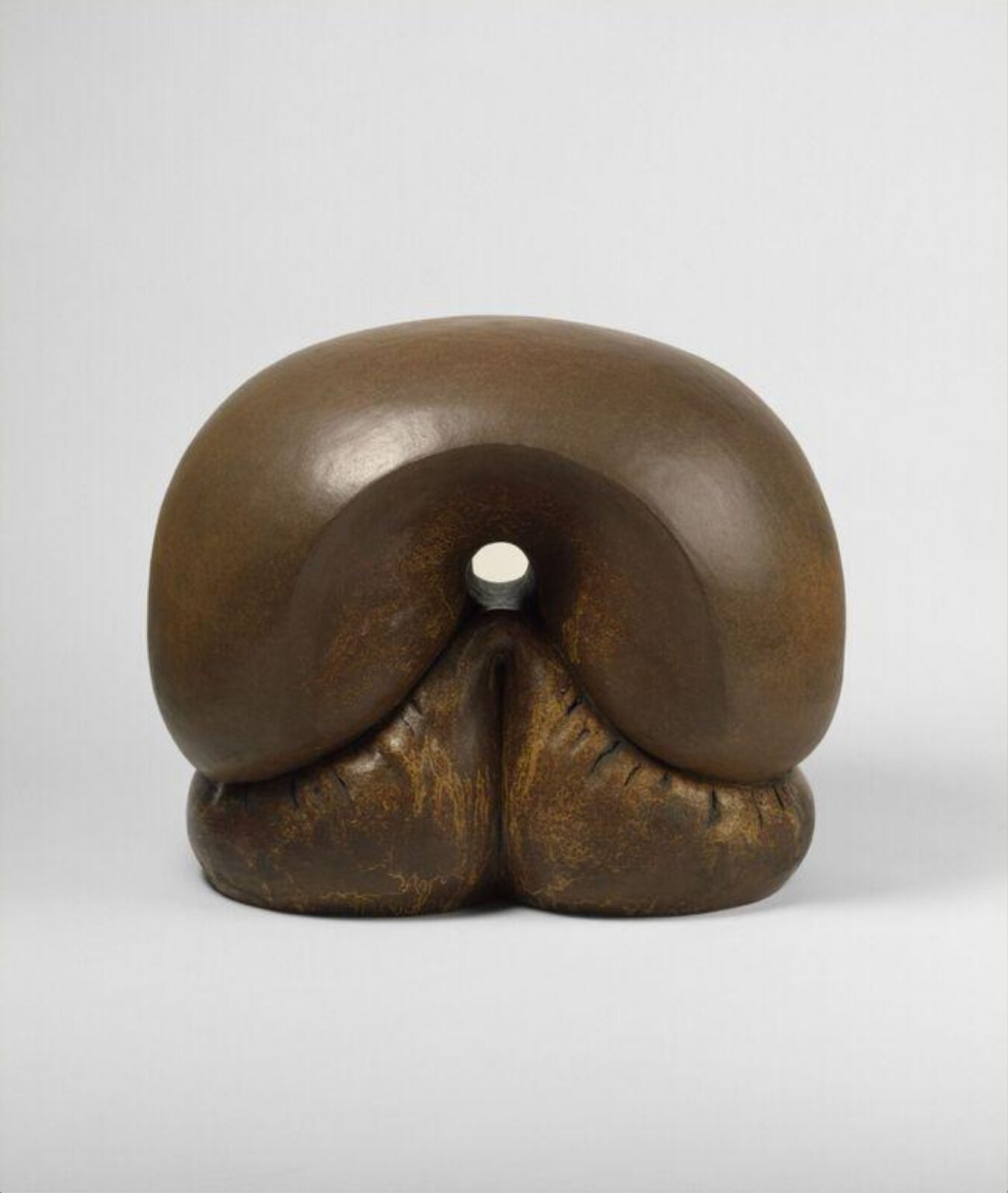
Until his untimely death at the age of 65, Kumakura Junkichi was a major figure in the world of Japanese sculptural ceramics, an area in which he first developed an interest during the 1950s. He was the member of the Sodeisha, the avant-garde ceramicists group based in Kyoto, from 1957 on wards. Much of his work, of which this is an example from one of his more explicit periods, is unashamedly concerned with sexuality and eroticism. The directness of his imagery is that much more striking when seen in the context of the generally allusive work of his contemporaries.
Read on
'Birth', the work shown here, is one of the last in a series of strongly organic forms through which Kumakura explored the subject of human sexuality and eroticism with a directness and intensity that is the subject of controversy even today. These sculptures from the late 1960s and early 1970s, whose warm brown colours are the result of the use of ash glaze on Shigaraki clay, constitute a transitional stage between the abstract biomorphism of his earlier work and the more detailed figuration that characterized his later oeuvre.
Victoria and Albert Museum
Particulars
- Accession number
- FE.418-1992
In the catalog
Sources
- Victoria and Albert Museum: the museum's own open data · fetched 6 days ago
- Image: Victoria and Albert Museum — © Victoria and Albert Museum, London