Joaquín SorollaSpanish, 1863–1923
Barca varada
May one see it?
Unknown

Madrid, Spain
The owner is known; whether it is on view today is not.
- In this state since
- Source
- The museum
About the work
In the museum's own words — in Spanish
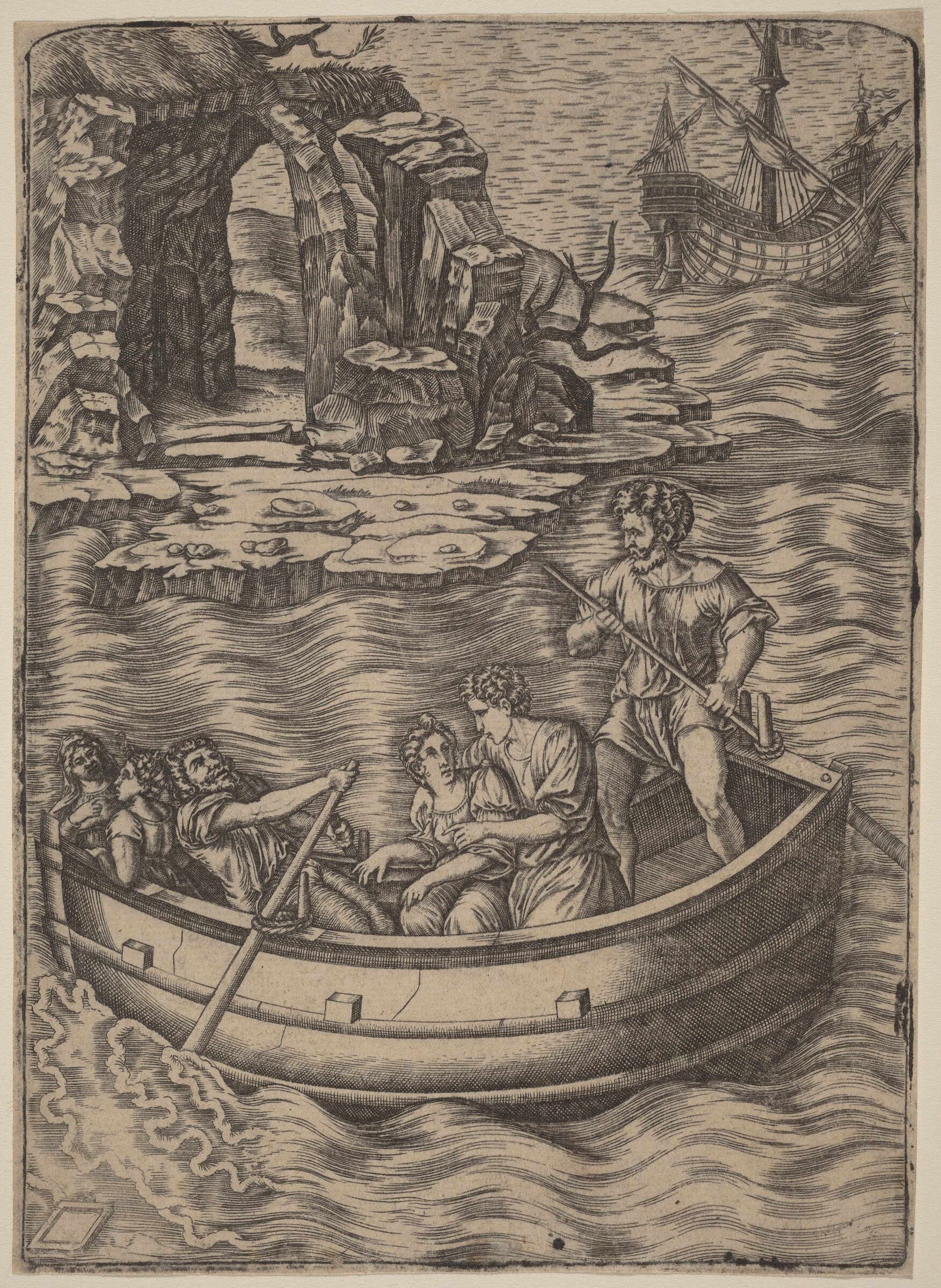
Anverso: Barca varada En primer plano, una barca en la orilla de la playa, vista de tres cuartos desde un punto de vista alto. Proyecta su sombra sobre la arena, y en su interior, una serie de figuras, dibujadas casi como una masa sin definir, tiran de las cuerdas que sujetan la vela, dibujada en blanco con el clarión y descansando sobre la arena de la playa. Al fondo, el mar y una barca vista de lado con mástil y vela. El fondo está levemente rayado con el carboncillo, y unas manchas blancas de clarión en la parte superior parecen indicar nubes, por lo que es posible que se esté representando una tormenta. Reverso: Figura cargada con fardo Figura vista casi de frente, cargada con un fardo de forma redondeada en la parte superior, probablemente una vela plegada.
Sorolla Museum
Particulars
What it shows
In the catalog
Sources
- Sorolla Museum
- Image: Sorolla Museum — In Copyright
Meanwhile, in the life of Joaquín Sorolla
The whole life13 April 1889
Daughter born: María Sorolla García
1890
Moves to Madrid: large canvases for the salons
The family moved to Madrid. For the next decade Sorolla concentrated on large canvases of orientalist, mythological, historical and social subjects for salons and international exhibitions in Madrid, Paris, Venice, Munich, Berlin and Chicago.
8 November 1892
Son born: Joaquín Sorolla García
12 June 1895
Daughter born: Elena Sorolla García
1897
“A Research”: the Prize of Honour in Madrid
Two paintings linking art and science, “Portrait of Dr. Simarro at the Microscope” and “A Research”, won Sorolla the Prize of Honour at the National Exhibition of Fine Arts. He showed his friend Simarro in the laboratory, catching the contrast between the reddish-yellow light of a gas burner and the weak mauvish light from the window.