ART WIKI32,963 on view
MapCollectionArtistsMuseumsExhibitionsJournal
Sign in

ART WIKI

Where the masterpiece hangs, and when they let you in.

Collections: Art Institute of Chicago, Getty Villa, Harvard Art Museums, Hirshhorn Museum and Sculpture Garden, J. Paul Getty Museum, Minneapolis Institute of Art, Musée du Louvre, National Gallery of Art, National Museum of Asian Art, National Portrait Gallery (Smithsonian), Pushkin State Museum of Fine Arts, Rijksmuseum, Smithsonian American Art Museum, SMK — National Gallery of Denmark, State Hermitage Museum, State Russian Museum, The Cleveland Museum of Art, The Metropolitan Museum of Art, The Museum of Modern Art, Tretyakov Gallery, Victoria and Albert Museum, Whitney Museum of American Art, State Catalogue of the Museum Fund of Russia (274 museums), Europeana (19 museums), Wikidata (6 museums), Paris Musées (12 museums), and Joconde, the French Ministry of Culture's museum database (495 museums). Images belong to their rights holders.

Sections

  • Map
  • Search
  • Collection
  • Masterpieces
  • On view now
  • Artists

More

  • Museums & galleries
  • Exhibitions
  • Journal
  • Where the data comes from
  • Privacy & cookies
HomeMapBrowse
  1. Collection/
  2. The National Gallery/
  3. Bacchus and Ariadne
Bacchus and Ariadne, Titian, 1520s
Titian, portraitTitianItalian, 1490–1576

Bacchus and Ariadne

1520s · Painting · 176.5 × 191 cm

May one see it?

Unknown

The National Gallery

London, United Kingdom

The owner is known; whether it is on view today is not.

In this state since
Sep 29, 2026
Source
The museum
On the mapMuseum page

About the painting

Bacchus and Ariadne (1520–1523) is an oil painting by Titian. It is one of a cycle of paintings on mythological subjects produced for Alfonso I d'Este, Duke of Ferrara, for the Camerino d'Alabastro – a private room in his palazzo in Ferrara decorated with paintings based on classical texts. An advance payment was given to Raphael, who originally held the commission for the subject of a Triumph of Bacchus.

At the time of Raphael's death in 1520, only a preliminary drawing was completed. The commission was then handed to Titian. In the case of Bacchus and Ariadne, the subject matter was derived from the Roman poets Catullus and Ovid, and perhaps other classical authors.

Read on

The painting, considered one of Titian's greatest works, is now in the National Gallery, London. The other major paintings in the cycle are The Feast of the Gods, mostly by Giovanni Bellini, now in the National Gallery of Art, Washington, D.C, and Titian's The Bacchanal of the Andrians and The Worship of Venus, both now in the Museo del Prado, Madrid. The series was a very early treatment of subjects from classical mythology on a heroic scale in painting, rather than in small decorative pieces, and very influential on later works.

Wikipedia · CC BY-SA

Particulars

Accession number
NG35

In the catalog

PaintingsItalian paintingVenetian painting

Sources

  • Wikidata
  • Image: The National Gallery — Titian · Public domain · Wikimedia Commons
More by Titian

All works
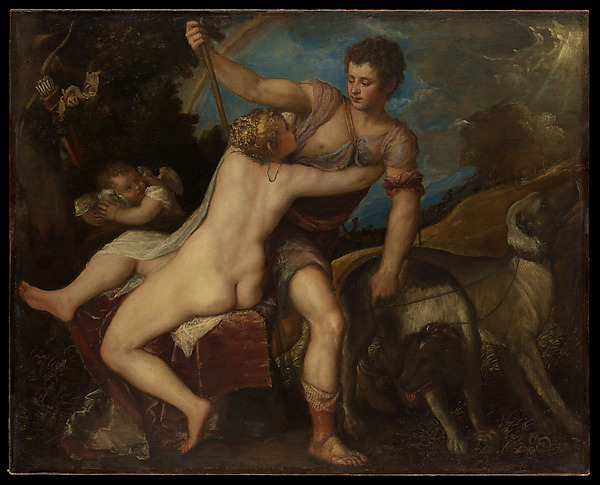
Venus and Adonis, Titian, 1550s

Venus and Adonis

1550s · The Metropolitan Museum of Art

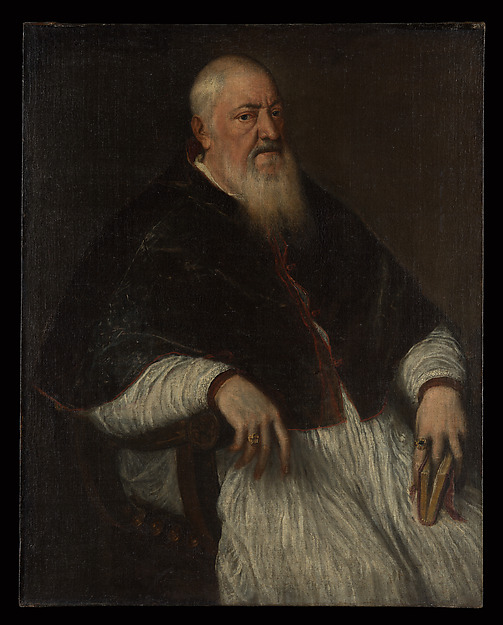
Filippo Archinto (born about 1500, died 1558), Archbishop of Milan, Titian, mid-1550s

Filippo Archinto (born about 1500, died 1558), Archbishop of Milan

mid-1550s · The Metropolitan Museum of Art

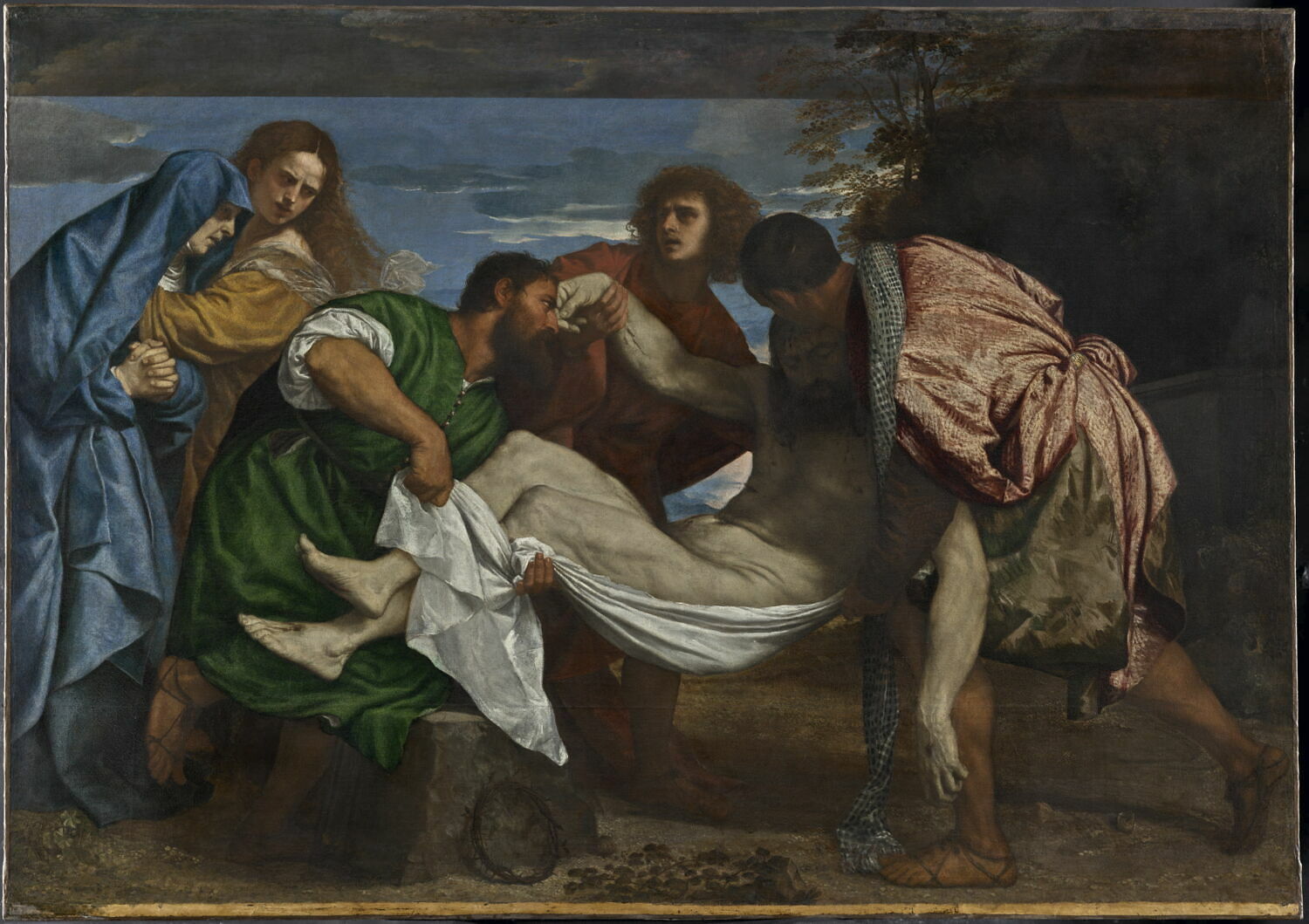
La Mise au tombeau ou Le Transport du Christ vers le tombeau, Titien, 1e quart du XVIe siècle (1500 - 1525)

La Mise au tombeau ou Le Transport du Christ vers le tombeau

first quarter of the 16th century (1500–1525) · Musée du Louvre

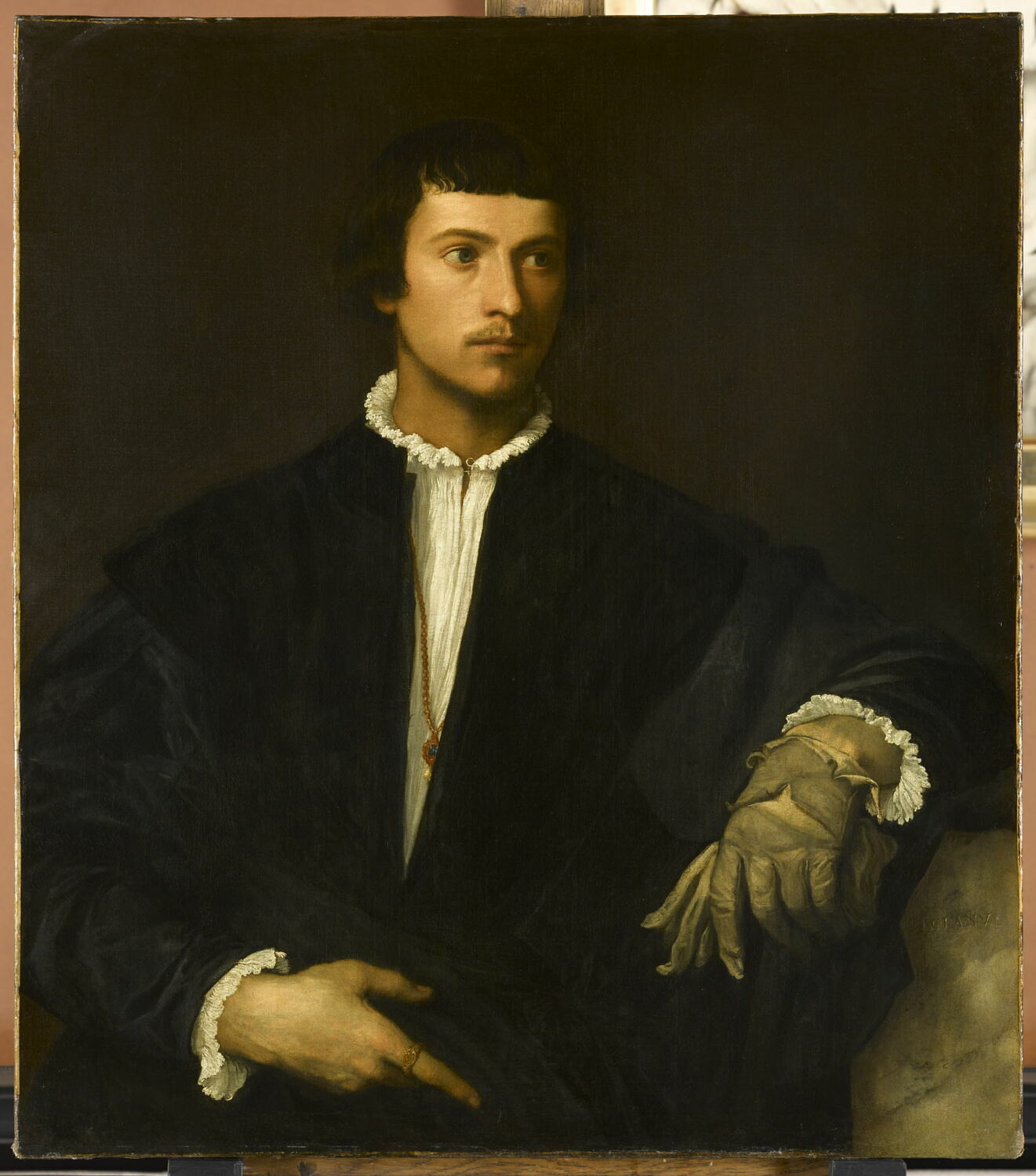
Portrait d'homme, dit L'Homme au gant, Titien, 1e quart du XVIe siècle (1500 - 1525)

Man with a Glove

first quarter of the 16th century (1500–1525) · Musée du Louvre

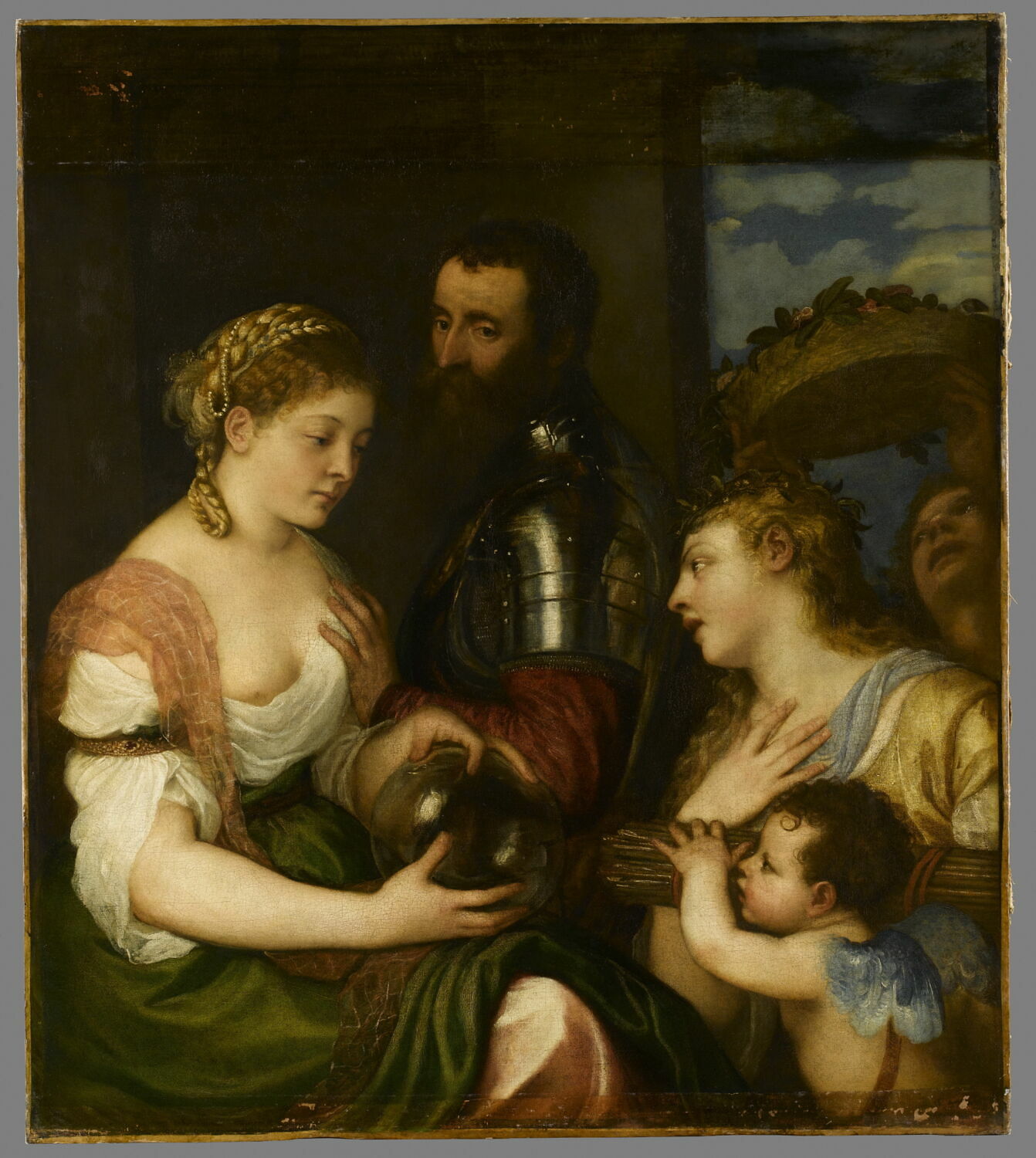
Allégorie conjugale (Allégorie de la séparation?), dit à tort Allégorie d'Alphonse d'Avalos, Titien, XVIe siècle (1500 - 1600)

Allégorie conjugale (Allégorie de la séparation?), dit à tort Allégorie d'Alphonse d'Avalos

16th century (1500–1600) · Musée du Louvre

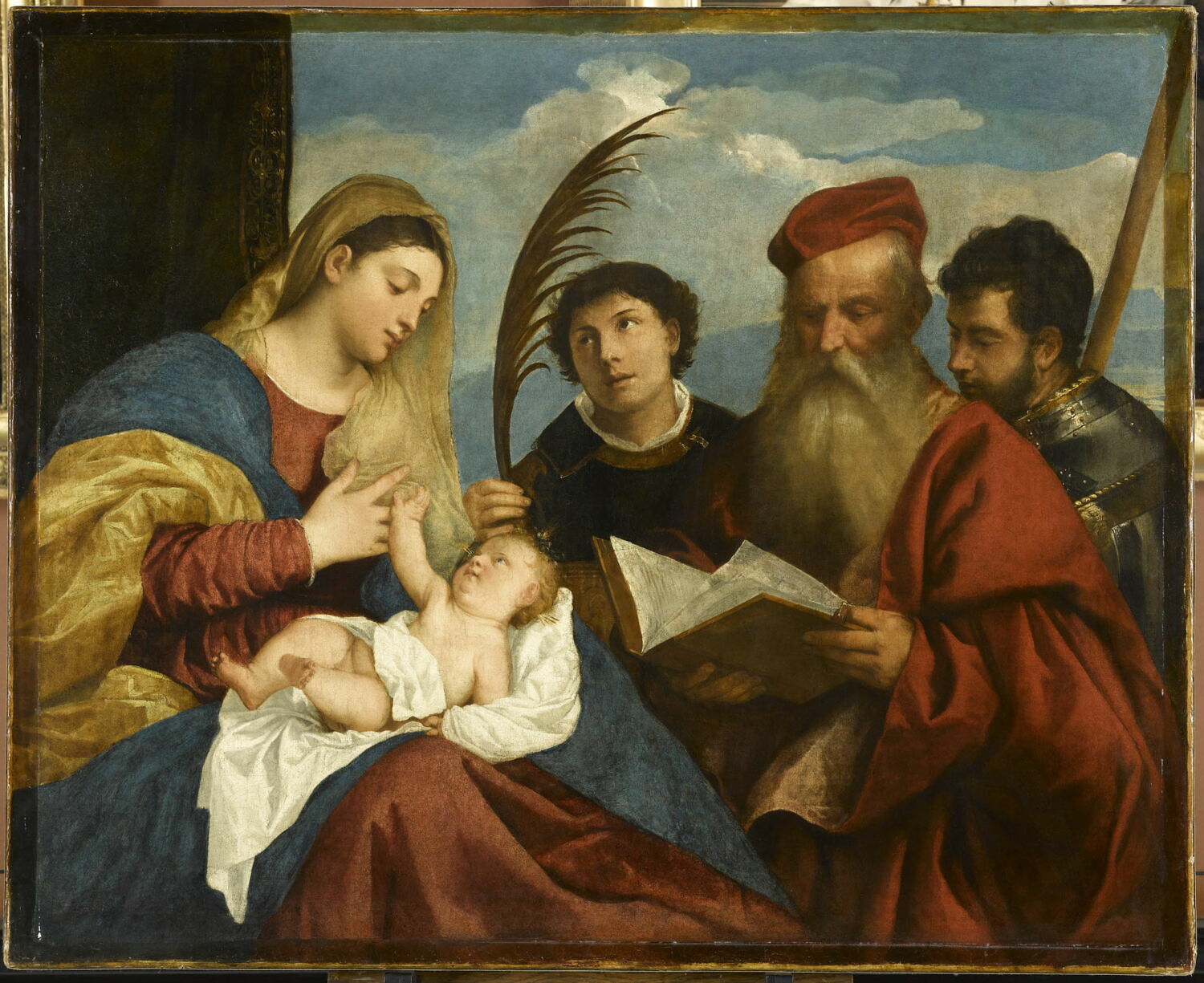
La Vierge à l' Enfant avec saint Étienne, saint Jérôme et saint Maurice, Titien, 1e quart du XVIe siècle (1500 - 1525)

La Vierge à l' Enfant avec saint Étienne, saint Jérôme et saint Maurice

first quarter of the 16th century (1500–1525) · Musée du Louvre

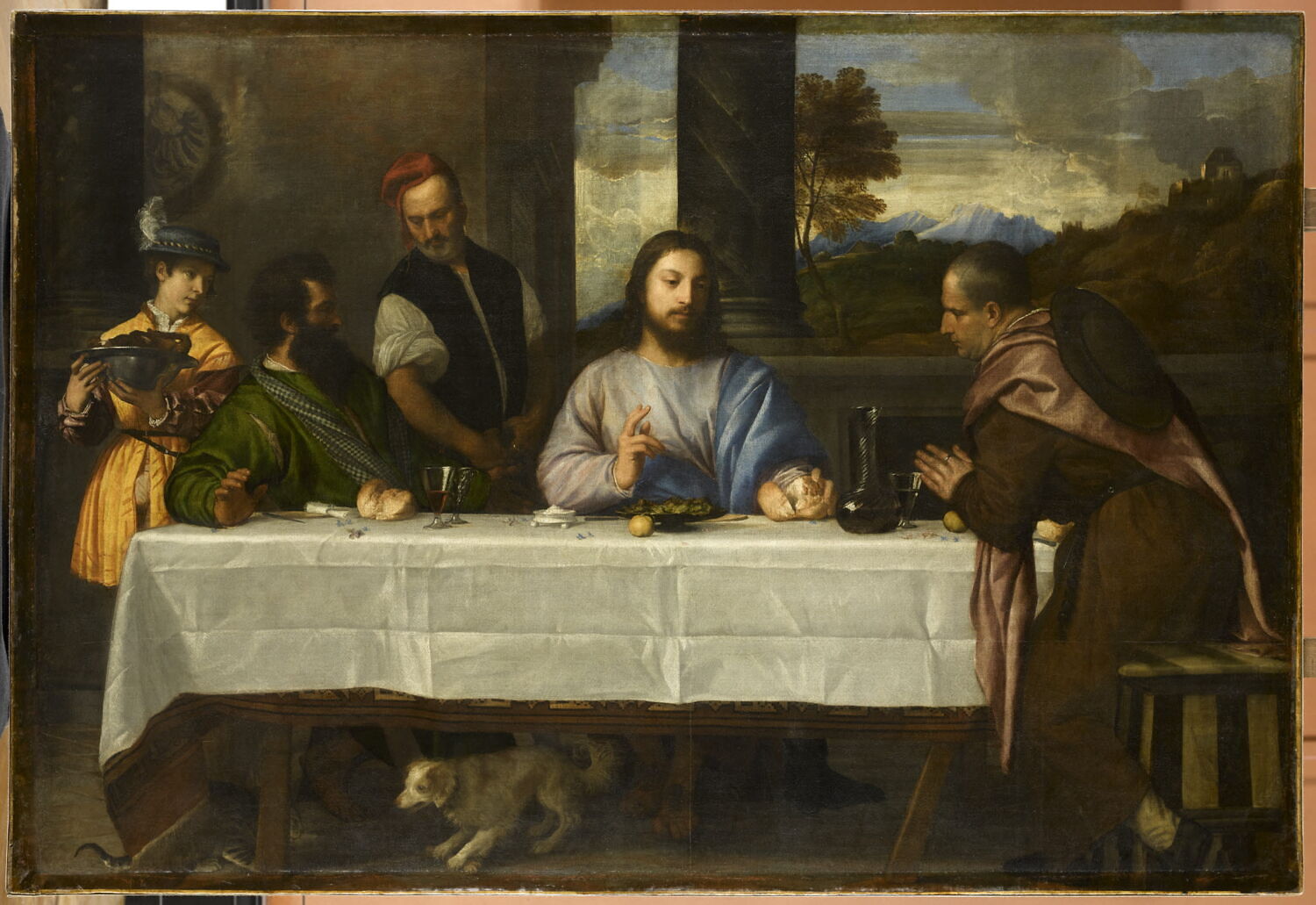
Les Pèlerins d'Emmaüs, Titien, XVIe siècle (1500 - 1600)

Les Pèlerins d'Emmaüs

16th century (1500–1600) · Musée du Louvre

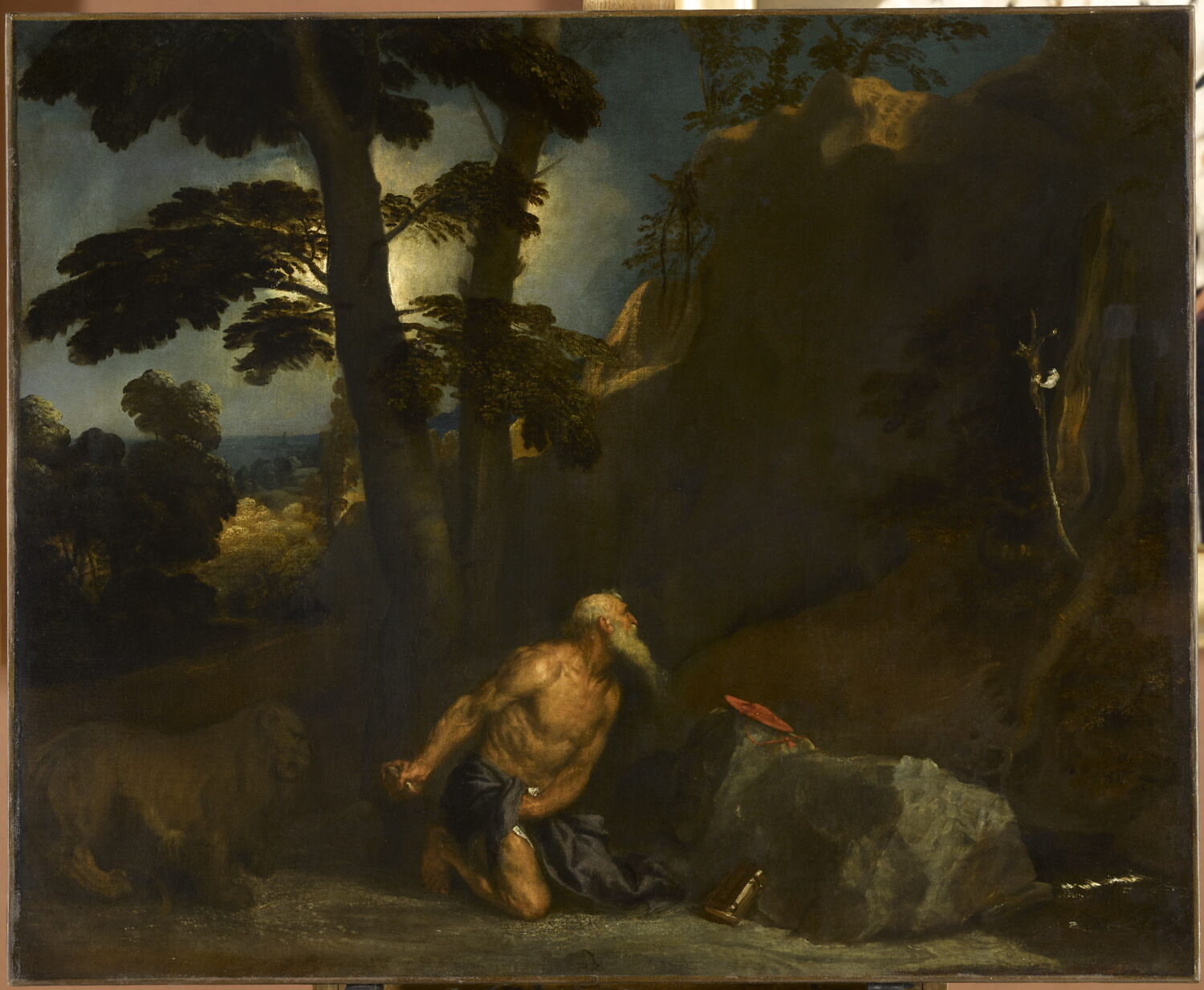
Saint Jérôme pénitent, Titien, XVIe siècle (1500 - 1600)

Saint Jérôme pénitent

16th century (1500–1600) · Musée du Louvre