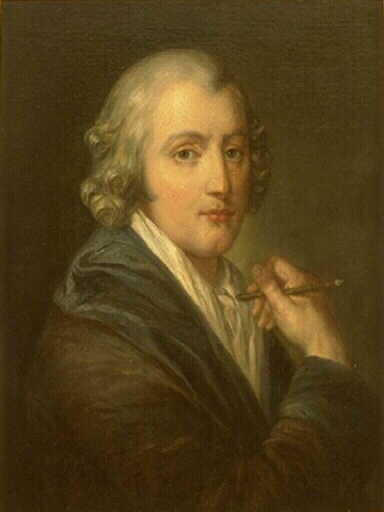
 Jean Baptiste GreuzeFrench, 1725–1805
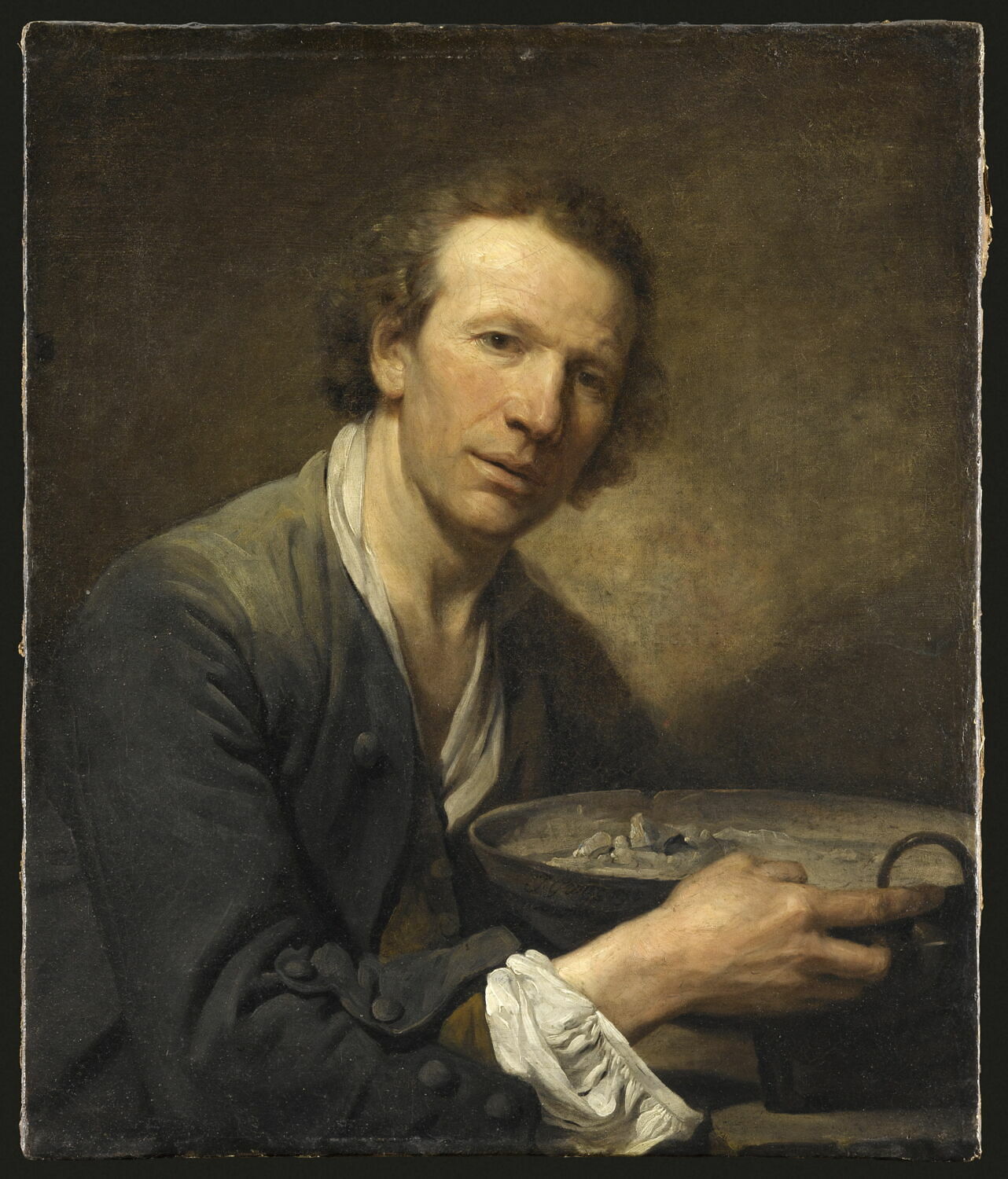
Autoportrait
May one see it?
Unknown
Tournus, France
The owner is known; whether it is on view today is not.
- In this state since
- Source
- The museum
Particulars
- Accession number
- 82.1565
What it shows
In the catalog
Sources
- Musée Greuze
- Image: Musée Greuze — © Christelle Rochette; Ministère de la Culture (France), base Joconde
Meanwhile, in the life of Jean Baptiste Greuze
The whole life1765
The Salon of 1765: thirteen paintings and the height of his fame
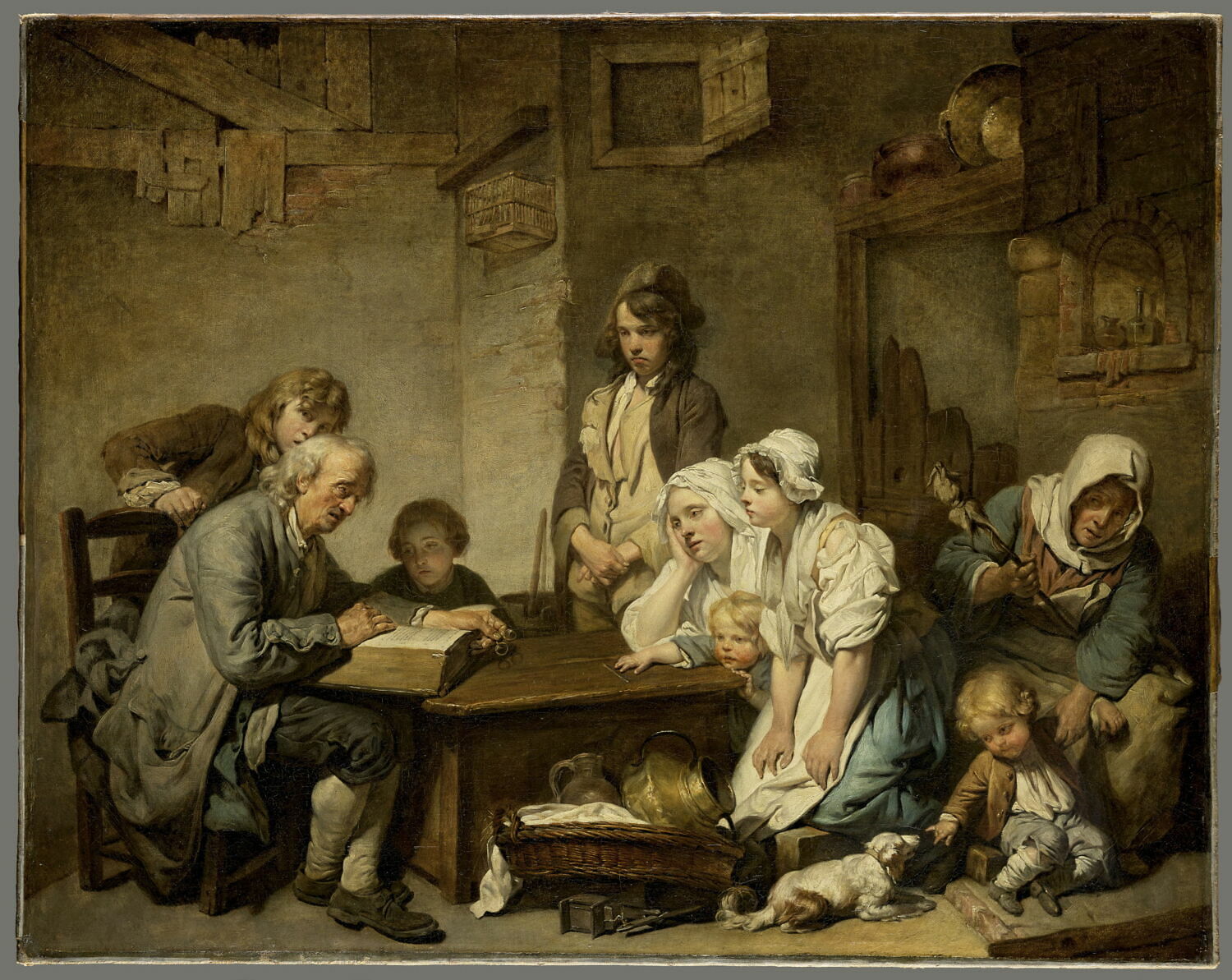
At the Salon Greuze is represented by thirteen works, among them Young Girl Weeping for Her Dead Bird, The Good Mother, The Bad Son Punished and The Father’s Curse (the last two now in the Louvre); this is the zenith of his fame. He continues his series of pictures on upbringing and the relations between fathers and children, one of the great questions of the Enlightenment.
1765–1769
The Academy demands his diploma piece and bars him from exhibiting
The Academy presses Greuze for his long-delayed diploma picture and forbids him to exhibit on its walls until he complies with its regulations. Diderot calls the Academy’s letter a model of honesty and reverence and Greuze’s reply a model of vanity and impertinence: he should have backed it up with a masterpiece, which he did not.
1769
Admitted to the Academy only as a genre painter
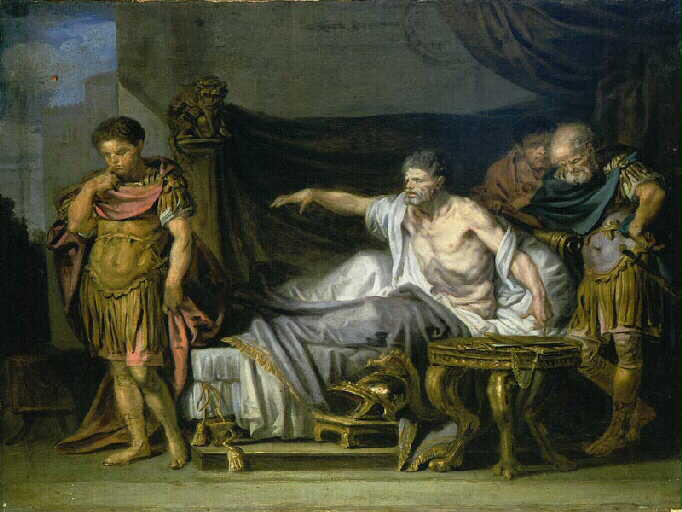
Wishing to be received as a history painter, Greuze presents the canvas Septimius Severus and Caracalla, exhibited beside his portrait of Jeaurat and the Little Girl with a Black Dog, and suffers a clear fiasco. The Academy accepts him, but only as a genre painter; the director says it respects his former excellent works but has “shut her eyes” to this unworthy canvas.
1769–1804
The quarrel with the Academy and his withdrawal from the Salons
Greatly incensed by the director’s words, Greuze quarrels with his confrères and ceases to exhibit until 1804, when the Revolution had thrown open the doors of the Academy to all the world.