Joaquín SorollaSpanish, 1863–1923
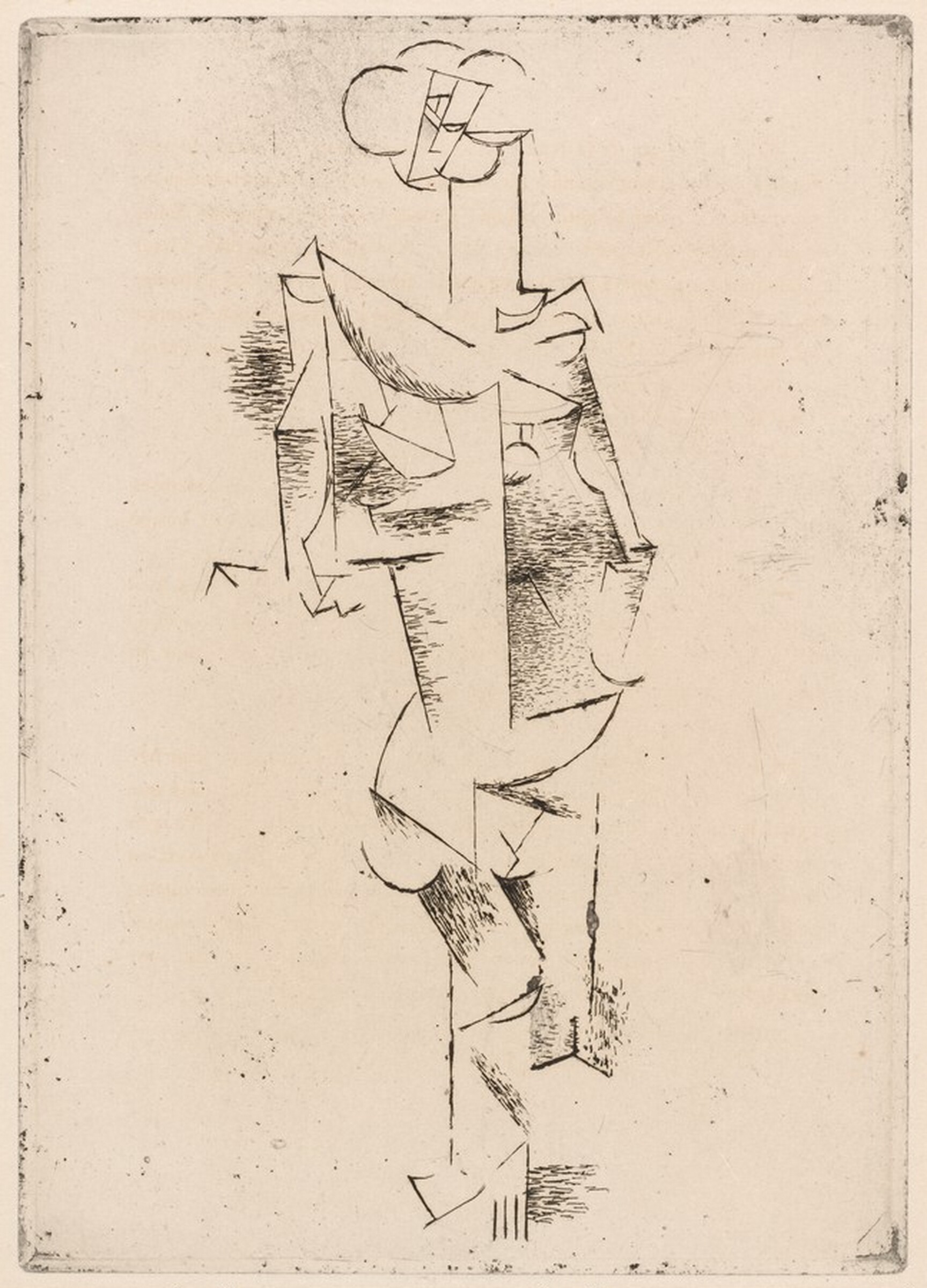
Apunte de escena
Can I see it?
Unknown
Where is “Apunte de escena” now? Collection: Sorolla Museum, Madrid. Unknown.

Madrid, Spain
The owner is known; whether it is on view today is not.
- In this state since
- Source
- The museum
About the work
Museum text in Spanish
Anverso: Apunte de escena A la izquierda, figura femenina sentada, de frente a nosotros. Parece vestirse con túnica, y estira su brazo derecho hacia el lado, reposándolo en el respaldo del banco en el que parece sentarse. Junto a ella, a la derecha, otra figura, parece que también femenina, de pie, de espaldas, e inclinada hacia la primera. Ésta sí lleva túnica ajustada a la cintura. Reverso: Figura masculina leyendo Figura masculina sentada, de perfil a la derecha. No se le han terminado de dibujar las piernas. Sostiene frente a él un diario, leyéndolo. A la cabeza lleva sombrero de copa plana, estilo canotier.
Sorolla Museum
Details
What it shows
In the catalog
Sources
- Sorolla Museum
- Image: Sorolla Museum — In Copyright
In the life of Joaquín Sorolla
The whole life1885
A four-year grant to study in Rome
Having completed his military service, the twenty-two-year-old Sorolla received a grant from the Spanish Academy in Rome for four years of study in Italy. In Rome he was welcomed by the academy’s director, Francisco Pradilla, in whose example the young painter found stability.
1885
Paris: his first encounter with modern painting
A long stay in Paris gave him his first exposure to modern painting; he was especially struck by exhibitions of Jules Bastien-Lepage and Adolph von Menzel. Back in Rome he studied with José Benlliure, Emilio Sala and José Villegas Cordero.
1888
Returns to Valencia to marry Clotilde
Sorolla returned to Valencia to marry Clotilde García del Castillo; by 1895 they had three children — María, Joaquín and Elena.
13 April 1889
Daughter born: María Sorolla García
1890
Moves to Madrid: large canvases for the salons
The family moved to Madrid. For the next decade Sorolla concentrated on large canvases of orientalist, mythological, historical and social subjects for salons and international exhibitions in Madrid, Paris, Venice, Munich, Berlin and Chicago.