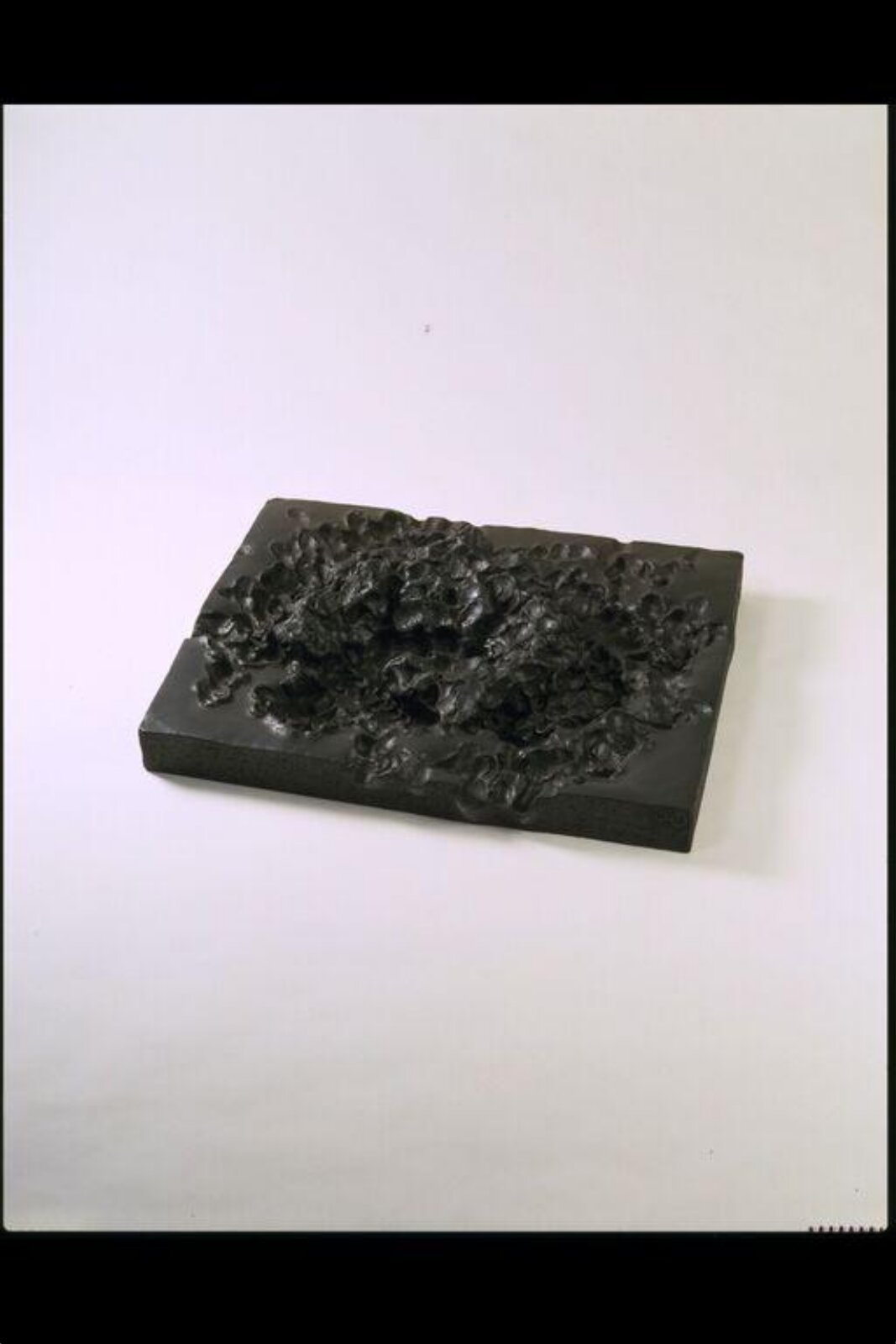
Appeared Figure
May one see it?
Yes, receiving visitors

London, United Kingdom
RoomCeramics, Room 142, The Lydia and Manfred Gorvy Gallery
On public display.
- Checked
- In this state since
- Source
- The museum
About the sculpture
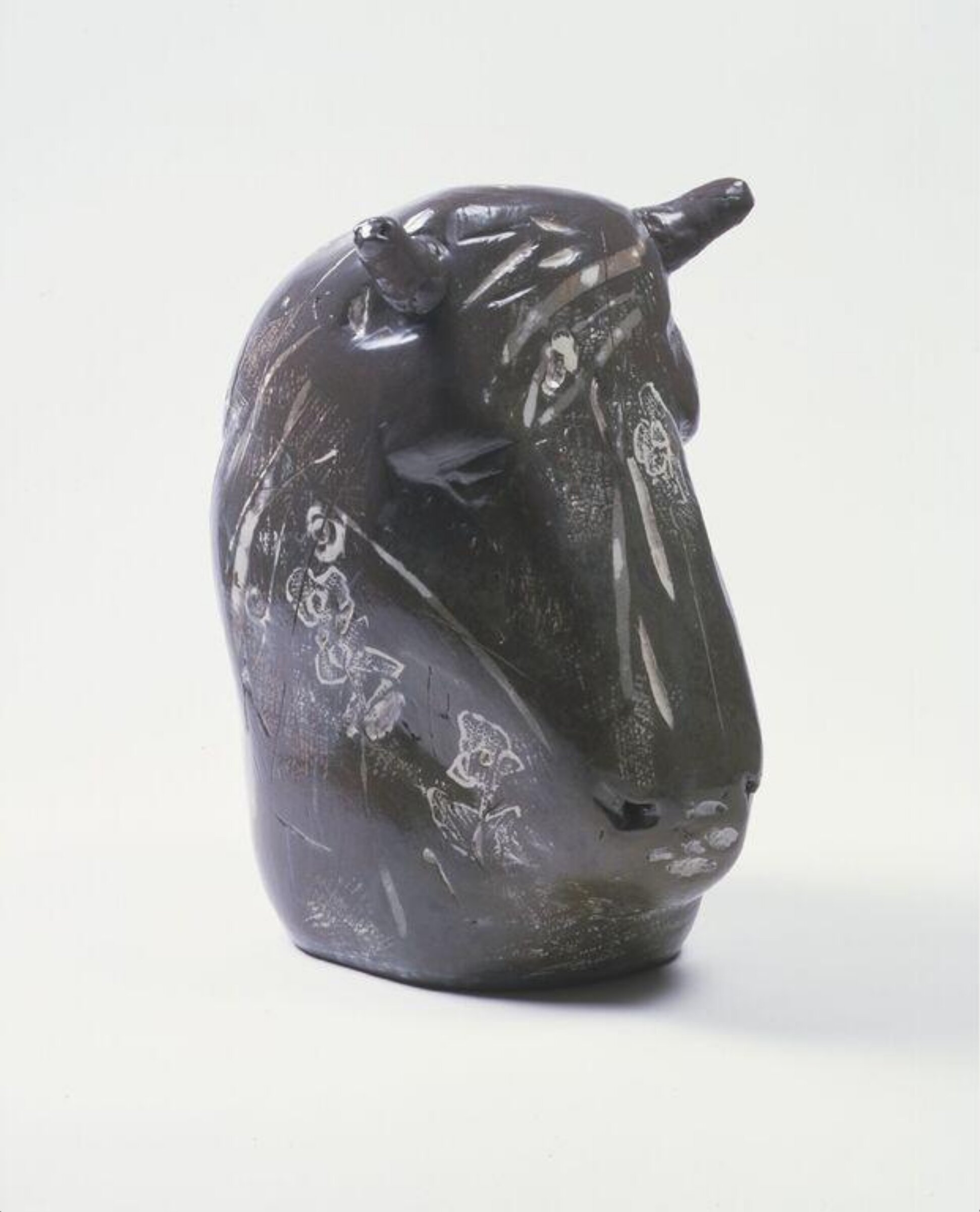
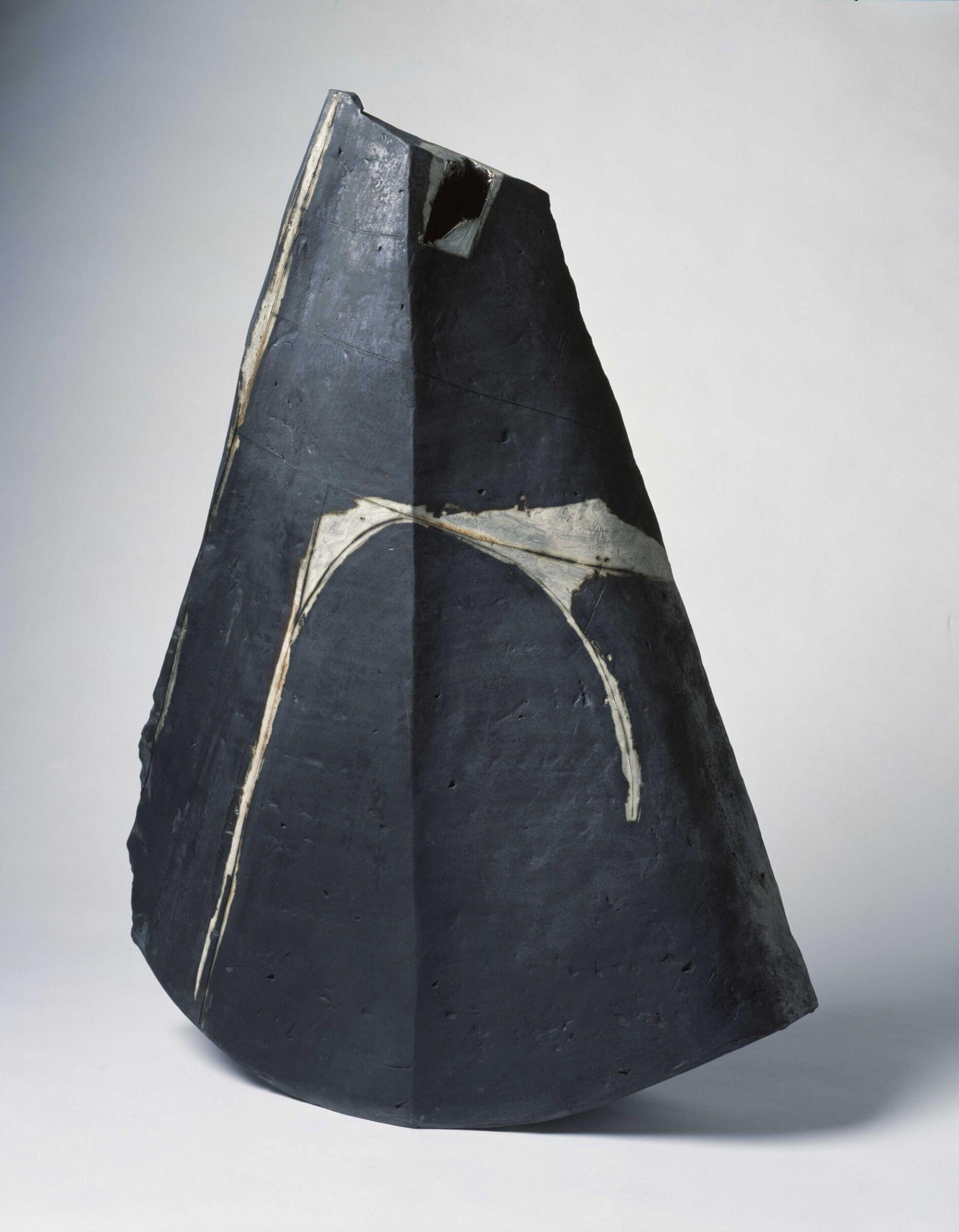
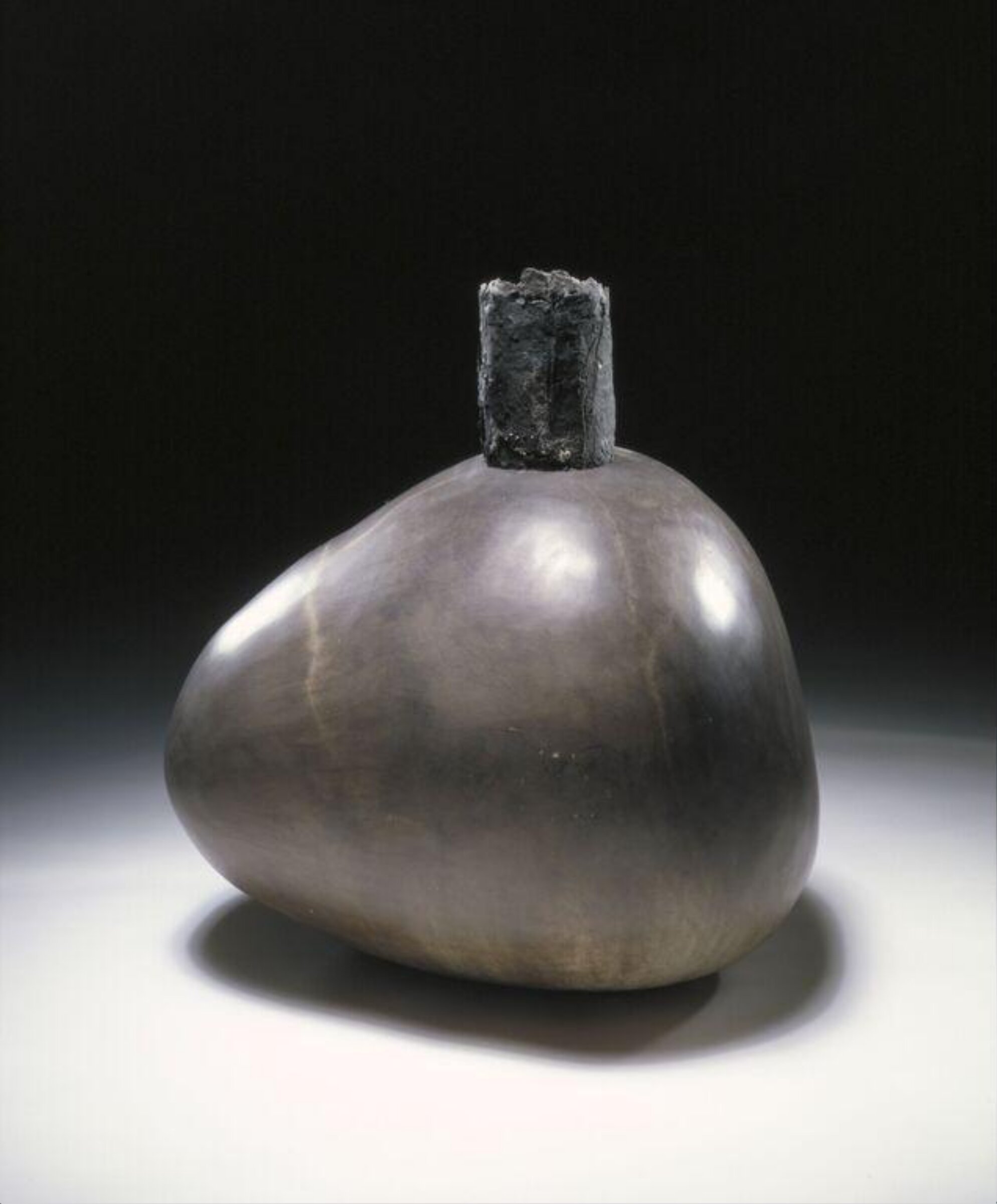
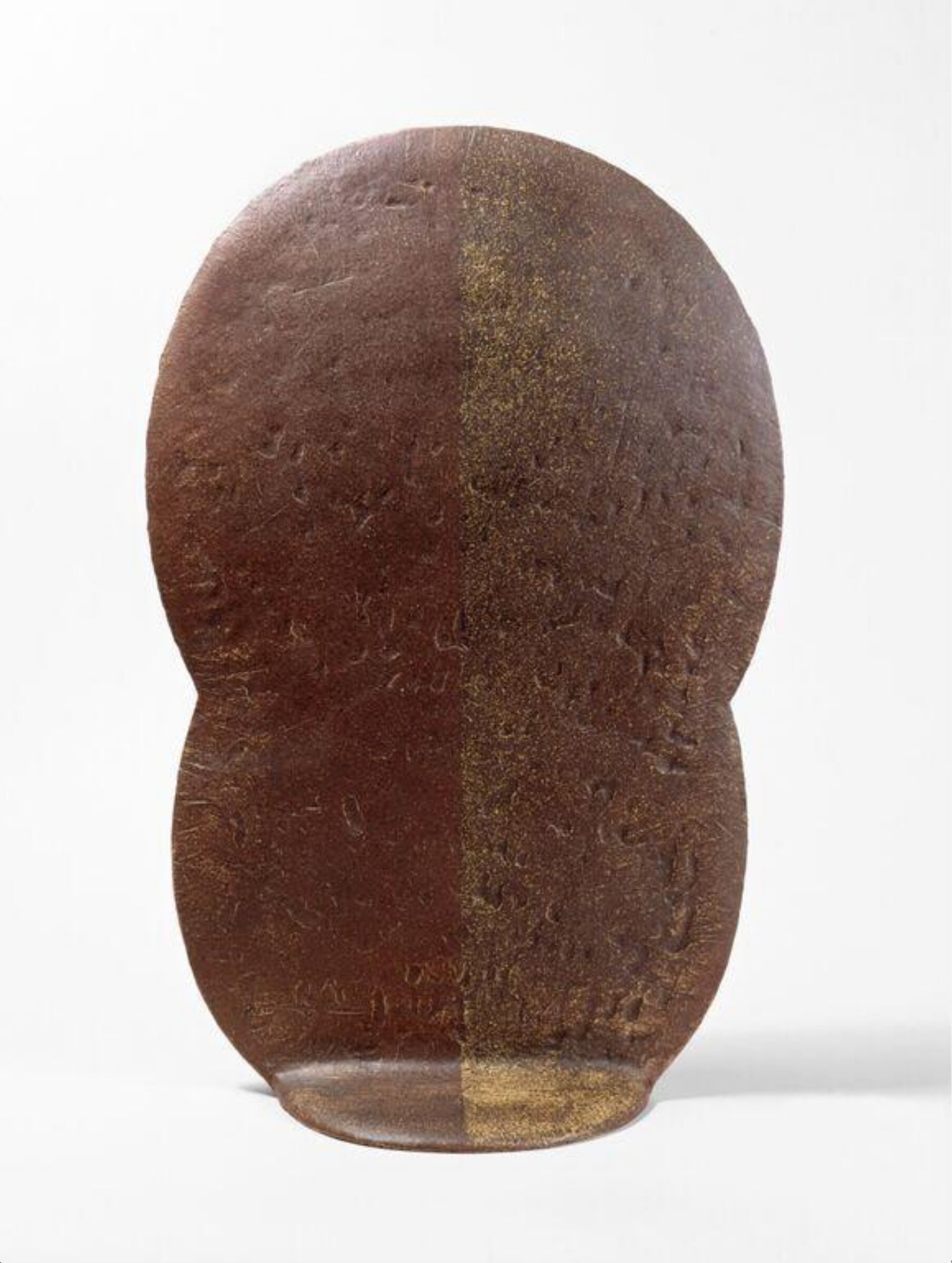
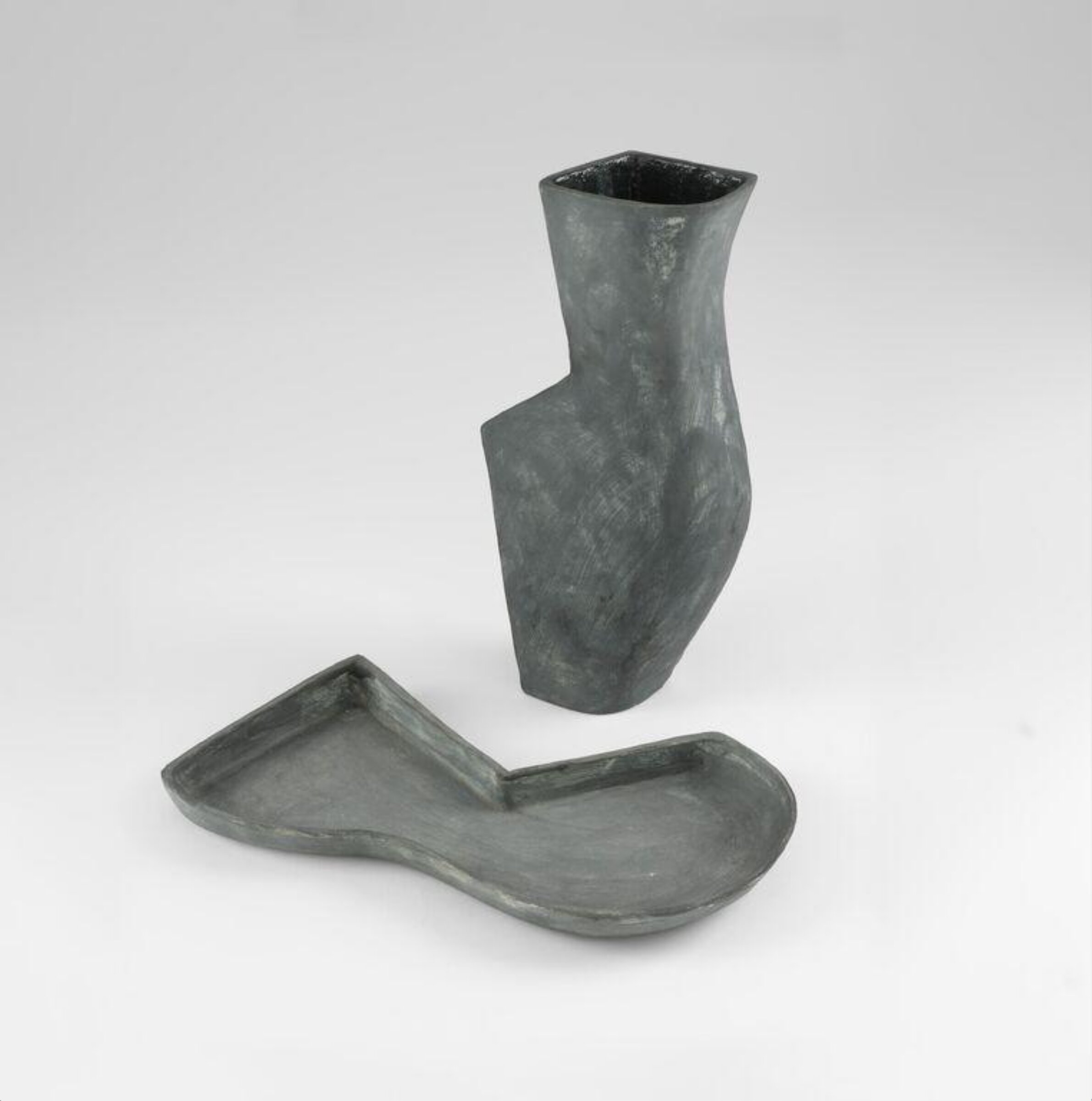
The intensity of Hoshino's work is enhanced by his use of 'Black Fire' (kokuto, literally 'black ceramics'). This technique, which involves burning large amounts of carbonizing material in and earthenware firing, was originally pioneered by Yagi Kazuo (1914-79) in the early 1960s. He developed it in reaction to the reliance upon and taste for chance and accident, a pervasive feature of Japanese ceramic culture which he campaigned against with a mixture of fascination and abhorrence throughout his career. Black Fire is now used by large numbers of makers and is one of the mainstays of Japanese avant-garde ceramics.
Read on
Its attraction lies both in its evocation of the ceramic technologies of pre-industrialised societies and in the manner - so important to Yagi - in which it potentially obfuscating effects of glazes are avoided, as are the inevitable structural movements and colour changes that take place during high temperature firings. Shapes modelled out of clay can be rendered without distortion into permanent ceramic forms, their blackness giving them an added monumentality at the same time as being a negation of decoration and colour.
Hoshino(currently, i.e. as since 1990 at the least) fires in an electric kiln and uses pine needles for the especially lustrous blackening effect they give. His interest in Black Fire developed during his period of involvement with the Sodeisha from 1973 to 1980 and first manifested itself in a mature form in his 'Surface-Depth' series of 1978-1981 ( see FE.556-1992).
Victoria and Albert Museum
Particulars
- Accession number
- FE.557-1992
In the catalog
Sources
- Victoria and Albert Museum
- Image: Victoria and Albert Museum — © Victoria and Albert Museum, London