ART WIKI32,963 on view
MapCollectionArtistsMuseumsExhibitionsJournal
Sign in

ART WIKI

Where the masterpiece hangs, and when they let you in.

Collections: Art Institute of Chicago, Getty Villa, Harvard Art Museums, Hirshhorn Museum and Sculpture Garden, J. Paul Getty Museum, Minneapolis Institute of Art, Musée du Louvre, National Gallery of Art, National Museum of Asian Art, National Portrait Gallery (Smithsonian), Pushkin State Museum of Fine Arts, Rijksmuseum, Smithsonian American Art Museum, SMK — National Gallery of Denmark, State Hermitage Museum, State Russian Museum, The Cleveland Museum of Art, The Metropolitan Museum of Art, The Museum of Modern Art, Tretyakov Gallery, Victoria and Albert Museum, Whitney Museum of American Art, State Catalogue of the Museum Fund of Russia (274 museums), Europeana (19 museums), Wikidata (6 museums), Paris Musées (12 museums), and Joconde, the French Ministry of Culture's museum database (495 museums). Images belong to their rights holders.

Sections

  • Map
  • Search
  • Collection
  • Masterpieces
  • On view now
  • Artists

More

  • Museums & galleries
  • Exhibitions
  • Journal
  • Where the data comes from
  • Privacy & cookies
HomeMapBrowse
  1. Collection/
  2. Kunsthistorisches Museum/
  3. Apfelschälerin
Apfelschälerin, Gerard ter Borch, 1650-1670
Gerard ter Borch, portraitGerard ter BorchDutch, 1617–1681

Apfelschälerin

1650-1670 · Painting

May one see it?

Unknown

Kunsthistorisches Museum

Vienna, Austria

The owner is known; whether it is on view today is not.

In this state since
Sep 27, 2026
Source
The museum
On the mapMuseum page

Particulars

1650-1670
16171681

In the catalog

PaintingsDutch paintingBaroque17th century

Sources

  • Kunsthistorisches Museum
  • Image: Kunsthistorisches Museum — CC BY-NC-SA 4.0

Meanwhile, in the life of Gerard ter Borch

The whole life
  1. 1648

    Turns to interior scenes

    Whereas earlier he painted mainly scenes of peasant and military life, from 1648 he gives more attention to domestic interiors with few figures: gallant couples, ladies reading a letter or making music.

  2. 1648

    Returns to Holland

    In the same year he returns to Holland and lives by turns in Amsterdam, The Hague, Haarlem, Kampen and Zwolle; in a short time he gains the reputation of Europe’s foremost master of genre painting. One of his great patrons is the Amsterdam burgomaster Andries de Graeff.

  3. 15 May 1648

    Present at the ratification of the Peace of Münster

    In the service of Count Peñaranda, he is present at the conclusion of the Peace of Münster between Holland and Spain on 15 May 1648 and records the event in his celebrated little picture, painted on copper, “The Ratification of the Treaty of Münster” (De bezwering van de vrede van Münster).

  4. 14 February 1654

    Marries and settles in Deventer

    He marries Gertruid Matthijsen and settles in Deventer; in the 1650s he concentrates on genre painting, showing people in ordinary everyday surroundings and sometimes in mysterious or amorous relationships.

  5. 1655

    Granted citizenship of Deventer

    In 1655, a year after settling there, he is granted citizenship of Deventer.

  6. 1672

    Deventer surrenders to Cologne and Münster

    During the Second Münster War the city surrenders to Cologne and Münster; ter Borch probably leaves Deventer at that time. The occupying forces withdraw in 1674, and a new government is set up in the city.

More by Gerard ter Borch

All works
Vrouw in boerenkostuum, Gerard ter Borch, c. 1648 - c. 1650

Vrouw in boerenkostuum

c. 1648 - c. 1650 · Rijksmuseum

Helena van der Schalcke, Gerard ter Borch, c. 1648

Helena van der Schalcke

c. 1648 · Rijksmuseum

Galante conversatie, bekend als ‘De vaderlijke vermaning’, Gerard ter Borch, c. 1654 - c. 1655

The Gallant Conversation, known as Paternal Admonition

c. 1654 - c. 1655 · Rijksmuseum

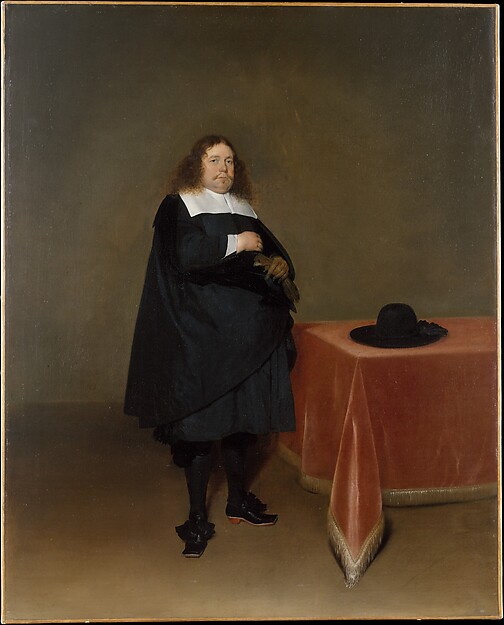
Burgomaster Jan van Duren (1613–1687), Gerard ter Borch the Younger, ca. 1666–67

Burgomaster Jan van Duren (1613–1687)

ca. 1666–67 · The Metropolitan Museum of Art

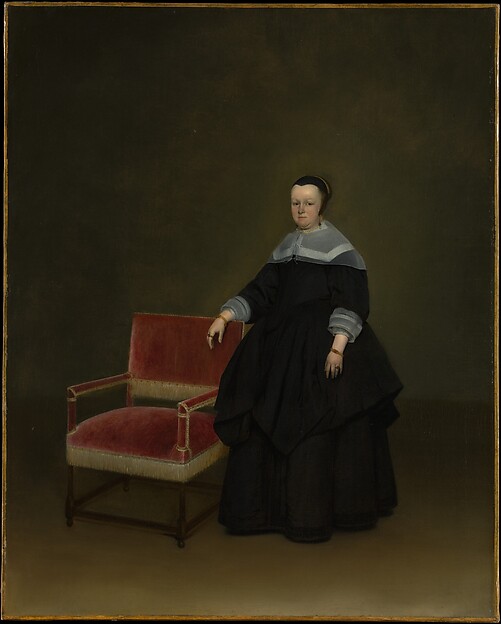
Margaretha van Haexbergen (1614–1676), Gerard ter Borch the Younger, ca. 1666–67

Margaretha van Haexbergen (1614–1676)

ca. 1666–67 · The Metropolitan Museum of Art

Het sluiten van de Vrede van Munster, Gerard ter Borch, 1648

Het sluiten van de Vrede van Munster

1648 · Rijksmuseum

A Young Woman at Her Toilet with a Maid, Gerard ter Borch the Younger, ca. 1650–51

A Young Woman at Her Toilet with a Maid

ca. 1650–51 · The Metropolitan Museum of Art

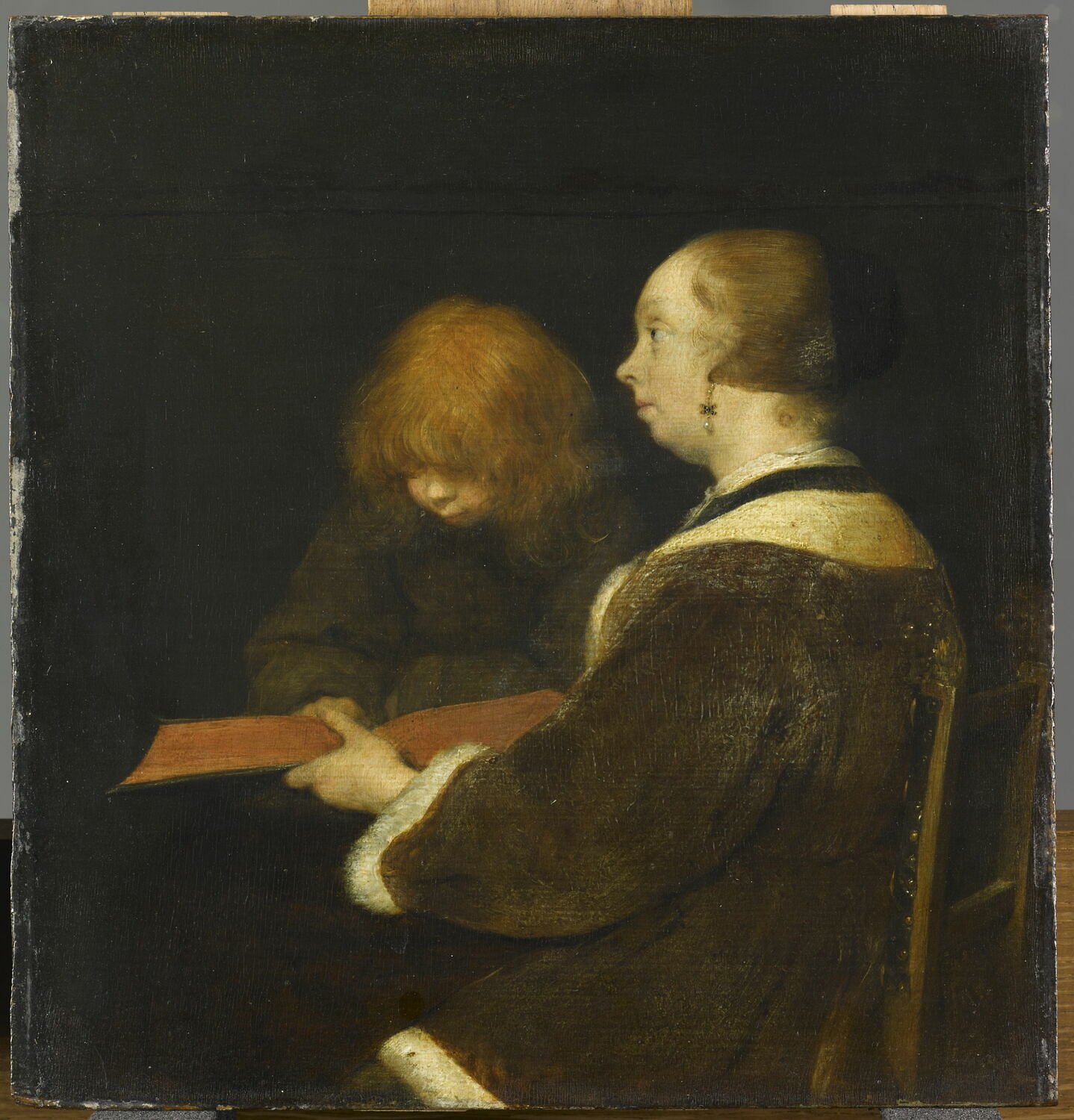
La Leçon de lecture, Borch, Gerard ter, 2e quart du XVIIe siècle (vers 1652)

La Leçon de lecture

second quarter of the 17th century (c. 1652) · Musée du Louvre

From the collection of Kunsthistorisches Museum

Museum page
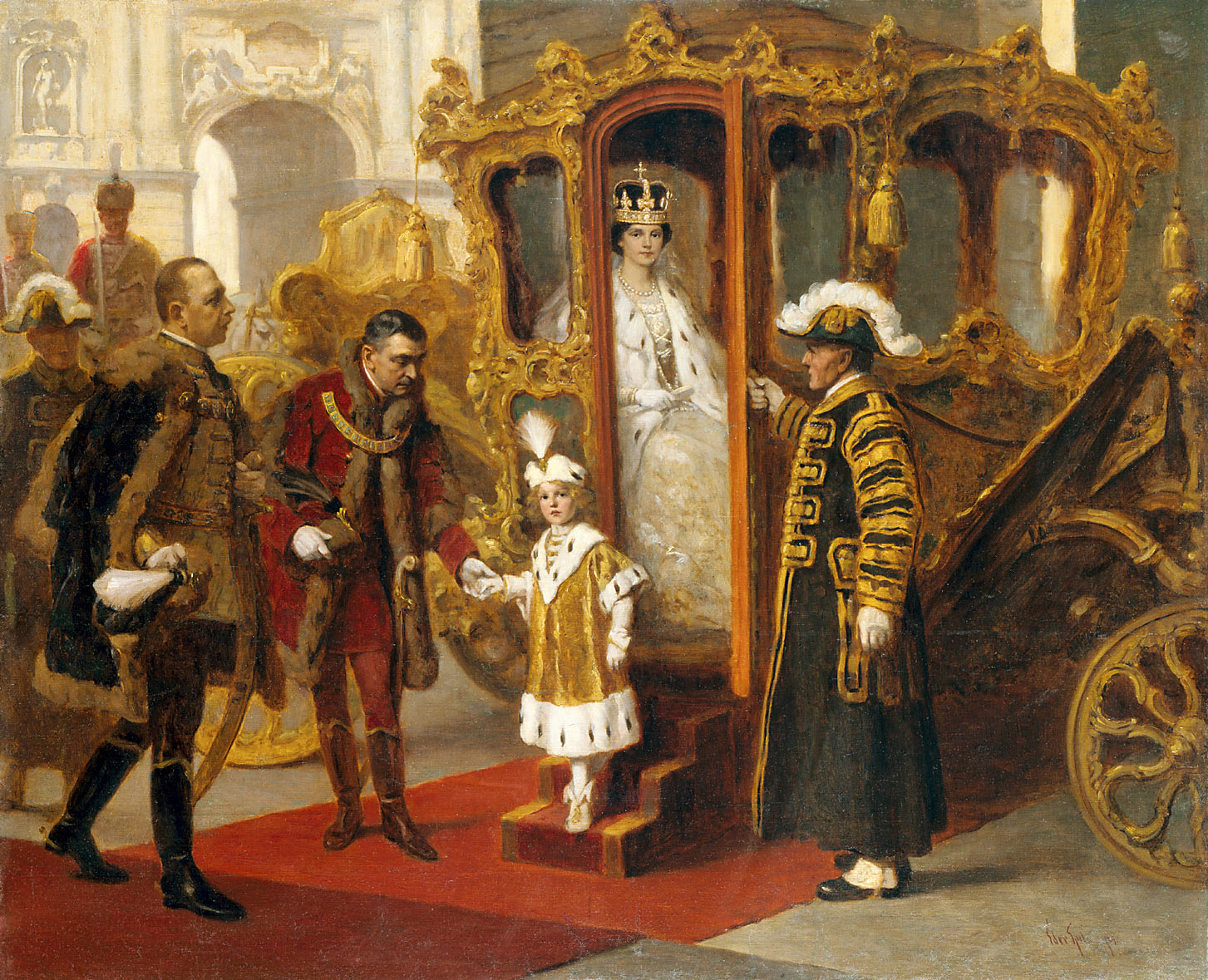
Kaiserin/Königin Zita und Kronprinz Otto beim Verlassen des Imperialwagens vor der Königskrönung in Budapest (30.12.1916), Gyula Éder, 1929

Gyula Éder

Kaiserin/Königin Zita und Kronprinz Otto beim Verlassen des Imperialwagens vor der Königskrönung in Budapest (30.12.1916), 1929

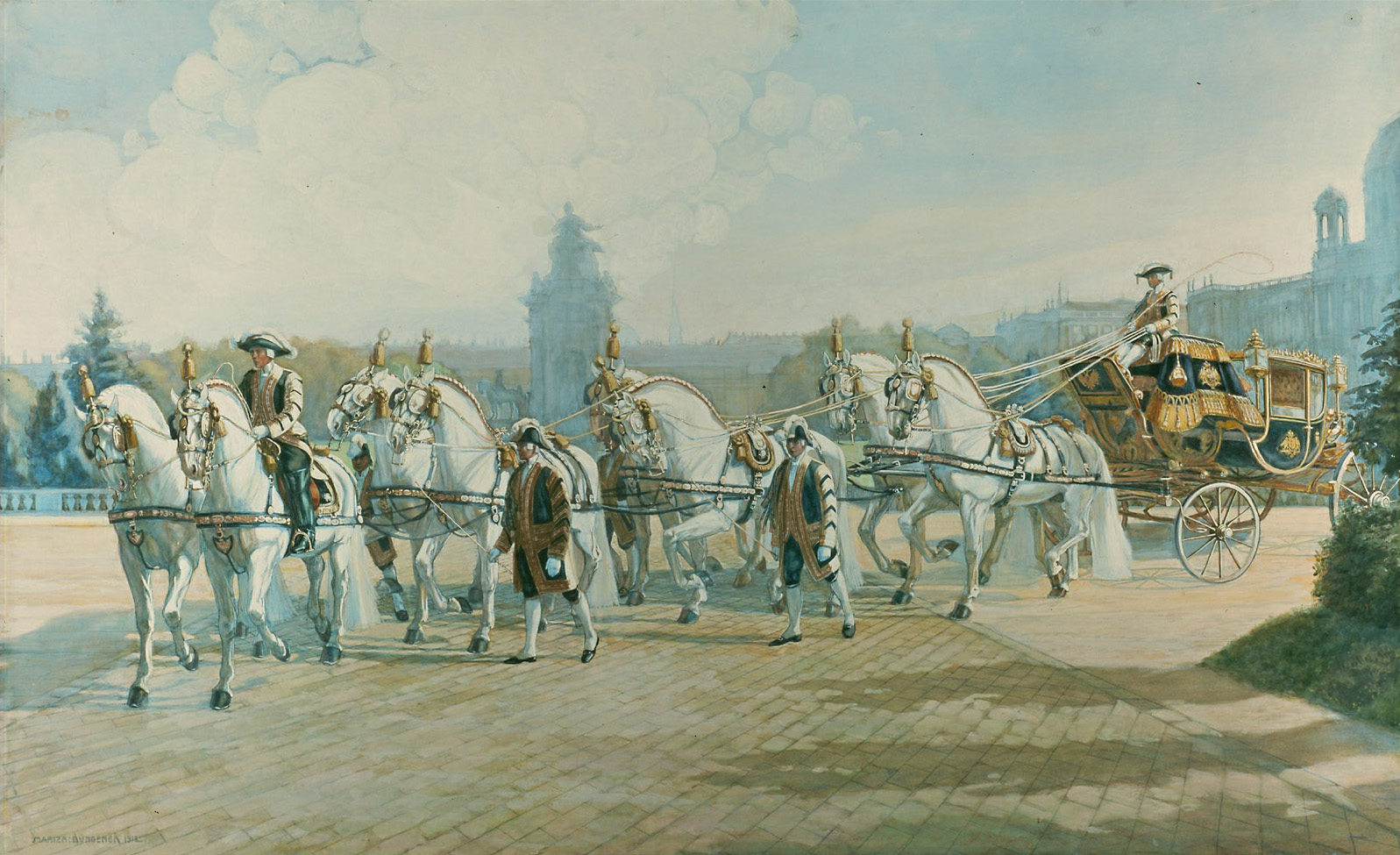
Der Gala-Staatswagen Kaiser Franz Josephs bei der Rückkehr in die Hofstallungen, Mariza Büngener, 1912

Mariza Büngener

Der Gala-Staatswagen Kaiser Franz Josephs bei der Rückkehr in die Hofstallungen, 1912

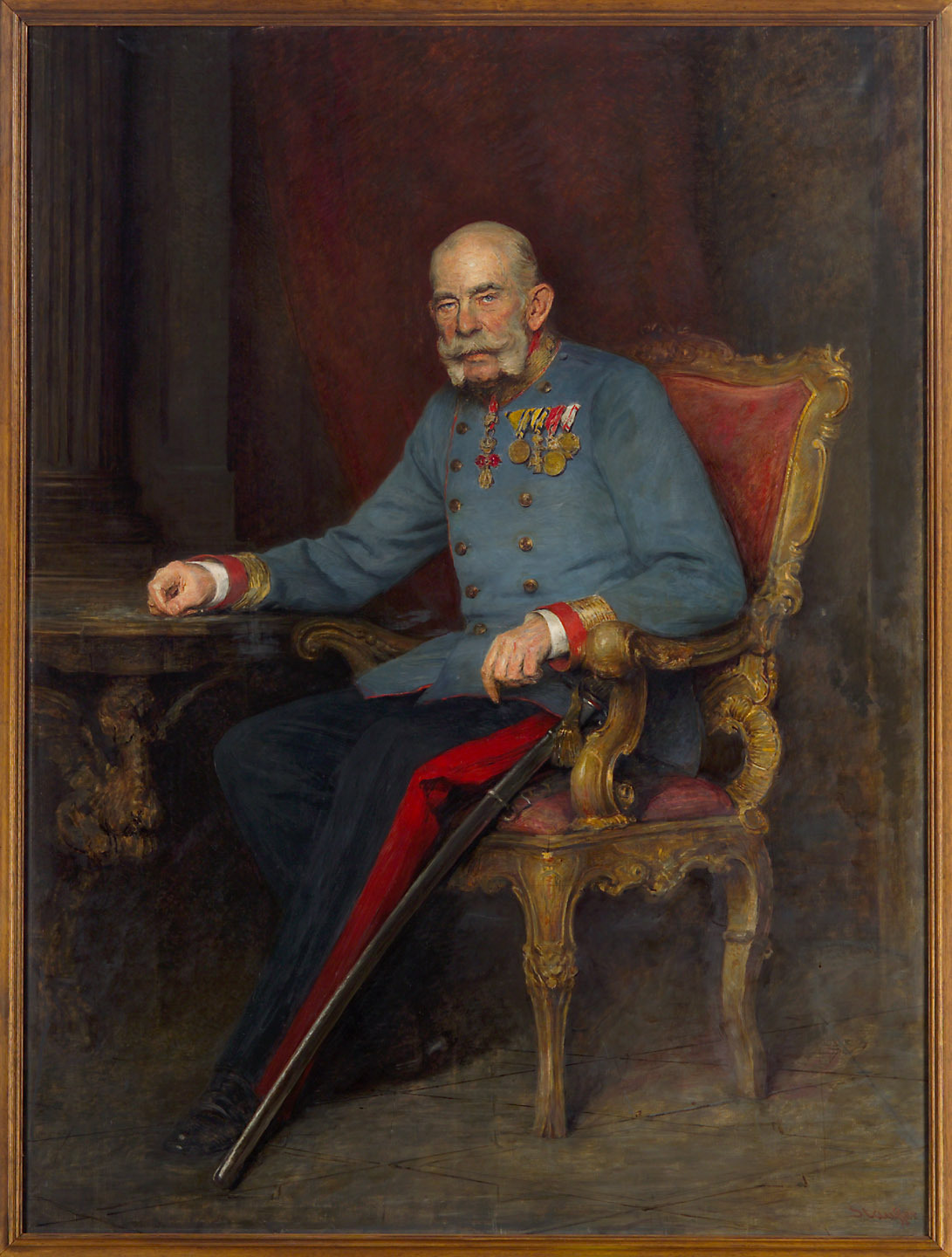
Kaiser Franz Joseph I. (1830-1916) sitzend, Viktor Stauffer, 1911-1916

Viktor Stauffer

Kaiser Franz Joseph I. (1830-1916) sitzend, 1911-1916

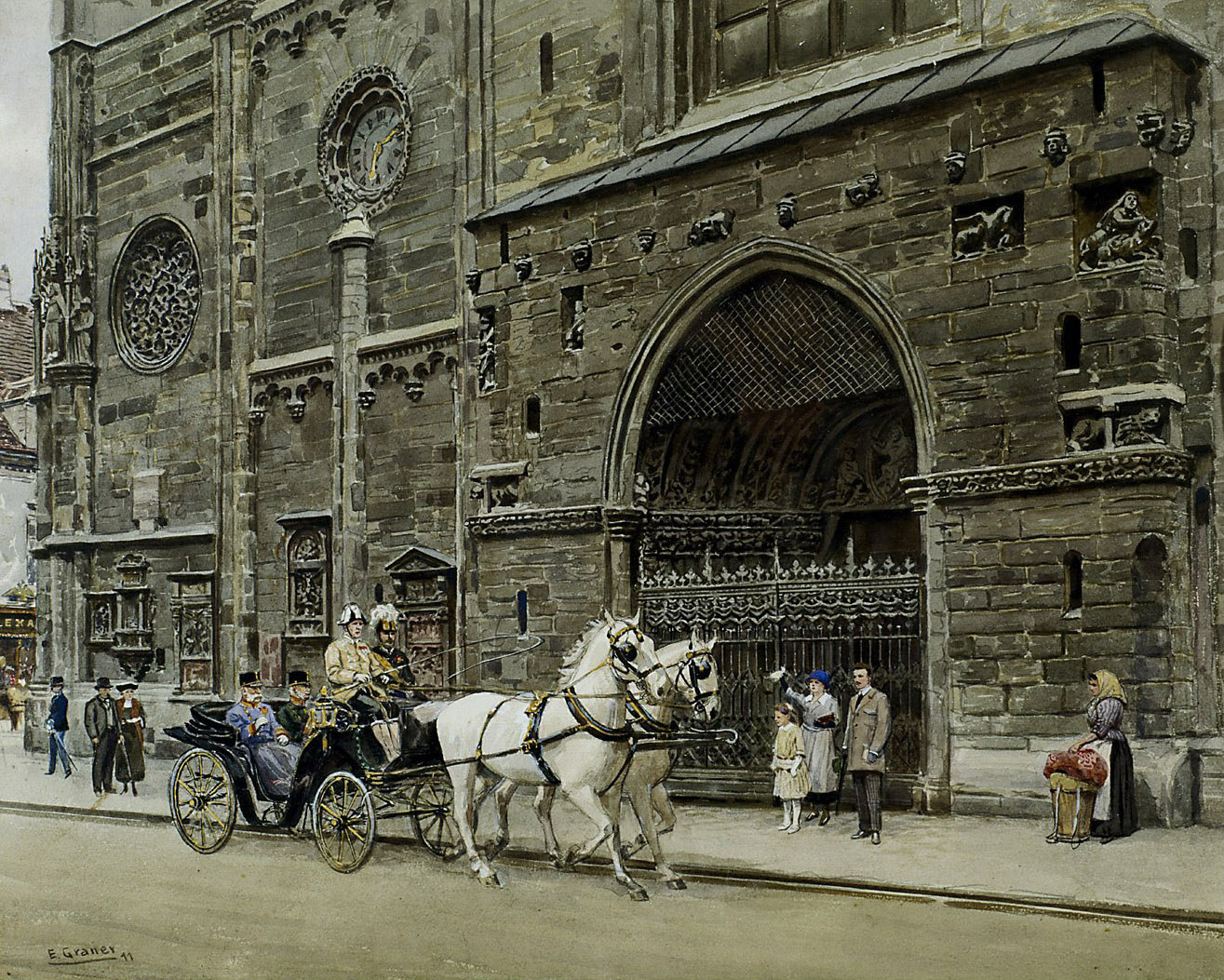
Kaiser Franz Joseph und Generaladjutant Graf Eduard Paar in einem Mylord mit Schimmelpaarweiszug vor der Stephanskirche, Ernst Graner, 1911

Ernst Graner

Kaiser Franz Joseph und Generaladjutant Graf Eduard Paar in einem Mylord mit Schimmelpaarweiszug vor der Stephanskirche, 1911

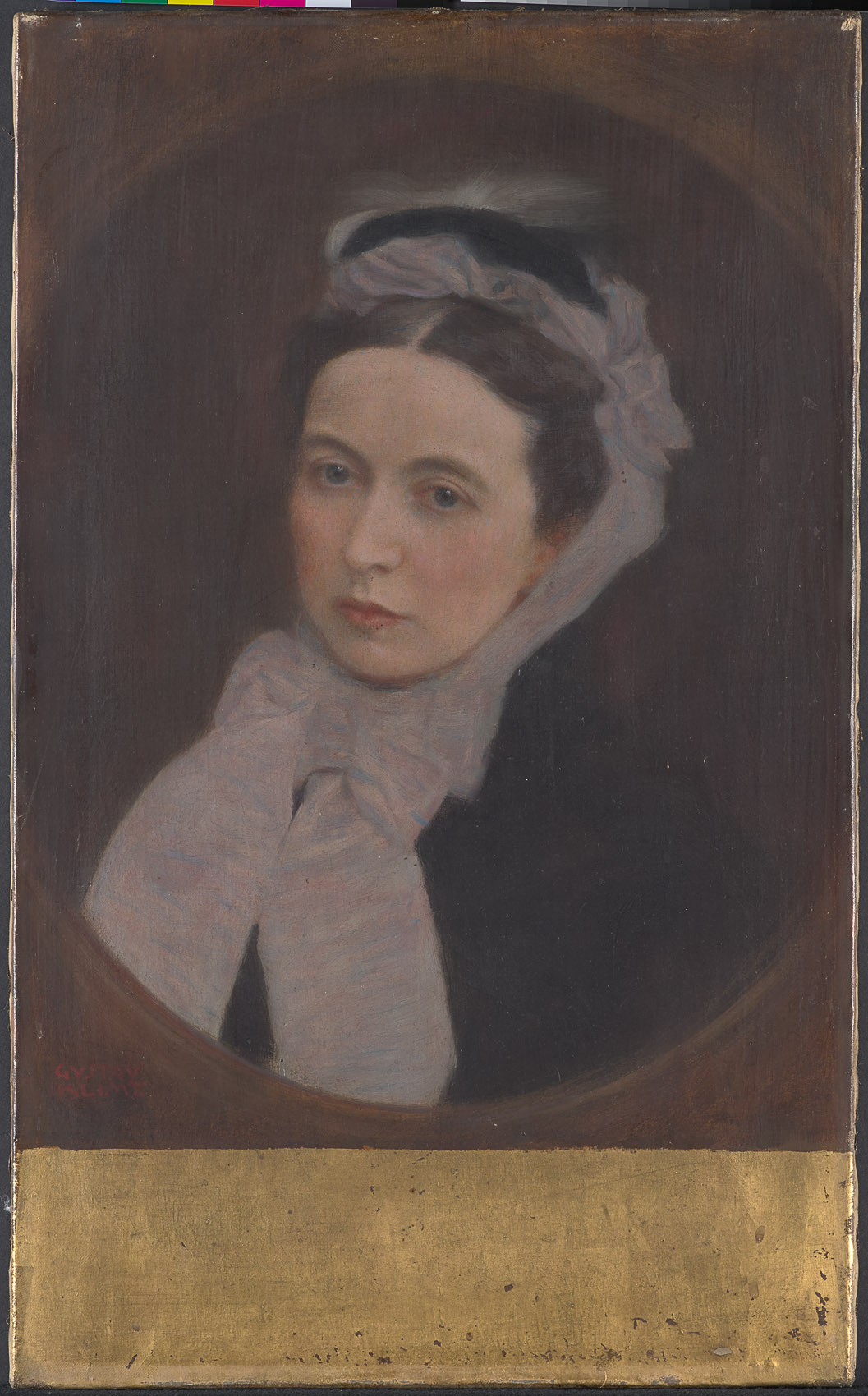
Dame mit lila Schal, Gustav Klimt, 1895

Gustav Klimt

Dame mit lila Schal, 1895

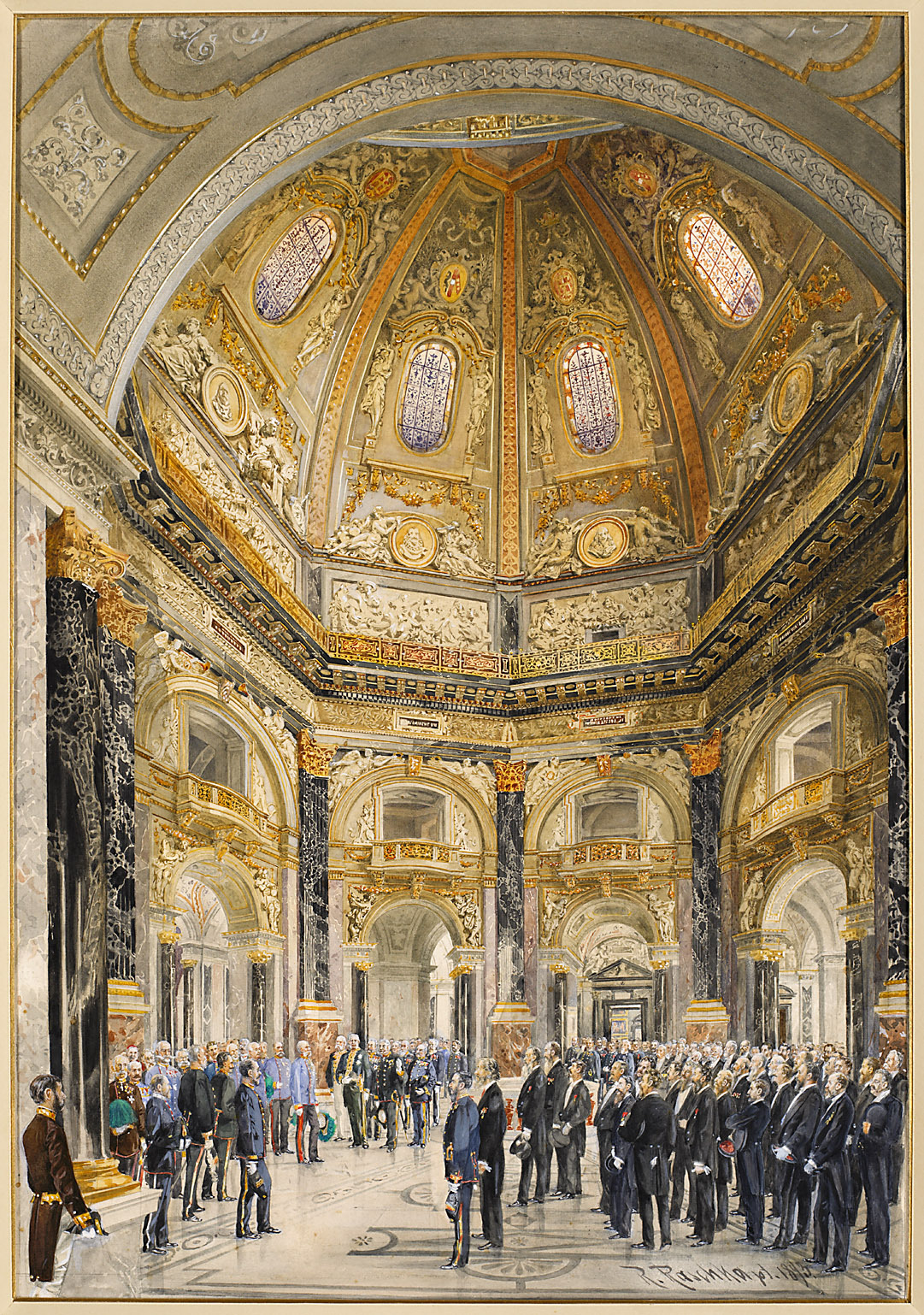
Die Eröffnung des Kunsthistorischen Museums durch Kaiser Franz Joseph I. am 17.10.1891, Robert Raschka, 1891

Robert Raschka

Die Eröffnung des Kunsthistorischen Museums durch Kaiser Franz Joseph I. am 17.10.1891, 1891

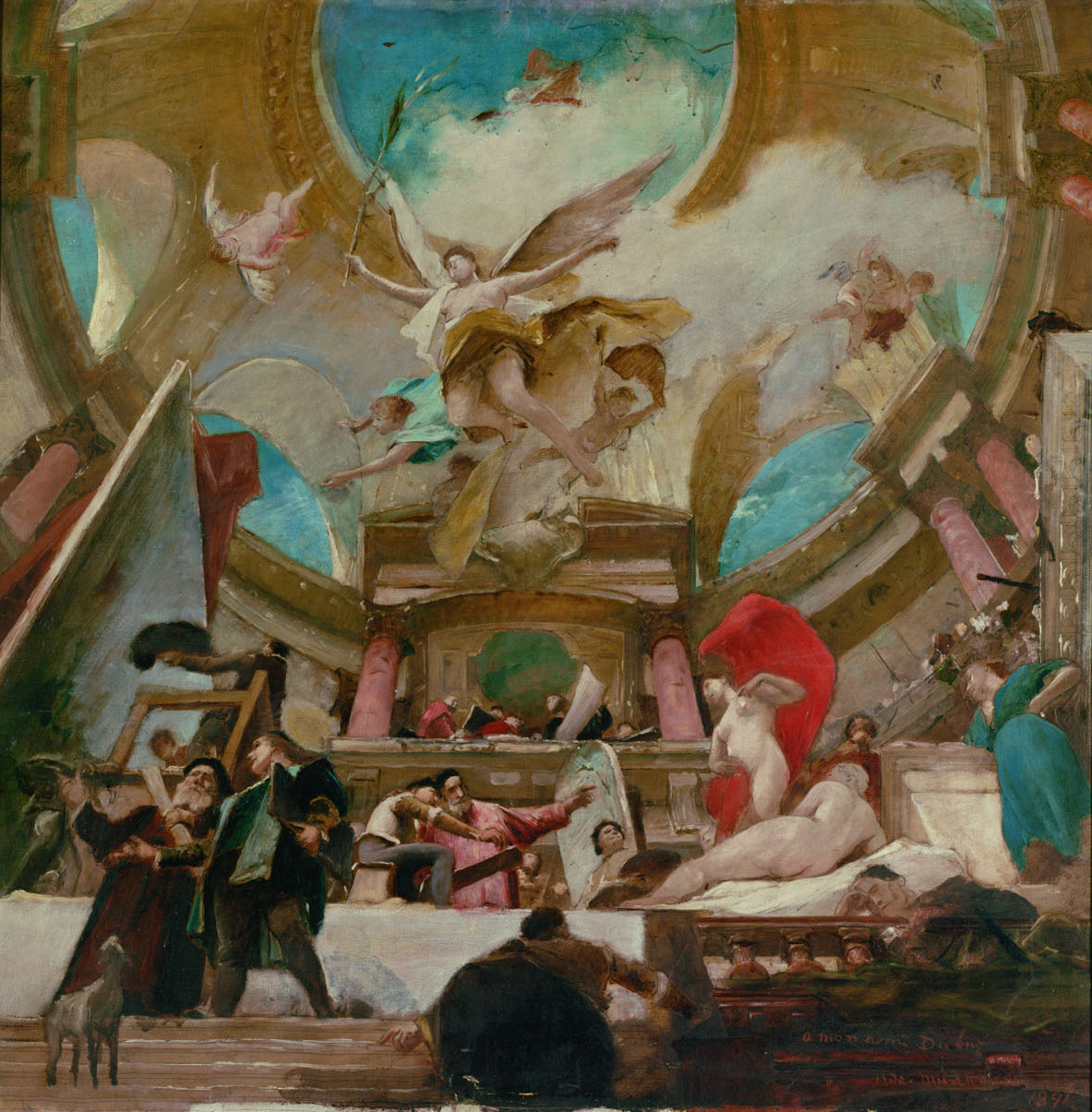
Apotheose der Renaissance, Mihály von Munkácsy, 1888

Mihály Munkácsy

Apotheose der Renaissance, 1888

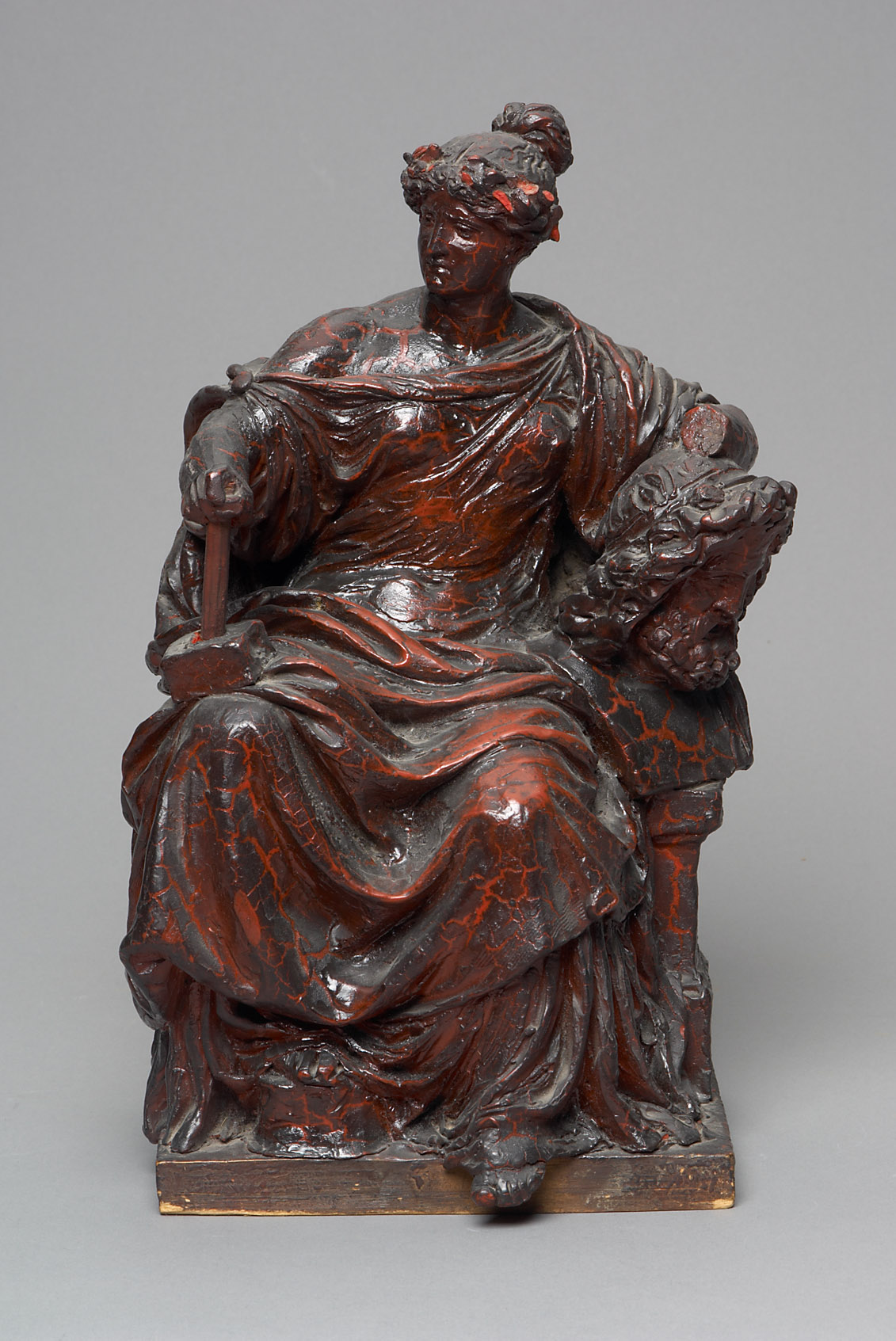
Allegorie der Bildhauerei / Figurenschmuck der Fassade des Kunsthistorischen Museums in Wien., Johannes Benk, 1878-1879

Johannes Benk

Allegorie der Bildhauerei / Figurenschmuck der Fassade des Kunsthistorischen Museums in Wien., 1878-1879