 John Singleton CopleyAmerican, 1738–1815
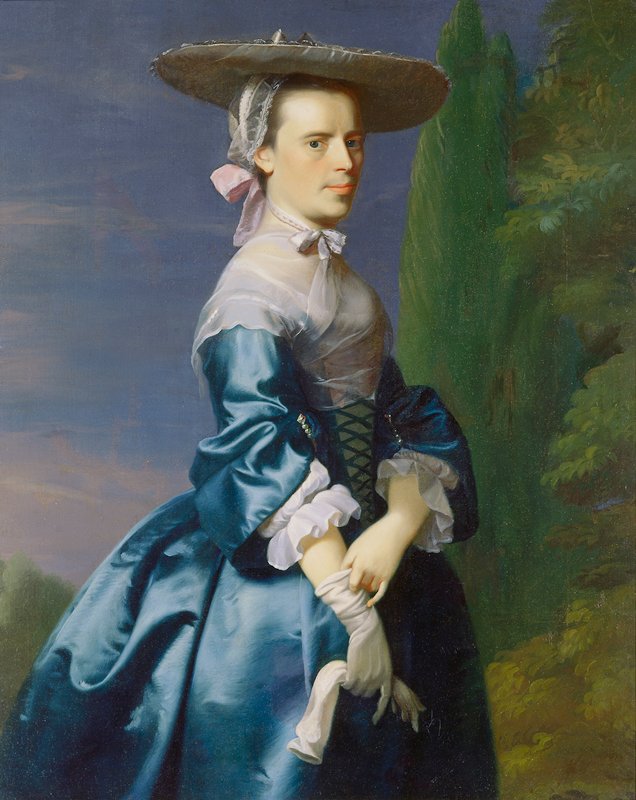
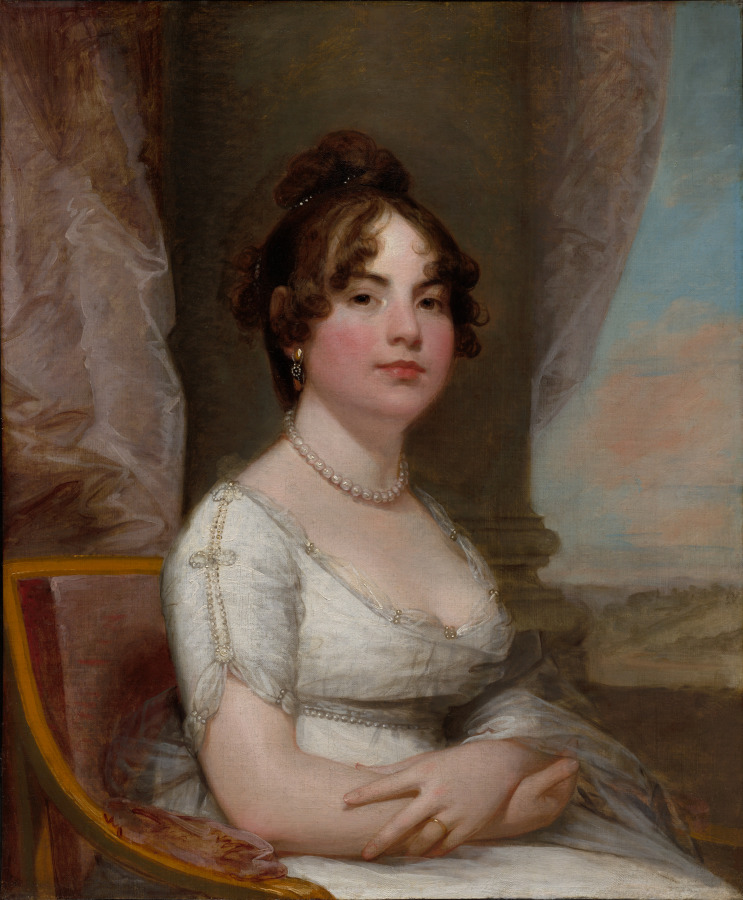
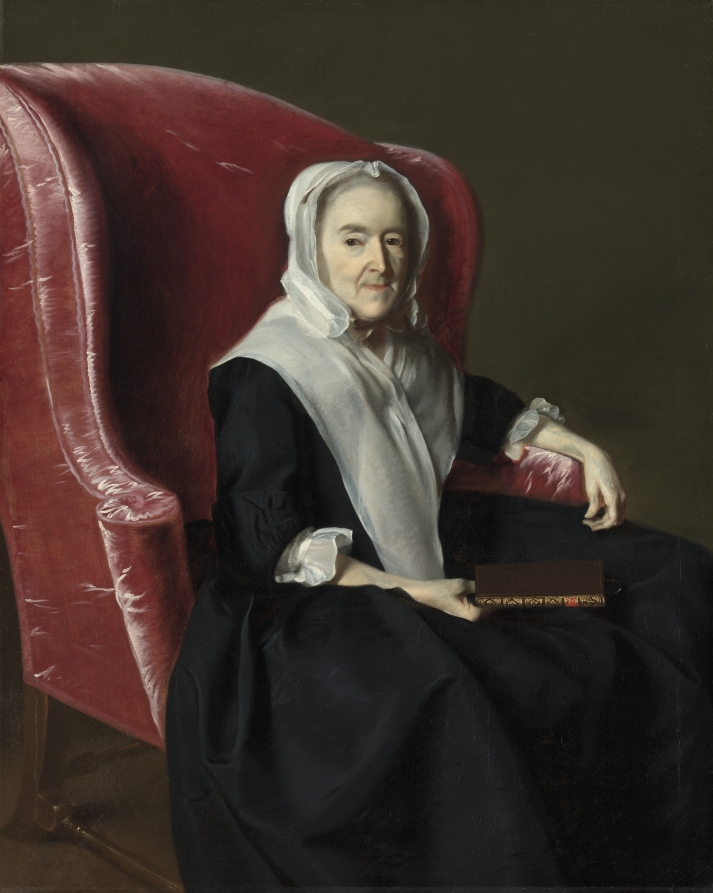
Anna Dummer Powell
Can I see it?
Yes, on view now
Where is “Anna Dummer Powell” now? The Cleveland Museum of Art, 204 Colonial American, Cleveland. Yes, on view now. Checked November 16, 2026.

Open now· until 9:00 PM
On public display.
- Checked
- In this state since
- Source
- The museum
About the painting
One of Anna Dummer Powell’s sons commissioned John Singleton Copley’s portrait of her in 1764, less than two months before she died at eighty. The painting is in the Cleveland Museum of Art, Cleveland. The commission commemorated her life and provided a keepsake for later generations of the family. Her granddaughter remembered a small woman whose convictions were sober and whose Presbyterian faith was strong. The picture descended through women in the family until shortly before its donation. On view in room 204 Colonial American.
In the museum's words
Less than two months before the 80-year-old Powell passed away, one of her sons commissioned this portrait in order to commemorate her life and create an heirloom for future generations. According to the sitter’s granddaughter, Powell was “a little woman of sober conviction and strong Presbyterian faith.” The painting passed through a line of female descendants until shortly before it was given to the museum.
The Cleveland Museum of Art
Details
- Accession number
- 1980.202
In the catalog
Sources
- The Cleveland Museum of Art
- Image: The Cleveland Museum of Art — Museum open access
In the life of John Singleton Copley
The whole life1753–1774 · Workplace
Boston
1760s
A needy tobacconist’s son among Boston’s elite
The income Copley earned by painting in the 1760s was extraordinary for his town and time and raised the son of a needy tobacconist into the local aristocracy. The foremost personages of New England came to his painting-room as sitters.
30 September 1762
Asks Liotard for Swiss pastel crayons
Copley writes to the Swiss painter Jean-Étienne Liotard asking for a set of the best Swiss crayons for drawing portraits, in the hope that America will one day become a school of the fine arts. The pastels arrive and are put to use; Copley was a pioneer American pastellist.
1766
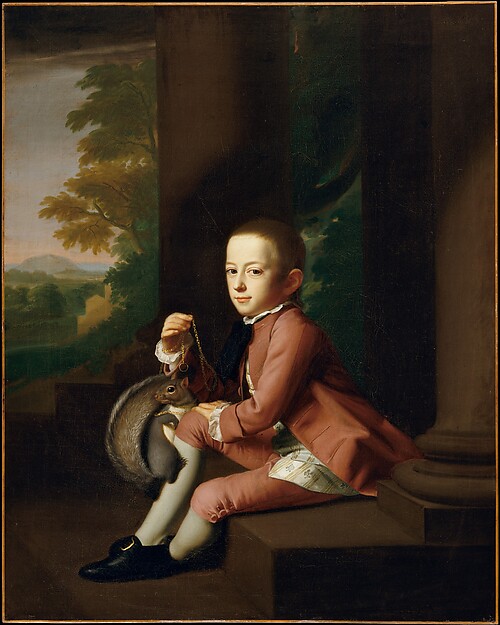
“A Boy with a Flying Squirrel” at the London exhibition
The exhibition of 1766 establishes Copley’s fame in England. Joshua Reynolds speaks warmly of the picture, saying that with a proper artistic education Copley could become a master of world stature.
4 August 1766
West urges Copley to study in Europe
By one account, on receiving the picture without the painter’s name West exclaimed that its colouring was worthy of Titian, and he got it into the exhibition; on 4 August he writes to Copley of Reynolds’s interest and advises a visit to Europe of three or four years. In October and November Copley gladly agrees to send more pictures but laments that no portrait worthy of the name of a picture has been brought to Boston within his memory.
3 September 1766
Elected to the Society of Artists of Great Britain
By vote of 3 September 1766, “A Boy with a Flying Squirrel” makes the young Boston painter a Fellow of the Society of Artists of Great Britain.