ART WIKI32,963 on view
MapCollectionArtistsMuseumsExhibitionsJournal
Sign in

ART WIKI

Where the masterpiece hangs, and when they let you in.

Collections: Art Institute of Chicago, Getty Villa, Harvard Art Museums, Hirshhorn Museum and Sculpture Garden, J. Paul Getty Museum, Minneapolis Institute of Art, Musée du Louvre, National Gallery of Art, National Museum of Asian Art, National Portrait Gallery (Smithsonian), Pushkin State Museum of Fine Arts, Rijksmuseum, Smithsonian American Art Museum, SMK — National Gallery of Denmark, State Hermitage Museum, State Russian Museum, The Cleveland Museum of Art, The Metropolitan Museum of Art, The Museum of Modern Art, Tretyakov Gallery, Victoria and Albert Museum, Whitney Museum of American Art, State Catalogue of the Museum Fund of Russia (274 museums), Europeana (19 museums), Wikidata (6 museums), Paris Musées (12 museums), and Joconde, the French Ministry of Culture's museum database (495 museums). Images belong to their rights holders.

Sections

  • Map
  • Search
  • Collection
  • Masterpieces
  • On view now
  • Artists

More

  • Museums & galleries
  • Exhibitions
  • Journal
  • Where the data comes from
  • Privacy & cookies
HomeMapBrowse
  1. Collection/
  2. Victoria and Albert Museum/
  3. Anatomical figure
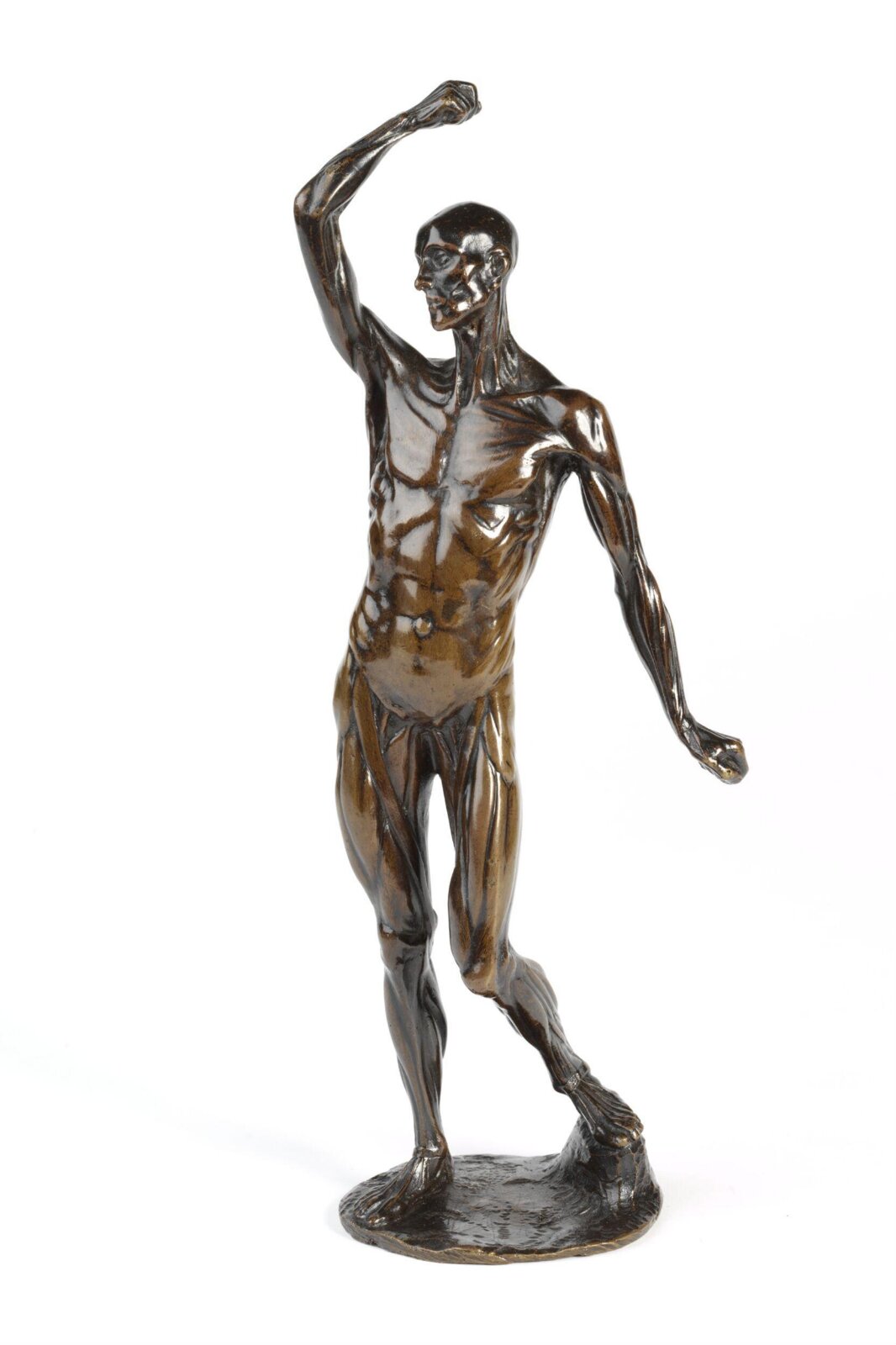
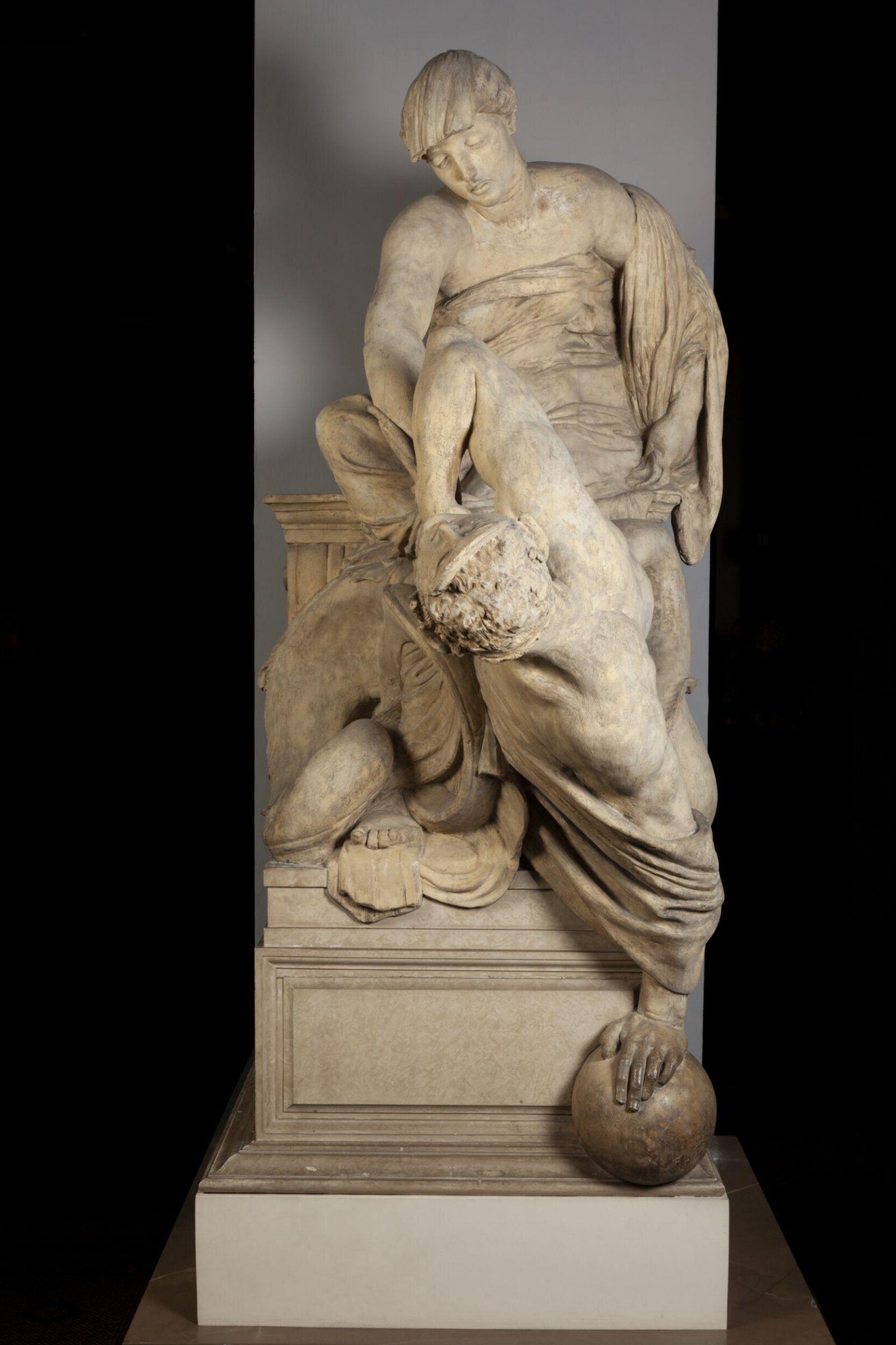
Anatomical figure, attributed to Edward Burch, 1761-1767
Aattributed to Edward Burch

Anatomical figure

1761-1767 · Statuette

May one see it?

Yes, receiving visitors

Victoria and Albert Museum

London, United Kingdom

RoomSculpture, Room 22, The Dorothy and Michael Hintze Galleries

On public display.

Checked
12 days ago
In this state since
Sep 25, 2026
Source
The museum
On the mapMuseum page

About the sculpture

Anatomical figures such as this, highlighting the muscles of the human body, were used to teach both medical and art students. This example was probably cast from a wax by the Anglo-Danish sculptor Michael Henry Spang (whose statuette of Hogarth is also in the collection of the Museum; inv. no. 311-1885) after a plaster cast of the flayed body of an executed criminal.

On acquisition this figure was originally thought to be Italian, but Martin Kemp identified it as a work cast after Spang, whose wax model of this figure is in the Hunterian Museum in Glasgow. Spang originally modelled this ecorché in wax for Dr William Hunter (1718-1783) and exhibited it at the Society of Artists in 1761.

Read on

Edward Burch is known to have cast in bronze several model made by Spang. In 1767, he was awarded a premium for a bronze ‘Cast of an anatomy figure, after Spang’ at the Society of Arts. Further bronze examples of this figure are known in other museum collections. Burch was a gem-engraver and sculptor, who had great success for more than two decades. His career declined from 1788 and from 1794 to 1812 he served as Librarian at the Royal Academy.

Victoria and Albert Museum

Particulars

Accession number
A.18-1945

In the catalog

SculptureBronzeRococoNeoclassicism18th centuryEngland

Sources

  • Victoria and Albert Museum
  • Image: Victoria and Albert Museum — © Victoria and Albert Museum, London
In the same room · Sculpture, Room 22, The Dorothy and Michael Hintze Galleries, Victoria and Albert Museum

Museum page
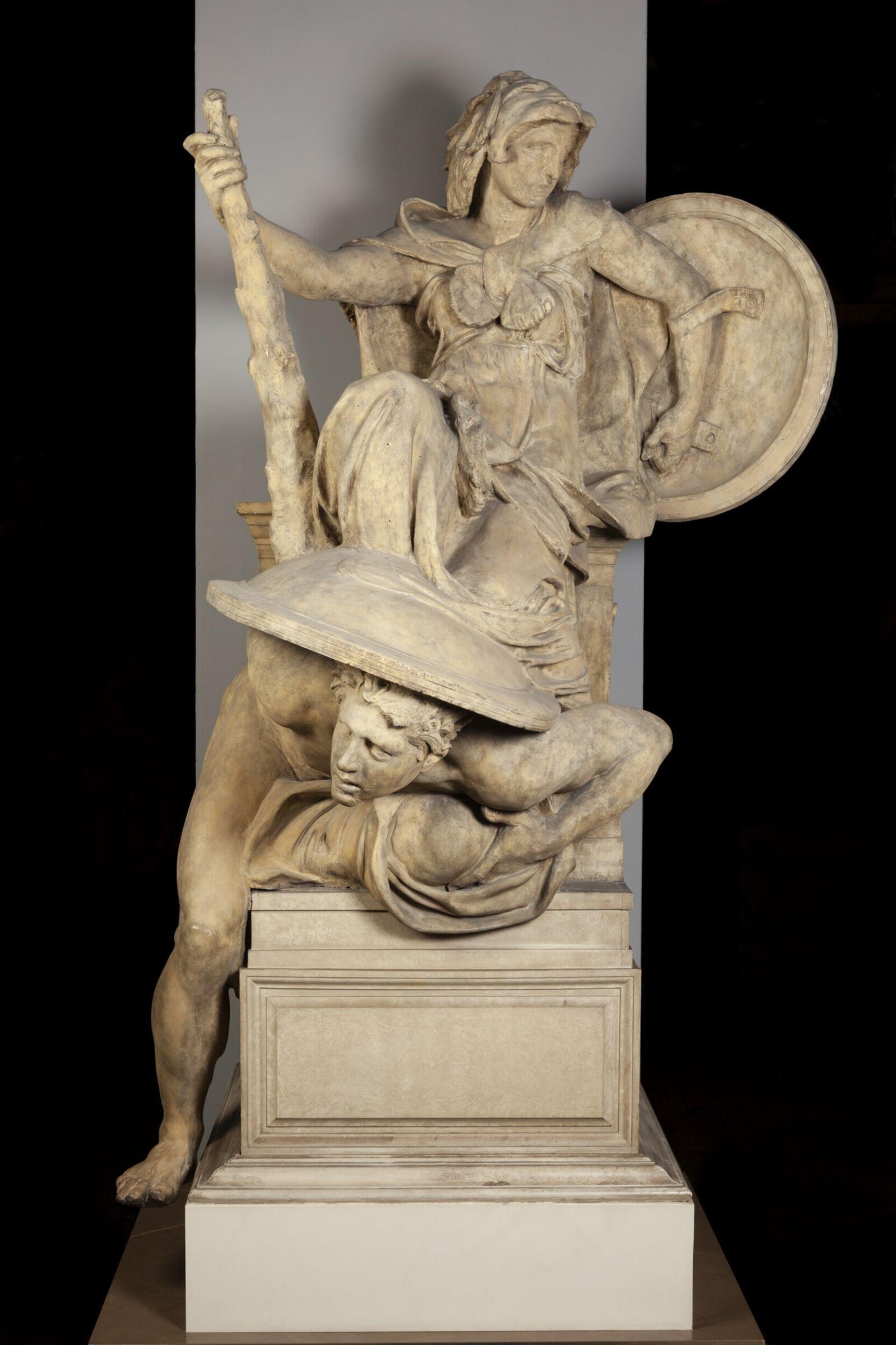
Model for Wellington Monument: Truth and Falsehood, Alfred George Stevens, 1867-8

Alfred Stevens

Model for Wellington Monument: Truth and Falsehood, 1867-8

Valour and Cowardice, Alfred George Stevens, 1866

Alfred Stevens

Valour and Cowardice, 1866

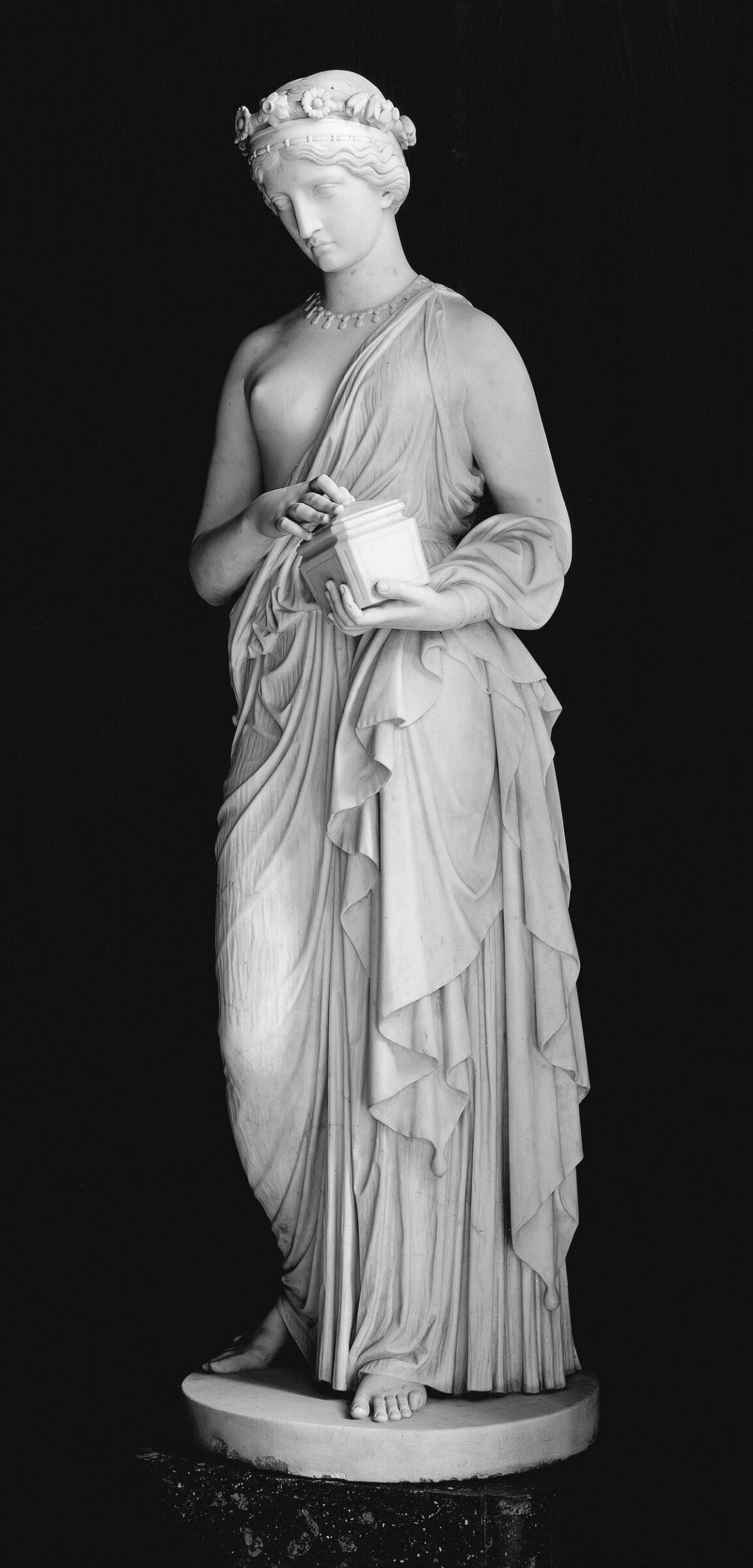
Pandora, John Gibson, 1856

John Gibson

Pandora, 1856

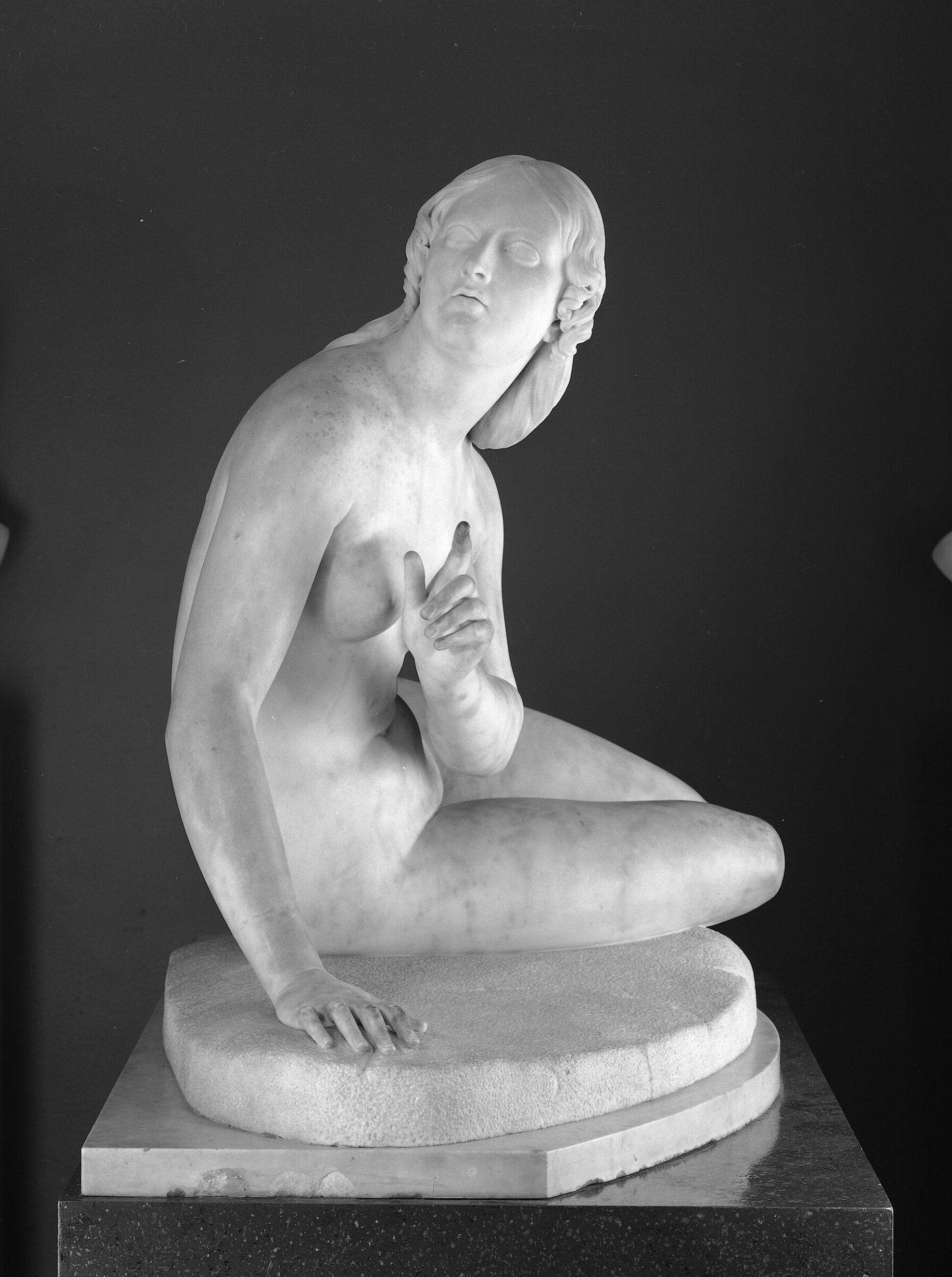
Eve listening to the voice, Edward Hodges Baily, 1842

Edward Hodges Baily

Eve listening to the voice, 1842

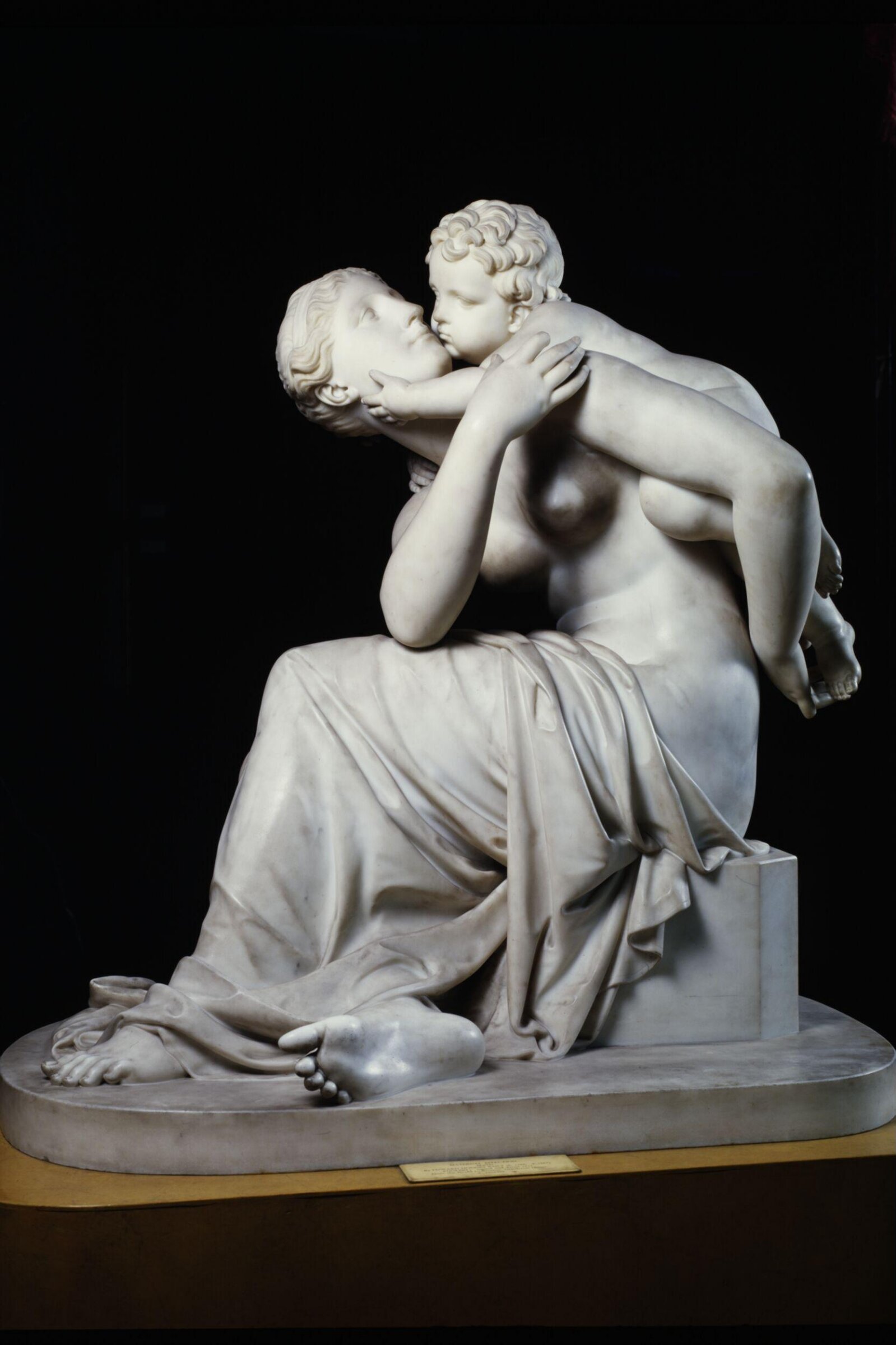
Maternal Affection, Edward Hodges Baily, 1837

Edward Hodges Baily

Maternal Affection, 1837

Catherine, Lady Stepney (d. 1845) as Cleopatra, Richard Cockle Lucas, ca. 1836

Richard Cockle Lucas

Catherine, Lady Stepney (d. 1845) as Cleopatra, ca. 1836

Nicolò Paganini, Henry Westmacott, 1832

Henry Westmacott

Nicolò Paganini, 1832

Cupid kindling the torch of Hymen, George Rennie, ca. 1831

George Rennie

Cupid kindling the torch of Hymen, ca. 1831