ART WIKI32,963 on view
MapCollectionArtistsMuseumsExhibitionsJournal
Sign in

ART WIKI

Where the masterpiece hangs, and when they let you in.

Collections: Art Institute of Chicago, Getty Villa, Harvard Art Museums, Hirshhorn Museum and Sculpture Garden, J. Paul Getty Museum, Minneapolis Institute of Art, Musée du Louvre, National Gallery of Art, National Museum of Asian Art, National Portrait Gallery (Smithsonian), Pushkin State Museum of Fine Arts, Rijksmuseum, Smithsonian American Art Museum, SMK — National Gallery of Denmark, State Hermitage Museum, State Russian Museum, The Cleveland Museum of Art, The Metropolitan Museum of Art, The Museum of Modern Art, Tretyakov Gallery, Victoria and Albert Museum, Whitney Museum of American Art, State Catalogue of the Museum Fund of Russia (274 museums), Europeana (19 museums), Wikidata (6 museums), Paris Musées (12 museums), and Joconde, the French Ministry of Culture's museum database (495 museums). Images belong to their rights holders.

Sections

  • Map
  • Search
  • Collection
  • Masterpieces
  • On view now
  • Artists

More

  • Museums & galleries
  • Exhibitions
  • Journal
  • Where the data comes from
  • Privacy & cookies
HomeMapBrowse
  1. Collection/
  2. Victoria and Albert Museum/
  3. Alexander I
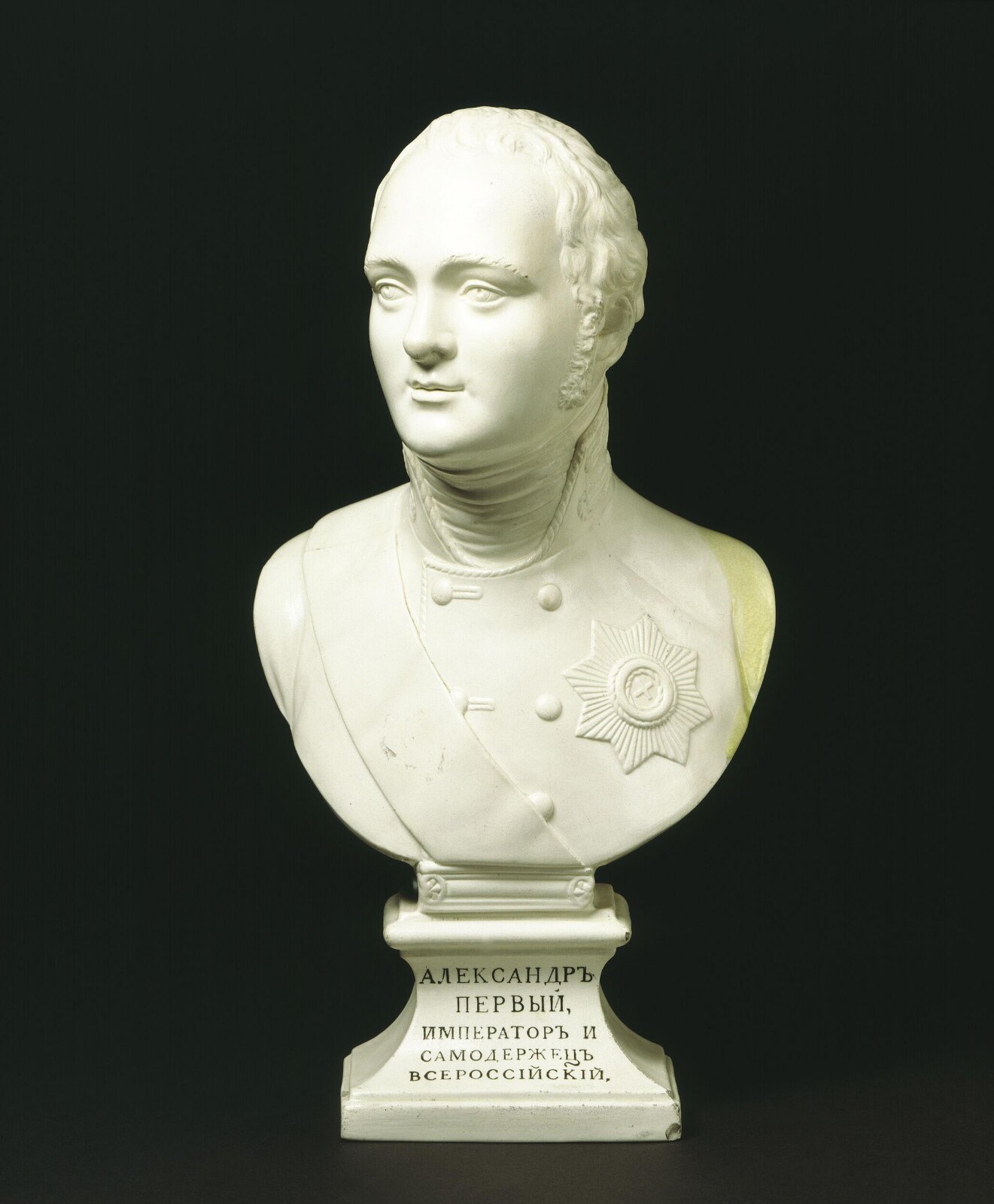
Alexander I, Herculaneum Factory, 1805-1810
HHerculaneum Factory

Alexander I

1805-1810 · Bust · 29.9 × 15.2 cm

May one see it?

Yes, receiving visitors

Victoria and Albert Museum

London, United Kingdom

RoomBritish Galleries, Room 118a

On public display.

Checked
12 days ago
In this state since
Sep 25, 2026
Source
The museum
On the mapMuseum page

About the sculpture

Object Type

Pottery busts, along with a huge variety of figures, became fashionable at the end of the 18th century. High-quality portrait busts such as this example were certainly copied from engravings.

Trade & Trading

The Russian market was important not only to potteries in Staffordshire and Yorkshire, which were linked to the port of Hull by the canal system, but even to the Herculaneum Pottery in Liverpool. Normally Russia would have depended largely on France for the supply of fine ceramics, but after the invasion of Russia by Napoleon and the burning of Moscow in 1812 , trade ties with Britain were strengthened, accompanied also by a wave of sympathy for the Russians. After Waterloo (1815), trade links between British potteries and Russia continued to grow, when large quantities of blue-printed earthenware were exported via factory agents in some of the principal cities.

Read on

Materials & Making

The porcellaneous white stoneware developed about 1805 perfectly reproduced fine detail. When left in the white, it successfully imitated marble, and when embellished by enamelling, was an ideal material for small-scale ceramic busts. It was not, however, widely used for this purpose, perhaps because it was too expensive for the mass market for small mantepiece ornaments. The material was used instead for a great variety of jugs and teapots.

Victoria and Albert Museum

Particulars

Accession number
C.215-1922

What it shows

Alexander (I)

In the catalog

SculptureNeoclassicismRomanticism19th centuryLiverpool

Sources

  • Victoria and Albert Museum
  • Image: Victoria and Albert Museum — © Victoria and Albert Museum, London
Neighbors at Victoria and Albert Museum

Museum page
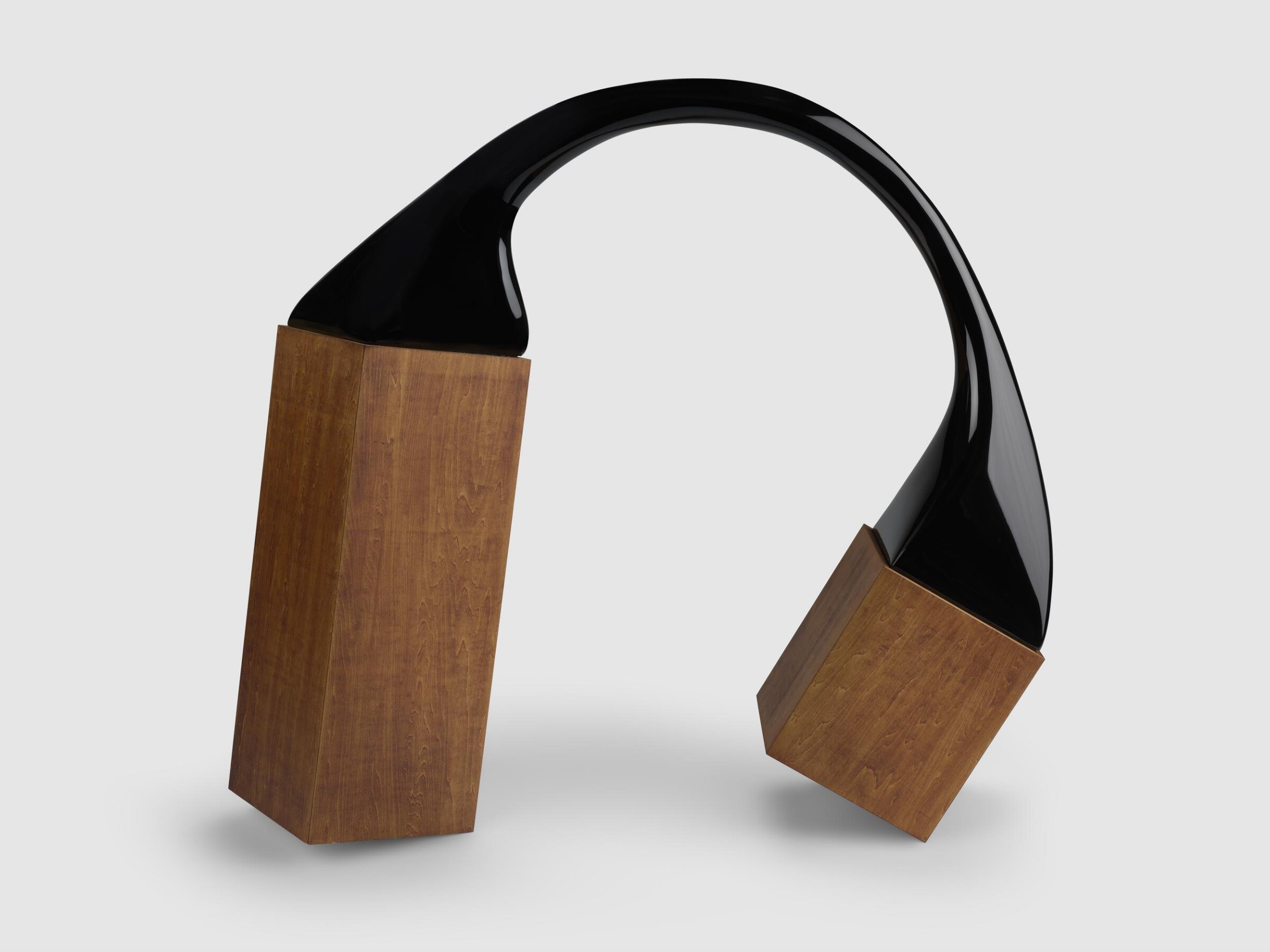
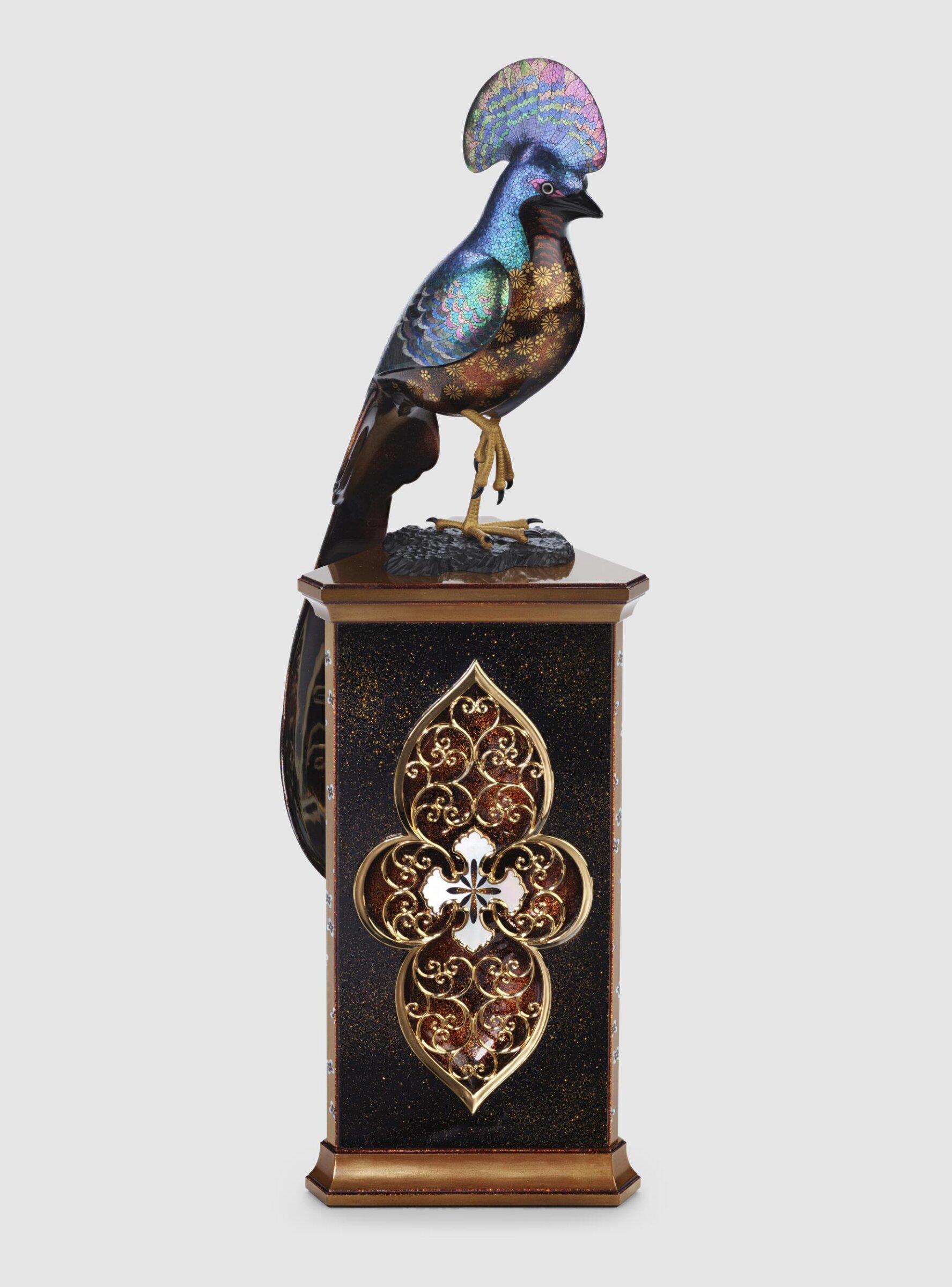
Bird of Paradise, Hashimoto Chitaka, 2026

Hashimoto Chitaka

Bird of Paradise, 2026

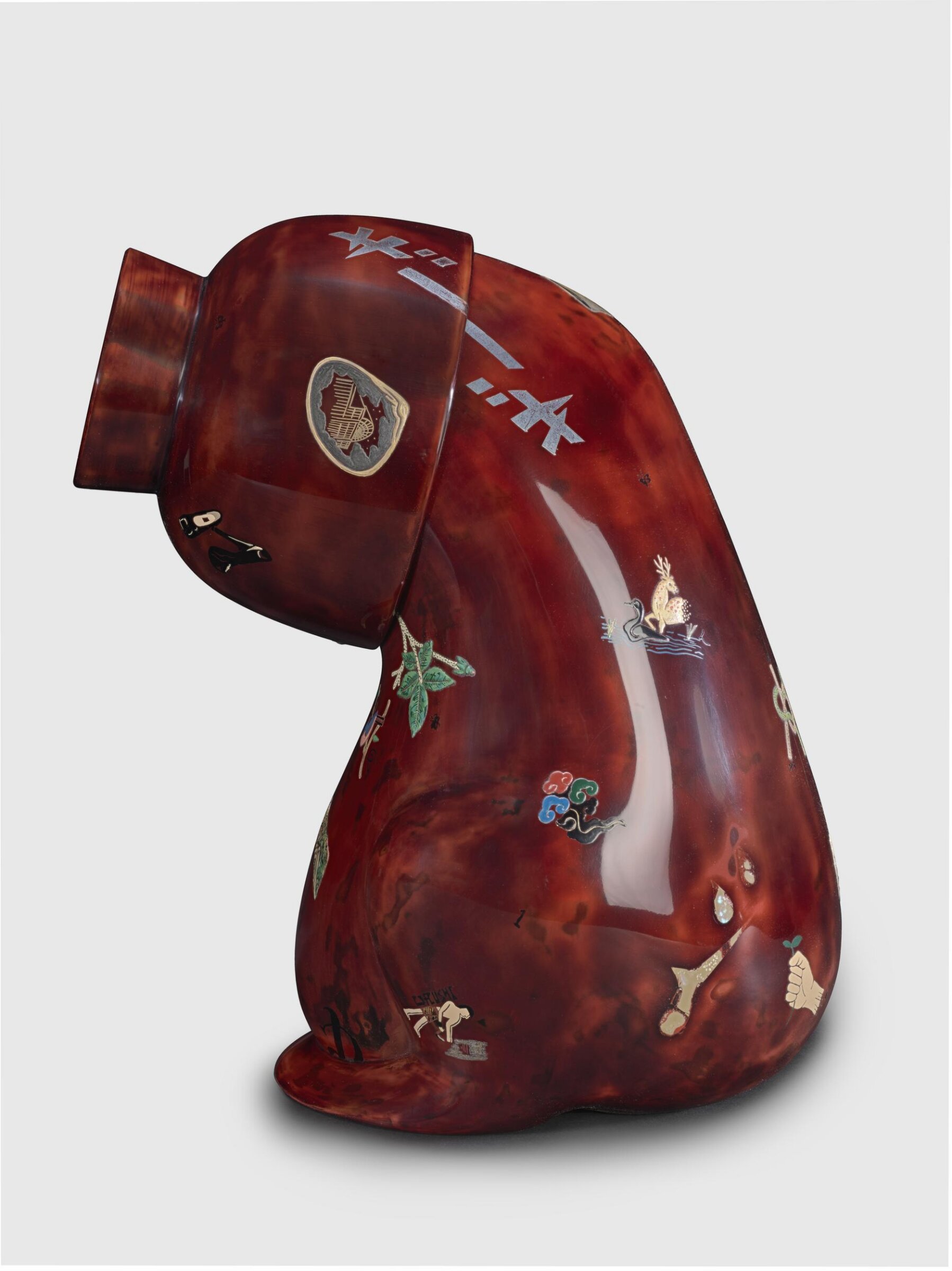
Torsion 2, Taruma Shoko, 2025

Taruma Shoko

Torsion 2, 2025

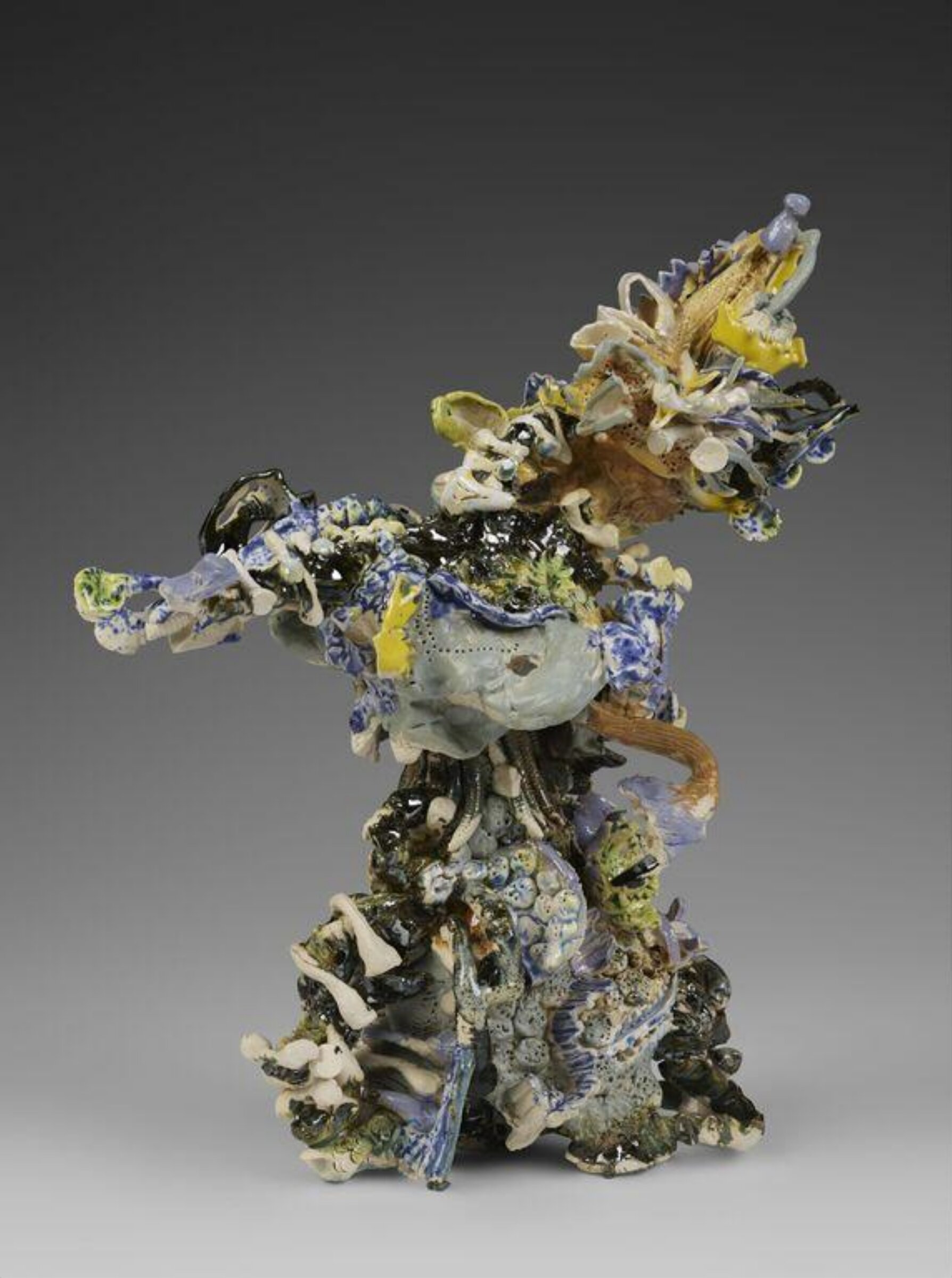
Fu, Someya Satoshi, 2025

Someya Satoshi

Fu, 2025

Bow Before the Curtain Falls, 2024

Bow Before the Curtain Falls, 2024

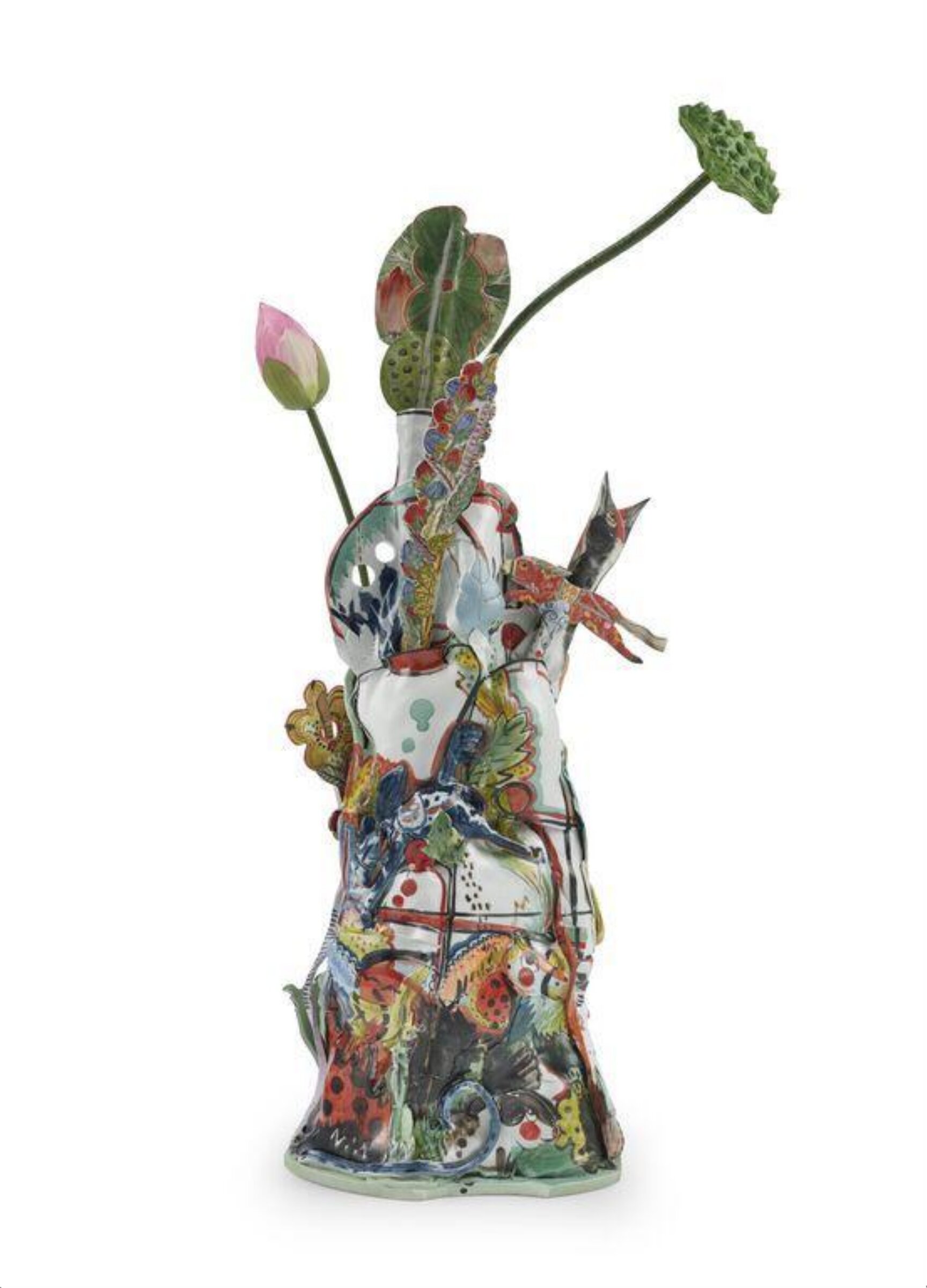
Summer, 2024

Summer, 2024

Red Flow, Ishizuka Genta, 2024

Ishizuka Genta

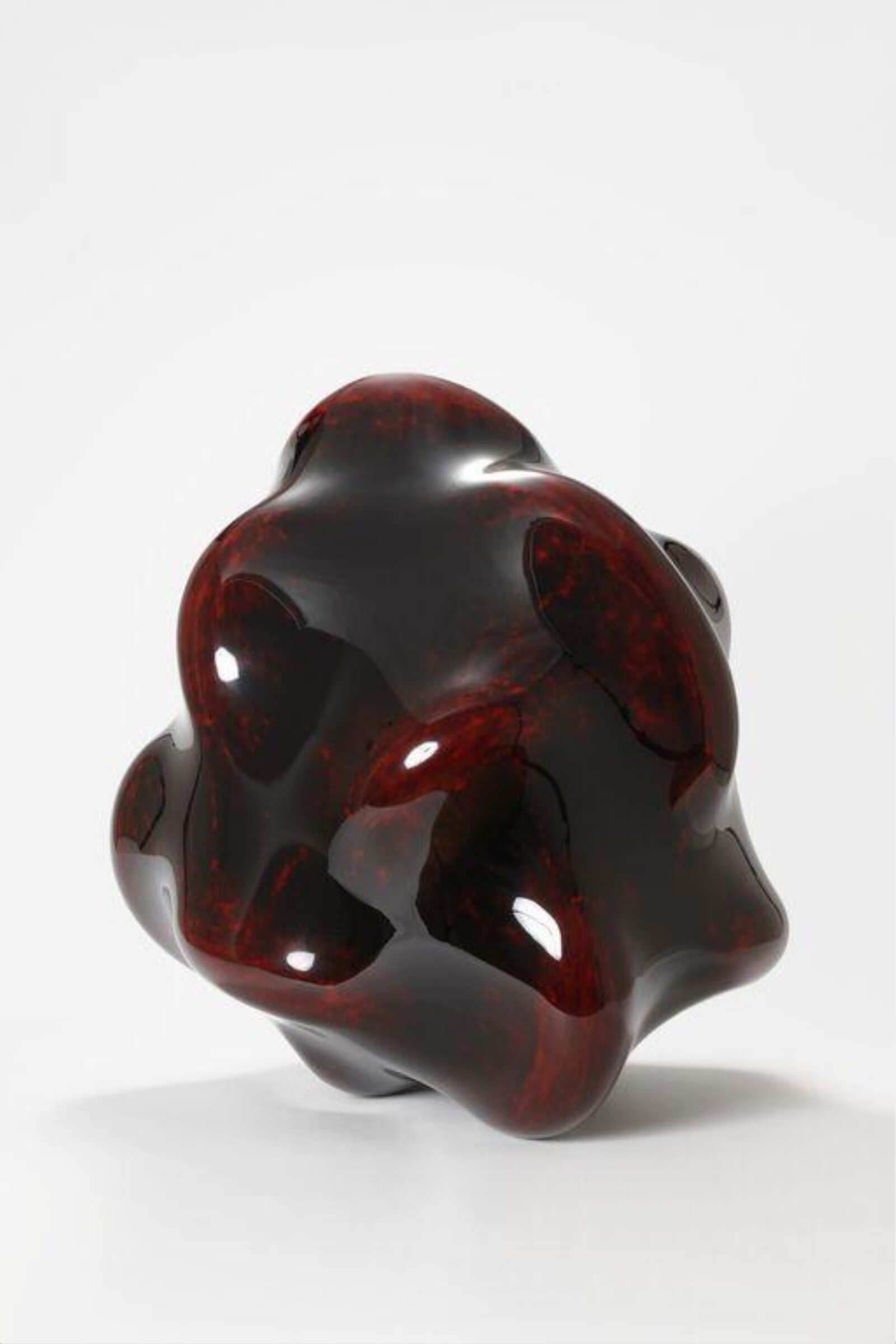
Red Flow, 2024

3D replica of Michelangelo's Prisoner (4117-1854), Factum Arte, 2024

Factum Arte

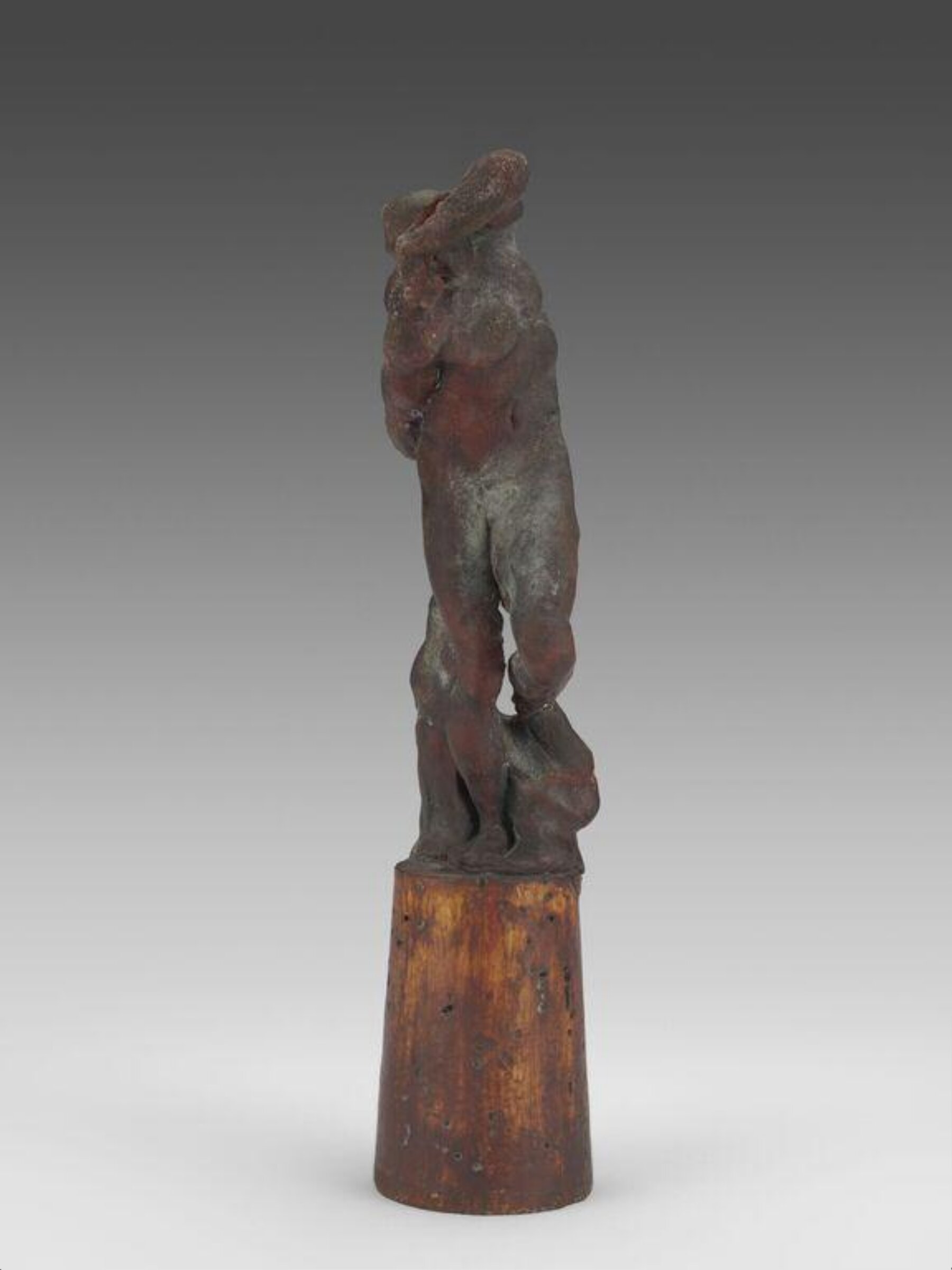
3D replica of Michelangelo's Prisoner (4117-1854), 2024

Sculpture, ‘Co-Existence – the Man and the Monkey’, Zhao Lin, 2024

Zhao Lin

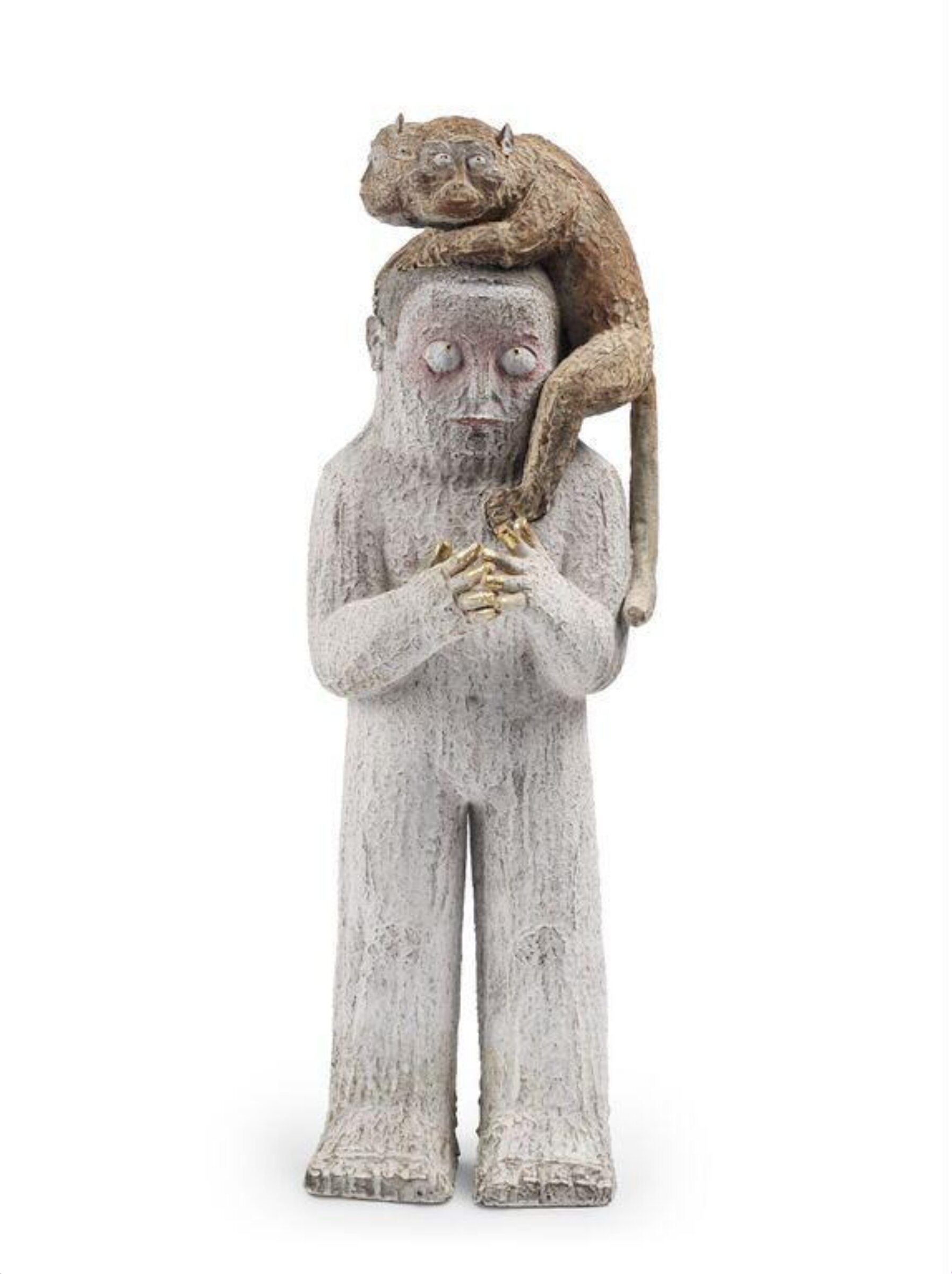
Sculpture, ‘Co-Existence – the Man and the Monkey’, 2024