 Beatrix Potter1866–1943
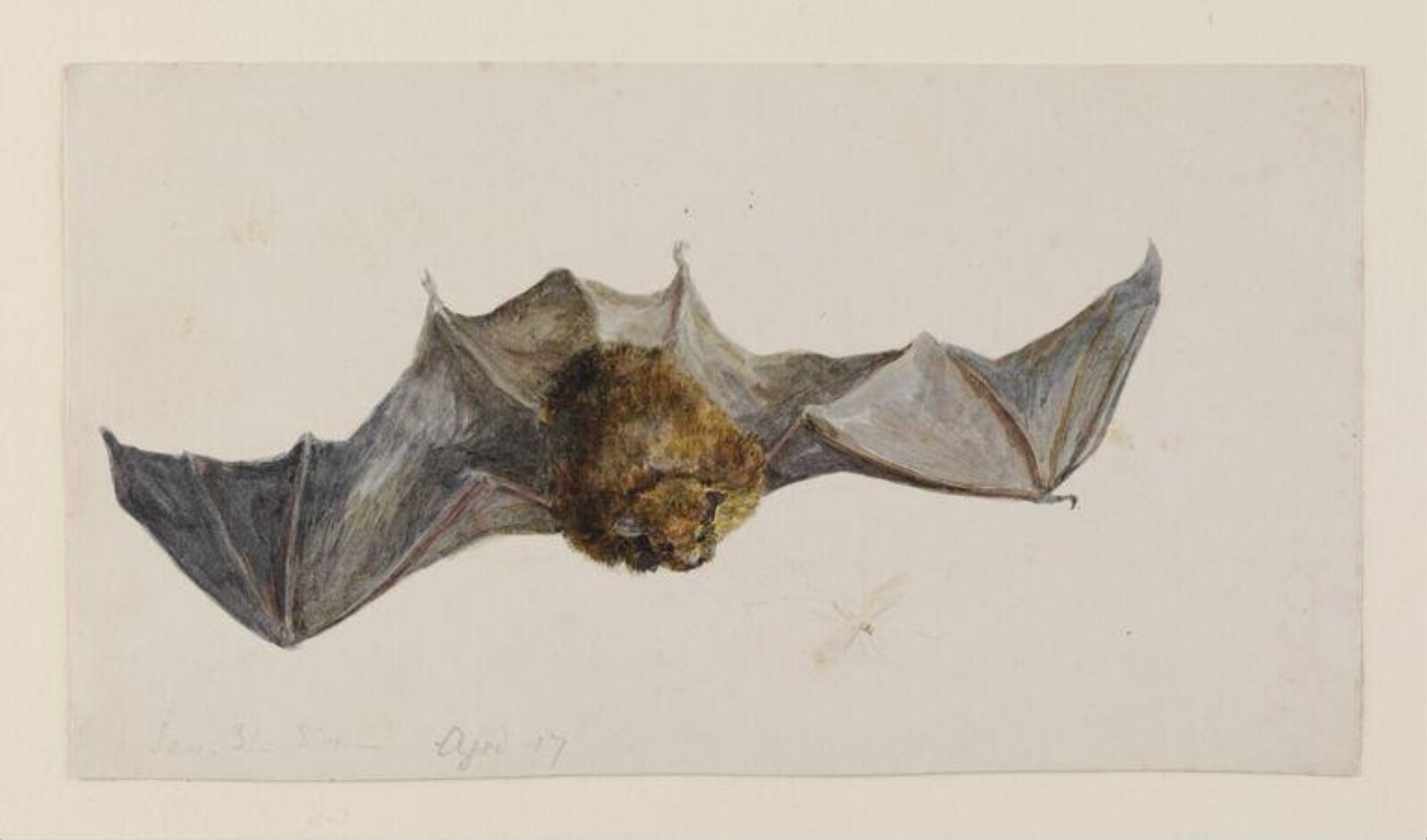
A bat seen from above
May one see it?
Not receiving at present

Victoria and Albert Museum
London, United Kingdom
It belongs to the collection, but is not on display at present.
- Checked
- In this state since
- Source
- The museum
About the work
Beatrix Potter (1866-1943) is one of the world's best-loved children's authors and illustrators. She wrote the majority of the twenty-three Original Peter Rabbit Books between 1901 and 1913. The Tale of Peter Rabbit (Frederick Warne, 1902) is her most famous and best-loved tale.
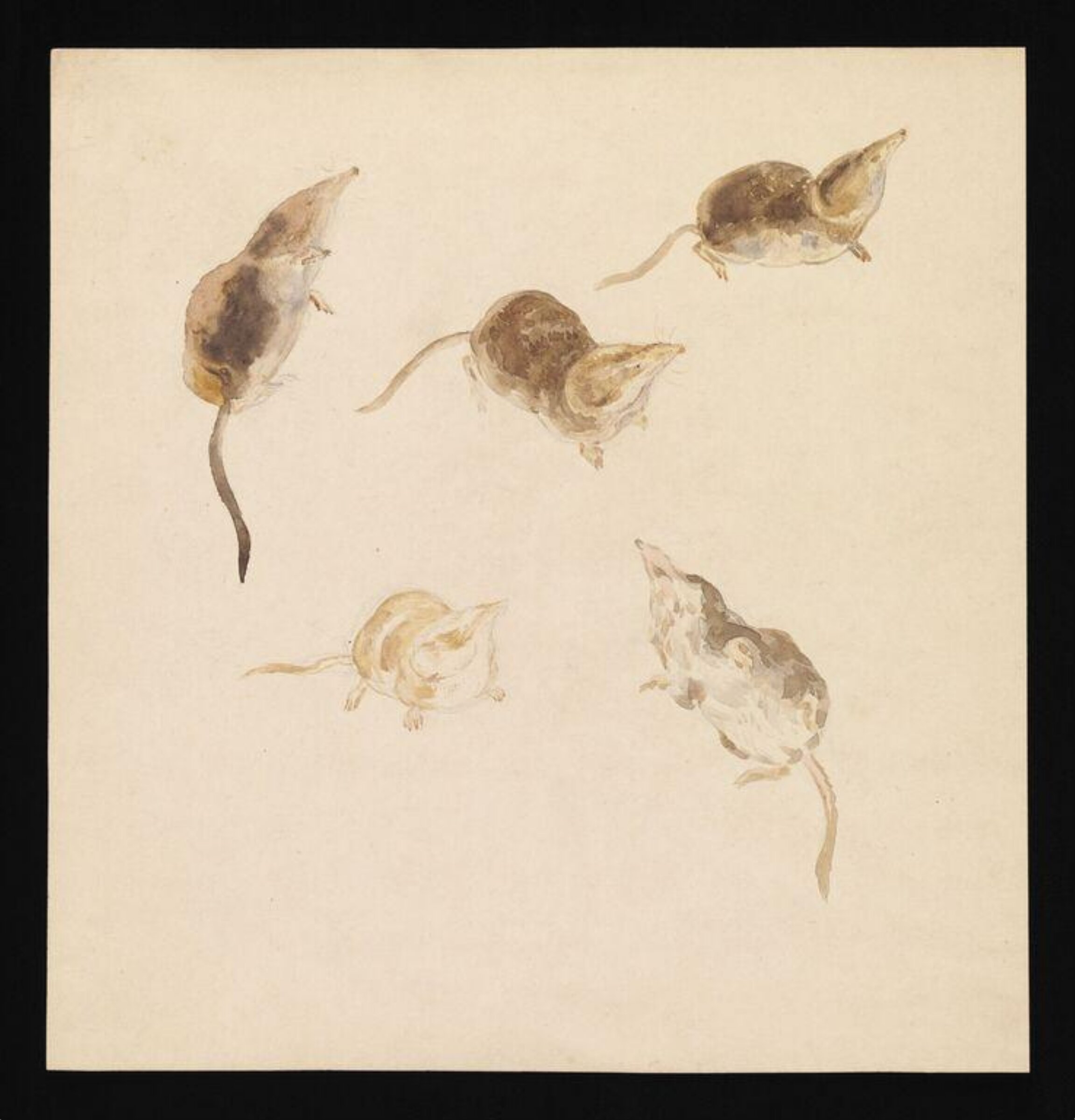
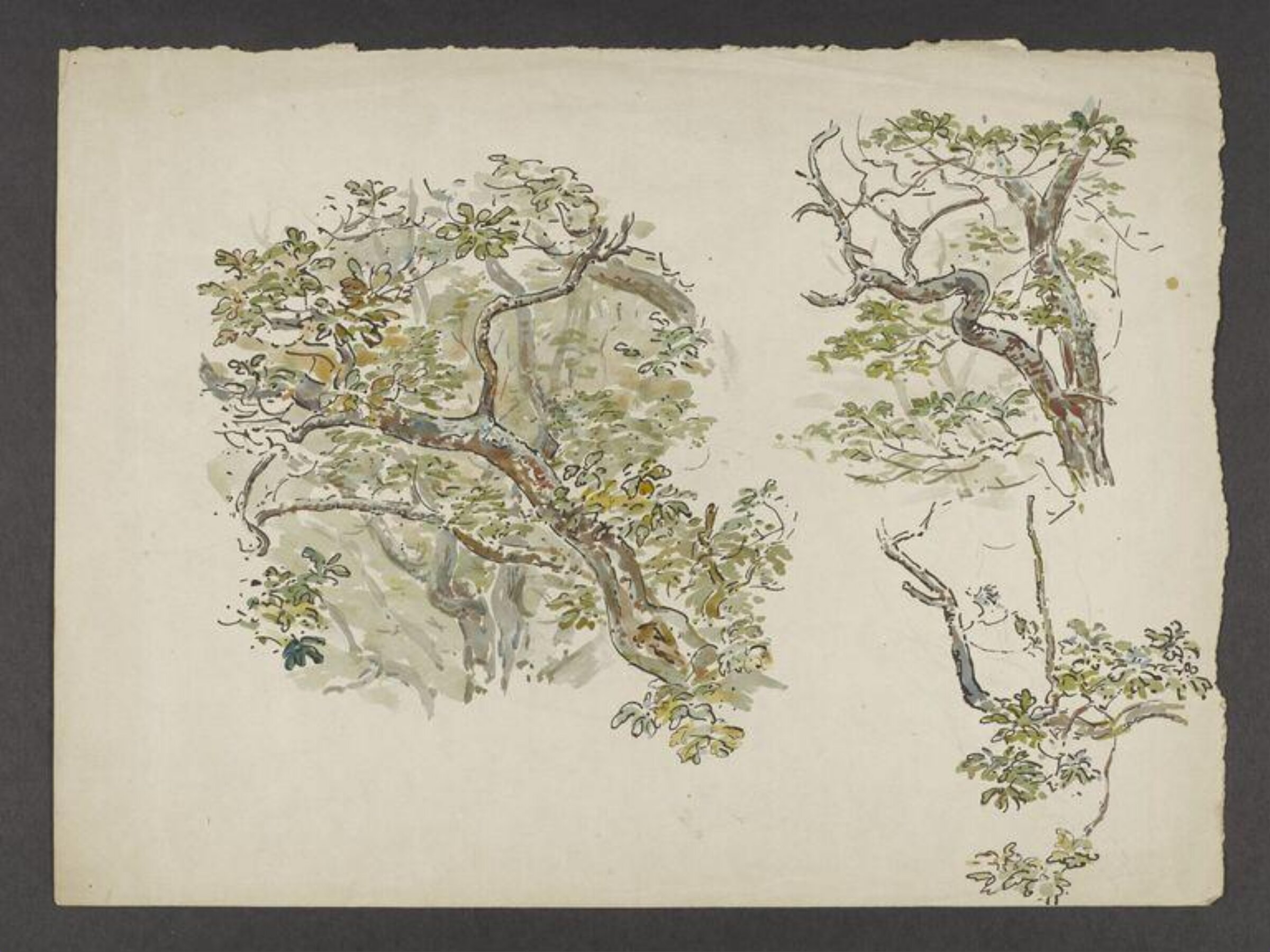
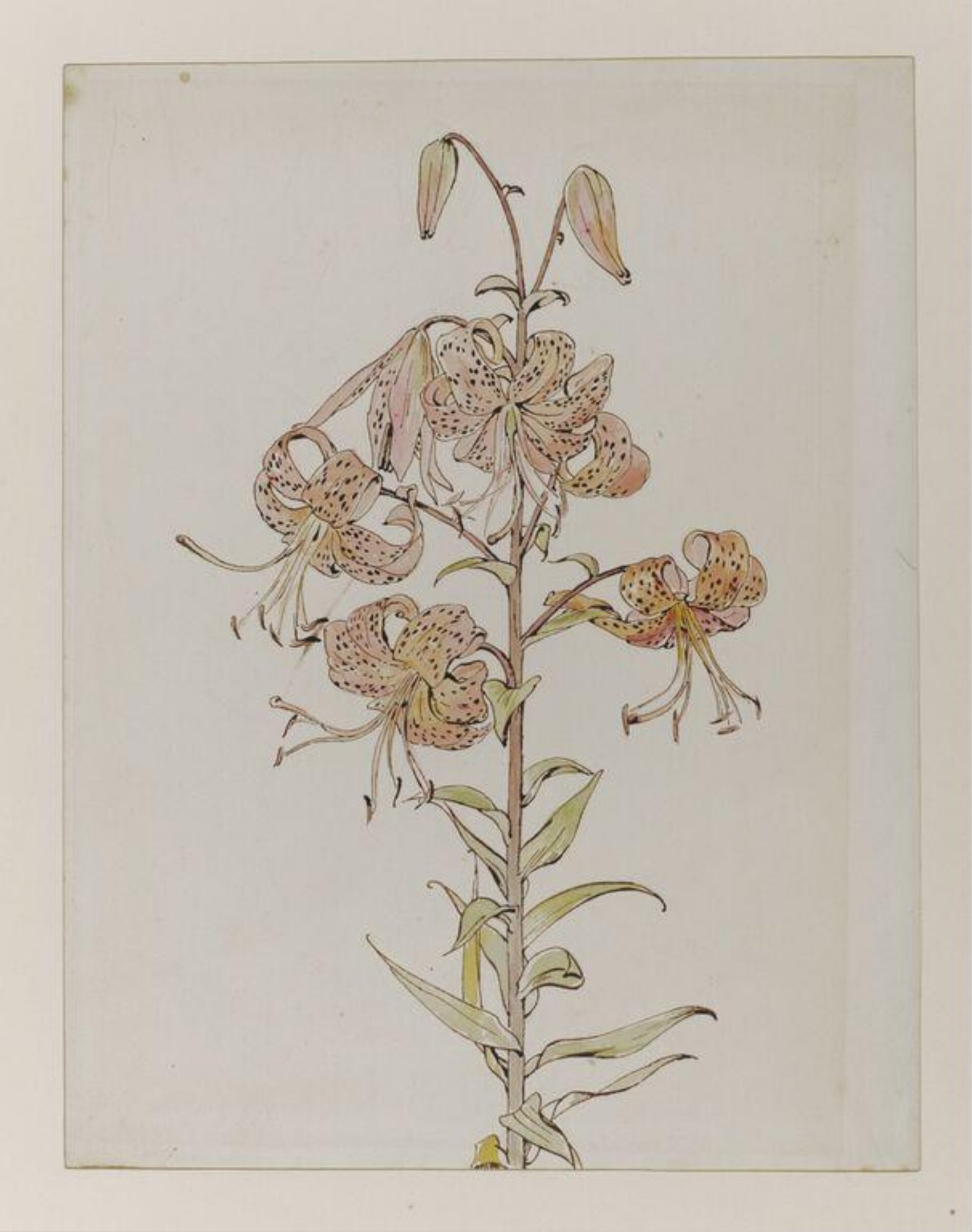
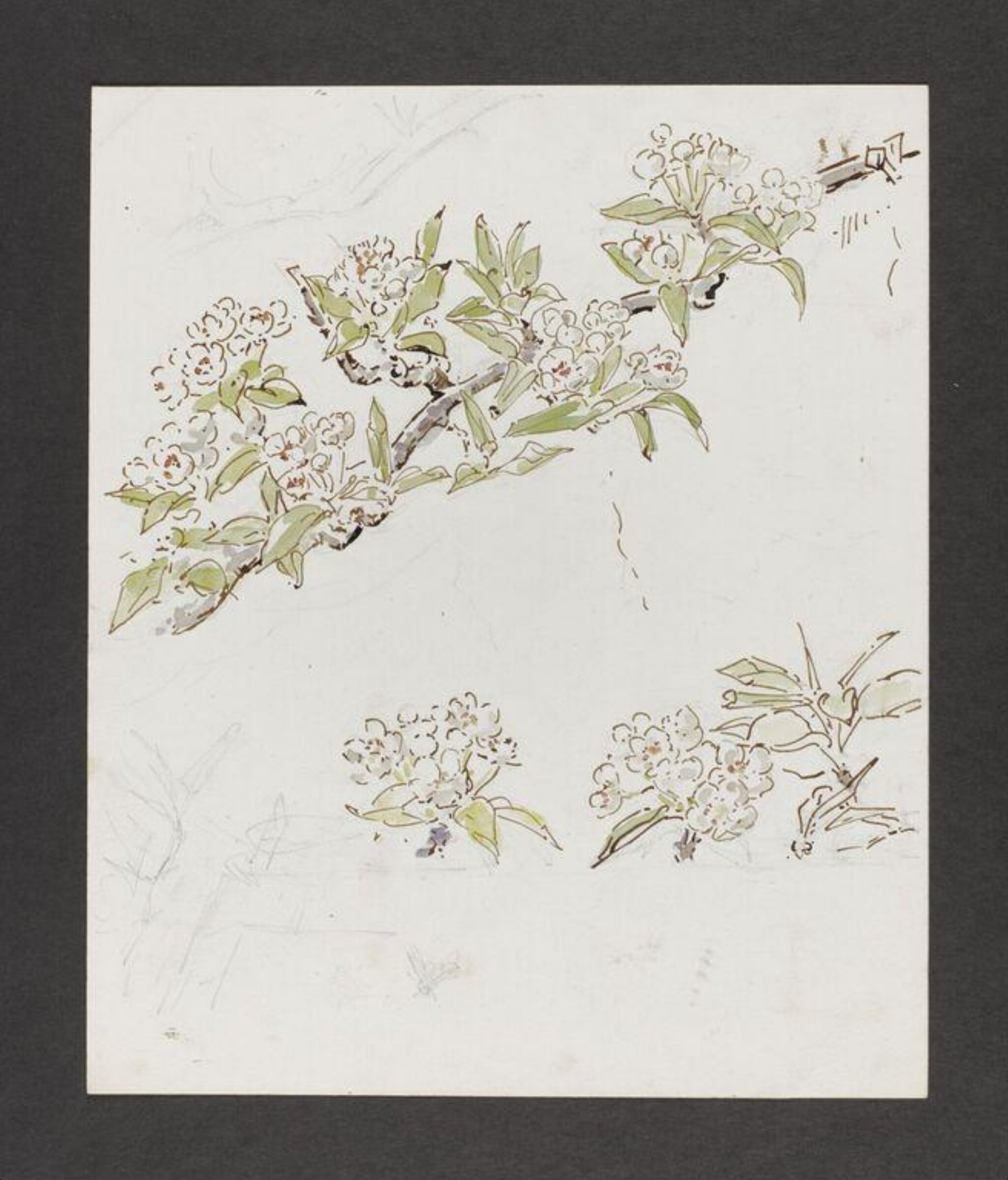
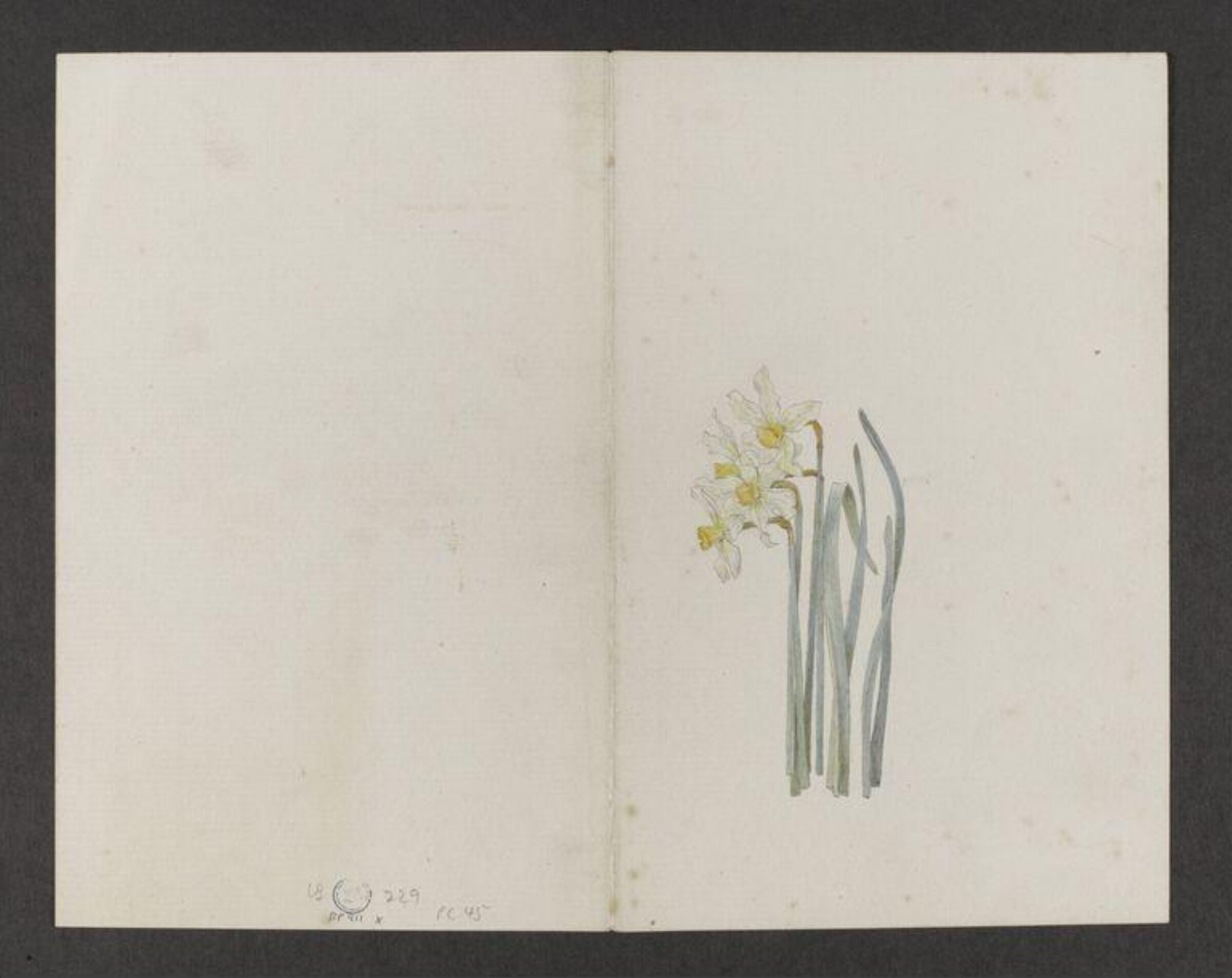
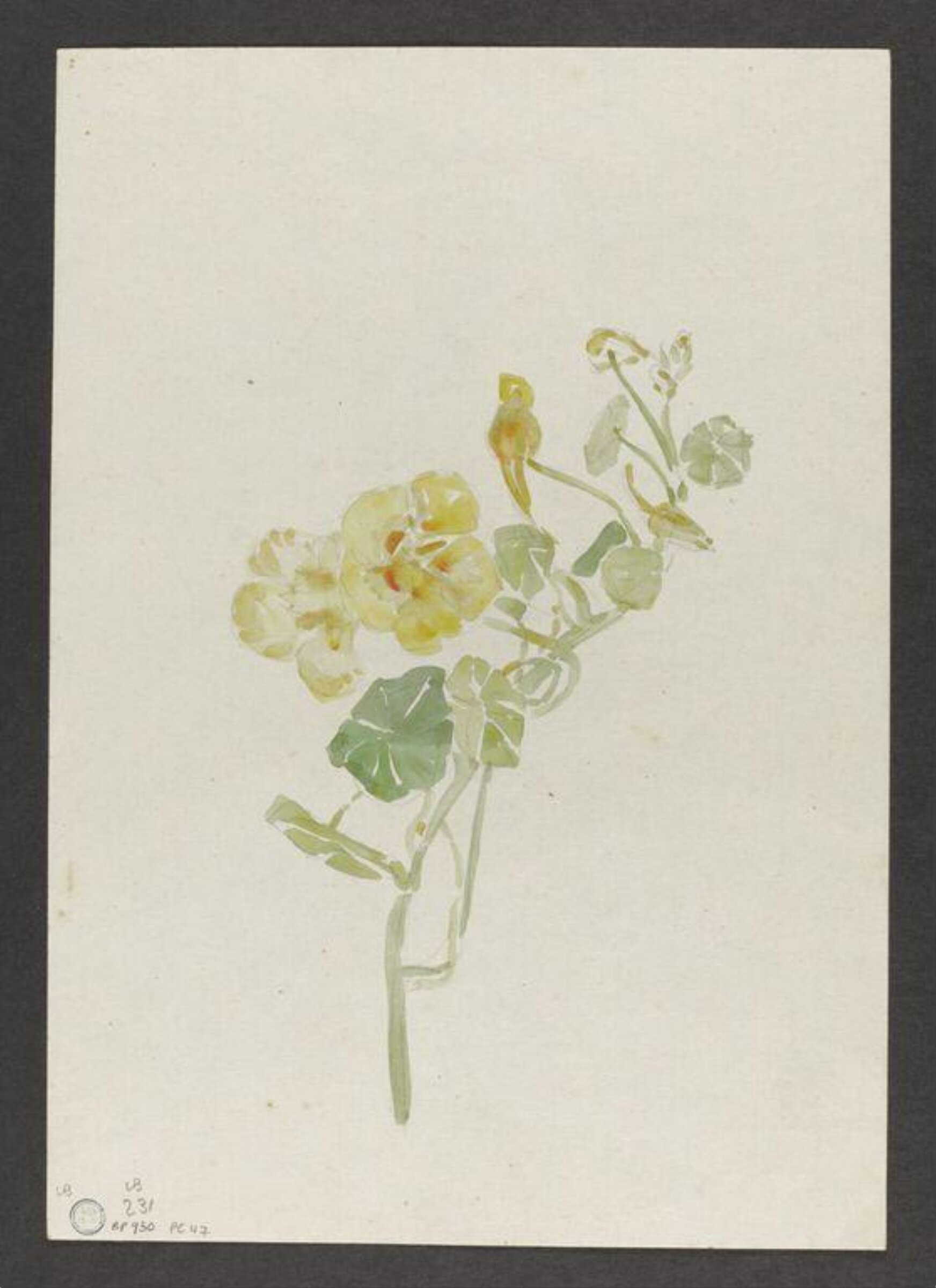
From early childhood Beatrix Potter spent time drawing the many pets that she kept in her schoolroom: over the years, her pets included lizards, snails, bats, mice, rabbits and many other animals. During the family’s long summer holidays to rural areas she also took the opportunity to draw the plants and animals she saw in the countryside. Even her earliest childhood drawings show a serious interest in natural history, her sketches annotated with information about the species concerned.
Read on
This view of a bat flying over an insect is dated 31 January 1884: on the same day, Potter made another study of the bat – for this related drawing see museum number BP.397(a). The drawings of bats in the Linder Bequest are dated between 1884 and 1887. In 1884 Beatrix described a pet bat owned by her brother in her journal: ‘Bertram went back to school September 16th. Leaving me responsibility of a precious bat. It is a charming little creature, quite tame and apparently happy as long as it has sufficient flies and raw meat. I fancy bats are things most people are pleasingly ignorant about. I had no idea they were so active on their legs, they are in fact provided with four legs and two wings as well, and their tail is very useful for trapping flies.’ That same year Bertram advised Beatrix how to kill and stuff the pet bat: ‘If he cannot be kept alive as I suppose he can’t, you had better kill him, & stuff him as well as you can. Be sure to take his measurements most carefully before you stuff him’.
Victoria and Albert Museum
Particulars
- Accession number
- BP.397(B)
What it shows
In the catalog
Sources
- Victoria and Albert Museum
- Image: Victoria and Albert Museum — © Victoria and Albert Museum, London
Meanwhile, in the life of Beatrix Potter
The whole lifein youth
The Royal Academy and John Everett Millais
In her teens Beatrix was a regular visitor to London’s art galleries, especially enjoying the Royal Academy’s summer and winter exhibitions; her journal shows the growth of her taste and critical eye. She was also influenced by her father’s friend, the painter Sir John Everett Millais, who recognised her gift of observation.
1881–1897
A journal in a cipher of her own
From 1881 Beatrix kept a journal in a simple substitution cipher of her own devising — in tiny handwriting, serving as both sketchbook and literary experiment, in which she described society, her impressions of art and the life around her. The entries stop in 1897, when her energies were absorbed in scientific study and in efforts to publish her drawings.
1882
The Lake District and Hardwicke Rawnsley
When Dalguise was no longer available, the Potters spent their first summer in the Lake District in 1882, at Wray Castle near Lake Windermere; sixteen-year-old Beatrix fell in love with its beauty and resolved to live there one day. There she met Hardwicke Rawnsley, the vicar of Wray and later founding secretary of the National Trust, whose views on the countryside left a lasting mark on her.