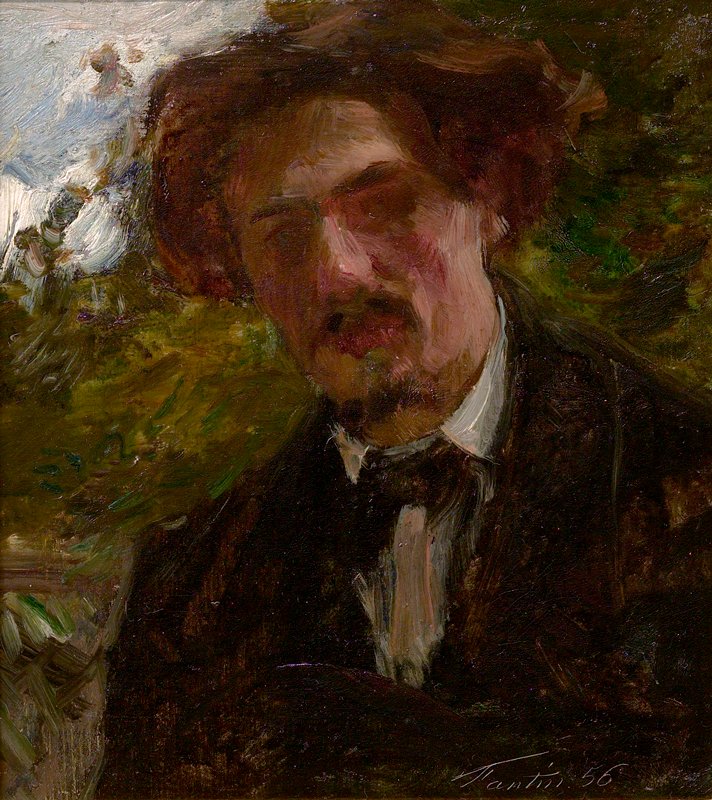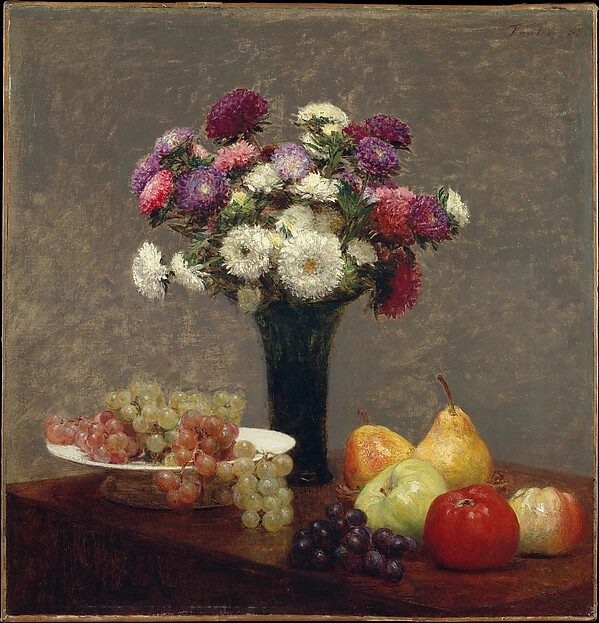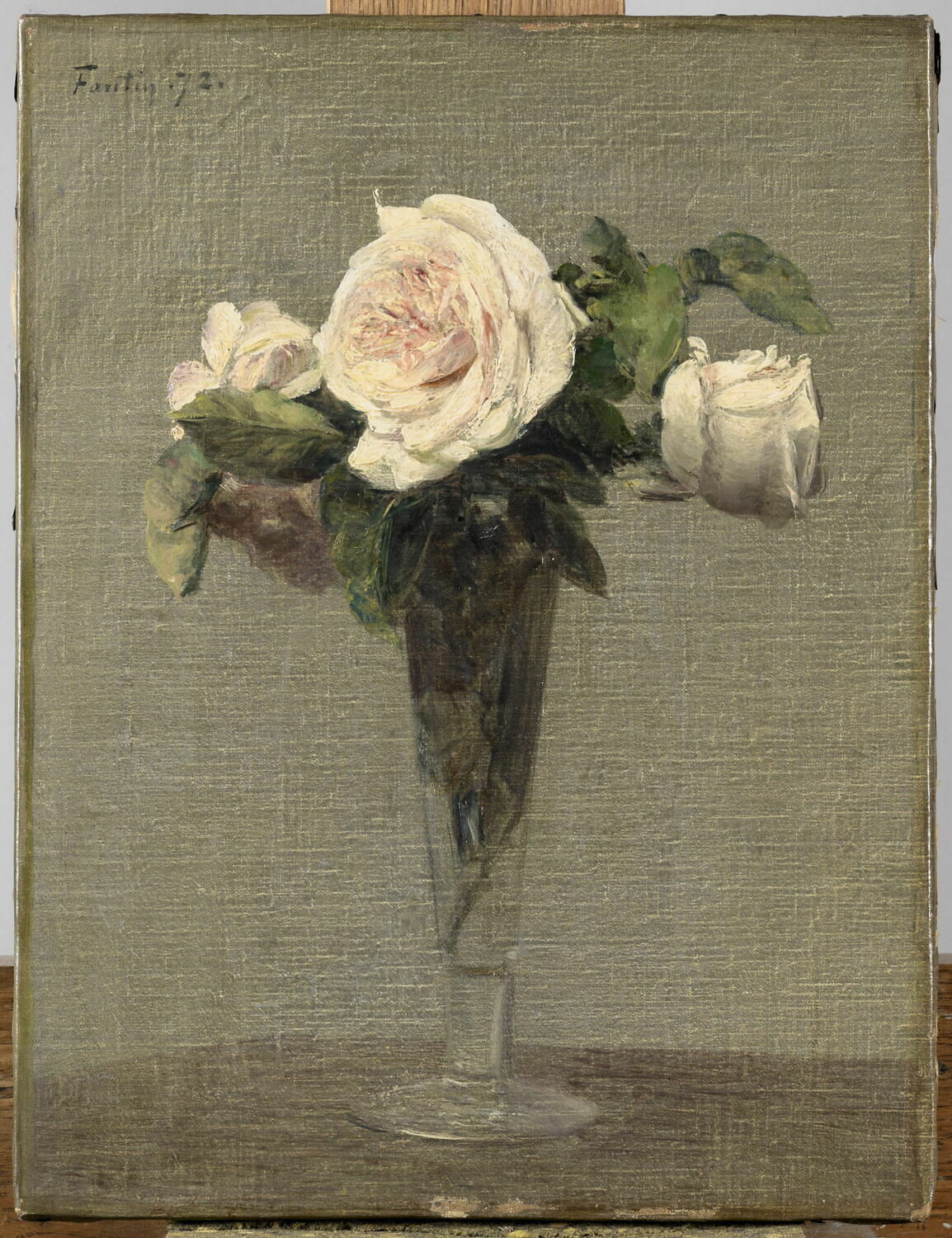
 Henri Fantin-LatourFrench, 1836–1904
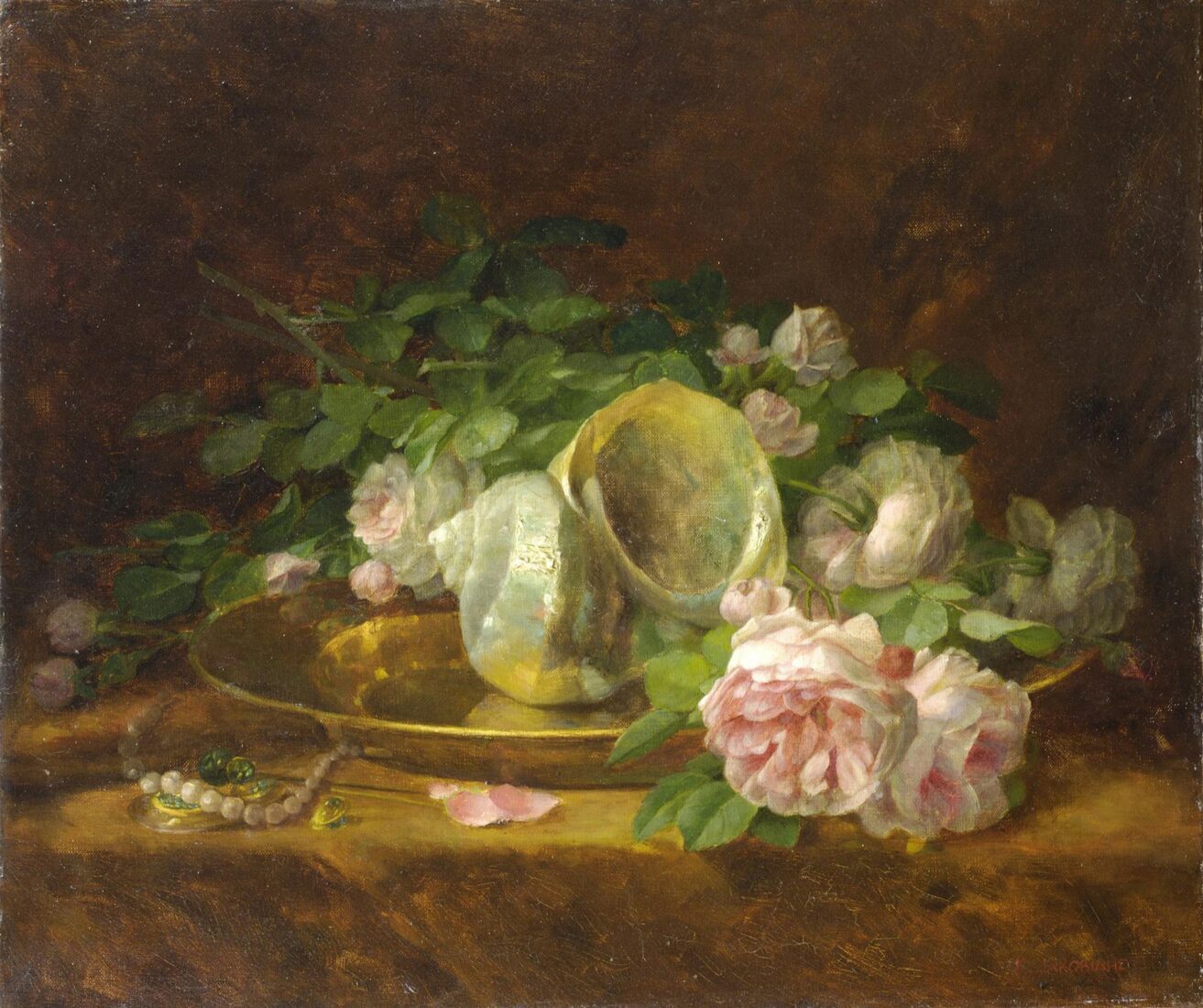
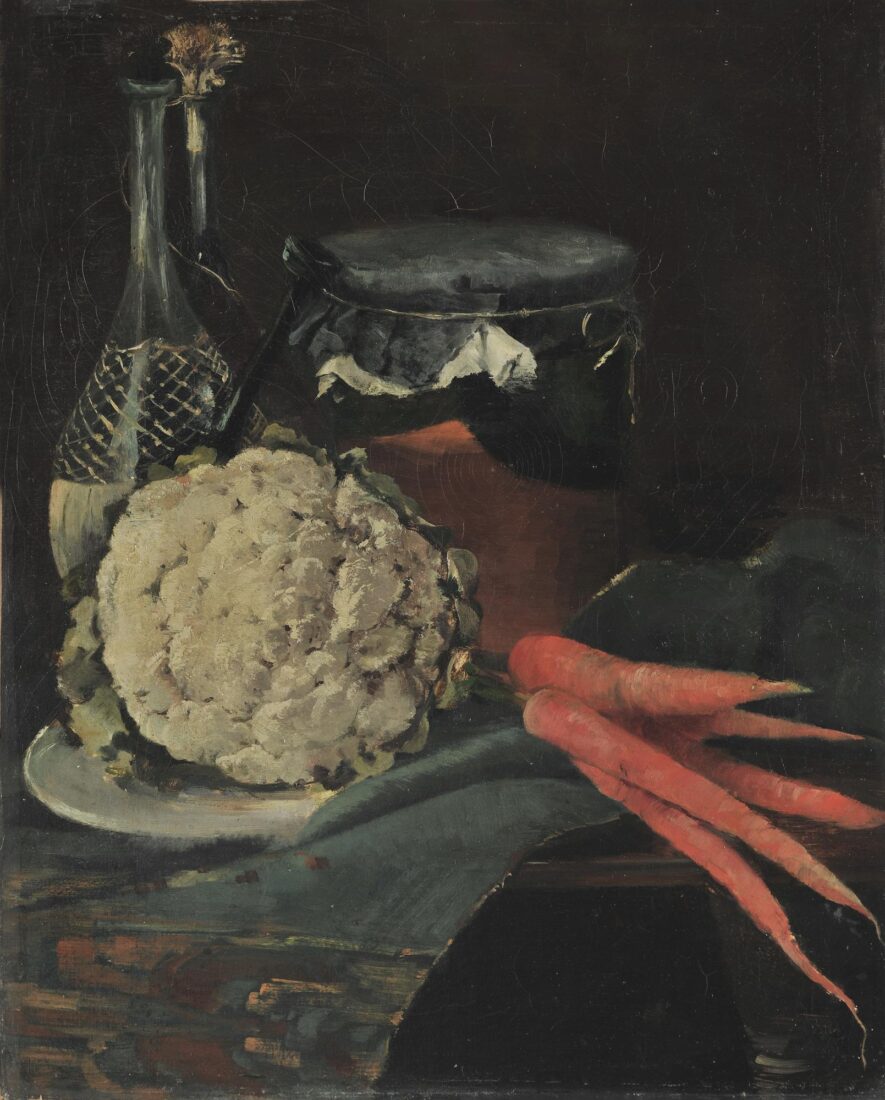
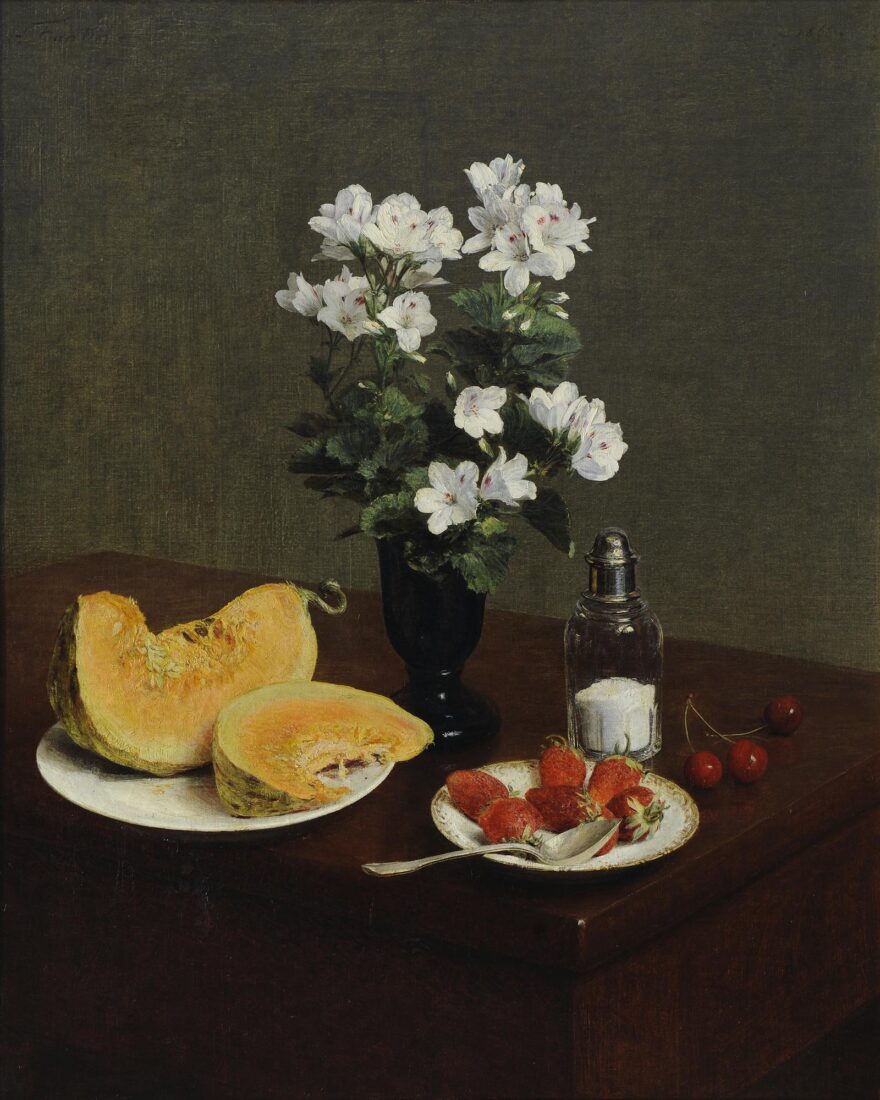
Νεκρή φύση με φρούτα και λουλούδια
May one see it?
Unknown

National Gallery – Alexandros Soutsos Museum
Athens, Greece
The owner is known; whether it is on view today is not.
- In this state since
- Source
- The museum
Particulars
Meanwhile, in the life of Henri Fantin-Latour
The whole life1859–1881
Stays in London at Whistler's invitation
At Whistler's invitation Fantin-Latour stayed in London several times between 1859 and 1881 and found many admirers in England for his still lifes of flowers and fruit. Whistler introduced him to his brother-in-law Francis Seymour Haden and the engraver Edwin Edwards; it was in London that Fantin learned etching.
1860s
Still lifes bring recognition in England
In the 1860s Fantin-Latour cultivated the still life, a genre that would play a capital role in his career. His flowers and fruit found recognition in England, while in France they were said to be practically unknown during his lifetime; his English patrons and dealers Edwin and Ruth Edwards advised him to use simple vases and table tops to show off his gift for rendering texture and colour.
July – October 1864
Third trip to England: still lifes and commercial success
During his third trip to England, from July to October 1864, Fantin-Latour again painted still lifes there and enjoyed commercial success.
1865
Letter to Edwards: “We form a group”
In 1865 Fantin wrote to Edwin Edwards that he and his fellow painters formed a group and made noise, because there were many painters and one was easily forgotten, while together they grew in numbers and became more adventurous. “I thought it could last, it was my mistake,” he admitted.
1867
The Japanese Jinglar Society