Frank StellaΗνωμένες Πολιτείες Αμερικής, 1936–2024
Wolfeboro
Μπορώ να το δω;
Δεν εκτίθεται αυτή την περίοδο
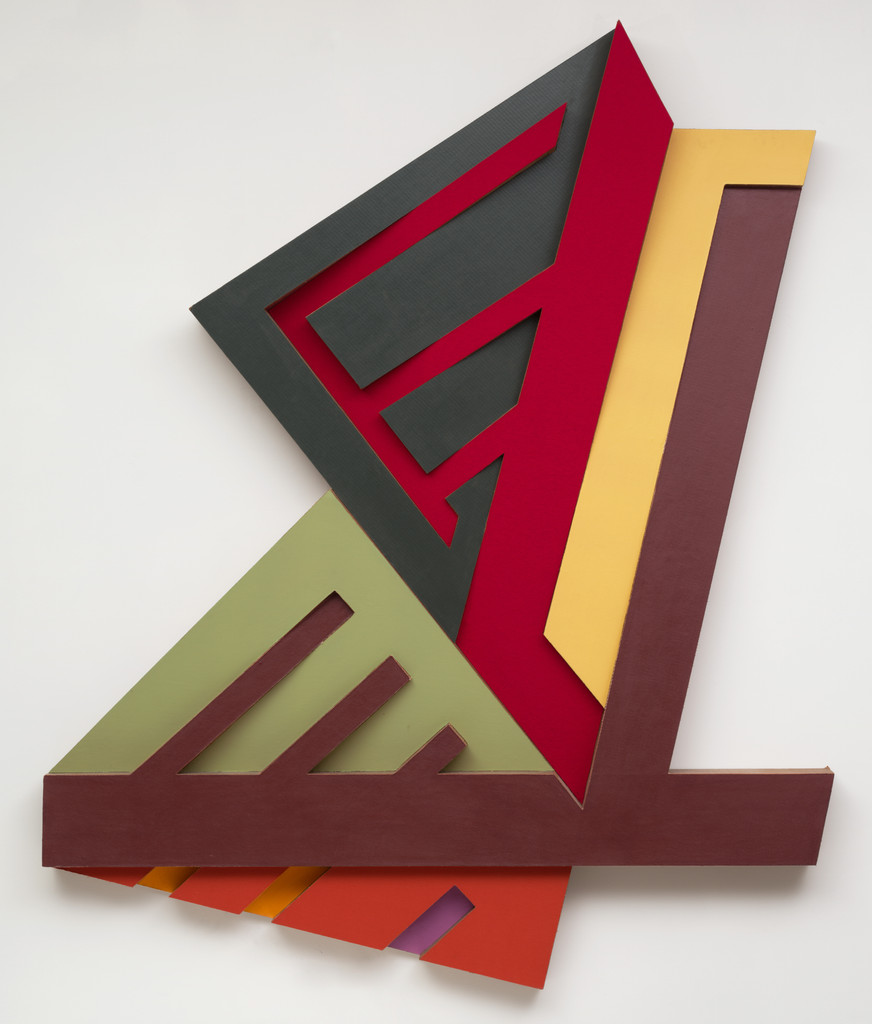
Πού βρίσκεται τώρα το έργο «Wolfeboro»; Συλλογή: Εθνική Πινακοθήκη της Ουάσιγκτον, Ουάσινγκτον. Δεν εκτίθεται αυτή την περίοδο. Ελέγχθηκε 2 Νοεμβρίου 2026.

Ουάσινγκτον, Ηνωμένες Πολιτείες Αμερικής
Ανήκει στη συλλογή, αλλά δεν εκτίθεται αυτή την περίοδο.
- Ελέγχθηκε
- Σε αυτή την κατάσταση από
- Πηγή
- Το μουσείο
Στοιχεία
- Αριθμός καταλόγου
- 1981.5.264
Τι απεικονίζει
Στον κατάλογο
Πηγές
- Εθνική Πινακοθήκη της Ουάσιγκτον
- Εικόνα: Εθνική Πινακοθήκη της Ουάσιγκτον — © the artist or rights holder
Στη ζωή του καλλιτέχνη: Frank Stella
Όλη η ζωή1960s
Travels in the Middle East
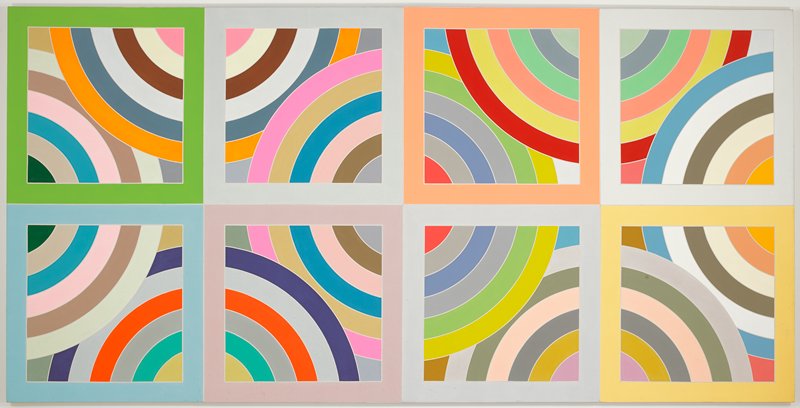
He visits circular-plan cities in the Middle East and is especially intrigued by the arches and decorative patterns he sees in the architecture and art of Iran; these cities will later give their names to works of the Protractor series.
27 Ιουνίου 1968 – 6 Οκτωβρίου 1968
Exhibition: 4. documenta
1970
Retrospective at the Museum of Modern Art
The Museum of Modern Art in New York presents a retrospective of Stella's work, making him the youngest artist to receive one.
1970
Boycott of the American Pavilion in Venice
Invited to the 35th Venice Biennale, Stella joins a boycott by artists opposed to the US wars in Vietnam and Cambodia and withdraws his works from display at the American Pavilion.
1970s
Introduces relief: “maximalist” painting
He brings relief into his work and calls such painting “maximalist” for its sculptural qualities; in the Eccentric Polygon series the shaped canvases take on still less regular forms and collage elements appear, such as pieces of canvas glued to plywood, and aluminum then becomes the main support of his paintings.
mid-1970s
Abandons rational structures
In the mid-1970s Stella abandons rational structures and explores new, individualistic paths: solid planes give way to squiggles, lattices and swirls of color, composite elements project from his canvases in all directions, and his wall-mounted paintings evolve into outlandish sculptures. Through the 1970s and 1980s his minimalism becomes baroque.