William Henry Fox TalbotΑγγλία, 1800–1877
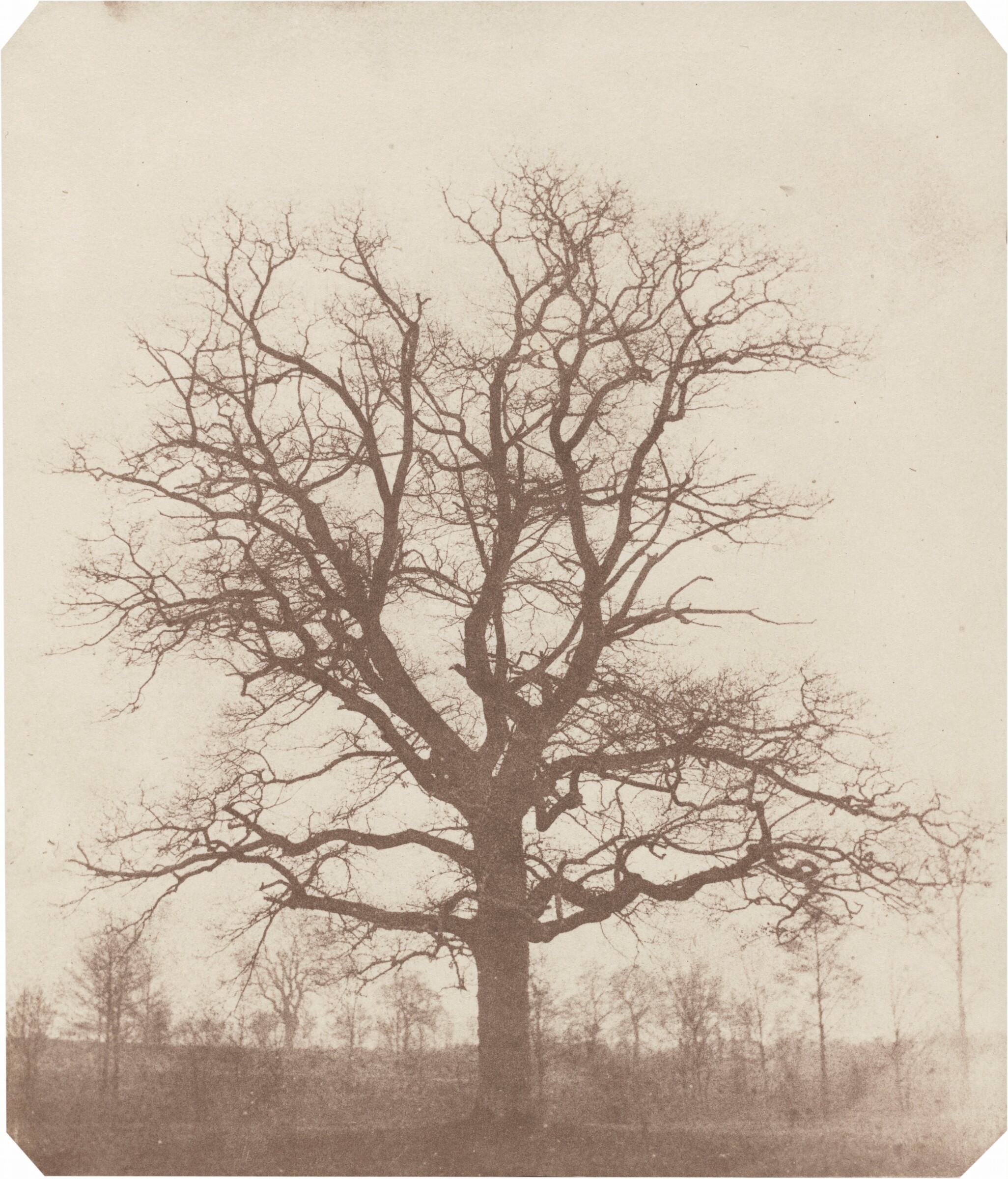
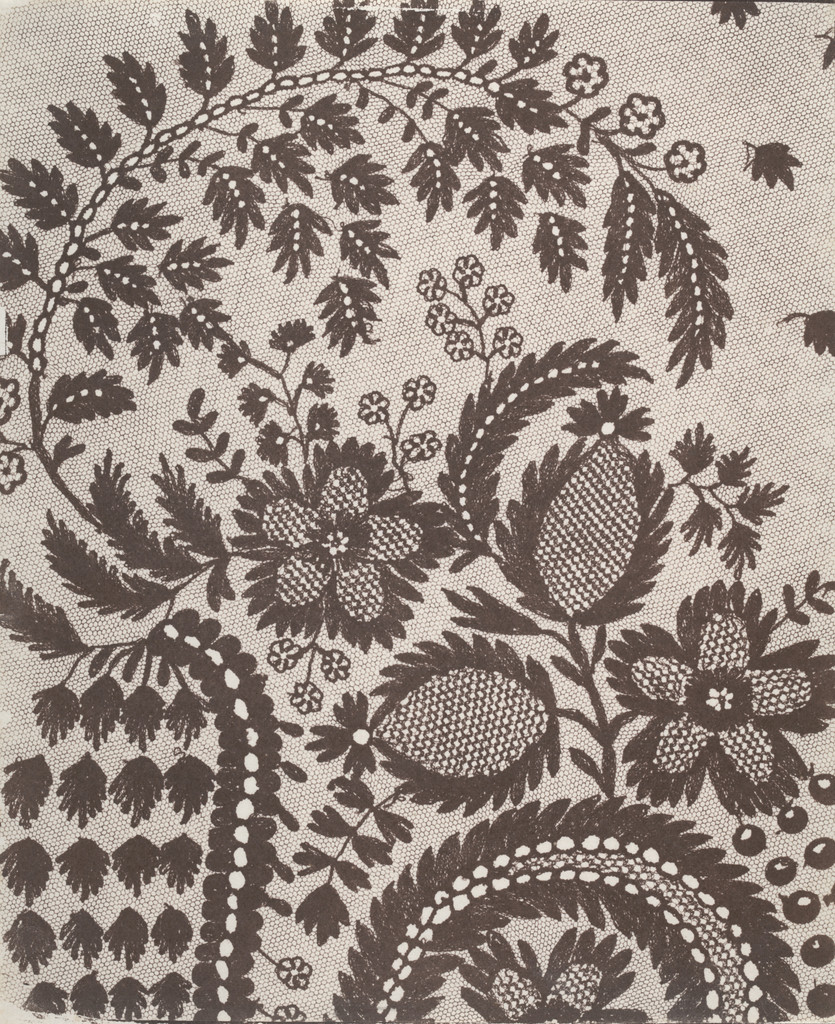
Wheat
Μπορώ να το δω;
Δεν εκτίθεται αυτή την περίοδο
Πού βρίσκεται τώρα το έργο «Wheat»; Συλλογή: Μουσείο Μοντέρνας Τέχνης, Νέα Υόρκη. Δεν εκτίθεται αυτή την περίοδο. Ελέγχθηκε 27 Οκτωβρίου 2026.

Νέα Υόρκη, Ηνωμένες Πολιτείες Αμερικής
Ανήκει στη συλλογή, αλλά δεν εκτίθεται αυτή την περίοδο.
- Ελέγχθηκε
- Πηγή
- Το μουσείο
Στοιχεία
- Αριθμός καταλόγου
- 372.1938
Στον κατάλογο
Πηγές
- Μουσείο Μοντέρνας Τέχνης
- Εικόνα: Μουσείο Μοντέρνας Τέχνης — © the artist or rights holder
Στη ζωή του καλλιτέχνη: William Henry Fox Talbot
Όλη η ζωή1822–1872
Half a century of papers for the Royal Society
From 1822 to 1872 Talbot communicated papers to the Royal Society of London, a large share of them on mathematical subjects.
1852
Dichromated gelatine: the basis of carbon printing
Talbot discovered that gelatine treated with potassium dichromate (a sensitiser introduced by Mungo Ponton in 1839) becomes less soluble on exposure to light. This later gave rise to carbon printing, and dichromated gelatine is still used in laser holography.
August 1852
An open letter in The Times against the patent
Lord Rosse, President of the Royal Society, and Charles Lock Eastlake, President of the Royal Academy, called on Talbot to ease the patent pressure that was stifling photography. Talbot waived the fees for amateurs but went on suing professional portrait photographers.
1854
The case of Talbot v. Laroche
Talbot sought to extend his 14-year patent while the court heard his suit against the photographer Martin Laroche: the jury upheld the patent but found that Laroche, working in collodion, did not infringe it. Disappointed, Talbot chose not to extend the patent.