László Moholy-NagyΗνωμένες Πολιτείες Αμερικής, 1895–1946
Untitled
Μπορώ να το δω;
Δεν εκτίθεται αυτή την περίοδο
Πού βρίσκεται τώρα το έργο «Untitled»; Συλλογή: Art Institute of Chicago, Σικάγο. Δεν εκτίθεται αυτή την περίοδο. Ελέγχθηκε 9 Νοεμβρίου 2026.

Σικάγο, Ηνωμένες Πολιτείες Αμερικής
Ανήκει στη συλλογή, αλλά δεν εκτίθεται αυτή την περίοδο.
- Ελέγχθηκε
- Σε αυτή την κατάσταση από
- Πηγή
- Το μουσείο
Για το έργο
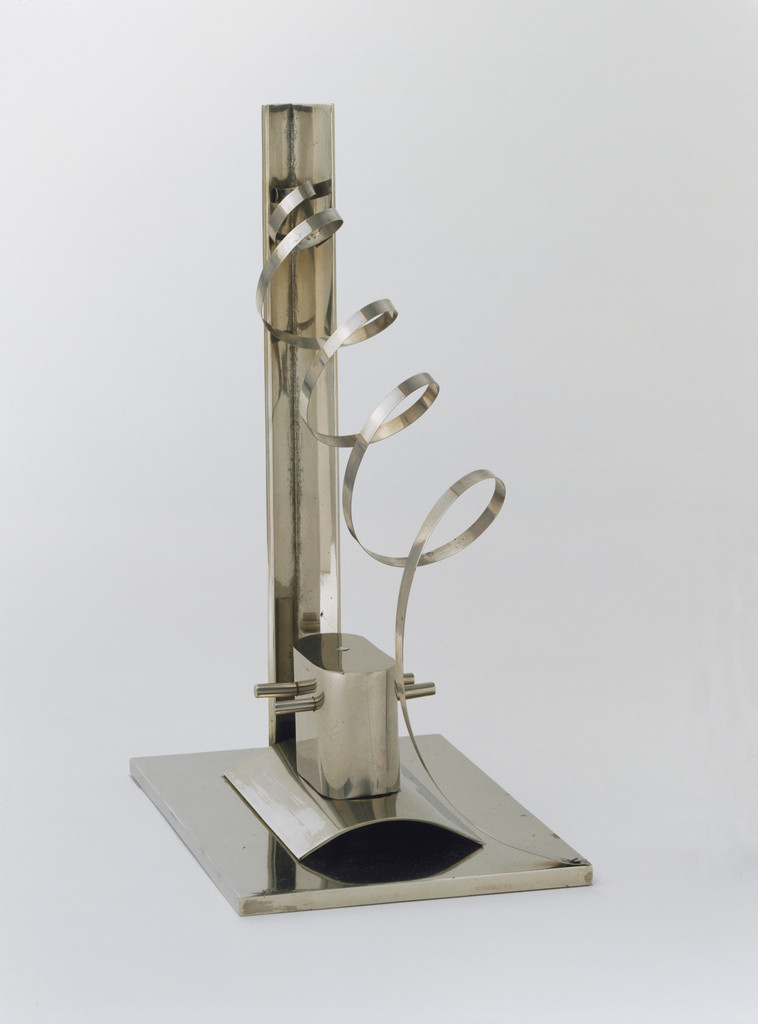
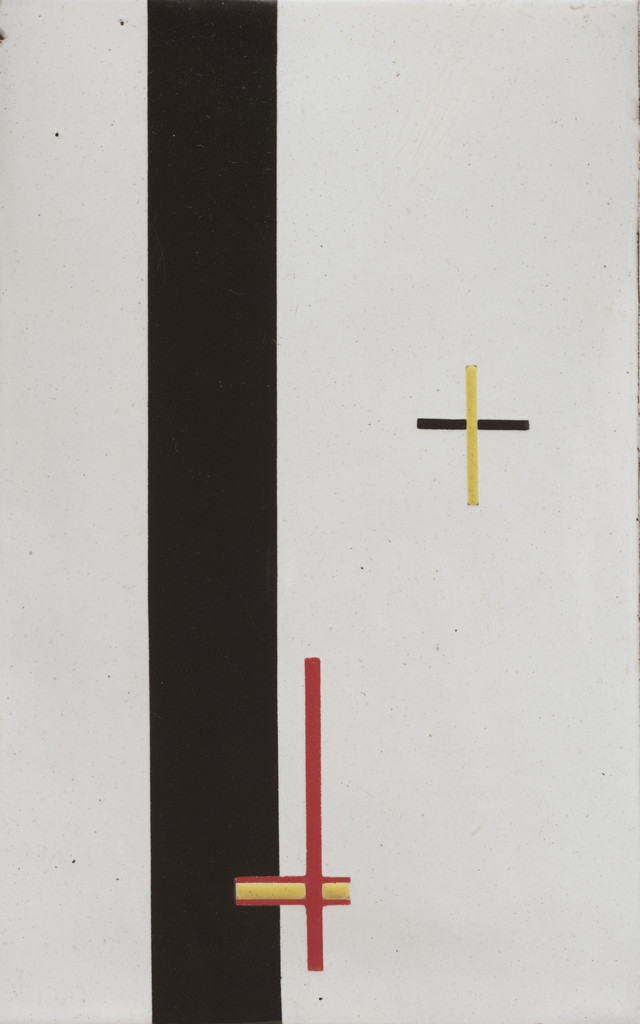
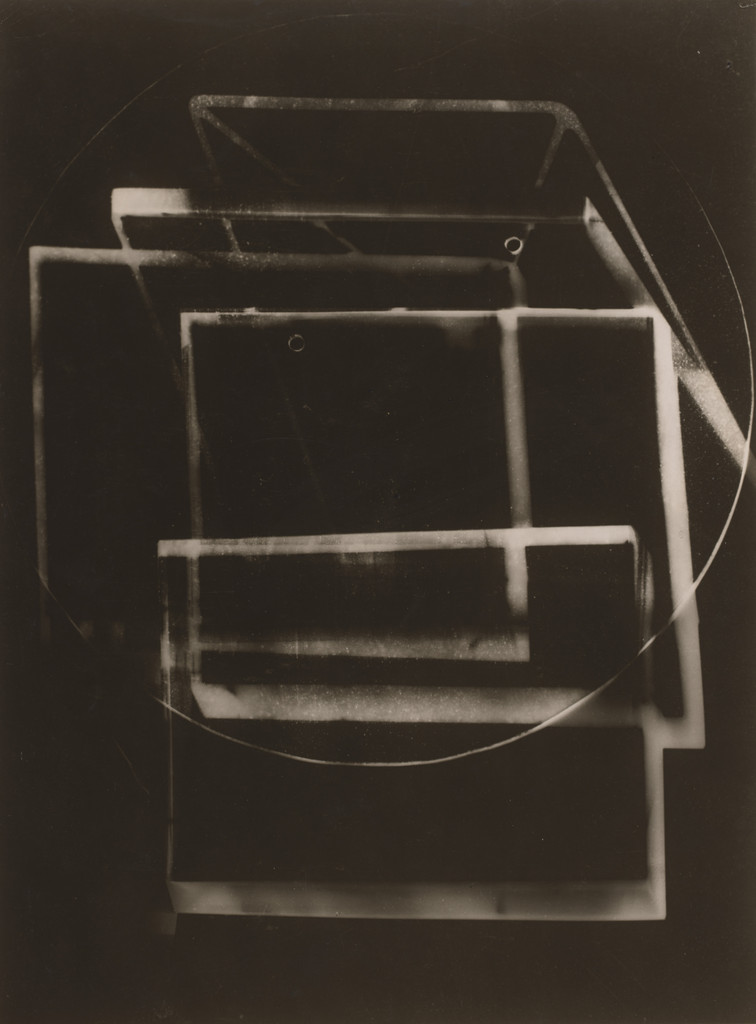
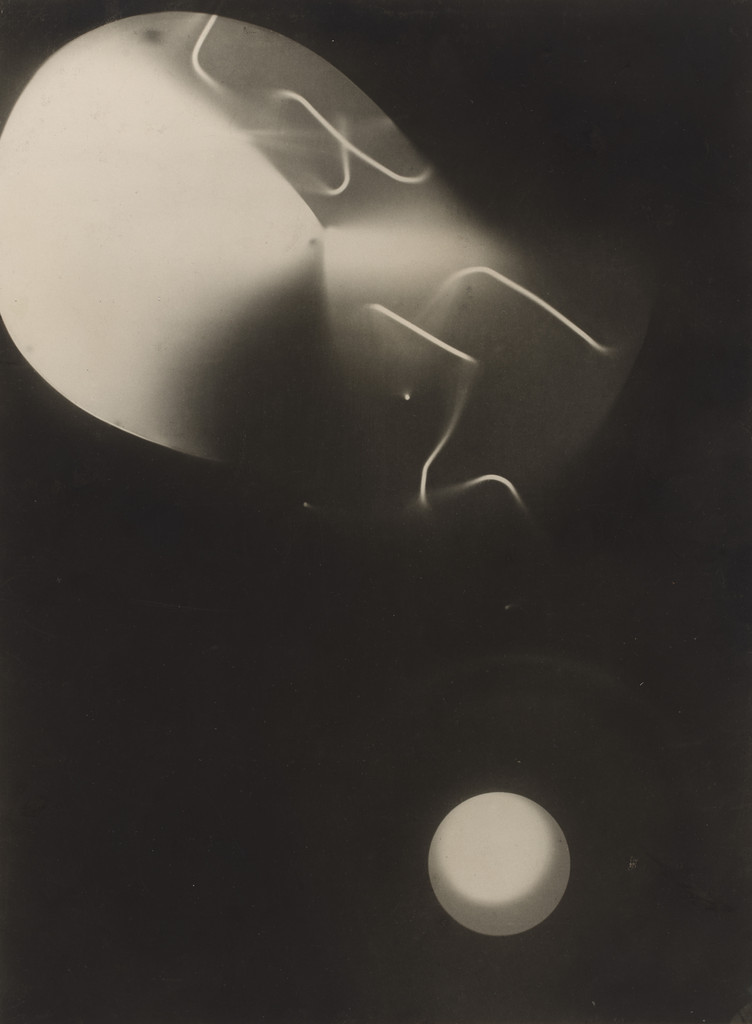
A Hungarian painter, photographer, and art teacher, László Moholy-Nagy moved to Berlin as a young man and became the head of the metal workshop at the Weimar Bauhaus, a progressive art and design school. He fled Nazi Germany in 1935, eventually settling in Chicago, where he headed the New Bauhaus and influenced a generation of artists. Known especially for his photograms and photographic theories, he was interested in teaching a new way of seeing.
Art Institute of ChicagoCC BY 4.0
Στοιχεία
- Αριθμός καταλόγου
- 1993.290
Στον κατάλογο
Πηγές
- Art Institute of Chicago
- Εικόνα: Art Institute of Chicago — © the artist or rights holder
Στη ζωή του καλλιτέχνη: László Moholy-Nagy
Όλη η ζωή1937–1946 · Διαμονή
Chicago
1939
The New Bauhaus closes; the School of Design opens
By 1938 the New Bauhaus had closed for financial reasons, but with Paepcke's continued support Moholy-Nagy kept the programme going, reopening it in February 1939 as the School of Design in Chicago, which he led for the rest of his life. After the closure he also returned to commercial design, which he pursued until his death, serving as art adviser to the Spiegel mail-order house.
1940
School of Design summer session in Oakland
The School of Design's summer session was held at Mills College in Oakland, California.
1942
Summer course in Denton, Texas
Moholy-Nagy taught a summer course at the Women's Teachers College in Denton, Texas.
by 1943
Begins “Vision in Motion”
By 1943 Moholy-Nagy had begun an account of his efforts to develop the School of Design's curriculum; prepared with his art-historian wife Sibyl, it was published posthumously in 1947 as “Vision in Motion”.