 John ConstableΗνωμένο Βασίλειο, 1776–1837
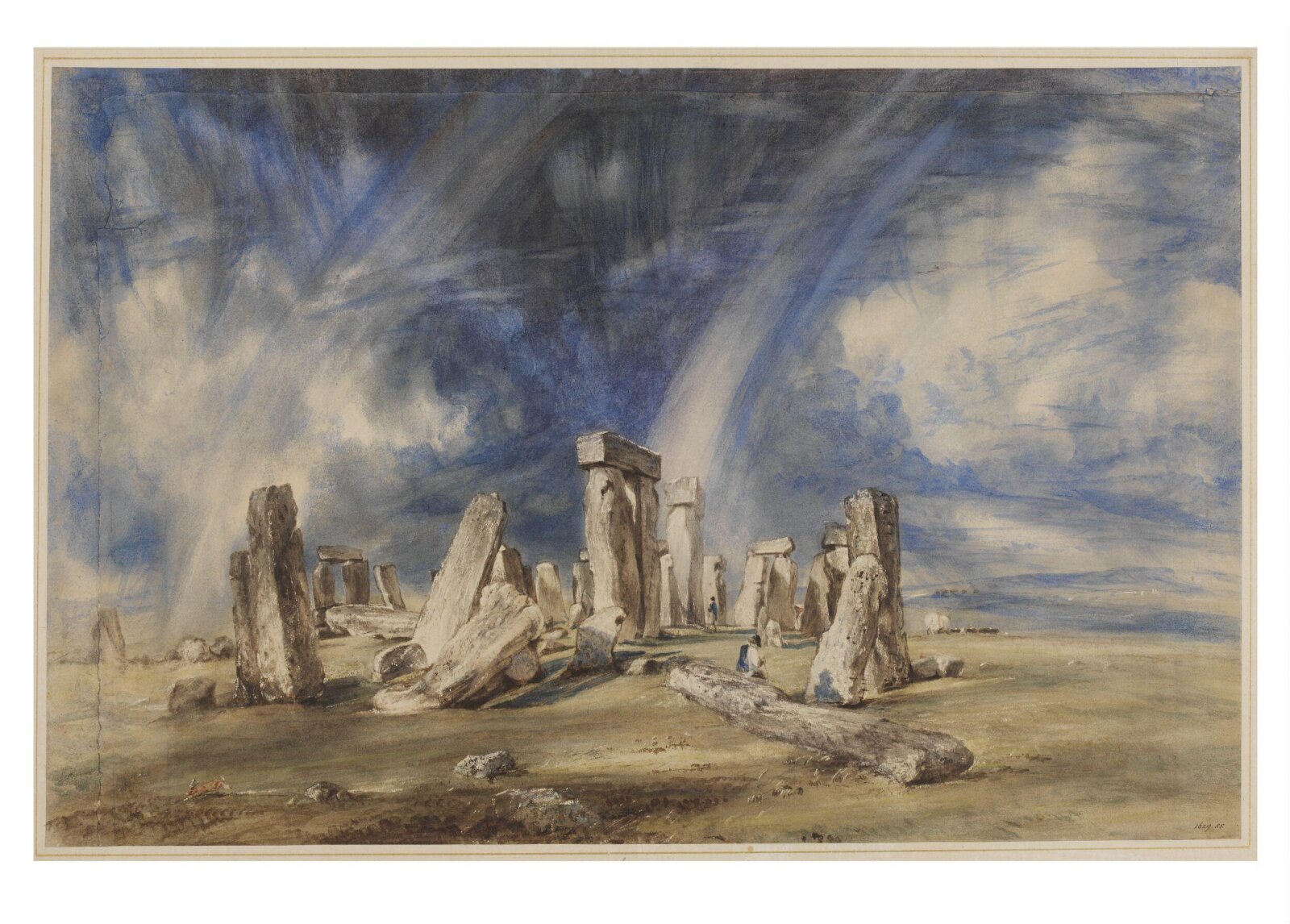
Stonehenge
Μπορώ να το δω;
Δεν εκτίθεται αυτή την περίοδο
Πού βρίσκεται τώρα το έργο «Stonehenge»; Συλλογή: Μουσείο Βικτωρίας και Αλβέρτου, Λονδίνο. Δεν εκτίθεται αυτή την περίοδο. Ελέγχθηκε 25 Σεπτεμβρίου 2026.

Λονδίνο, Ηνωμένο Βασίλειο
Ανήκει στη συλλογή, αλλά δεν εκτίθεται αυτή την περίοδο.
- Ελέγχθηκε
- Σε αυτή την κατάσταση από
- Πηγή
- Το μουσείο
Για το έργο
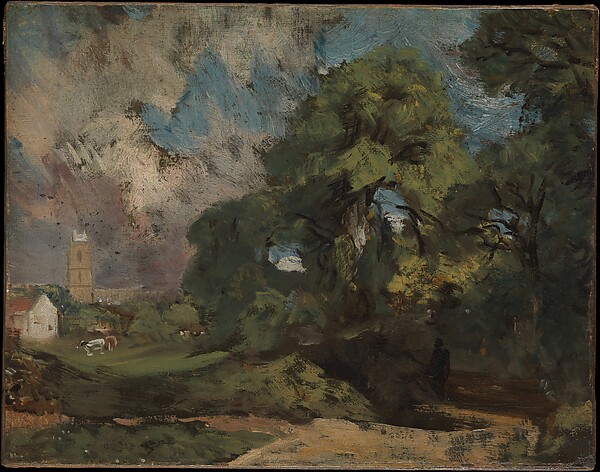
Stonehenge is an 1835 landscape painting by the British artist John Constable. A watercolour it features a view of Stonehenge in Wiltshire. It's expressive use of sky matches some of the experimental oil sketches he produced late in his career.
The work was displayed at the Royal Academy Exhibition of 1836 at Somerset House in London. The painting is now in the collection of the Victoria and Albert Museum, having been presented by the artist's daughter Isabel in 1888 as part of the Constable Bequest.
In 2025 it was lent to the Tate Britain for the exhibition Turner and Constable: Rivals and Originals along with another watercolour Old Sarum.
Constable also produced a small oil painting around this time, known as Stonehenge at Sunset, now in the Yale Center for British Art.
Με τα λόγια του μουσείου
Constable painted this watercolour at a sad time in his life. Both his wife, Maria, and his closest friend, John Fisher, had died, and his two eldest sons had left home. He is perhaps expressing his personal unhappiness in the watercolour, for the image is certainly a melancholy one. The painting was exhibited in the Royal Academy Summer Exhibition of 1836. Some of the lines that accompanied this painting in the catalogue describe 'The mysterious monument of Stonehenge, standing remote on a bare and boundless heath...'. Constable himself probably wrote them.
Μουσείο Βικτωρίας και Αλβέρτου
Στοιχεία
- Αριθμός καταλόγου
- 1629-1888
Τι απεικονίζει
Στον κατάλογο
Πηγές
- Μουσείο Βικτωρίας και Αλβέρτου
- Εικόνα: Μουσείο Βικτωρίας και Αλβέρτου — © Victoria and Albert Museum, London
Στη ζωή του καλλιτέχνη: John Constable
Όλη η ζωή1828–1837
A widower with seven children
For the rest of his life Constable dressed in black and brought up his seven children alone; according to Leslie he was “a prey to melancholy and anxious thoughts”. Several of the children also painted, notably Lionel.
1835
A last lecture to the Academy’s students
In 1835 Constable gave his last lecture to the students of the Royal Academy, praising Raphael and calling the Academy the “cradle of British art”; it was cheered most heartily.
1836
Lectures at the Royal Institution: three theses
In a series of lectures at the Royal Institution in 1836 Constable proposed three theses: landscape painting is scientific as well as poetic; imagination alone never can produce art that bears comparison with reality; and no great painter was ever self-taught.
31 March 1837
Death in the night, probably of heart failure
Constable died on the night of 31 March 1837, apparently of heart failure (another account names dyspepsia), and was buried beside Maria.
31 Μαρτίου 1837
Died