Painting
Μπορώ να το δω;
Δεν εκτίθεται αυτή την περίοδο
Πού βρίσκεται τώρα το έργο «Painting»; Συλλογή: Μουσείο Βικτωρίας και Αλβέρτου, Λονδίνο. Δεν εκτίθεται αυτή την περίοδο. Ελέγχθηκε 25 Σεπτεμβρίου 2026.

Λονδίνο, Ηνωμένο Βασίλειο
Ανήκει στη συλλογή, αλλά δεν εκτίθεται αυτή την περίοδο.
- Ελέγχθηκε
- Σε αυτή την κατάσταση από
- Πηγή
- Το μουσείο
Για τον πίνακα
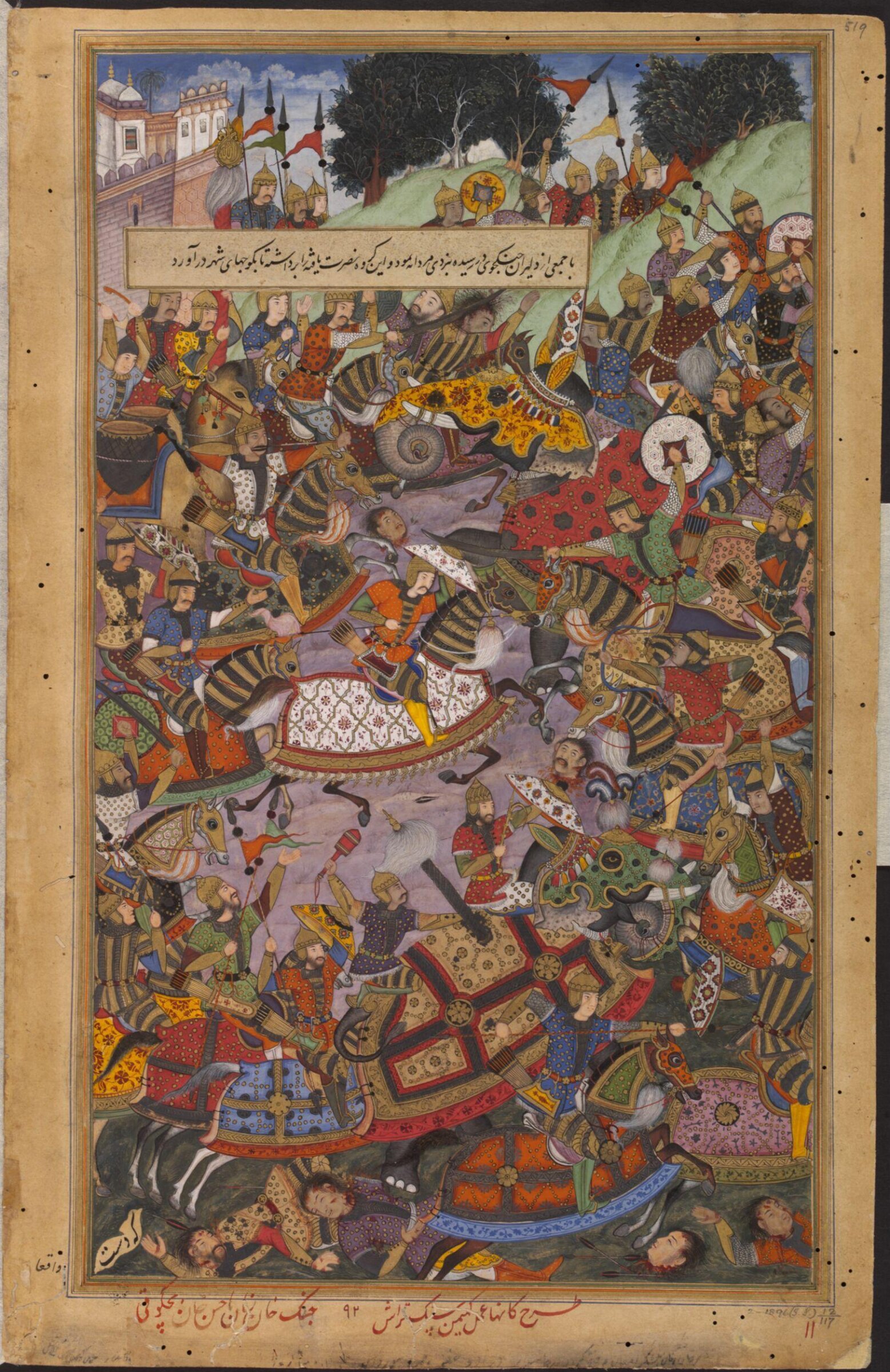
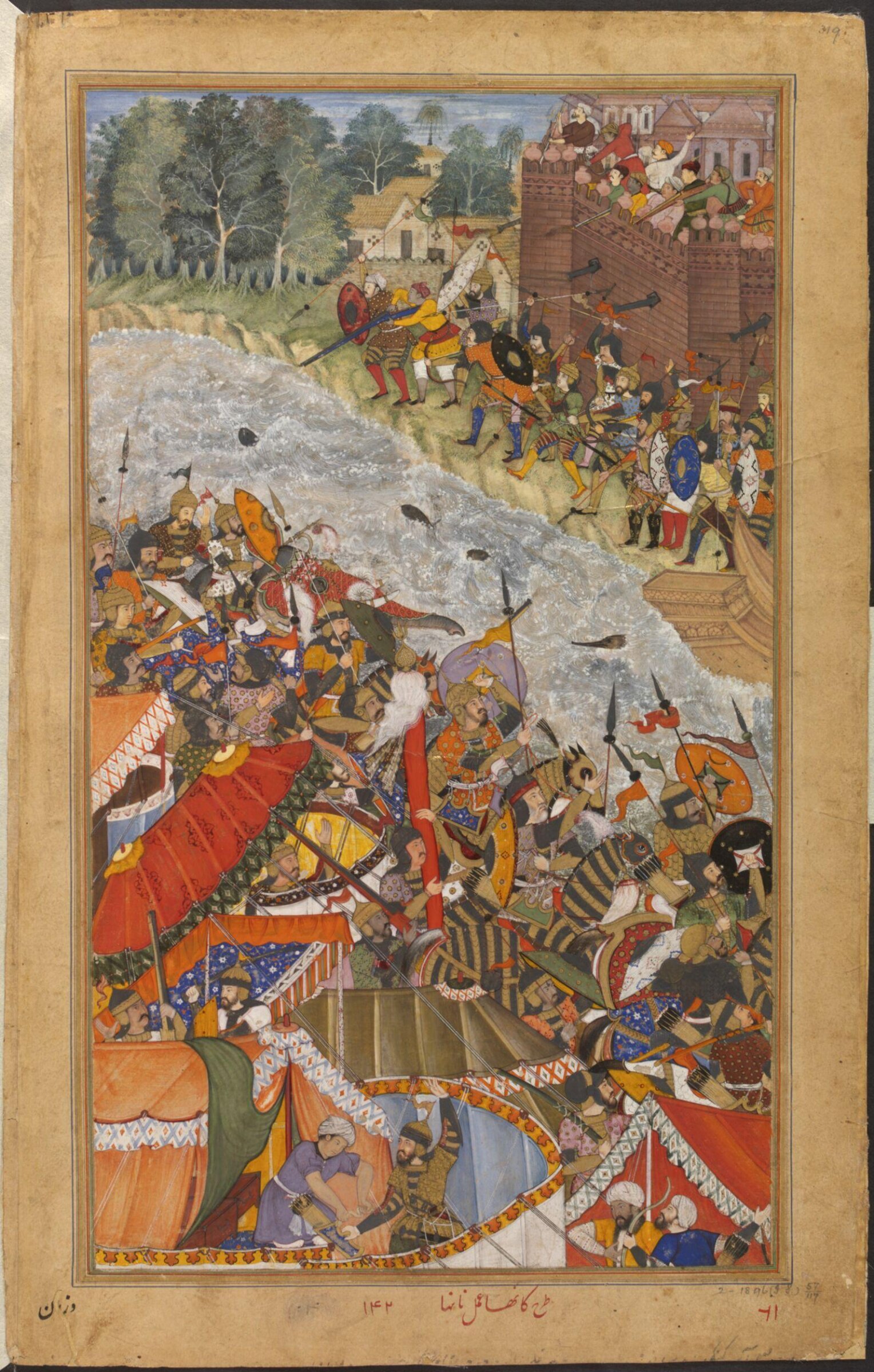
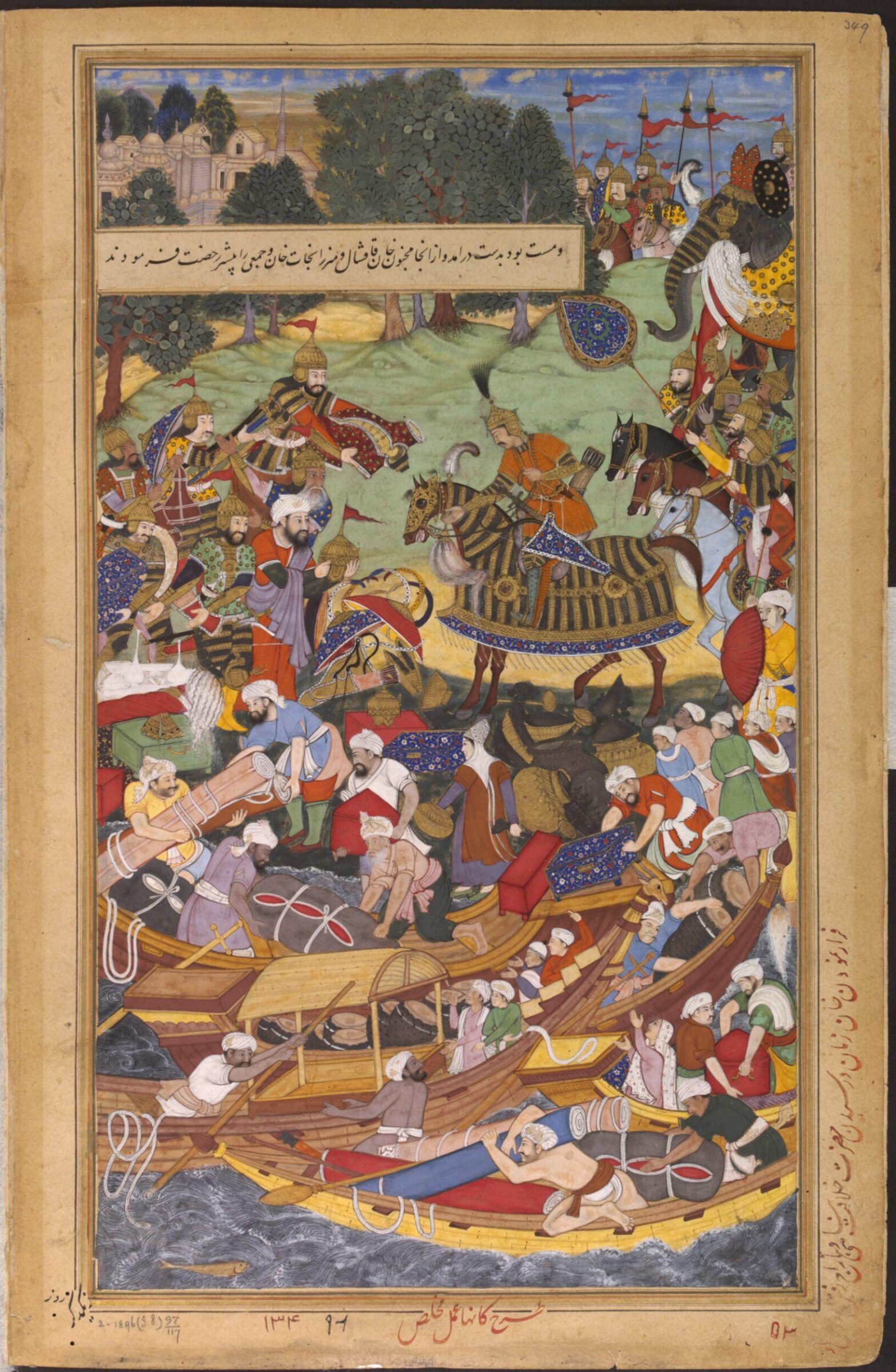
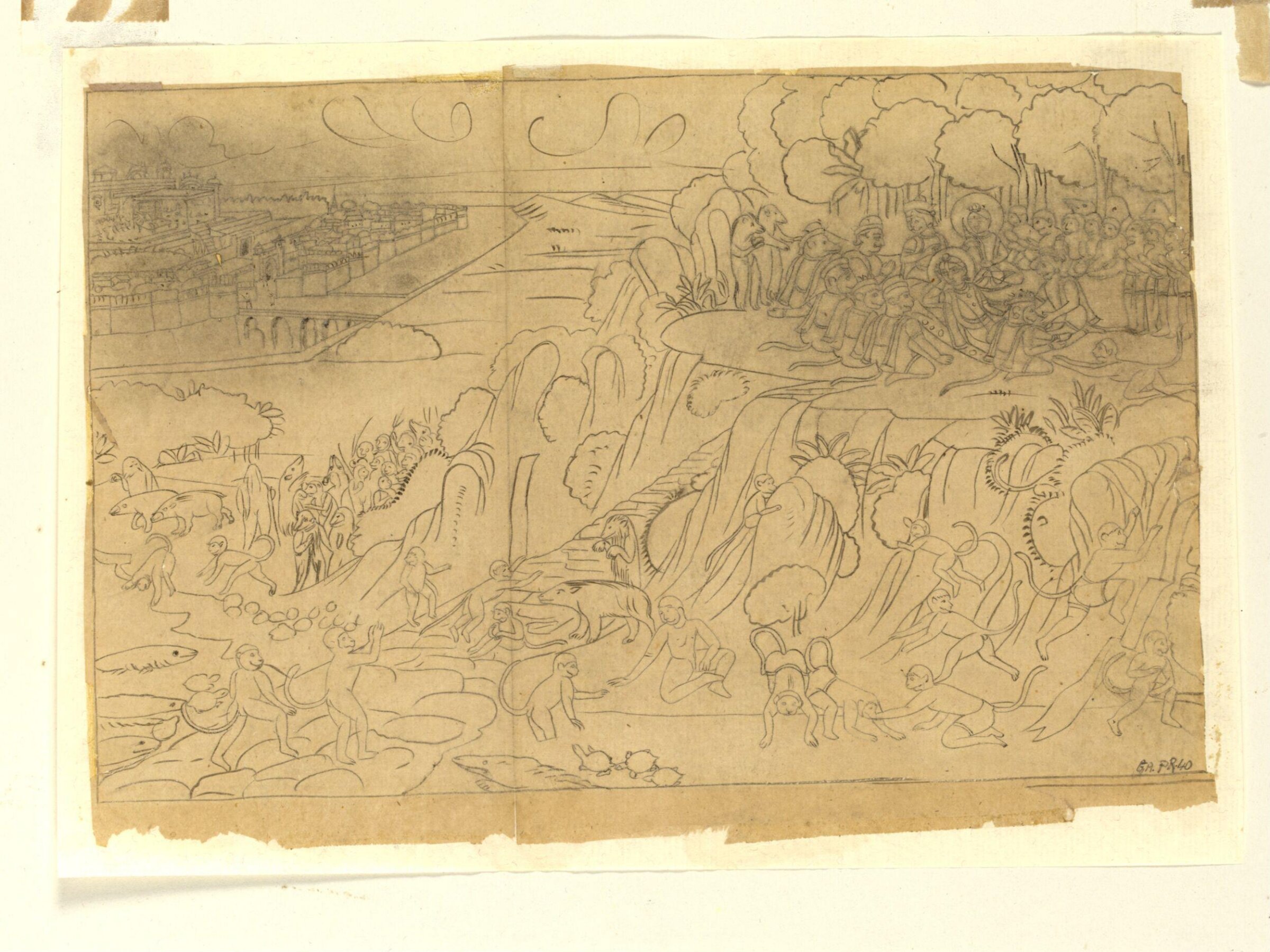
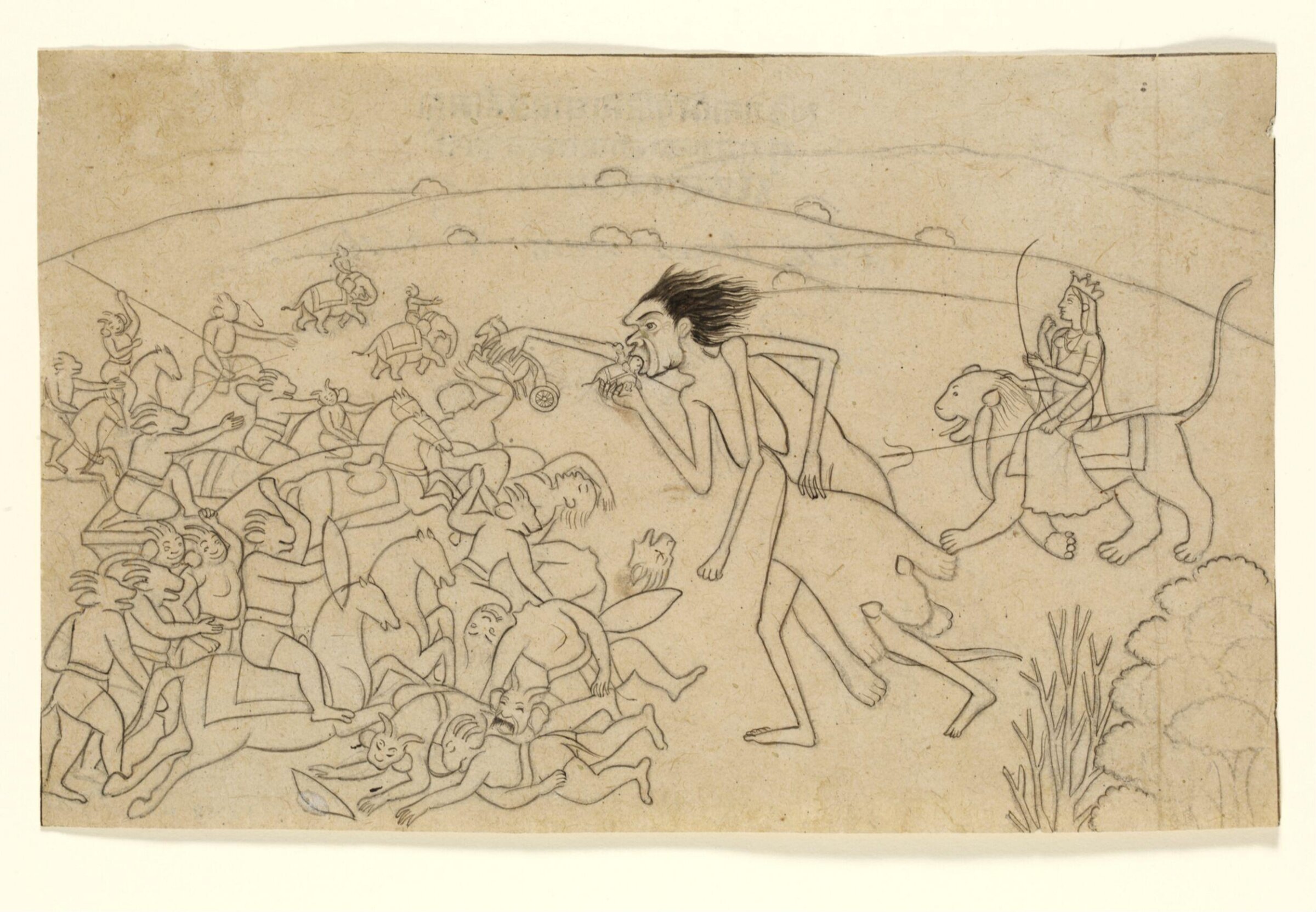
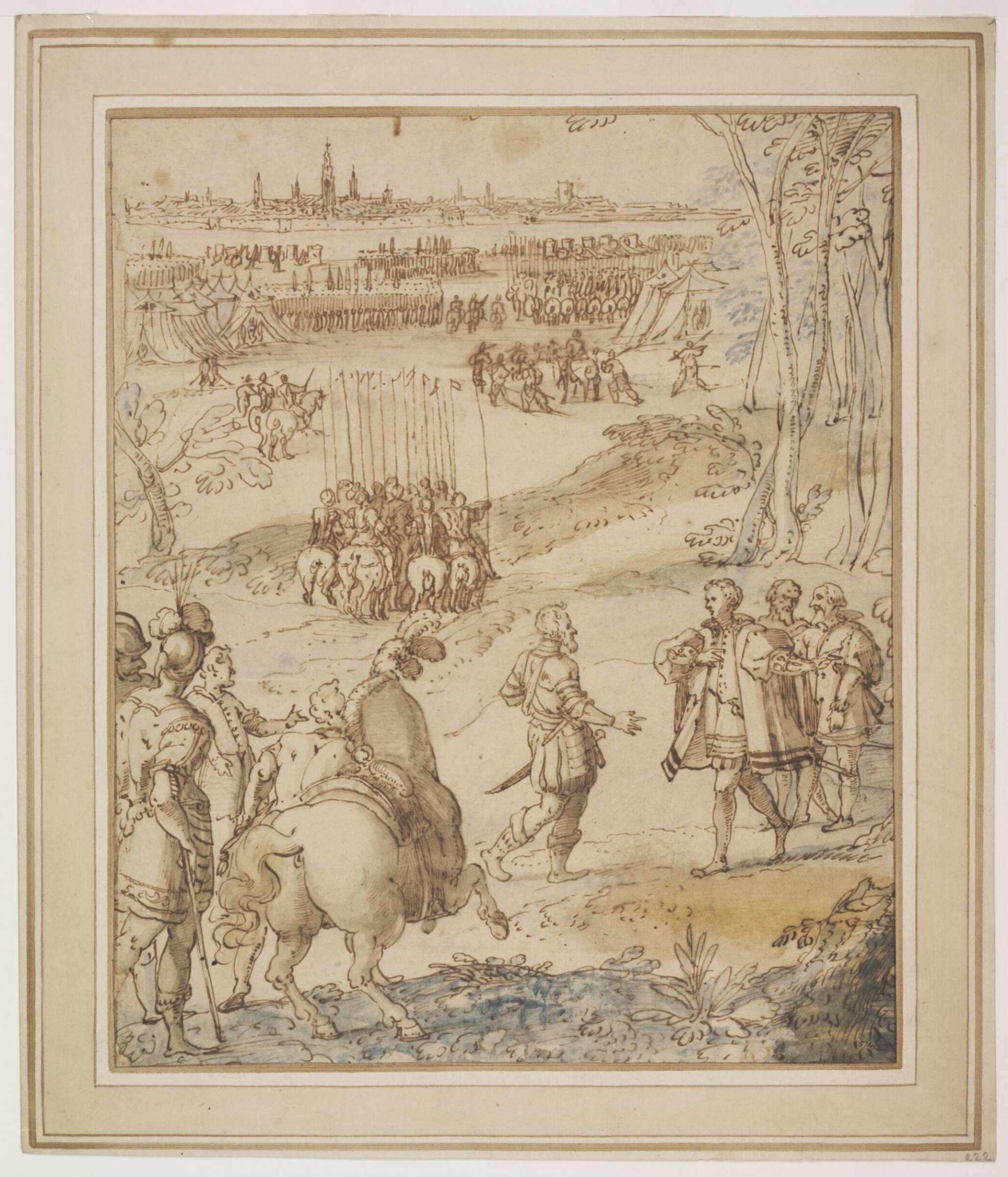
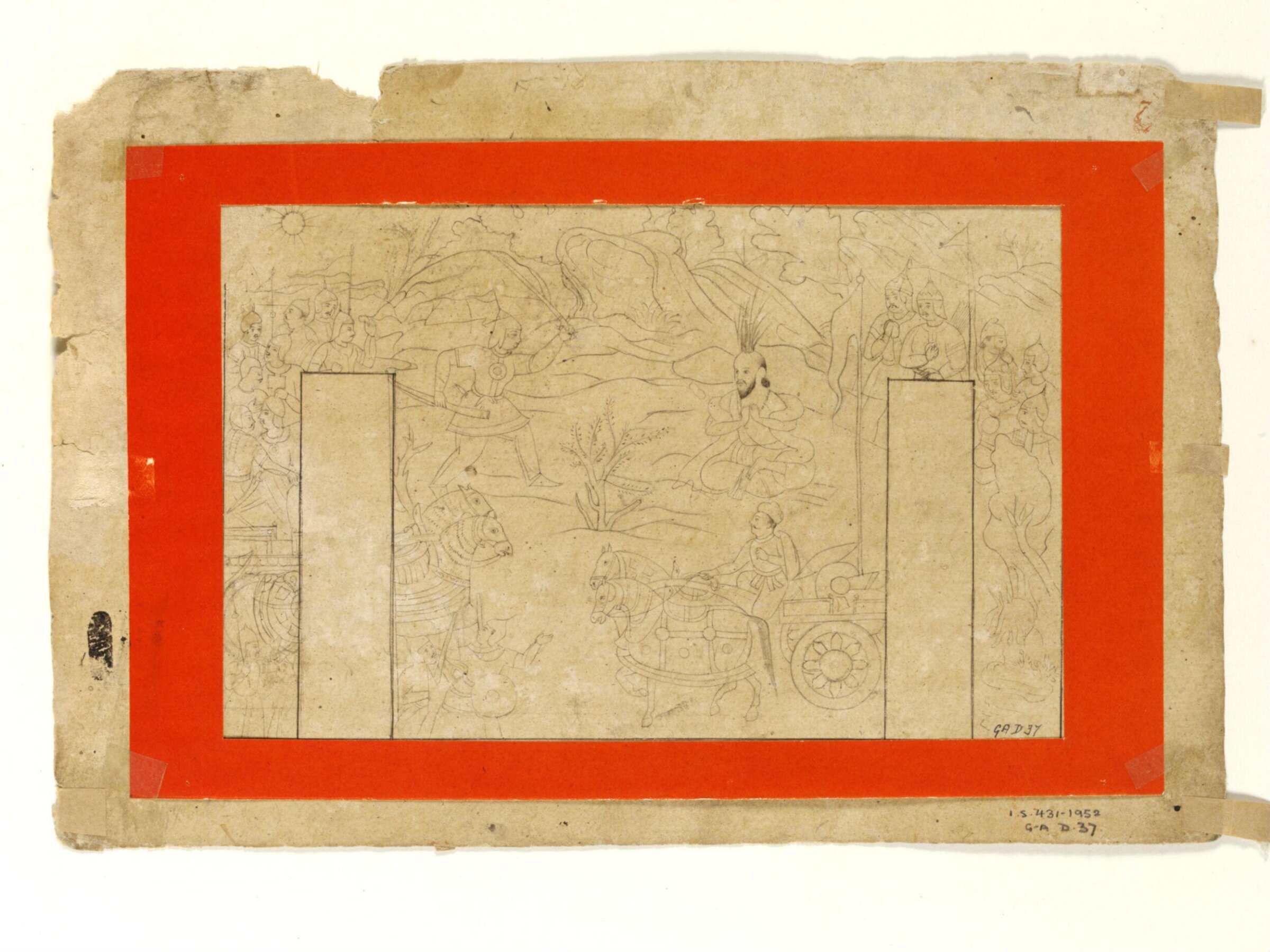
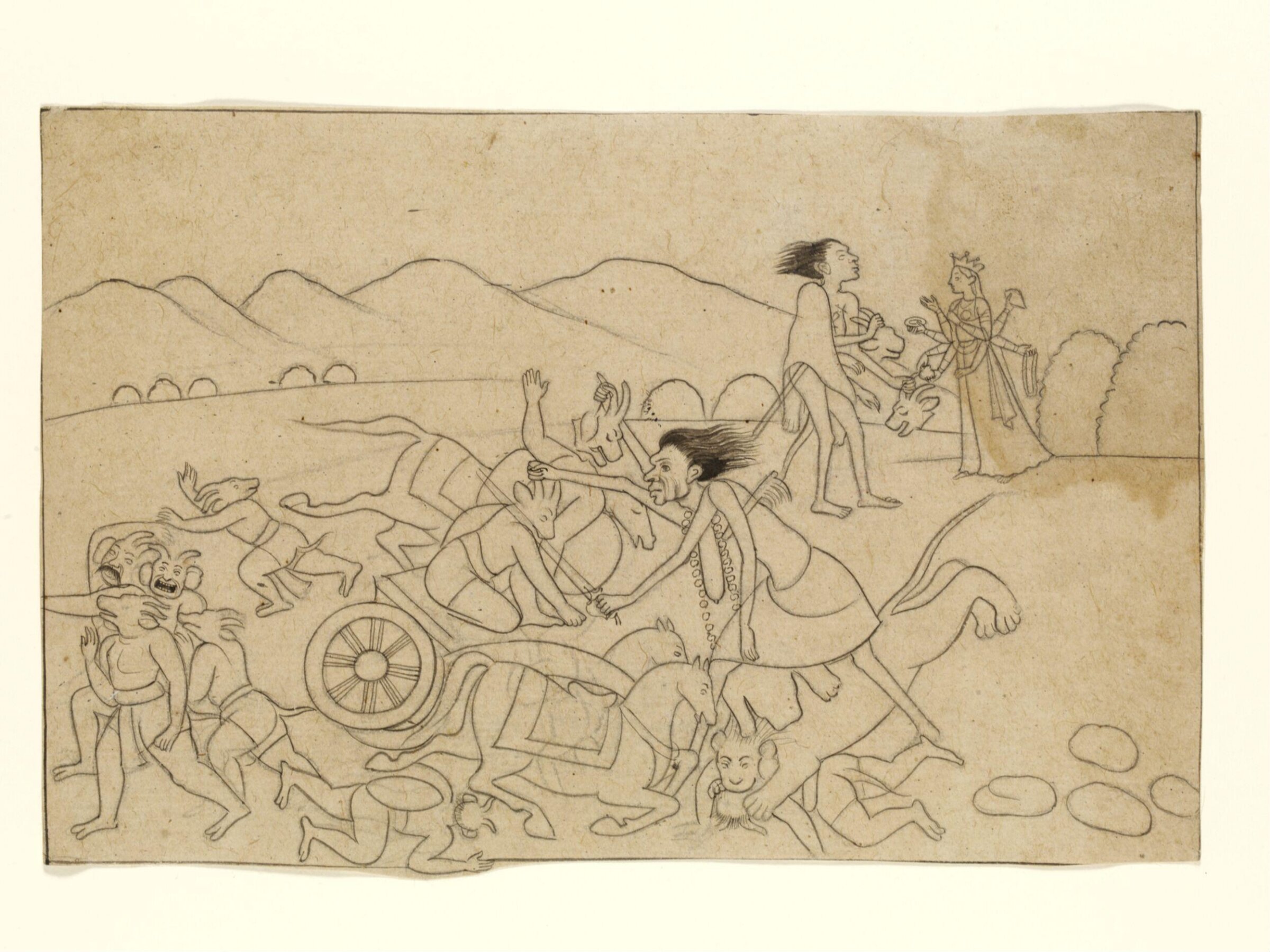
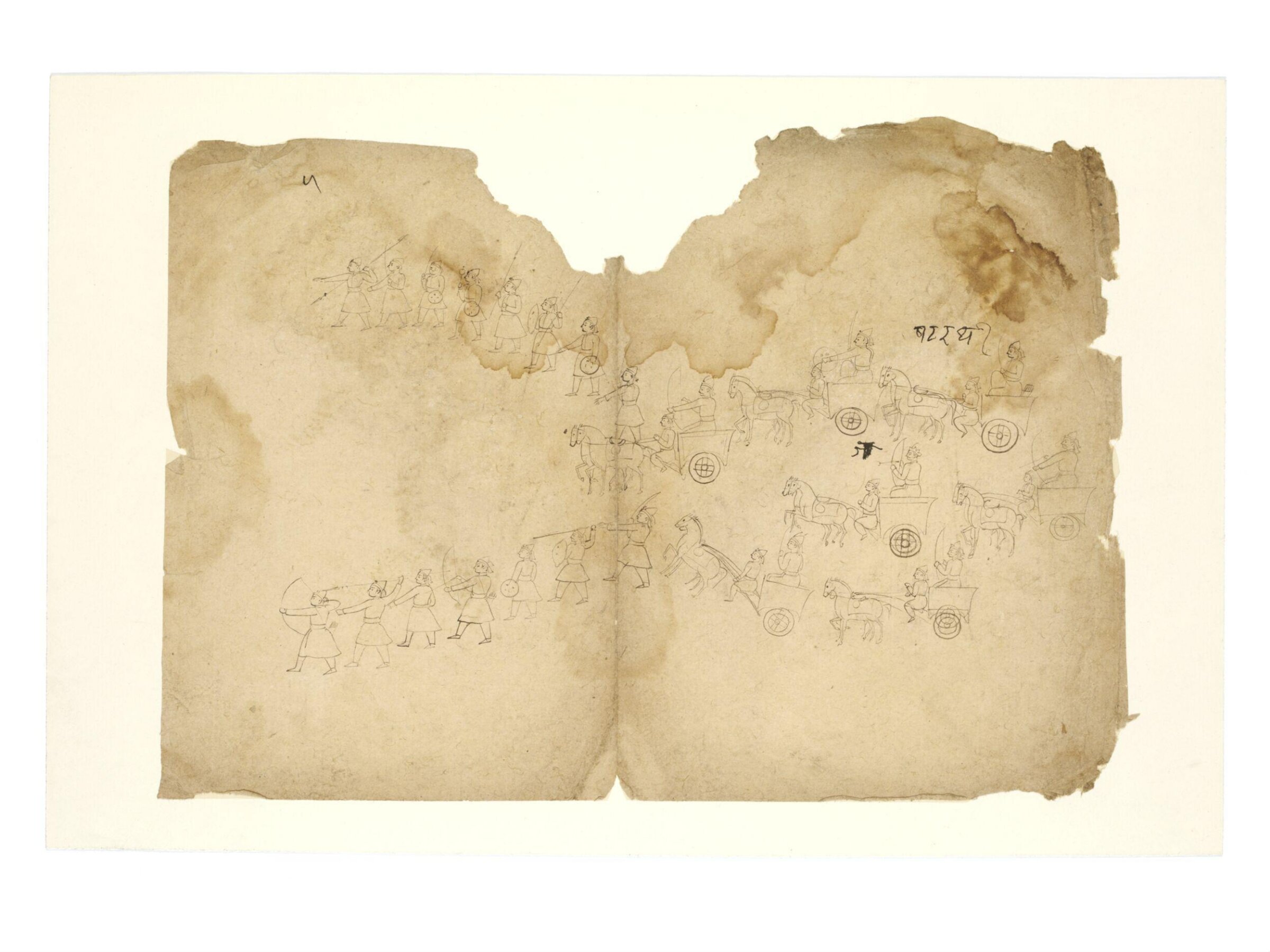
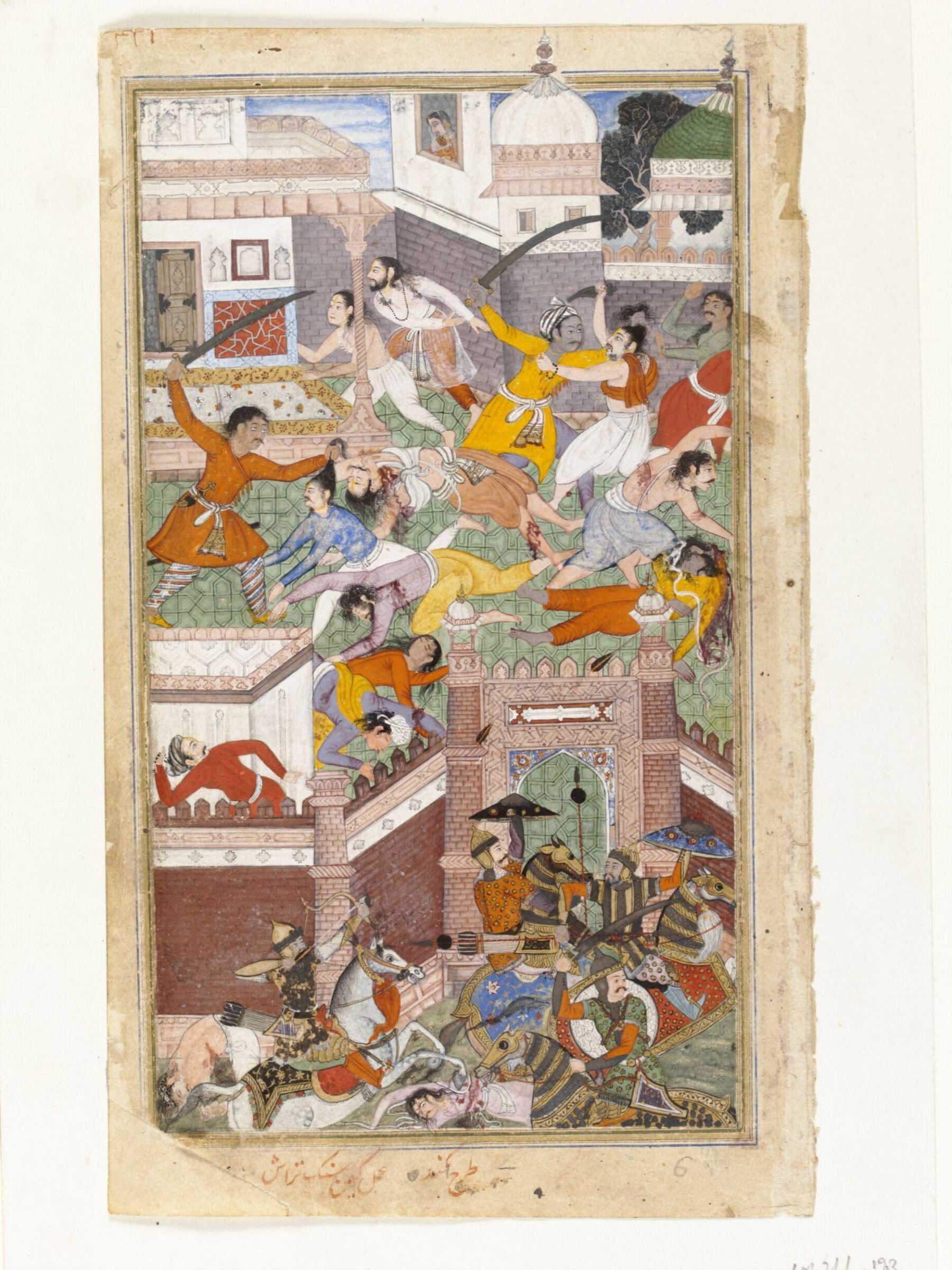
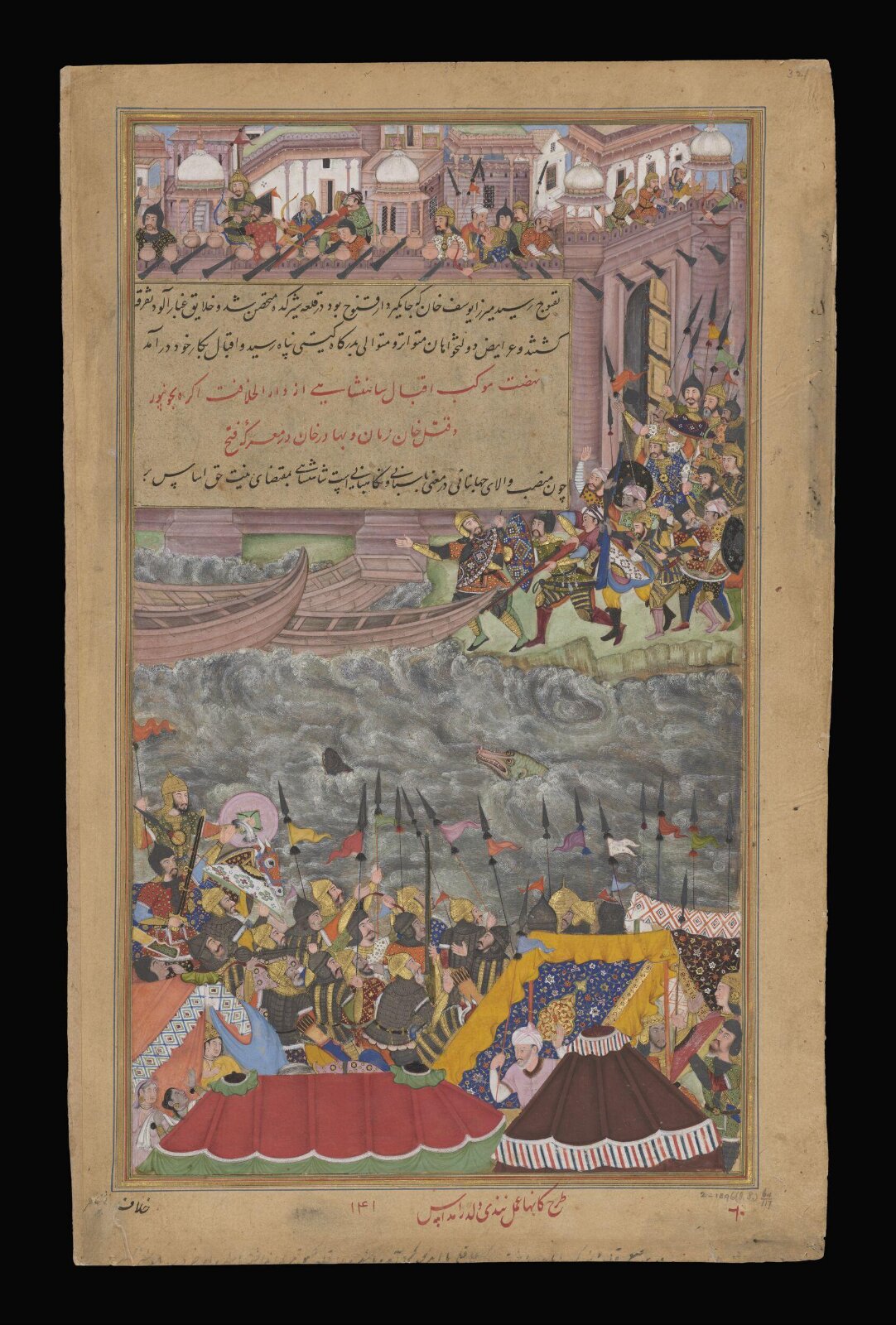
This illustration to the Akbarnama (Book of Akbar) is by the Mughal court artists Kanha and Nandi, who was the son of another artist, Ram Das, according to the contemporary Persian inscription beneath the painting. It appears to be one side of a double-page composition (with Museum no. IS.2:57-1896) and depicts an unidentified episode at Karah on the River Ganges in north-east India preceding the defeat of the rebel general Khan Zaman by the Mughal army in 1567.
Συνέχεια
The Akbarnama was commissioned by the Mughal emperor Akbar (r.1556–1605) as the official chronicle of his reign. It was written in Persian by his court historian and biographer, Abu’l Fazl, between 1590 and 1596, and the V&A’s partial copy of the manuscript is thought to have been illustrated between about 1592 and 1595. This is thought to be the earliest illustrated version of the text, and drew upon the expertise of some of the best royal artists of the time. Many of these are listed by Abu’l Fazl in the third volume of the text, the A’in-i Akbari, and some of these names appear in the V&A illustrations, written in red ink beneath the pictures, showing that this was a royal copy made for Akbar himself. After his death, the manuscript remained in the library of his son Jahangir, from whom it was inherited by Shah Jahan.
The V&A purchased the manuscript in 1896 from Frances Clarke, the widow of Major General John Clarke, who bought it in India while serving as Commissioner of Oudh between 1858 and 1862.
Μουσείο Βικτωρίας και Αλβέρτου
Στοιχεία
- Αριθμός καταλόγου
- IS.2:64-1896
Τι απεικονίζει
Στον κατάλογο
Πηγές
- Μουσείο Βικτωρίας και Αλβέρτου
- Εικόνα: Μουσείο Βικτωρίας και Αλβέρτου — © Victoria and Albert Museum, London