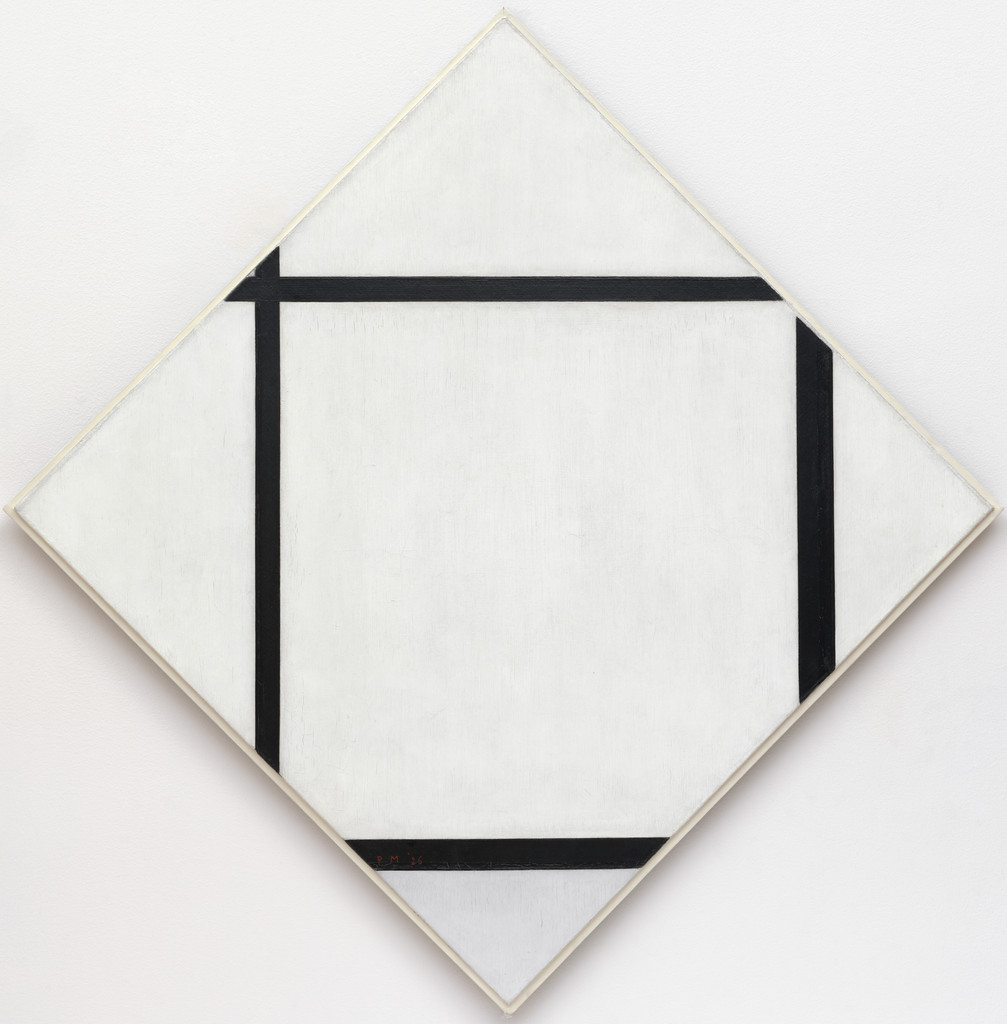
Piet MondrianΟλλανδία, 1872–1944
Composition with colour fields
Μπορώ να το δω;
Άγνωστο
Πού βρίσκεται τώρα το έργο «Composition with colour fields»; Συλλογή: Μουσείο Μπόιμανς - φαν Μπένινγκεν, Ρότερνταμ. Δεν γνωρίζουμε αν εκτίθεται σήμερα.
Ρότερνταμ, Ολλανδία
Ο κάτοχος είναι γνωστός· δεν γνωρίζουμε αν το έργο εκτίθεται σήμερα.
- Σε αυτή την κατάσταση από
- Πηγή
- Το μουσείο
Για τον πίνακα
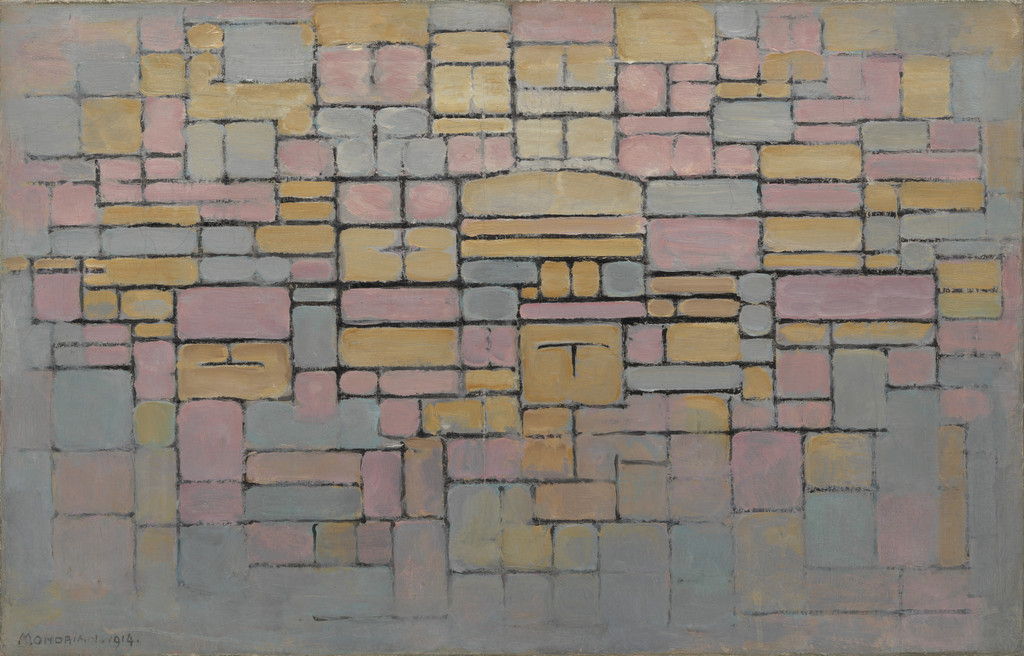
Piet Mondrian scattered separate rectangles across a pale ground in Composition with Colour Fields, painted in 1917 and now in Rotterdam’s Museum Boijmans Van Beuningen. Pink, blue and yellow blocks vary in size and spacing. White intervals keep them apart, and several shapes are cut by the canvas edge. The horizontal oil painting measures 48 by 60.5 centimetres and joined the collection in 1928.
Στοιχεία
- Αριθμός καταλόγου
- 1543 (MK)
Στον κατάλογο
Πηγές
- Wikidata
- Εικόνα: Μουσείο Μπόιμανς - φαν Μπένινγκεν — Piet Mondrian · Public domain · Wikimedia Commons
Στη ζωή του καλλιτέχνη: Piet Mondrian
Όλη η ζωή1912–1917
The Cubist period
Mondrian was eager to absorb the influence of Cubism but saw it as a port of call on his artistic journey rather than a destination; his Cubist period lasted from 1912 to 1917.
1914–1918
The artists' colony at Laren
During the war Mondrian stayed at the Laren artists' colony, where he met Bart van der Leck and Theo van Doesburg, both of whom were pursuing their own journeys toward abstraction.
1915
Growing close to Theo van Doesburg
In 1915 Mondrian grew close to the painter Theo van Doesburg, with whom he founded the De Stijl movement and the journal of the same name.
1915–1918
Founding De Stijl with Van Doesburg
With Theo van Doesburg Mondrian founded De Stijl, the journal of the De Stijl group, in which he first published essays defining his theory, which he called Neoplasticism.
1919–1920
The first grid paintings
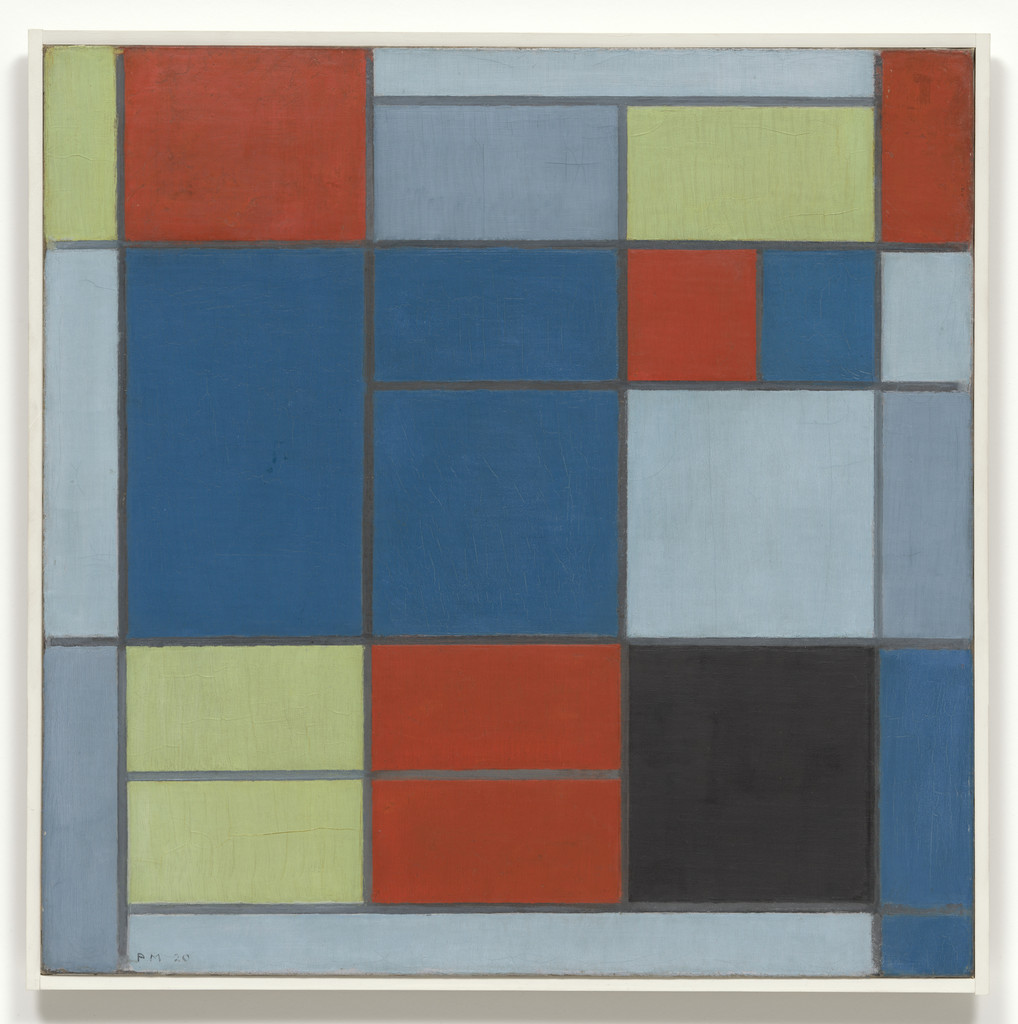
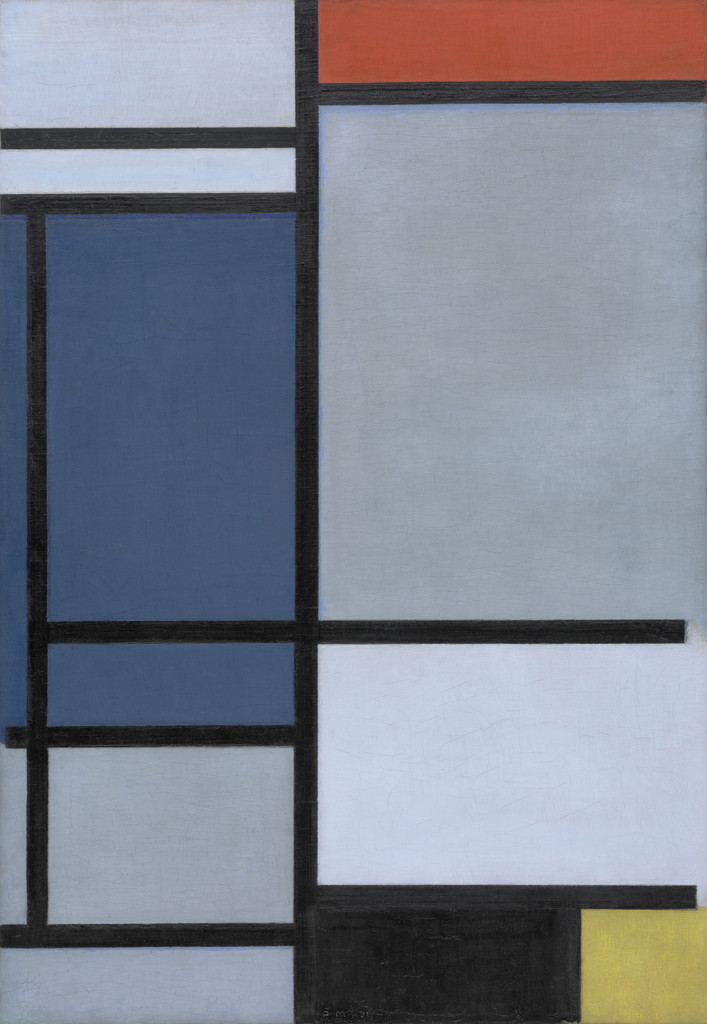
From late 1919 Mondrian produced grid-based paintings, and in 1920 the style for which he became renowned began to appear: at first thin grey lines fading towards the edges of the canvas, with the forms filled with primary colours.
1919–1938
Return to Paris
In 1919 Mondrian left the Netherlands for Paris for the second and last time and at once turned to his studio: to hide its flaws he tacked large single-colour placards to the walls, accented by compositions of smaller coloured paper rectangles. From then on, periods of painting alternated with experiments in regrouping the papers on the walls.