ART WIKI37.788 ausgestellt
KarteSammlungKünstlerMuseenAusstellungenJournal
Anmelden

ART WIKI

Wo Kunst zu sehen ist und wann das Museum öffnet.

Sammlungen: Art Institute of Chicago, Cleveland Museum of Art, Cooper Hewitt, Smithsonian Design Museum, Eremitage, Getty Villa, Harvard Art Museums, Hirshhorn Museum and Sculpture Garden, J. Paul Getty Museum, Louvre, Metropolitan Museum of Art, Minneapolis Institute of Art, Museum of Modern Art, National Gallery of Art, National Museum of Asian Art, National Portrait Gallery, Puschkin-Museum, Rijksmuseum Amsterdam, Russisches Museum, Smithsonian American Art Museum, Statens Museum for Kunst, Tretjakow-Galerie, Victoria and Albert Museum, Whitney Museum of American Art, Yale Center for British Art, Yale University Art Gallery, Staatskatalog des Museumsfonds Russlands (274 Museen), Europeana (19 Museen), Wikidata (44 Museen), Paris Musées (12 Museen), Joconde, die Museumsdatenbank des französischen Kulturministeriums (495 Museen) und der Catalogo generale dei Beni Culturali des italienischen Kulturministeriums (25 Museen). Die Bilder gehören ihren Rechteinhabern.

Rubriken

  • Karte
  • Suche
  • Sammlung
  • Meisterwerke
  • Gestohlen und verschollen
  • Werkstatus einbetten
  • Jetzt ausgestellt
  • Künstler

Mehr

  • Museen & Galerien
  • Ausstellungen
  • Journal
  • Woher die Daten stammen
  • Datenschutz & Cookies
  • Über uns
  • Nutzungsbedingungen
StartseiteKarteKatalog

Katalog

Druckgrafik

880.909 Werke aus 254 Museen639 jetzt ausgestelltLöschen

/
Technik
  • Alle
  • Radierung130.252
  • Lithografie89.179
  • Kupferstich63.364
  • Holzschnitt56.703
  • Kaltnadel9.308
  • Siebdruck8.459
  • Aquatinta7.452
  • Fotomechanischer Druck6.933
  • Schabkunst6.751
  • Linolschnitt2.658
The Bullfight, plates 1-33 (La Tauromaquia); First edition, 1816, Goya, 1816Francisco de GoyaThe Bullfight, plates 1-33 (La Tauromaquia); First edition, 18161816Metropolitan Museum of Art
The garroted man (El agarrotado), Goya, ca. 1775–78 (published 1868)Francisco de GoyaThe garroted man (El agarrotado)ca. 1775–78 (published 1868)Metropolitan Museum of Art
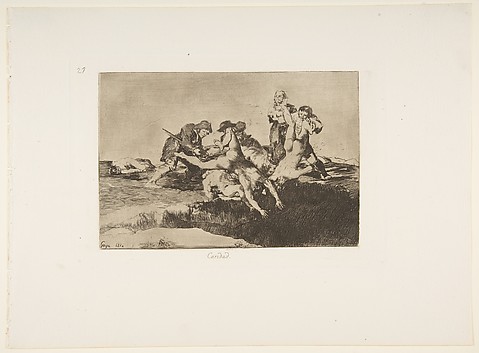
Plate 27 from "The Disasters of War" (Los Desastres de la Guerra): 'Charity' (Caridad), Goya, 1810 (published 1863)Francisco de GoyaPlate 27 from "The Disasters of War" (Los Desastres de la Guerra): 'Charity' (Caridad)1810 (published 1863)Metropolitan Museum of Art
Plate 9 from "La Tauromaquia": A Spanish knight kills the bull after having lost his horse, Goya, 1816Francisco de GoyaPlate 9 from "La Tauromaquia": A Spanish knight kills the bull after having lost his horse1816Metropolitan Museum of Art
Plate 50 from "Los Caprichos": The Chinchillas (Los Chinchillas), Goya, 1799Francisco de GoyaPlate 50 from "Los Caprichos": The Chinchillas (Los Chinchillas)1799Metropolitan Museum of Art
Plate 15 from "The Disasters of War" (Los Desastres de la Guerra): And there is nothing to be done (Y no hai remedio), Goya, 1810 (published 1863)Francisco de GoyaPlate 15 from "The Disasters of War" (Los Desastres de la Guerra): And there is nothing to be done (Y no hai remedio)1810 (published 1863)Metropolitan Museum of Art
Isabel de Bourbon on horseback, after Velázquez, Goya, 1778Francisco de GoyaIsabel de Bourbon on horseback, after Velázquez1778Metropolitan Museum of Art
Plate 1 from "Los Caprichos": Self-portrait, Goya, 1799Francisco de GoyaPlate 1 from "Los Caprichos": Self-portrait1799Metropolitan Museum of Art
Plate 8 from "The Disasters of War" (Los Desastres de la Guerra): 'It always happens' (Siempre sucede), Goya, 1810 (published 1863)Francisco de GoyaPlate 8 from "The Disasters of War" (Los Desastres de la Guerra): 'It always happens' (Siempre sucede)1810 (published 1863)Metropolitan Museum of Art
Plate 53  from "The Disasters of War" (Los Desastres de la Guerra): 'There was nothing to be done and he died' (Espiró sin remedio), Goya, 1811–12 (published 1863)Francisco de GoyaPlate 53 from "The Disasters of War" (Los Desastres de la Guerra): 'There was nothing to be done and he died' (Espiró sin remedio)1811–12 (published 1863)Metropolitan Museum of Art
Plate 56 from "The Disasters of War" (Los Desastres de la Guerra): 'To the cemetery' (Al cementerio), Goya, 1811–12 (published 1863)Francisco de GoyaPlate 56 from "The Disasters of War" (Los Desastres de la Guerra): 'To the cemetery' (Al cementerio)1811–12 (published 1863)Metropolitan Museum of Art
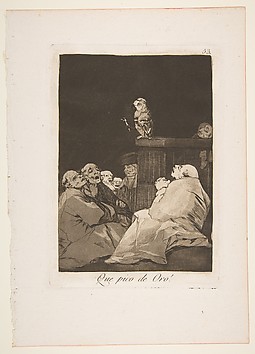
Plate 53 from "Los Caprichos": What a golden beak! (Que pico de Oro!), Goya, 1799Francisco de GoyaPlate 53 from "Los Caprichos": What a golden beak! (Que pico de Oro!)1799Metropolitan Museum of Art
Plate 57 from "Los Caprichos": The filiation (La filiacion), Goya, 1799Francisco de GoyaPlate 57 from "Los Caprichos": The filiation (La filiacion)1799Metropolitan Museum of Art
Plate 17 of "La Tauromaquia": The Moors use donkeys as a barrier to defend themselves against the bull whose horns have been tipped with balls, Goya, 1816Francisco de GoyaPlate 17 of "La Tauromaquia": The Moors use donkeys as a barrier to defend themselves against the bull whose horns have been tipped with balls1816Metropolitan Museum of Art
Plate 65  from "The Disasters of War" (Los Desastres de la Guerra): 'What is this hubbub?' (Qué alboroto es este?), Goya, 1814–15  (published 1863)Francisco de GoyaPlate 65 from "The Disasters of War" (Los Desastres de la Guerra): 'What is this hubbub?' (Qué alboroto es este?)1814–15 (published 1863)Metropolitan Museum of Art
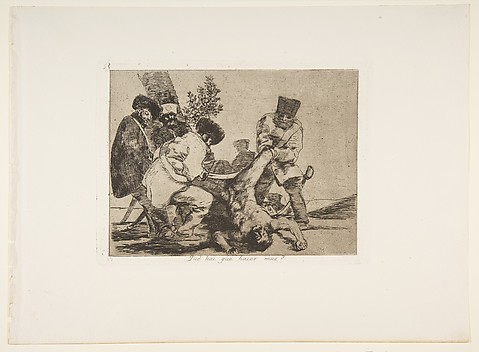
Plate 33 from "The Disasters of War" (Los Desastres de La Guerra): 'What more can be done?' (Qué hai que hacer mas?), Goya, 1810 (published 1863)Francisco de GoyaPlate 33 from "The Disasters of War" (Los Desastres de La Guerra): 'What more can be done?' (Qué hai que hacer mas?)1810 (published 1863)Metropolitan Museum of Art
Plate 36 from "Los Caprichos": A bad night (Mala noche), Goya, 1881–86Francisco de GoyaPlate 36 from "Los Caprichos": A bad night (Mala noche)1881–86Metropolitan Museum of Art
Plate 9 from "The Disasters of War" (Los Desastres de la Guerra): 'They don't like to' (No quieren), Goya, 1810 (published 1863)Francisco de GoyaPlate 9 from "The Disasters of War" (Los Desastres de la Guerra): 'They don't like to' (No quieren)1810 (published 1863)Metropolitan Museum of Art
Plate 27 from "The Disasters of War" (Los Desastres de la Guerra): 'Charity' (Caridad), Goya, 1810Francisco de GoyaPlate 27 from "The Disasters of War" (Los Desastres de la Guerra): 'Charity' (Caridad)1810Metropolitan Museum of Art
Gaspar de Guzmán, Count Duke of Olivares on horseback, after Velázquez, Goya, 1778Francisco de GoyaGaspar de Guzmán, Count Duke of Olivares on horseback, after Velázquez1778Metropolitan Museum of Art
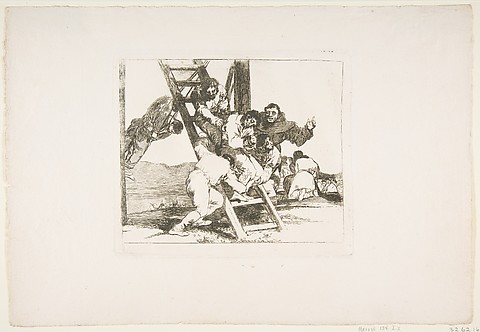
Plate 46 from "The Disasters of War" (Los Desastres de la Guerra): 'This is bad' (Esto es malo), Goya, 1810 (published 1863)Francisco de GoyaPlate 46 from "The Disasters of War" (Los Desastres de la Guerra): 'This is bad' (Esto es malo)1810 (published 1863)Metropolitan Museum of Art
Plate 50 from "The Disasters of War" (Los Desastres de la Guerra): 'Unhappy mother!' (Madre Infeliz!), Goya, 1811–12 (published 1863)Francisco de GoyaPlate 50 from "The Disasters of War" (Los Desastres de la Guerra): 'Unhappy mother!' (Madre Infeliz!)1811–12 (published 1863)Metropolitan Museum of Art
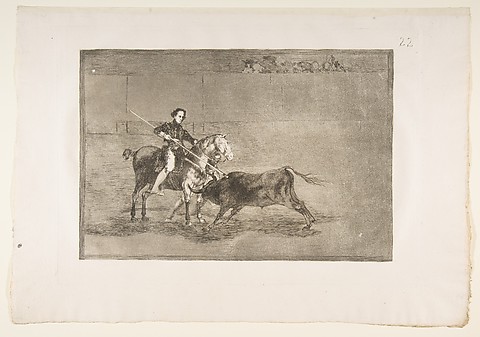
Plate 22 from "La Tauromaquia": Manly courage of the celebrated Pajuelera in [the ring] at Zaragoza, Goya, 1816Francisco de GoyaPlate 22 from "La Tauromaquia": Manly courage of the celebrated Pajuelera in [the ring] at Zaragoza1816Metropolitan Museum of Art
Plate 52 from "The Disasters of War" (Los Desastres de la Guerra): 'They do not arrive in time' (No llegan á tiempo), Goya, 1811–12 (published 1863)Francisco de GoyaPlate 52 from "The Disasters of War" (Los Desastres de la Guerra): 'They do not arrive in time' (No llegan á tiempo)1811–12 (published 1863)Metropolitan Museum of Art
Plate 55 from "The Disasters of War" (Los Desastres de la Guerra): 'The worst is to beg' (Lo peor es pedir), Goya, 1811–12 (published 1863)Francisco de GoyaPlate 55 from "The Disasters of War" (Los Desastres de la Guerra): 'The worst is to beg' (Lo peor es pedir)1811–12 (published 1863)Metropolitan Museum of Art
Plate 37 from "The Disasters of War" (Los Desastres de La Guerra): 'This is worse' (Esto es peor), Goya, 1810 (published 1863)Francisco de GoyaPlate 37 from "The Disasters of War" (Los Desastres de La Guerra): 'This is worse' (Esto es peor)1810 (published 1863)Metropolitan Museum of Art
Philip IV on horseback, after Velázquez, Goya, 1778Francisco de GoyaPhilip IV on horseback, after Velázquez1778Metropolitan Museum of Art
Plate 25 from "The Disasters of War" (Los Desastres de la Guerra): 'These too' (Tambien estos), Goya, 1810 (published 1863)Francisco de GoyaPlate 25 from "The Disasters of War" (Los Desastres de la Guerra): 'These too' (Tambien estos)1810 (published 1863)Metropolitan Museum of Art
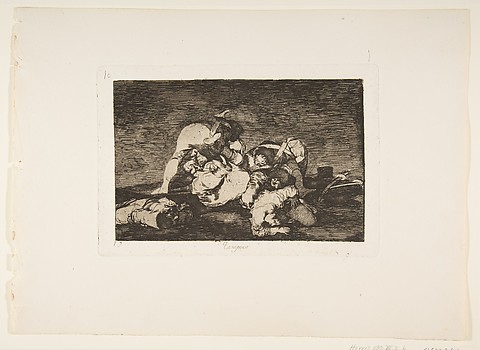
Plate10 from "The Disasters of War" (Los Desastres de la Guerra): Nor [do these] either (Tampoco), Goya, 1810 (published 1863)Francisco de GoyaPlate10 from "The Disasters of War" (Los Desastres de la Guerra): Nor [do these] either (Tampoco)1810 (published 1863)Metropolitan Museum of Art
Plate 35 from "The Disasters of War" (Los Desastres de La Guerra): 'One Can't Tell Why' (No se puede saber por qué), Goya, ca. 1810 (published 1863)Francisco de GoyaPlate 35 from "The Disasters of War" (Los Desastres de La Guerra): 'One Can't Tell Why' (No se puede saber por qué)ca. 1810 (published 1863)Metropolitan Museum of Art
Plate 56 from "Los Caprichos": To rise and to fall (Subir y bajar), Goya, 1799Francisco de GoyaPlate 56 from "Los Caprichos": To rise and to fall (Subir y bajar)1799Metropolitan Museum of Art
Plate 14 from "The Disasters of War" (Los Desastres de la Guerra): 'It's a Hard Step!' (Duro es el paso!), Goya, ca. 1810Francisco de GoyaPlate 14 from "The Disasters of War" (Los Desastres de la Guerra): 'It's a Hard Step!' (Duro es el paso!)ca. 1810Metropolitan Museum of Art
Plate 20 from "The Disasters of War" (Los Desastres de la Guerra): 'Get them well, and on to the next' (Curarlos y á otra), Goya, 1810Francisco de GoyaPlate 20 from "The Disasters of War" (Los Desastres de la Guerra): 'Get them well, and on to the next' (Curarlos y á otra)1810Metropolitan Museum of Art
'Animal Folly' from the 'Disparates' (Follies / Irrationalities), Goya, ca. 1815–19 (published before 1877)Francisco de Goya'Animal Folly' from the 'Disparates' (Follies / Irrationalities)ca. 1815–19 (published before 1877)Metropolitan Museum of Art
Plate 72 from "The Disasters of War" (Los Desastres de la Guerra): 'The Consequences' (Las resultas), Goya, 1814–15 (published 1863)Francisco de GoyaPlate 72 from "The Disasters of War" (Los Desastres de la Guerra): 'The Consequences' (Las resultas)1814–15 (published 1863)Metropolitan Museum of Art
The horse abductor, from "The Disparates" (Follies / Irrationalities), Goya, ca. 1815–19 (published 1864)Francisco de GoyaThe horse abductor, from "The Disparates" (Follies / Irrationalities)ca. 1815–19 (published 1864)Metropolitan Museum of Art
Blind Singer, Goya, Ca. 1824–28 (published second half of the 19th century)Francisco de GoyaBlind SingerCa. 1824–28 (published second half of the 19th century)Metropolitan Museum of Art
Plate 38 from "The Disasters of War" (Los Desastres de La Guerra): Barbarians! (Bárbaros!), Goya, 1810 (published 1863)Francisco de GoyaPlate 38 from "The Disasters of War" (Los Desastres de La Guerra): Barbarians! (Bárbaros!)1810 (published 1863)Metropolitan Museum of Art
Plate 30 from "The Disasters of War" (Los Desastres de la Guerra): 'Ravages of War' (Estragos de la guerra), Goya, 1810Francisco de GoyaPlate 30 from "The Disasters of War" (Los Desastres de la Guerra): 'Ravages of War' (Estragos de la guerra)1810Metropolitan Museum of Art
Plate 10 from "Los Caprichos": Love and death (El amor y la muerte), Goya, 1799Francisco de GoyaPlate 10 from "Los Caprichos": Love and death (El amor y la muerte)1799Metropolitan Museum of Art
Plate 7 from "La Tauromaquia": Origin of the harpoon or banderillas, Goya, 1816Francisco de GoyaPlate 7 from "La Tauromaquia": Origin of the harpoon or banderillas1816Metropolitan Museum of Art
'Merry Folly' from the 'Disparates' (Follies / Irrationalities), Goya, ca. 1815–19 (published 1864)Francisco de Goya'Merry Folly' from the 'Disparates' (Follies / Irrationalities)ca. 1815–19 (published 1864)Metropolitan Museum of Art
Philip III, King of Spain on horseback, after Velázquez, Goya, 1778Francisco de GoyaPhilip III, King of Spain on horseback, after Velázquez1778Metropolitan Museum of Art
Plate 55 from "Los Caprichos": Until death (Hasta la muerte), Goya, 1799Francisco de GoyaPlate 55 from "Los Caprichos": Until death (Hasta la muerte)1799Metropolitan Museum of Art
'Flying Folly' from the 'Disparates' (Follies / Irrationalities), Goya, ca. 1815–19 (published 1864)Francisco de Goya'Flying Folly' from the 'Disparates' (Follies / Irrationalities)ca. 1815–19 (published 1864)Metropolitan Museum of Art
Plate 61 from "The Disasters of War" (Los Desastres de la Guerra): 'Perhaps they are of another breed' (Si son de otro linage), Goya, 1811–12 (published 1863)Francisco de GoyaPlate 61 from "The Disasters of War" (Los Desastres de la Guerra): 'Perhaps they are of another breed' (Si son de otro linage)1811–12 (published 1863)Metropolitan Museum of Art
Plate 30 from "Los Caprichos": Why hide them? (Porque esconderlos?), Goya, 1799Francisco de GoyaPlate 30 from "Los Caprichos": Why hide them? (Porque esconderlos?)1799Metropolitan Museum of Art
'Poor Folly' from the 'Disparates' (Follies / Irrationalities), Goya, ca. 1815–19 (published 1864)Francisco de Goya'Poor Folly' from the 'Disparates' (Follies / Irrationalities)ca. 1815–19 (published 1864)Metropolitan Museum of Art
137