 Nicolai AbildgaardDänemark, 1743–1809
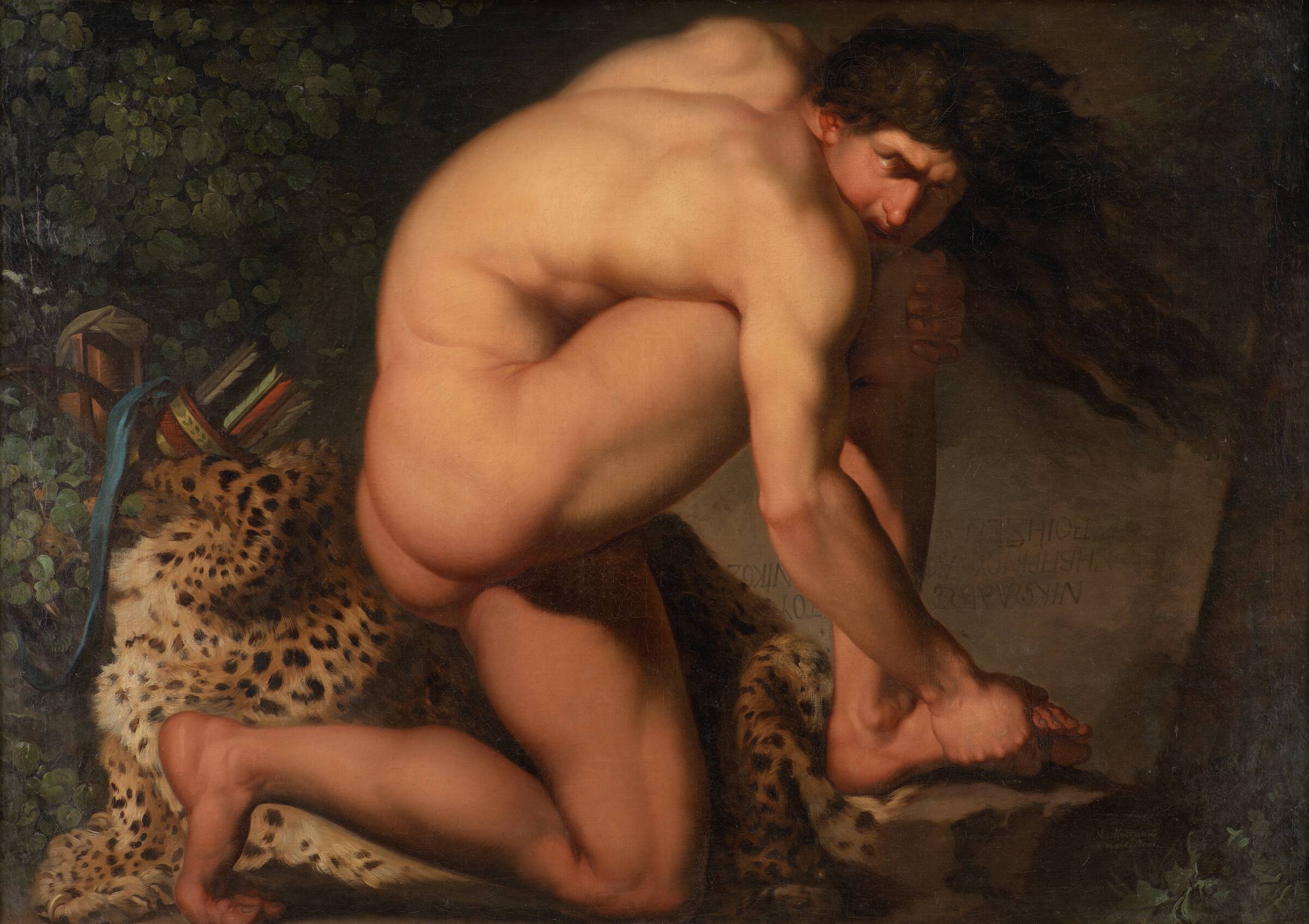
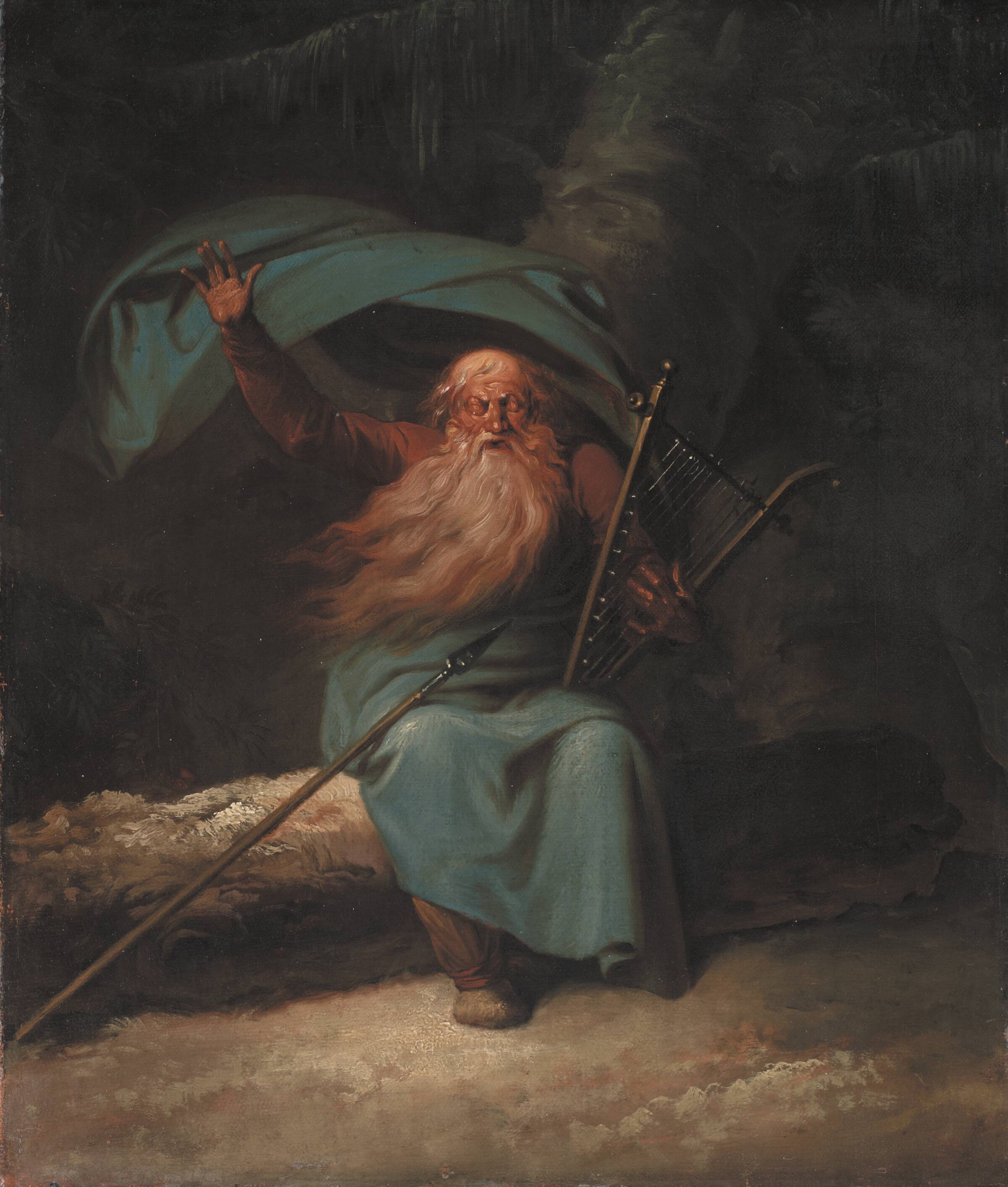
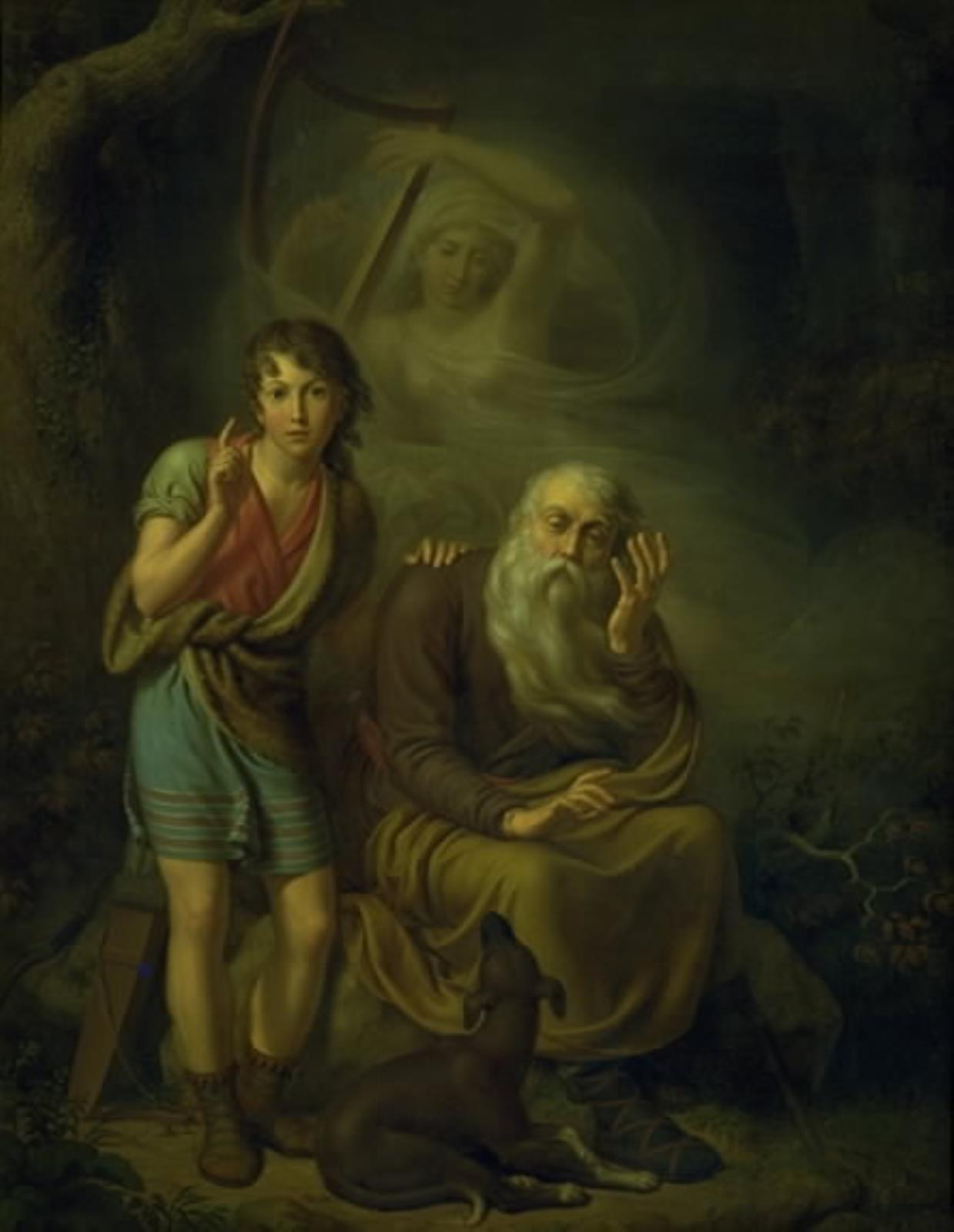
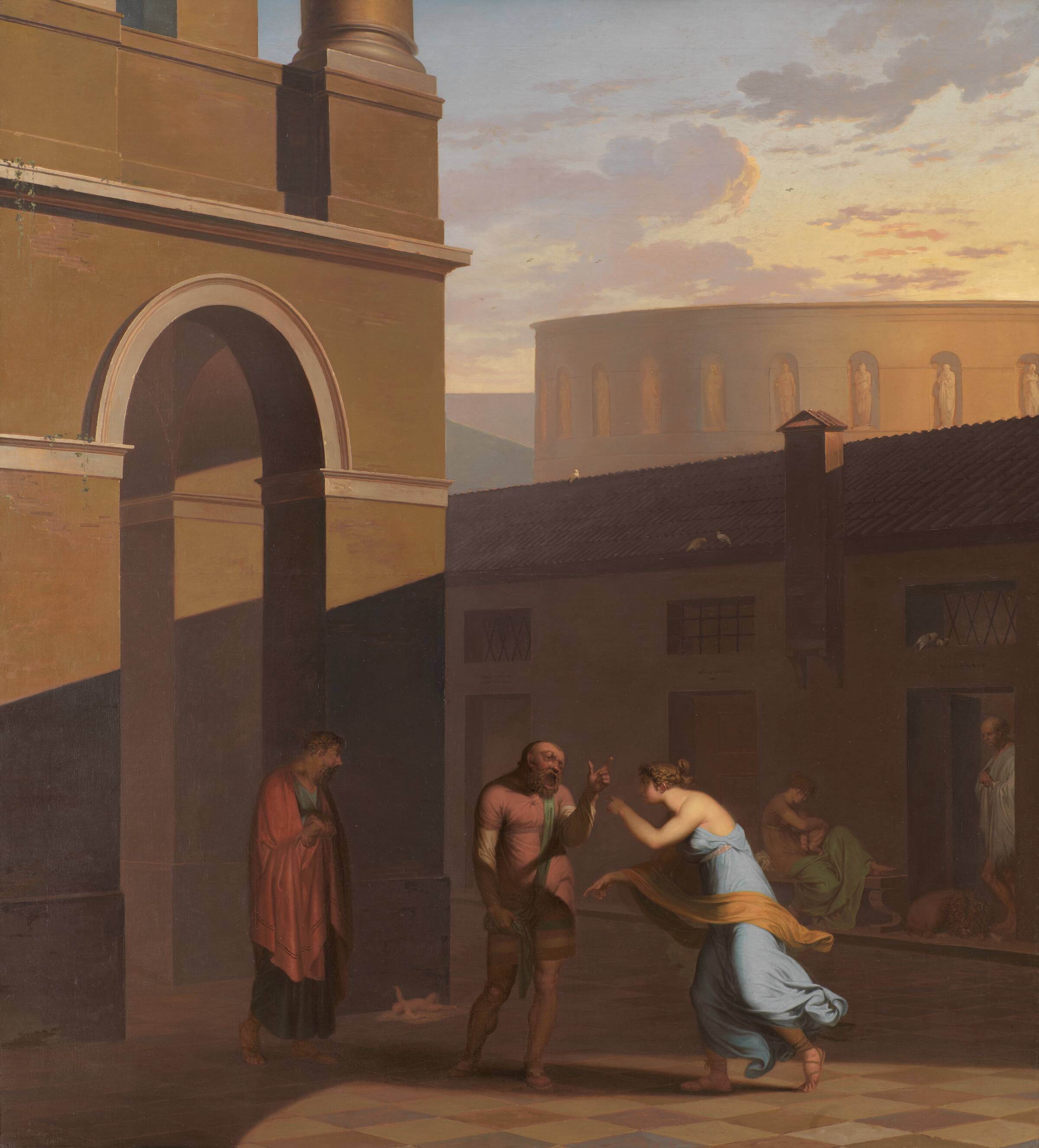
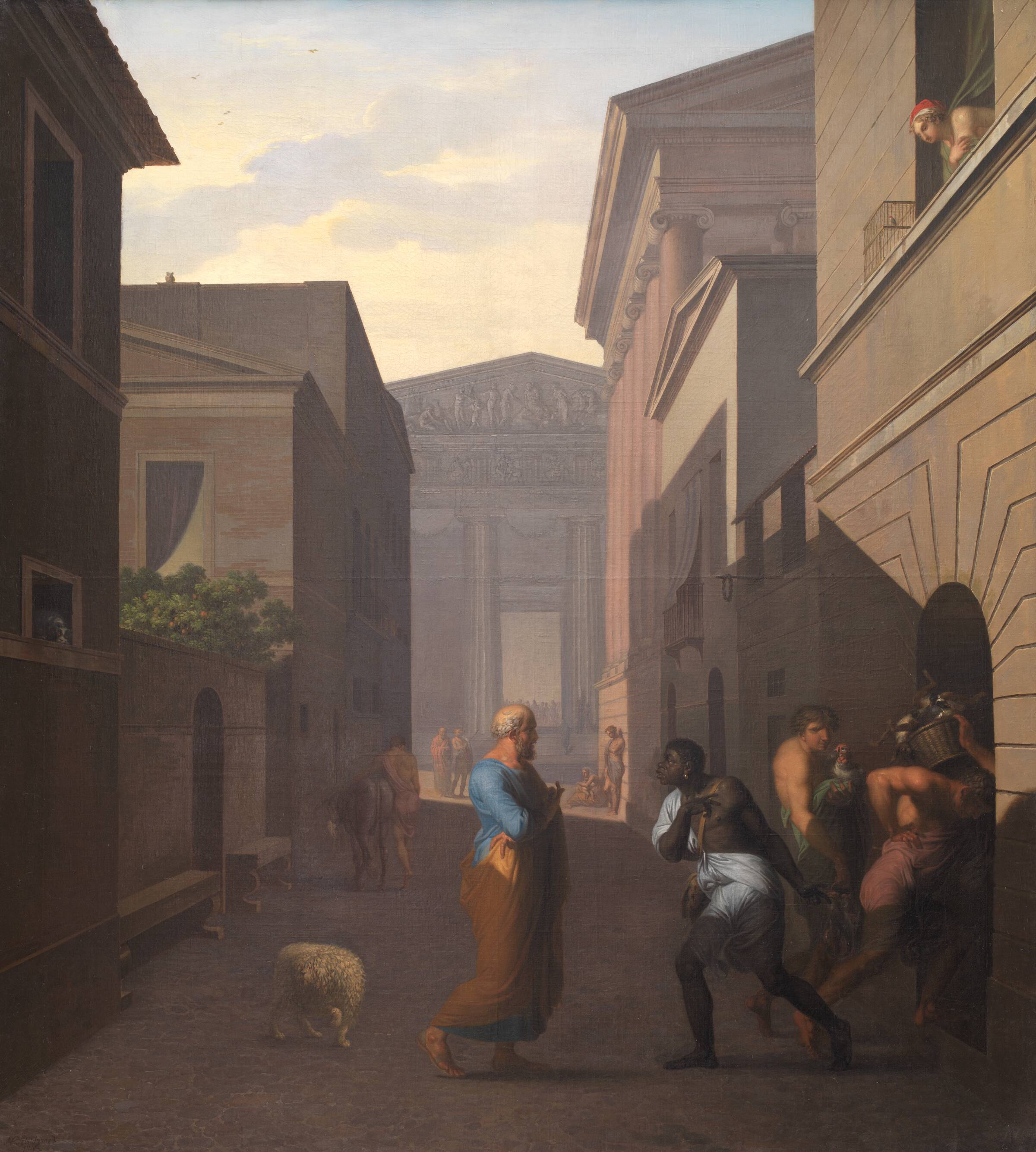
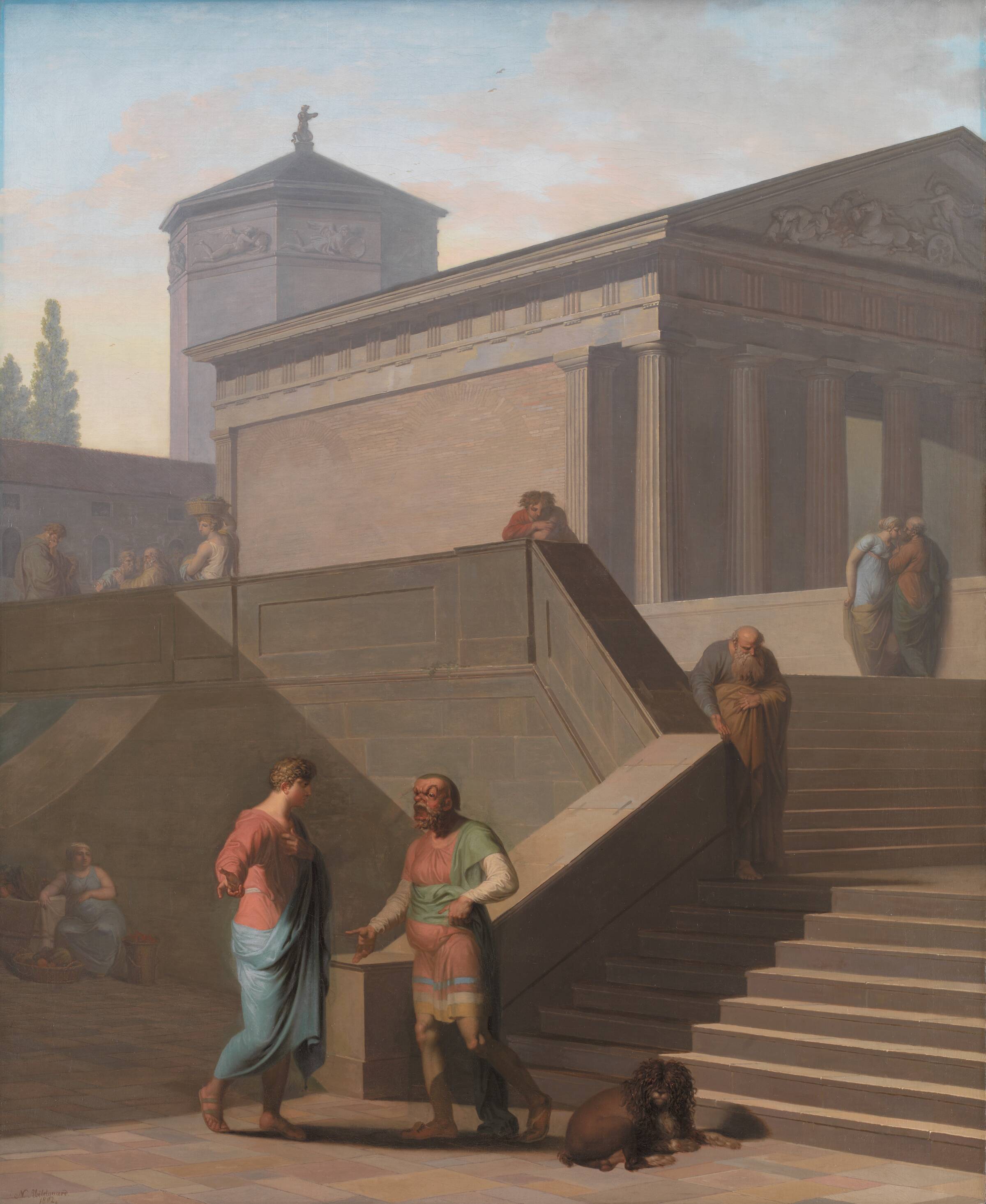
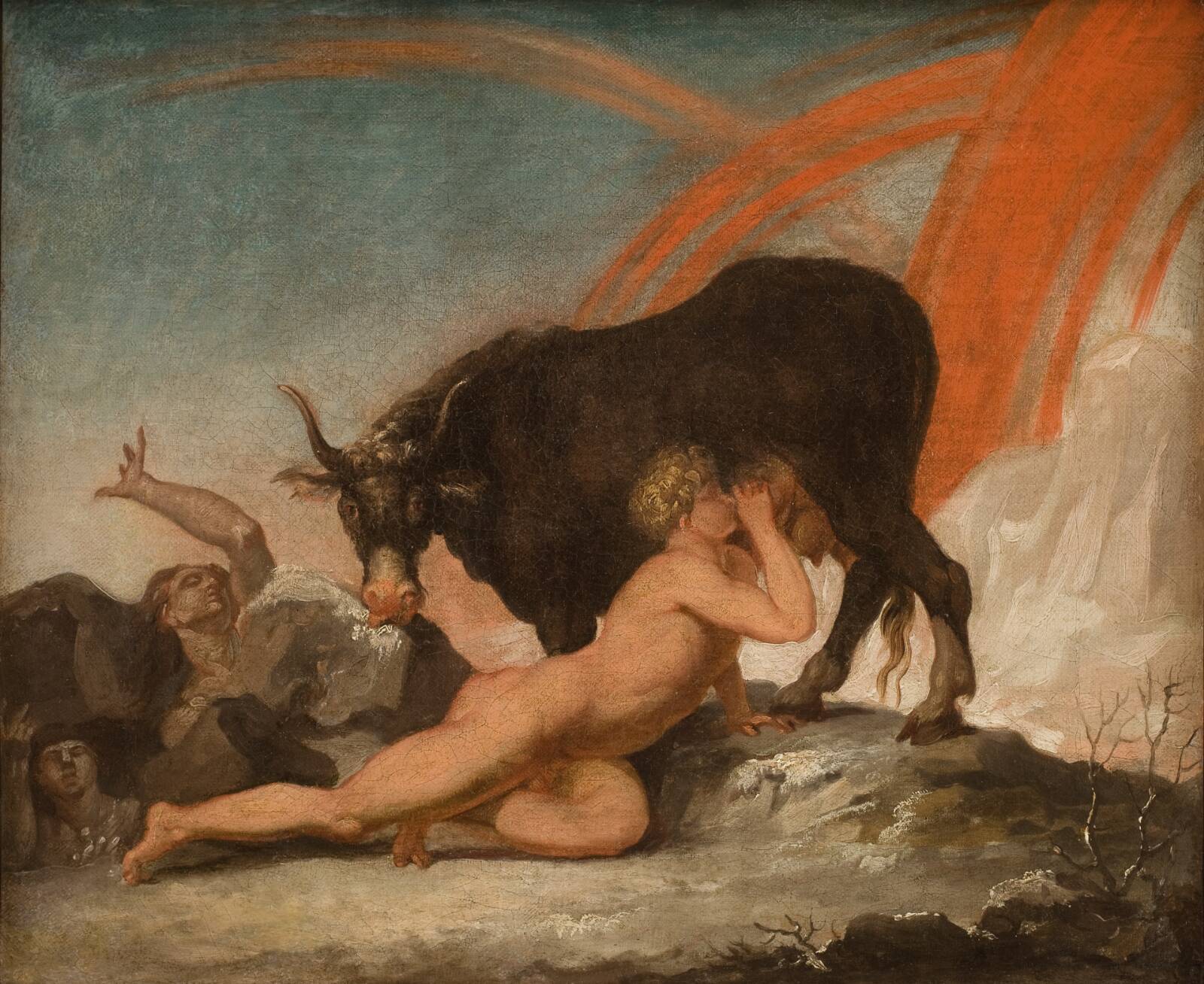
Ymer dier koen Ødhumbla
Kann ich es sehen?
Ja, derzeit ausgestellt
Wo ist „Ymer dier koen Ødhumbla“ heute? Statens Museum for Kunst, Saal 217B, Kopenhagen. Ja, derzeit ausgestellt. Geprüft 29. September 2026.

Kopenhagen, Dänemark
Geschlossen· öffnet morgen um 10:00
Öffentlich ausgestellt.
- Geprüft
- Unverändert seit
- Quelle
- Das Museum
Angaben
- Inventarnummer
- KMS3397
Im Katalog
Ausstellungen
Ausgestellt · Saal 217B
Statens Museum for Kunst · 28. Sept. 2026 — jetzt · Geprüft
War ausgestellt
Statens Museum for Kunst · 19. Aug. 2026 — 28. Sept. 2026 · Geprüft
Quellen
- Statens Museum for Kunst
- Bild: Statens Museum for Kunst — public domain
Im Leben von Nicolai Abildgaard
Das ganze Leben1772–1777
Sergel and Füssli: a turn towards Romanticism
In the company of the Swedish sculptor Johan Tobias Sergel and the painter Johann Heinrich Füssli, Abildgaard began to move away from academic classicism and came to love Shakespeare, Homer and Ossian. Themes from Greek and Norse mythology placed him at the forefront of Nordic Romanticism.
1772–1777 · Wirkungsort
Rome
1776
A trip to Naples with Jens Juel
From Rome Abildgaard made a side trip to Naples with Jens Juel. Juel’s portrait of Abildgaard was turned into a medallion by Abildgaard’s friend Johan Tobias Sergel.
June – December 1777
Home by way of Paris, hoping for a professorship
In June 1777 Abildgaard left Rome, hoping to become a professor at the Academy in Copenhagen. He stopped in Paris on the way and reached Denmark in December.
1778
Professor at the Academy of Art
Soon after joining the Academy Abildgaard was appointed to a professorship, teaching mythology and anatomy as well as neoclassical painting. His pupils included Asmus Jacob Carstens, the sculptor Bertel Thorvaldsen and the painters Johan Ludvig Lund and Christoffer Wilhelm Eckersberg.
c. 1780
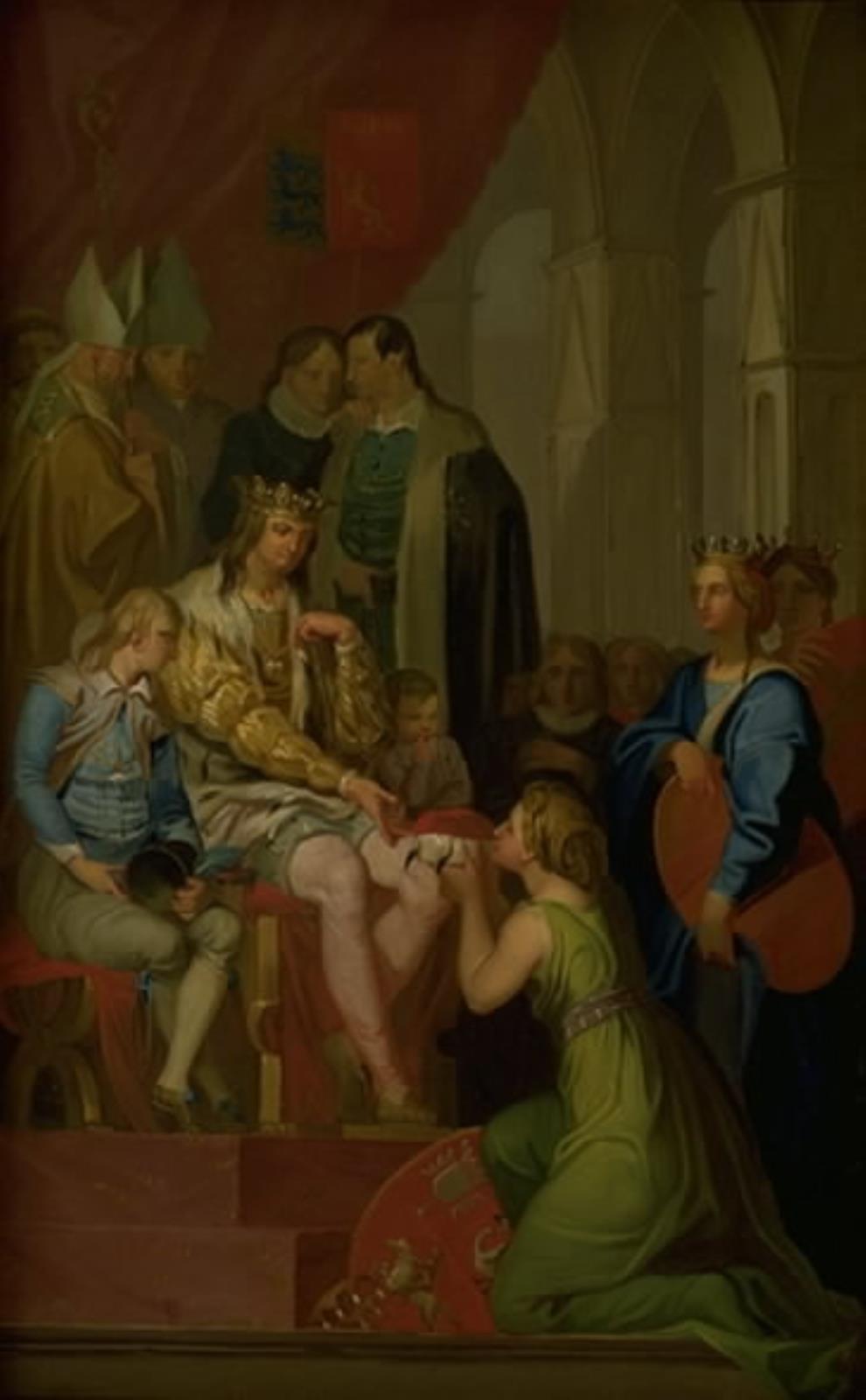
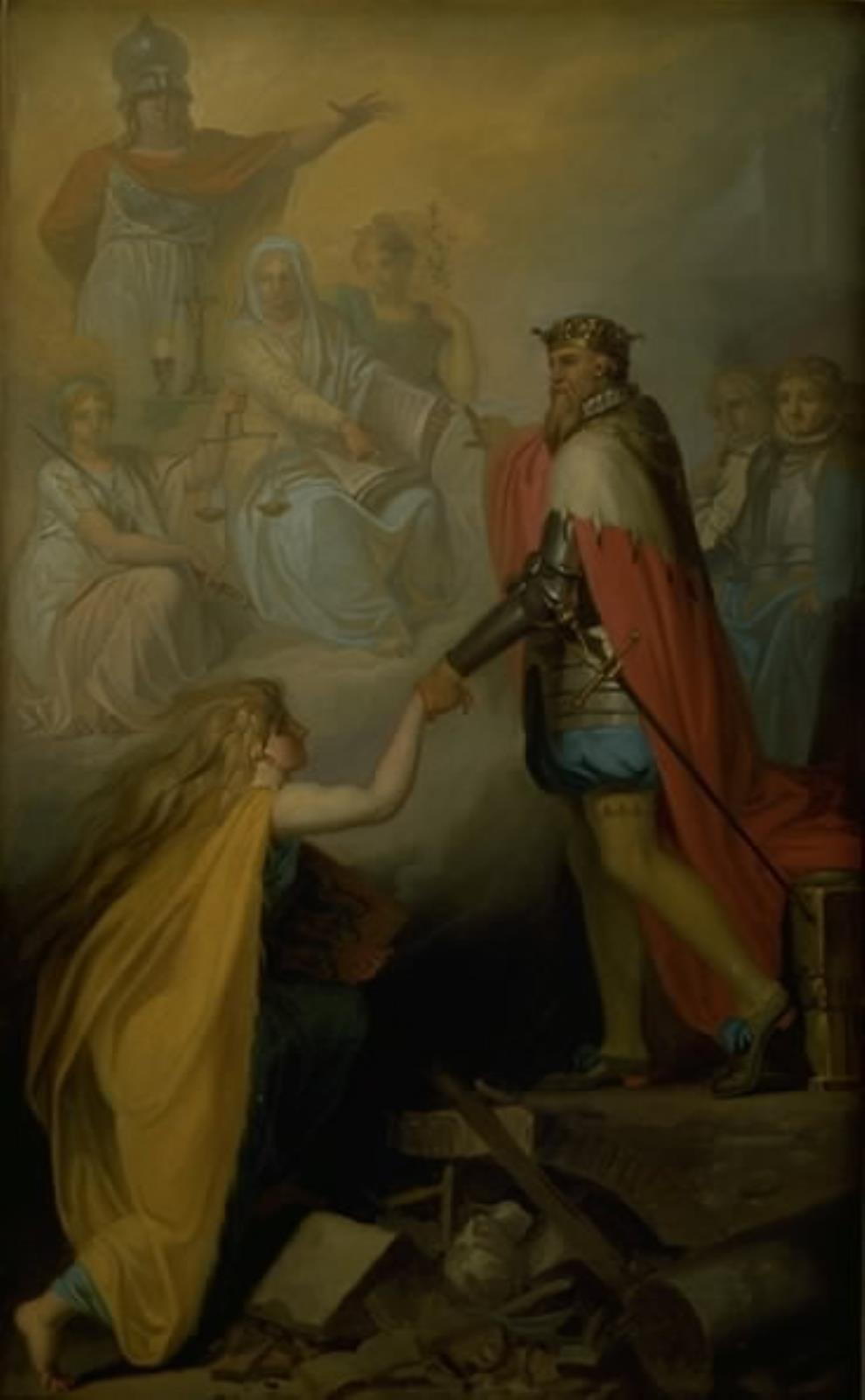
The commission for the Knights’ Hall at Christiansborg
As royal history painter Abildgaard received a prestigious and lucrative commission for a monumental history of Denmark to fill the Knights’ Hall of Christiansborg Palace. The allegorical and mythological imagery glorified the government, while his teacher Mandelberg supplied the room’s decorations.