Fra AngelicoItalien, 1400–1455
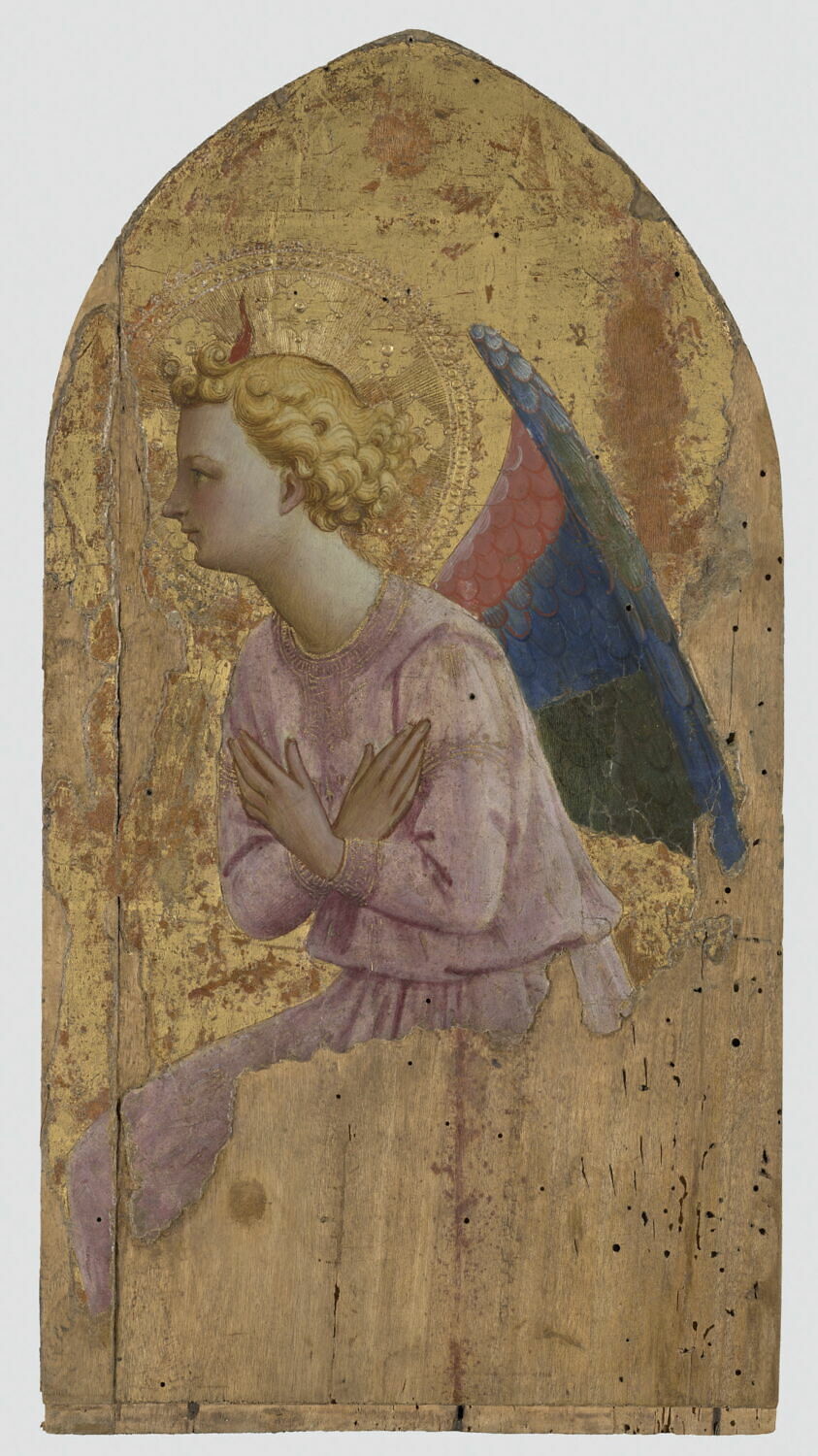
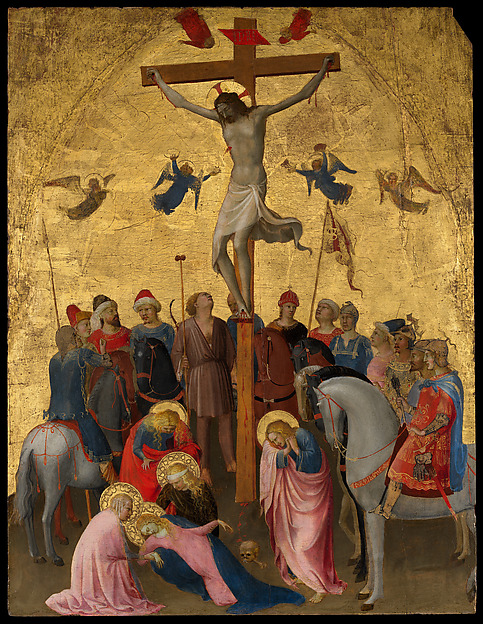
Virgin and Child
Kann ich es sehen?
Unbekannt
Wo ist „Virgin and Child“ heute? Sammlung: Yale University Art Gallery, New Haven. Ob es heute ausgestellt ist, ist unbekannt.
New Haven, Vereinigte Staaten
Der Besitzer ist bekannt; ob das Werk derzeit ausgestellt ist, nicht.
- Unverändert seit
- Quelle
- Das Museum
Angaben
- Inventarnummer
- 2015.31.1
Im Katalog
Quellen
- Yale University Art Gallery
- Bild: Yale University Art Gallery — Image: Yale University Art Gallery
Im Leben von Fra Angelico
Das ganze Leben1436
Moves to Florence, to the new convent of San Marco
In 1436 Angelico was one of a number of friars from Fiesole who moved to the newly built convent of San Marco in Florence. This placed him at the heart of the artistic life of the region.
after 1436
The patronage of Cosimo de' Medici
Angelico soon attracted the patronage of Cosimo de' Medici, one of the wealthiest and most powerful members of the Signoria and the founder of the Medici dynasty. Cosimo had a cell reserved for himself at the convent of San Marco as a retreat from the world and, according to Vasari, commissioned Angelico to decorate the convent with frescoes.
1436–1445
Contacts with Florence's artistic circles
During his years in Florence Angelico was certainly in contact with the city's three artistic circles: the school of miniaturists, the workshops of the last followers of Giotto, and a group of young sculptors and architects destined for great fame: Jacopo della Quercia, Lorenzo Ghiberti, Filippo Brunelleschi and Donatello.
1445
Summoned to Rome by Pope Eugene IV
In 1445 Pope Eugene IV summoned Angelico to Rome to paint the frescoes of the Chapel of the Holy Sacrament at St Peter's, later demolished by Pope Paul III.
1445 · Wirkungsort
Rome
1447
To Orvieto with his pupil Benozzo Gozzoli
In 1447 Angelico and his pupil Benozzo Gozzoli travelled to Orvieto to produce works for the Cathedral of the Assumption of Mary. In the Cappella Nuova he painted, with Gozzoli's assistance, three segments of the ceiling: “Christ in Glory”, “The Virgin Mary” and “The Apostles”.