Fra Filippo LippiItalien, 1406–1469
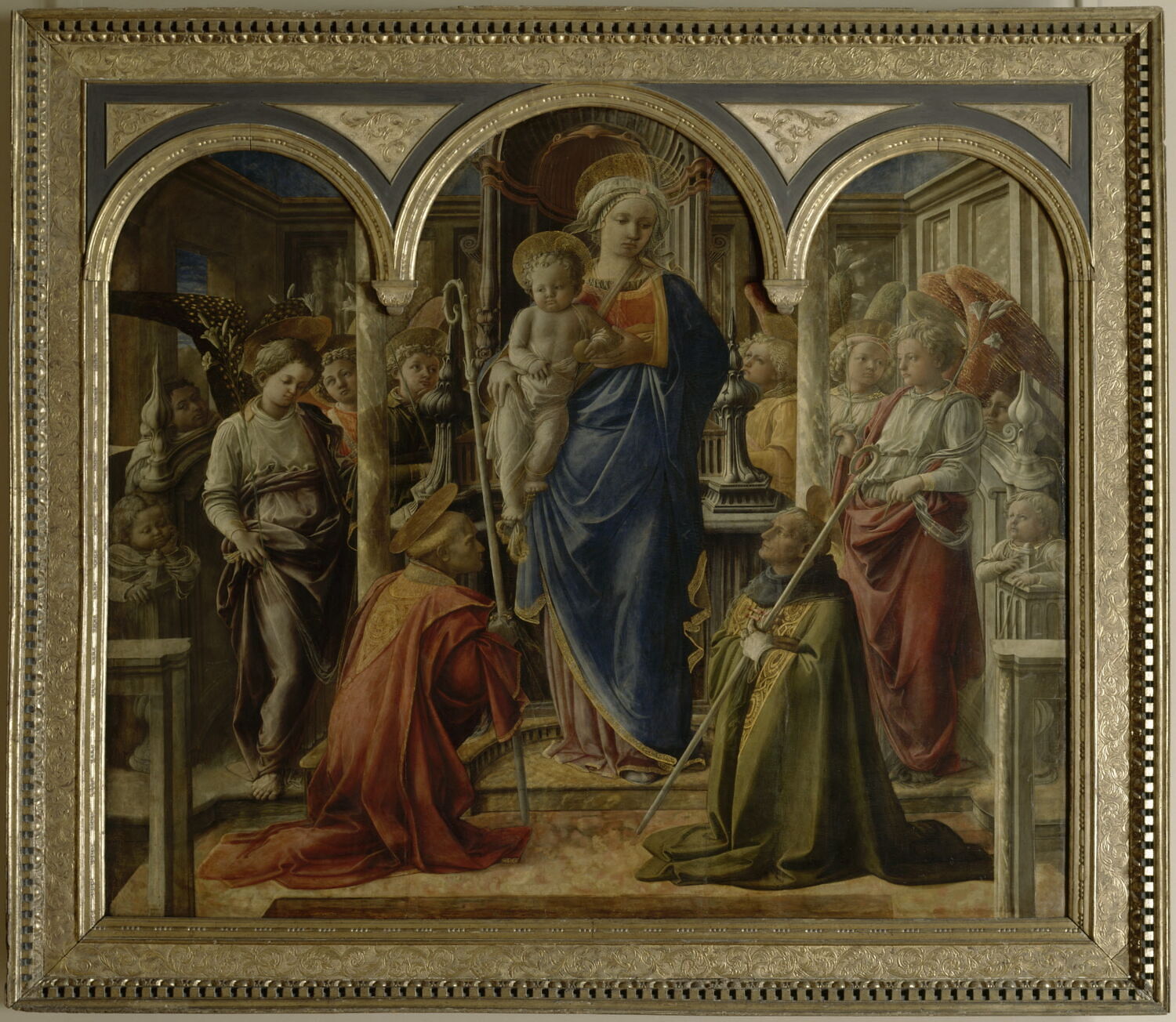
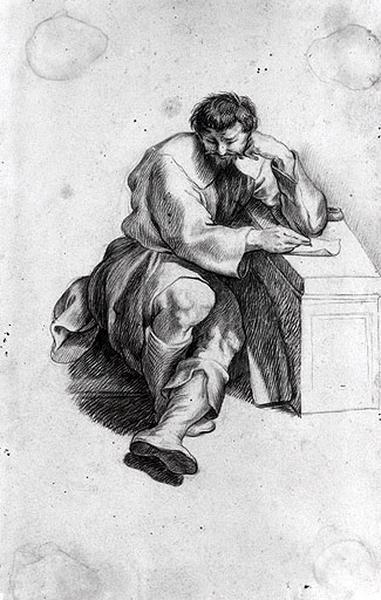
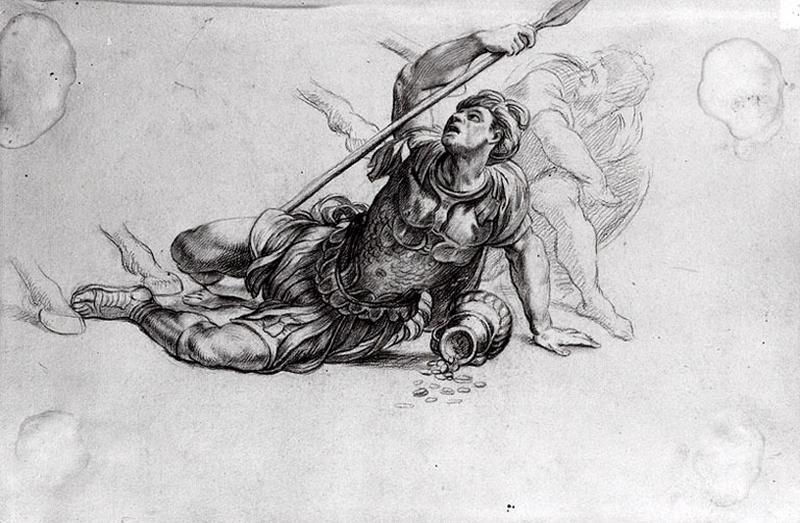
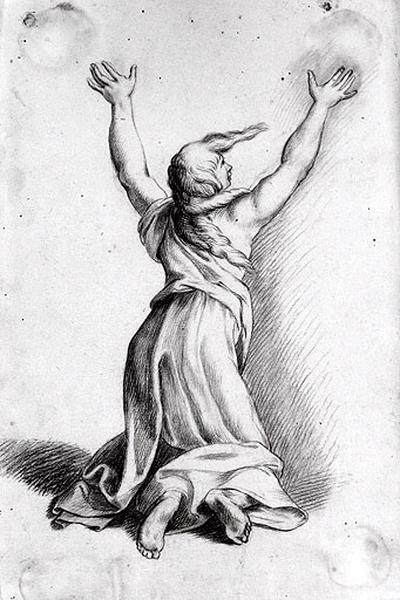
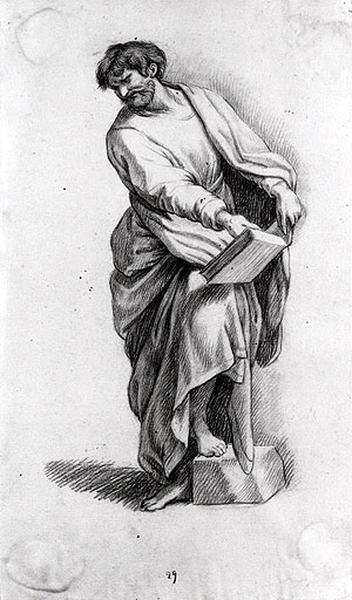
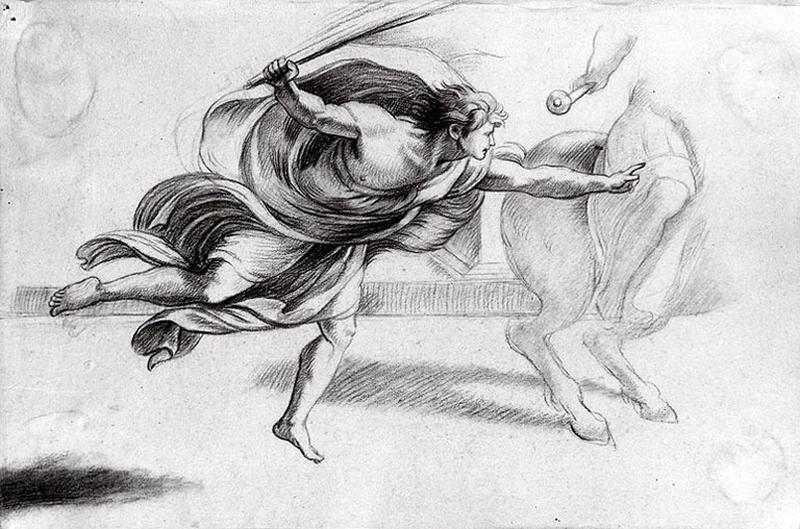
Vierge de l'Annonciation
Kann ich es sehen?
Unbekannt
Wo ist „Vierge de l'Annonciation“ heute? Sammlung: Musée des Beaux-Arts, Rennes. Unbekannt.
Rennes, Frankreich
Der Besitzer ist bekannt; ob das Werk derzeit ausgestellt ist, nicht.
- Unverändert seit
- Quelle
- Das Museum
Über das Werk
In den Worten des Museums — auf Französisch
plume et encre brune, lavis brun avec rehauts de blanc
Musée des Beaux-Arts
Angaben
- Inventarnummer
- Inv 794.1.2992
Was es zeigt
Im Katalog
Quellen
- Musée des Beaux-Arts
- Bild: Musée des Beaux-Arts — © Rennes, musée des beaux-arts, © Service des musées de France, 2012; Ministère de la Culture (France), base Joconde
Im Leben von Fra Filippo Lippi
Das ganze Leben1452
Chaplain to the nuns of Santa Maria Maddalena
In 1452 Lippi becomes chaplain to the nuns of the Monastery of Santa Maria Maddalena in Florence. Despite the income from this and other posts he remains in debt and lives in poverty.
1456
Lucrezia Buti: an abduction from the convent in Prato
In 1456 Lippi, who was painting frescoes in the cathedral of Prato, abducts a young novice, Lucrezia Buti, from a convent and lives with her. According to Vasari, having been commissioned by the nuns of Santa Margherita to paint an altarpiece, he obtained permission to paint the Madonna from her, fell in love and took her away on the day she went to see the procession of the Virgin’s girdle. Other accounts place the meeting in 1458, although the son from this relationship was born in 1457.
after 1456
The pope allows a marriage: Cosimo de’ Medici intercedes
Lippi suffered many troubles and anxieties from his rash act, until the pope, at the intercession of Cosimo de’ Medici, gave him and Lucrezia permission to marry; it is not known whether they used it. According to another version, the painter was poisoned before the permission arrived.
after 1456
Creditors, prison and noble patrons
Despite his fame Lippi knew no peace because of his disorderly life and extravagance: creditors pursued him and he found himself in prison more than once, but each time noble patrons got him out.
8 October 1469
Death in Spoleto: the poisoning version
Lippi dies in Spoleto on or about 8 October 1469, while still working on the apse frescoes; the mode of his death is a matter of dispute: according to one version, before the pope’s permission to marry Lucrezia arrived he was poisoned by indignant relatives of Lucrezia or, in another version, by relatives of someone who had replaced her in the painter’s affections.
8. Oktober 1469
Died