ART WIKI32.963 ausgestellt
KarteSammlungKünstlerMuseenAusstellungenJournal
Anmelden

ART WIKI

Wo das Meisterwerk hängt und wann man vorgelassen wird.

Sammlungen: Art Institute of Chicago, Cleveland Museum of Art, Eremitage, Getty Villa, Harvard Art Museums, Hirshhorn Museum and Sculpture Garden, J. Paul Getty Museum, Louvre, Metropolitan Museum of Art, Minneapolis Institute of Art, Museum of Modern Art, National Gallery of Art, National Museum of Asian Art, National Portrait Gallery, Puschkin-Museum, Rijksmuseum Amsterdam, Russisches Museum, Smithsonian American Art Museum, Statens Museum for Kunst, Tretjakow-Galerie, Victoria and Albert Museum, Whitney Museum of American Art, Staatskatalog des Museumsfonds Russlands (274 Museen), Europeana (19 Museen), Wikidata (6 Museen), Paris Musées (12 Museen) und Joconde, die Museumsdatenbank des französischen Kulturministeriums (495 Museen). Die Bilder gehören ihren Rechteinhabern.

Rubriken

  • Karte
  • Suche
  • Sammlung
  • Meisterwerke
  • Jetzt ausgestellt
  • Künstler

Mehr

  • Museen & Galerien
  • Ausstellungen
  • Journal
  • Woher die Daten stammen
  • Datenschutz & Cookies
StartseiteKarteKatalog
  1. Sammlung/
  2. Louvre/
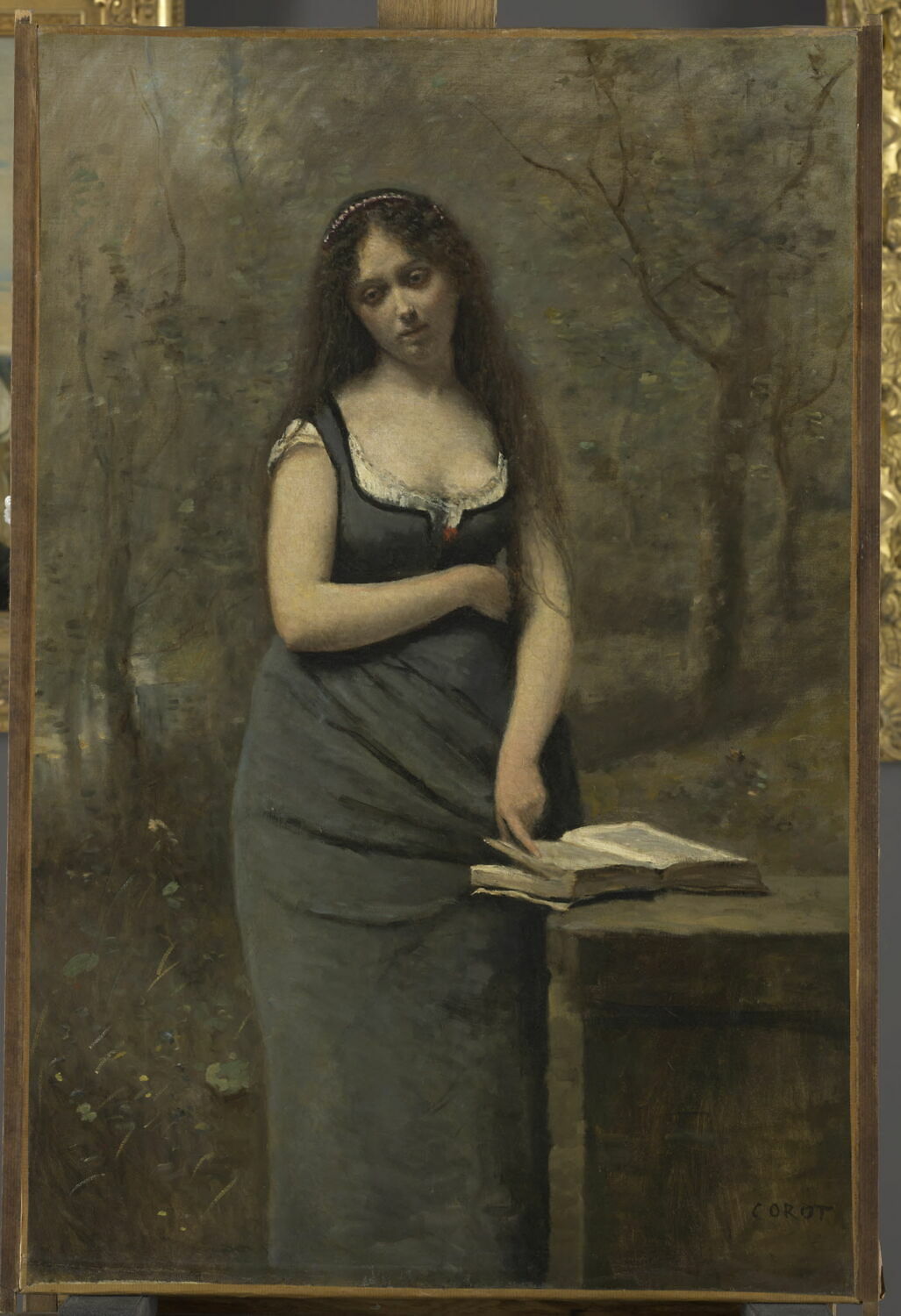
  3. Velléda.
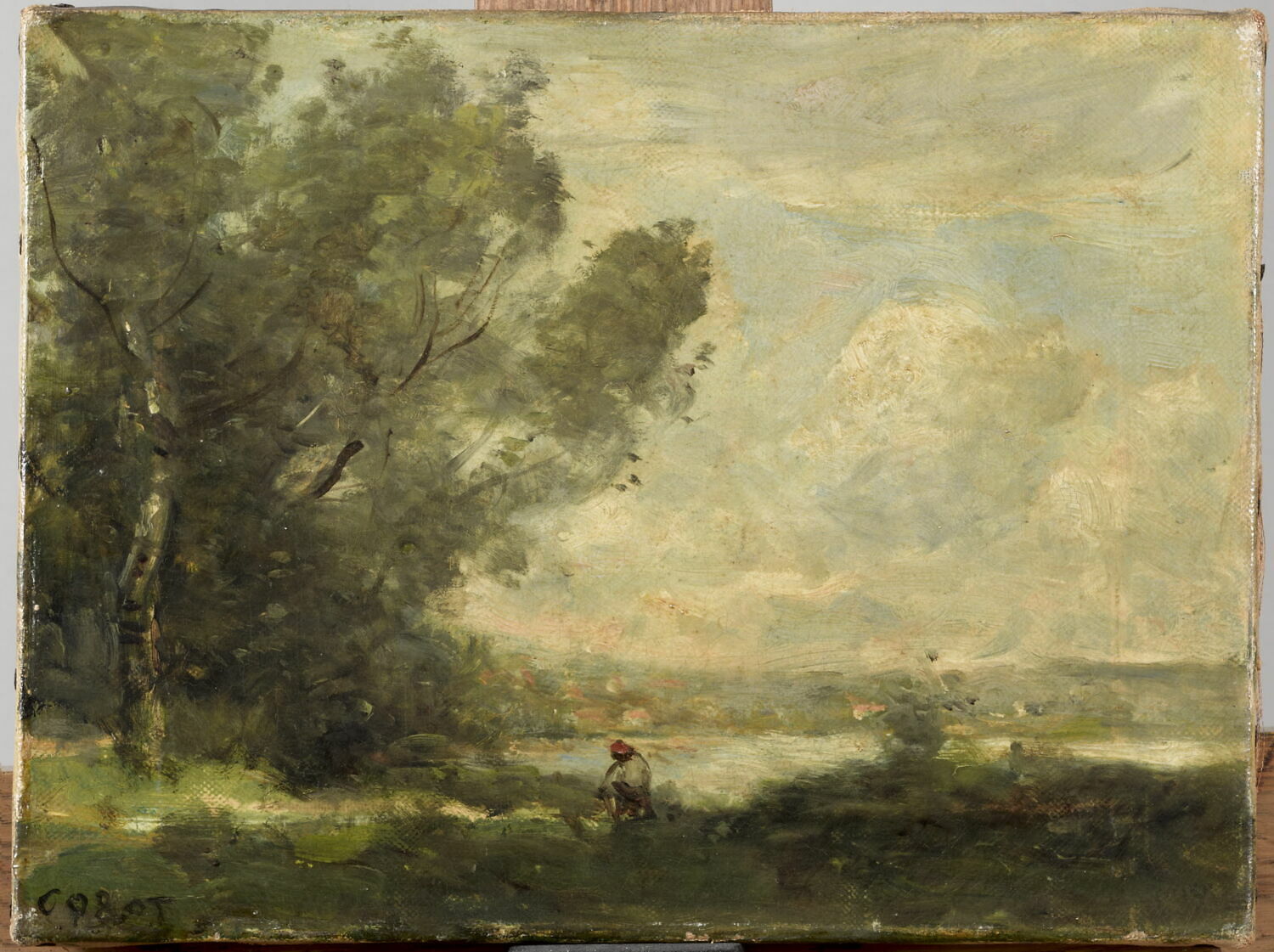
Velléda., Corot, Jean-Baptiste Camille, 3e quart du XIXe siècle (1850 - 1875)
Camille Corot, PorträtCamille CorotFrankreich, 1796–1875

Velléda.

3e quart du XIXe siècle (1850 - 1875) · Peintures

Darf man es sehen?

Ja, es empfängt Besucher

Louvre

Paris, Frankreich

Saal949, Aile Sully, Niveau 2

Öffentlich ausgestellt. Wer dafür bürgt, steht unten.

Geprüft
vor 11 Tagen
Unverändert seit
26. Sept. 2026
Quelle
Sammlungsdaten des Museums selbst
Auf der KarteMuseumsseite

Angaben

3e quart du XIXe siècle (1850 - 1875)
17961875
Inventarnummer
RF 1640

Im Katalog

GemäldeÖlFranzösische MalereiRealismus19. Jahrhundert

Quellen

  • Louvre: die offenen Daten des Museums · abgerufen vor 11 Tagen
  • Bild: Louvre — © 2016 GrandPalaisRmn (musée du Louvre) / Stéphane Maréchalle

Derweil im Leben von Camille Corot

Das ganze Leben
  1. 1848

    After the Revolution of 1848, a seat on the Salon jury

    Corot's public treatment improved dramatically after the Revolution of 1848, when he was admitted to the Salon jury; that year he also received a second-class medal at the Salon. It brought him little state patronage, however.

  2. 1851

    Death of his mother, Marie-Françoise Corot

    In 1851 Corot's mother, Marie-Françoise (1768–1851), née Oberson, died.

  3. 1862–1863

    Painting outdoors at Bussac-sur-Charente with Courbet

    In 1862 and 1863 Corot and his friend Gustave Courbet went to paint outdoors at Bussac-sur-Charente, working with Hippolyte Pradelle and Louis-Augustin Auguin and forming the short-lived “Port-Berteau group”.

  4. 1872

    A house in Auvers for the blind Daumier

    In 1872 Corot bought a house in Auvers as a gift for Honoré Daumier, who by then was blind, without resources and homeless.

  5. 25 January 1875

    Ill with stomach cancer, he returns to Paris

    Suffering from stomach cancer, Corot returned to Paris on 25 January 1875. He remained bedridden at No. 56 Rue du Faubourg-Poissonnière until his death.

  6. 22. Februar 1875

    Died

Mehr von Camille Corot

Alle Werke
Hagar in the Wilderness, Camille Corot, 1835

Hagar in the Wilderness

1835 · Metropolitan Museum of Art

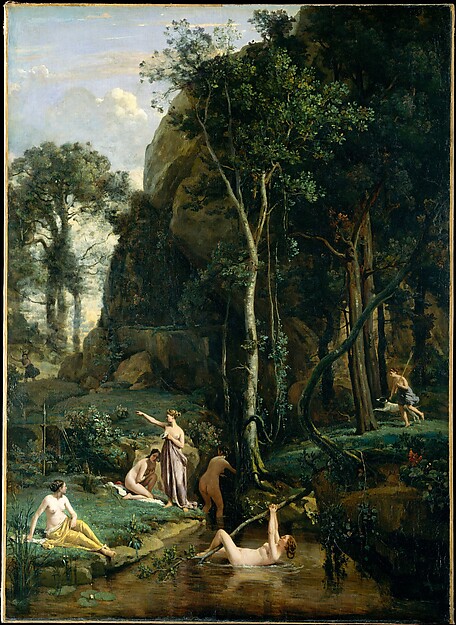
Diana and Actaeon (Diana Surprised in Her Bath), Camille Corot, 1836

Diana and Actaeon (Diana Surprised in Her Bath)

1836 · Metropolitan Museum of Art

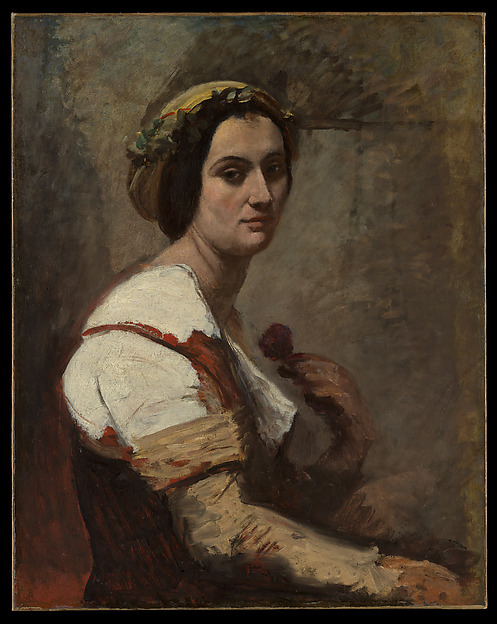
Sibylle, Camille Corot, ca. 1870

Sibylle

ca. 1870 · Metropolitan Museum of Art

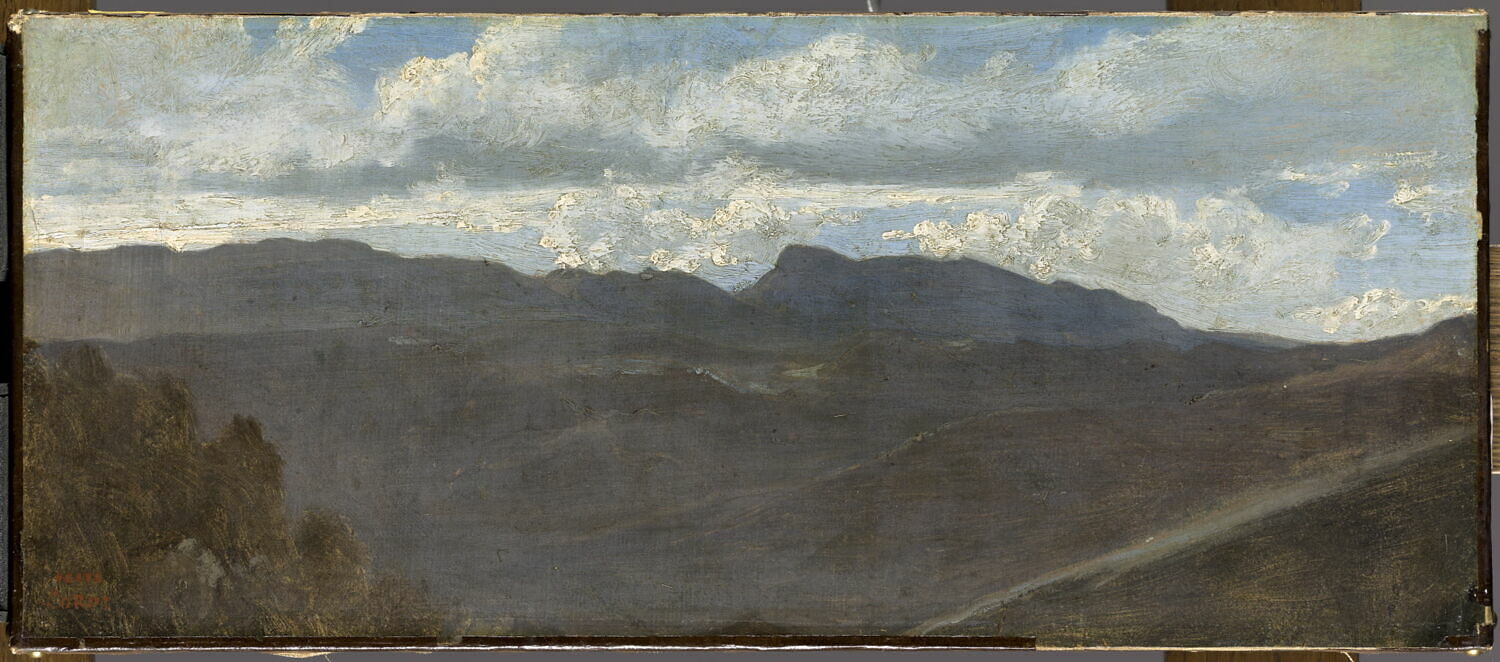
Mountainous Landscape, Camille Corot

Mountainous Landscape

Metropolitan Museum of Art

Paysage., Corot, Jean-Baptiste Camille, 2e quart du XIXe siècle (1632)

Paysage.

2e quart du XIXe siècle (1632) · Louvre

The Island and Bridge of San Bartolomeo, Rome, Jean-Baptiste-Camille Corot, 1825/1828

The Island and Bridge of San Bartolomeo, Rome

1825/1828 · National Gallery of Art

Italian Peasant Boy, Jean-Baptiste-Camille Corot, 1825/1827

Italian Peasant Boy

1825/1827 · National Gallery of Art

Panorama de la campagne romaine. Les monts Prenestini vus d'Olevano., Corot, Jean-Baptiste Camille, 2e quart du XIXe siècle (1825 - 1850)

Panorama de la campagne romaine. Les monts Prenestini vus d'Olevano.

2e quart du XIXe siècle (1825 - 1850) · Louvre

Nachbarn im Haus: Louvre

Museumsseite
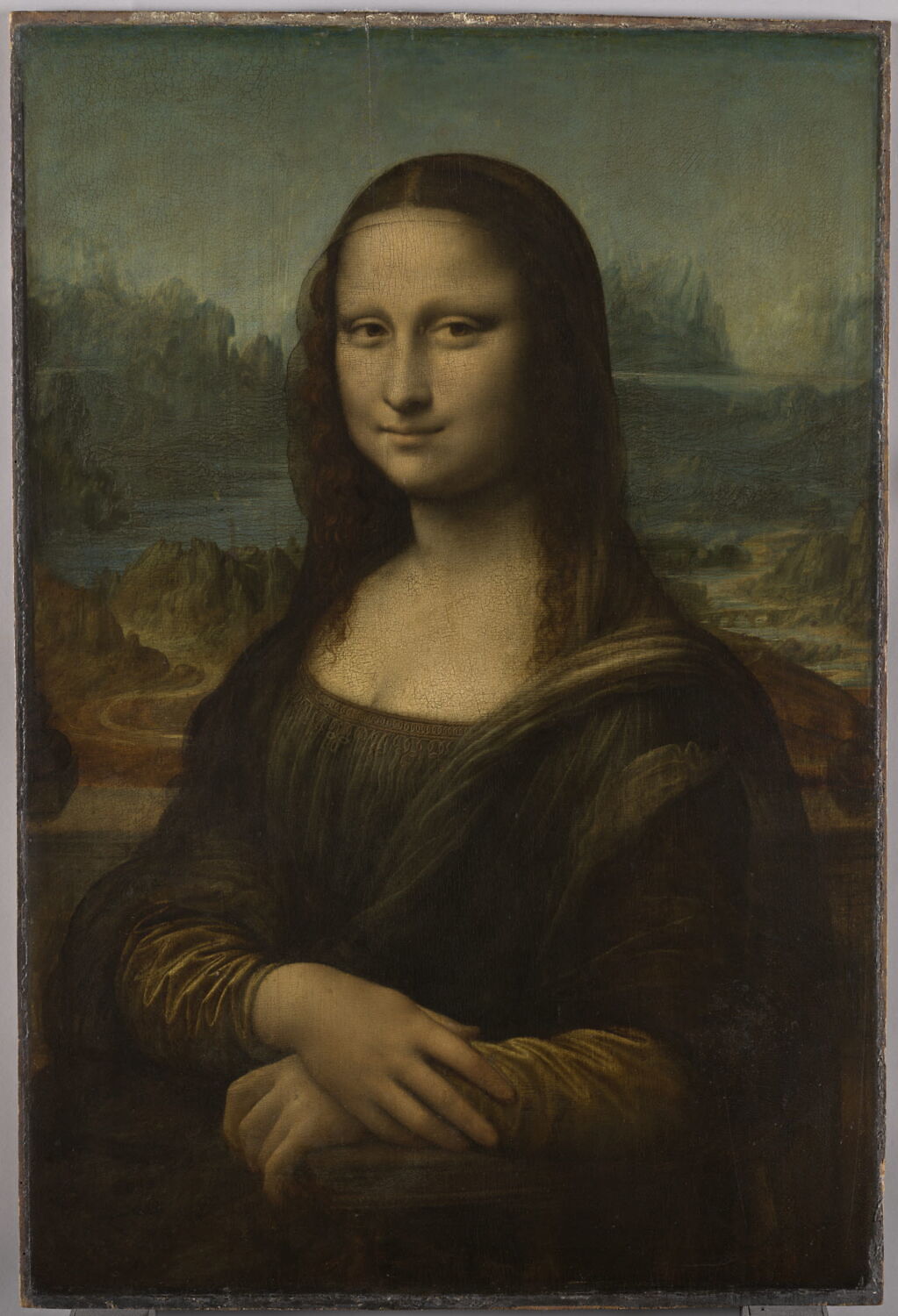
Portrait de Lisa Gherardini, épouse de Francesco del Giocondo, dit La Joconde ou Monna Lisa, Léonard de Vinci, 1e quart du XVIe siècle (1503 - 1519)

Leonardo da Vinci

Mona Lisa, 1e quart du XVIe siècle (1503 - 1519)

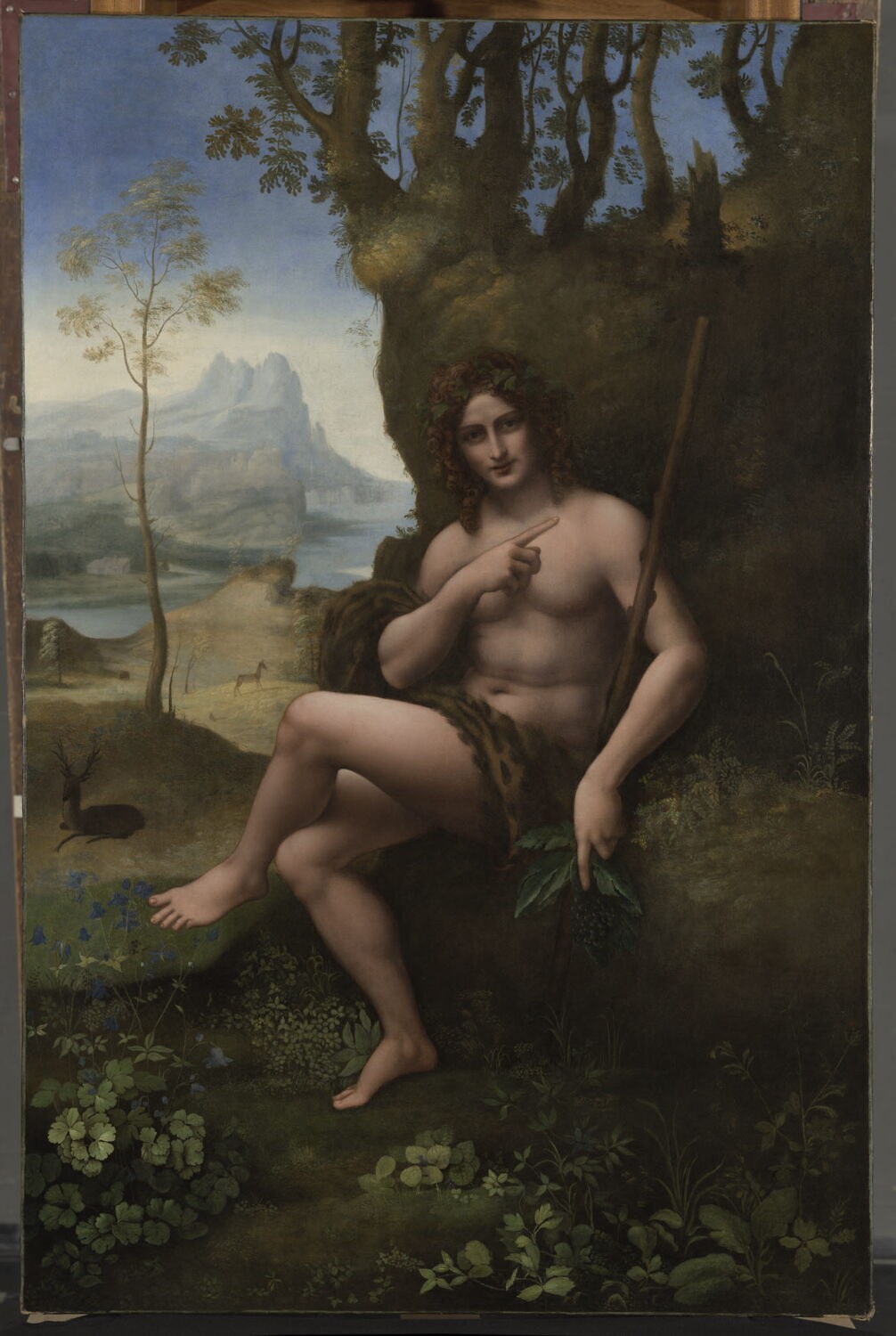
Saint Jean Baptiste, Léonard de Vinci, 1e quart du XVIe siècle (vers 1517 - 1520)

Leonardo da Vinci

Bacchus, 1e quart du XVIe siècle (vers 1517 - 1520)

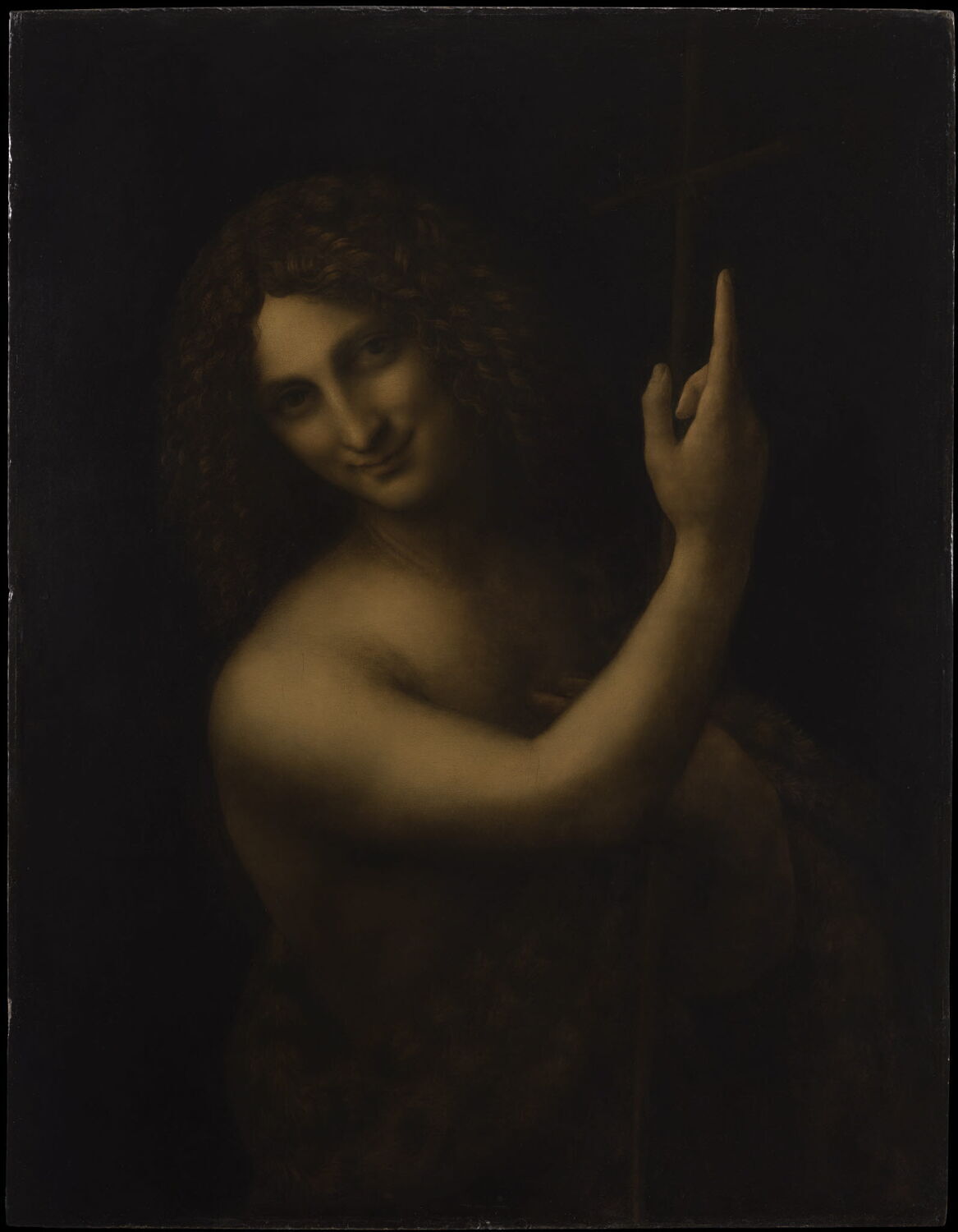
Saint Jean Baptiste, Léonard de Vinci, 1e quart du XVIe siècle (vers 1508 - 1519)

Leonardo da Vinci

Johannes der Täufer, 1e quart du XVIe siècle (vers 1508 - 1519)

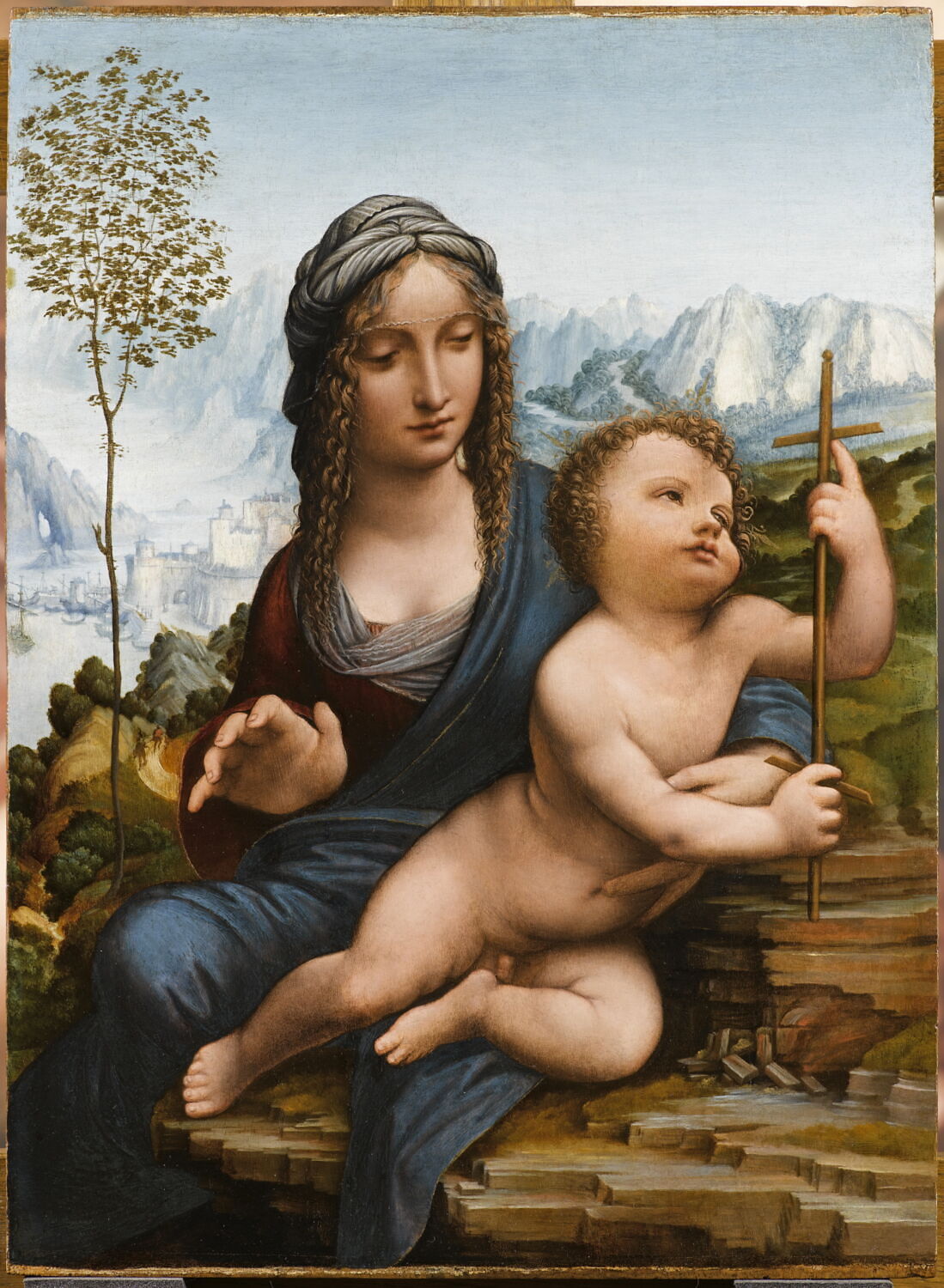
La Vierge et l'Enfant Jésus, dite Vierge au dévidoir ou Vierge aux fuseaux, Léonard de Vinci, XVIe siècle (vers 1505 - 1520)

Leonardo da Vinci

La Vierge et l'Enfant Jésus, dite Vierge au dévidoir ou Vierge aux fuseaux, XVIe siècle (vers 1505 - 1520)

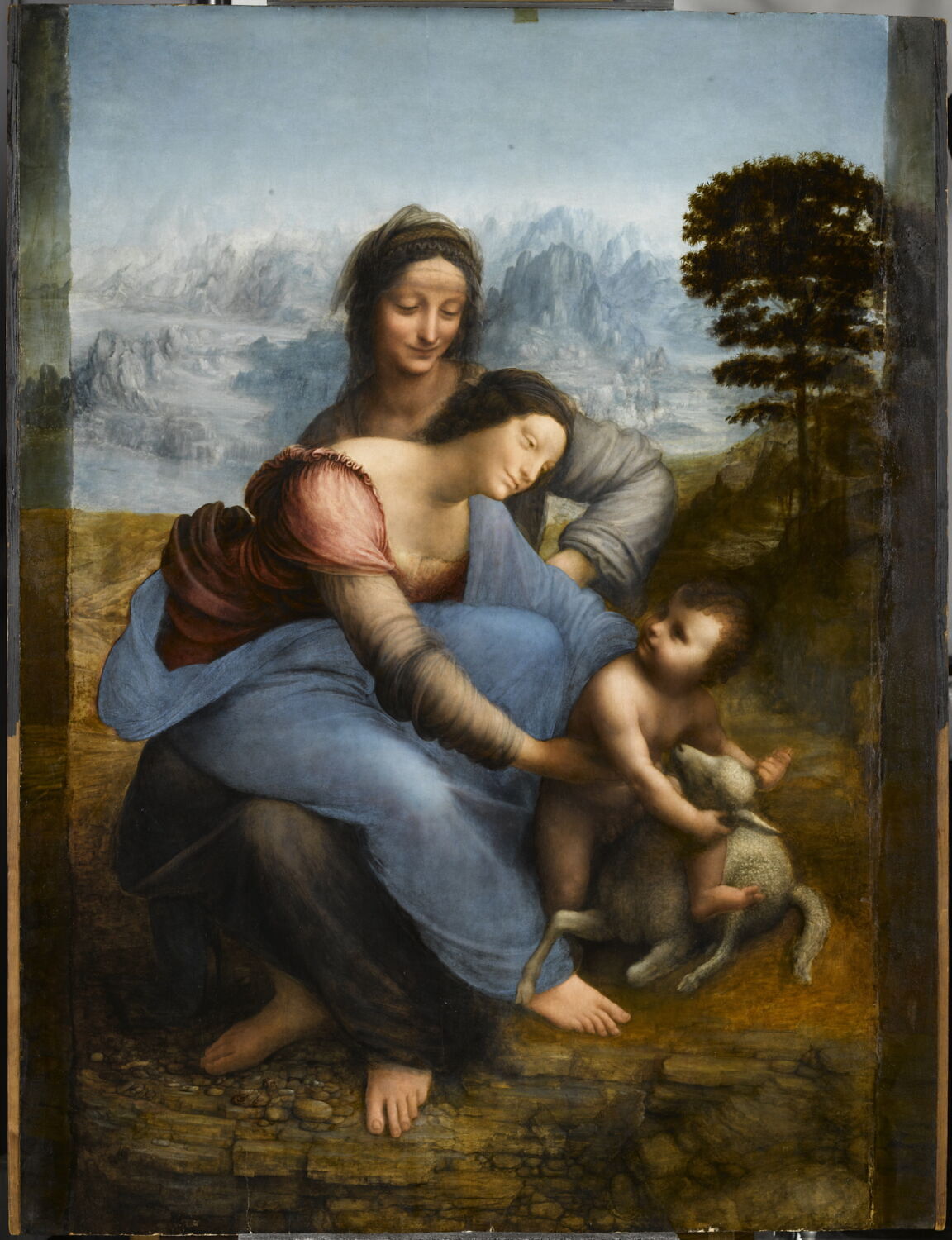
La Vierge, l'Enfant Jésus et sainte Anne, dit La Sainte Anne, Léonard de Vinci, 1e quart du XVIe siècle (vers 1503 - 1519)

Leonardo da Vinci

Anna Selbdritt, 1e quart du XVIe siècle (vers 1503 - 1519)

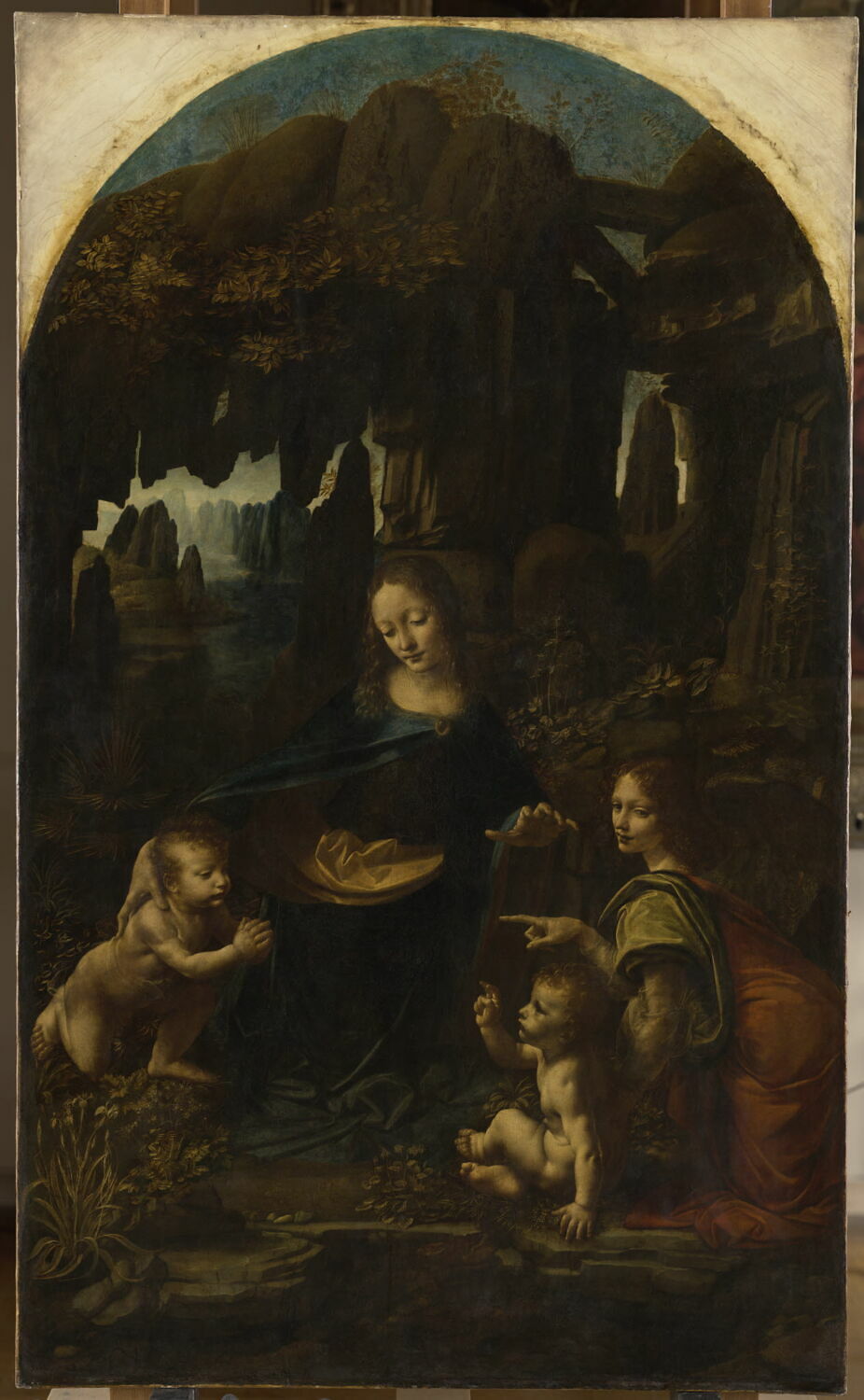
La Vierge, l'Enfant Jésus, saint Jean Baptiste et un ange, dit La Vierge aux rochers, Léonard de Vinci, 4e quart du XVe siècle (vers 1483 - 1494)

Leonardo da Vinci

La Vierge, l'Enfant Jésus, saint Jean Baptiste et un ange, dit La Vierge aux rochers, 4e quart du XVe siècle (vers 1483 - 1494)

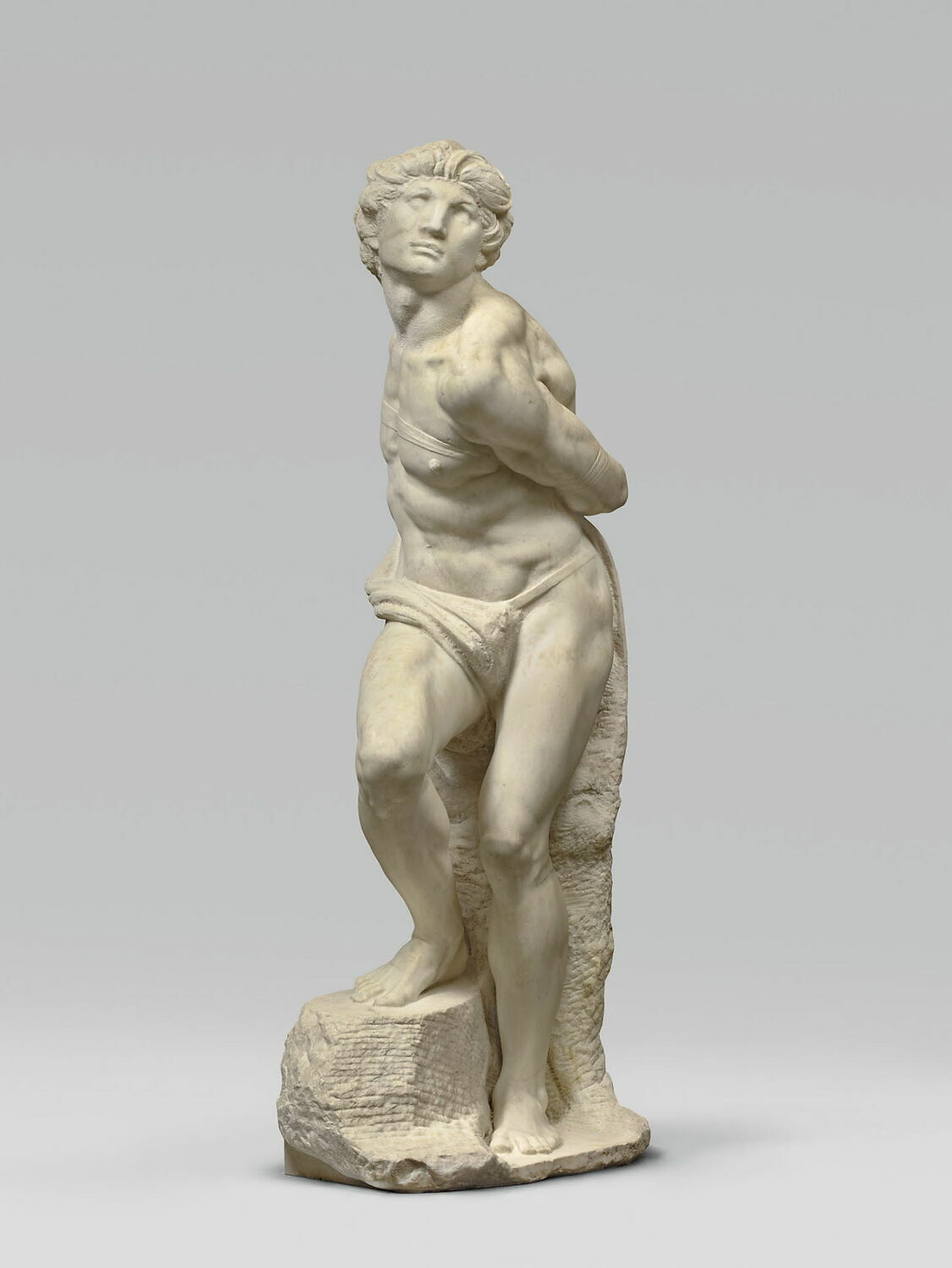
Esclave rebelle, Buonarroti, Michelangelo dit Michel-Ange, 1513 - 1515

Michelangelo

Rebellischer Sklave, 1513 - 1515

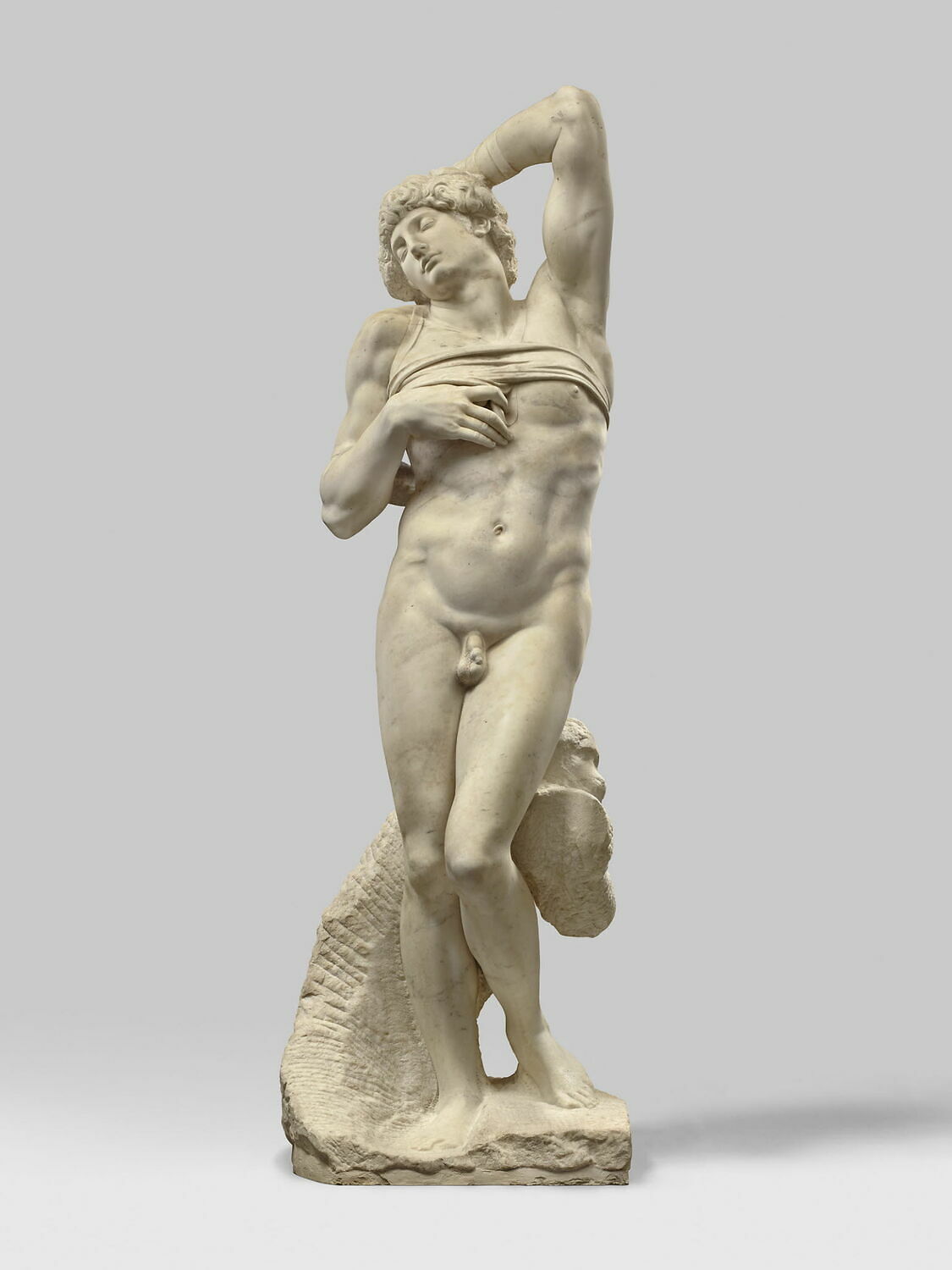
Esclave mourant, Buonarroti, Michelangelo dit Michel-Ange, 1513 - 1515

Michelangelo

Sterbender Sklave, 1513 - 1515