ART WIKI33.040 ausgestellt
KarteSammlungKünstlerMuseenAusstellungenJournal
Anmelden

ART WIKI

Wo das Meisterwerk hängt und wann man vorgelassen wird.

Sammlungen: Art Institute of Chicago, Cleveland Museum of Art, Eremitage, Getty Villa, Harvard Art Museums, Hirshhorn Museum and Sculpture Garden, J. Paul Getty Museum, Louvre, Metropolitan Museum of Art, Minneapolis Institute of Art, Museum of Modern Art, National Gallery of Art, National Museum of Asian Art, National Portrait Gallery, Puschkin-Museum, Rijksmuseum Amsterdam, Russisches Museum, Smithsonian American Art Museum, Statens Museum for Kunst, Tretjakow-Galerie, Victoria and Albert Museum, Whitney Museum of American Art, Staatskatalog des Museumsfonds Russlands (274 Museen), Europeana (19 Museen), Wikidata (6 Museen), Paris Musées (12 Museen) und Joconde, die Museumsdatenbank des französischen Kulturministeriums (495 Museen). Die Bilder gehören ihren Rechteinhabern.

Rubriken

  • Karte
  • Suche
  • Sammlung
  • Meisterwerke
  • Jetzt ausgestellt
  • Künstler

Mehr

  • Museen & Galerien
  • Ausstellungen
  • Journal
  • Woher die Daten stammen
  • Datenschutz & Cookies
StartseiteKarteKatalog
  1. Sammlung/
  2. Minneapolis Institute of Art/
  3. Vegetable Market
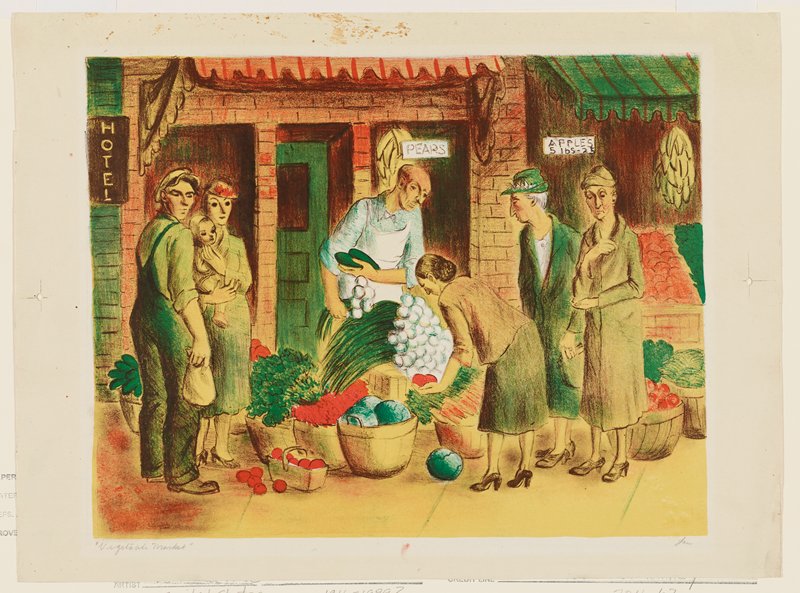
Vegetable Market, Dorothea Lau, c. 1940
DDorothea LauVereinigte Staaten

Vegetable Market

c. 1940 · Print

Darf man es sehen?

Empfängt derzeit nicht

Minneapolis Institute of Art

Minneapolis, Vereinigte Staaten

Es gehört zur Sammlung, ist derzeit aber nicht ausgestellt.

Geprüft
vor 9 Tagen
Unverändert seit
25. Sept. 2026
Quelle
Das Museum
Auf der KarteMuseumsseite

Über das Werk

Wisconsin born artist Dorothea Lau was active in the 1930s and early 1940s as a painter and printmaker. She studied at the Minneapolis School of Art from 1936 to 1938 and exhibited paintings at the Minneapolis Institute of Art on a number of occasions in these years. She was selected to participate in the WPA [Works Progress Project] / Federal Art Project, Minnesota. The artists were charged with capturing a portrait of life in America, and thousands of paintings, watercolors, and prints were produced. While Lau often brought to light the difficult plight of rural America and the urban poor—joblessness, hard labor, flooding—Vegetable Market is uncharacteristically cheerful. The brightly colored print represents a bountiful fruit and vegetable market, with customers carefully selecting their purchases.

Minneapolis Institute of Art

Angaben

Inventarnummer
2016.67

Im Katalog

DruckgrafikLithografieModerne20. JahrhundertVereinigte Staaten

Quellen

  • Minneapolis Institute of Art
  • Bild: Minneapolis Institute of Art — © Estate Dorothea Lau

Mehr von Dorothea Lau

Alle Werke
Refugees, Dorothea Lau, c. 1930s

Refugees

c. 1930s · Nicht ausgestellt · National Gallery of Art

Evening in the Gateway, Dorothea Lau, c. 1930s

Evening in the Gateway

c. 1930s · Nicht ausgestellt · National Gallery of Art

Flooded Land, Dorothea Lau, c. 1930s

Flooded Land

c. 1930s · Nicht ausgestellt · National Gallery of Art

Vegetable Market, Dorothea Lau, c. 1940

Vegetable Market

c. 1940 · Nicht ausgestellt · National Gallery of Art

Nachbarn im Haus: Minneapolis Institute of Art

Museumsseite
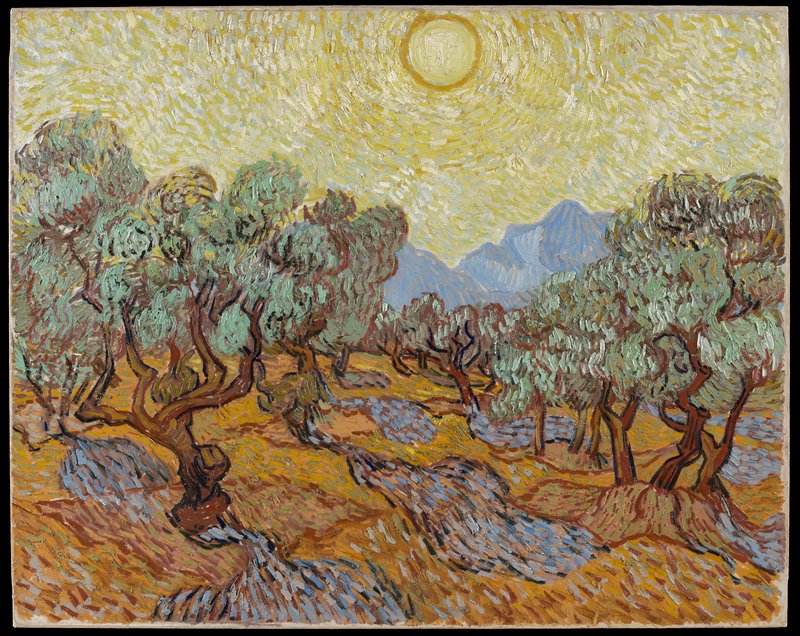
Olive Trees, Vincent van Gogh, 1889

Vincent van Gogh

Olive Trees, 1889

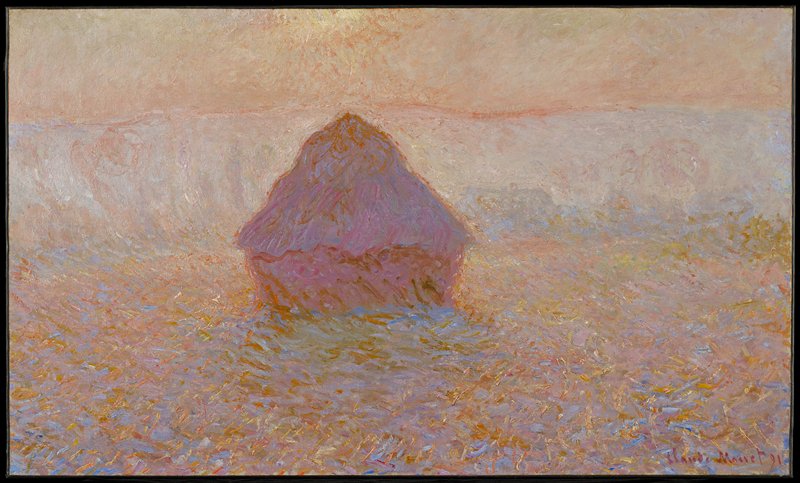
Grainstack, Sun in the Mist, Claude Monet, 1891

Claude Monet

Grainstack, Sun in the Mist, 1891

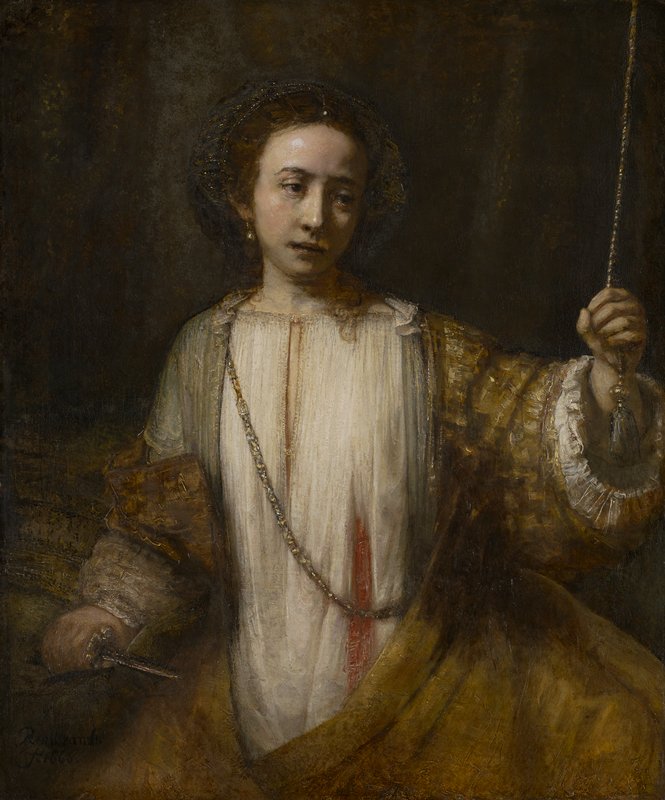
Lucretia, Rembrandt van Rijn, 1666

Rembrandt van Rijn

Lucretia, 1666

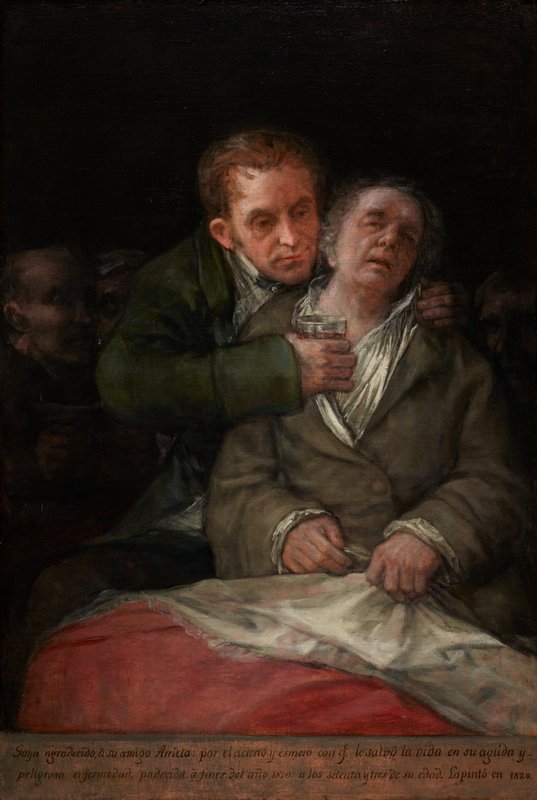
Self-Portrait with Dr. Arrieta, Francisco José de Goya y Lucientes, 1820

Francisco de Goya

Self-Portrait with Dr. Arrieta, 1820

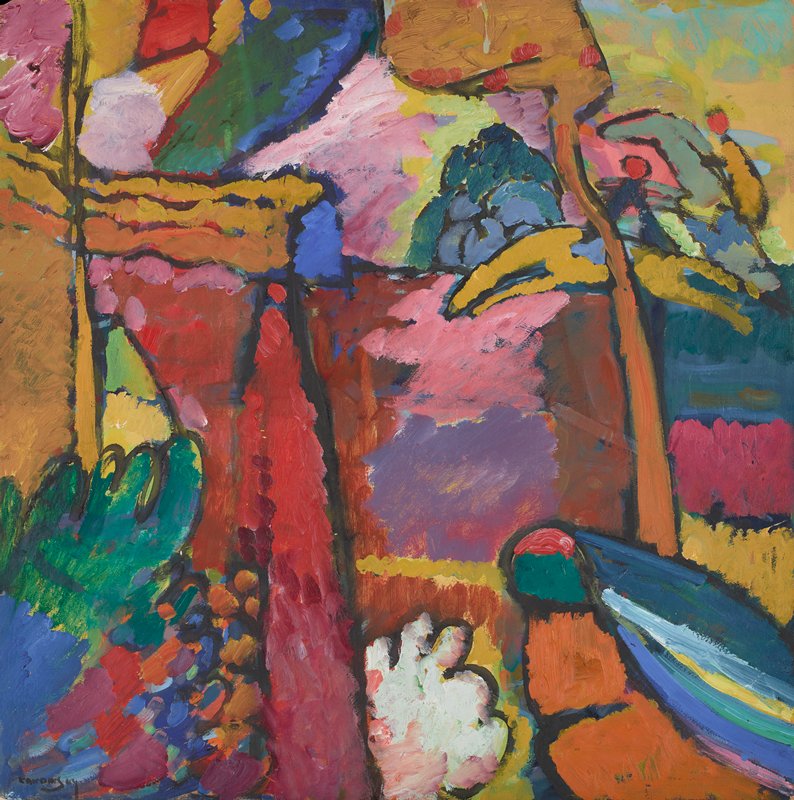
Study for Improvisation V, Vassily Kandinsky, 1910

Vasily Kandinsky

Study for Improvisation V, 1910

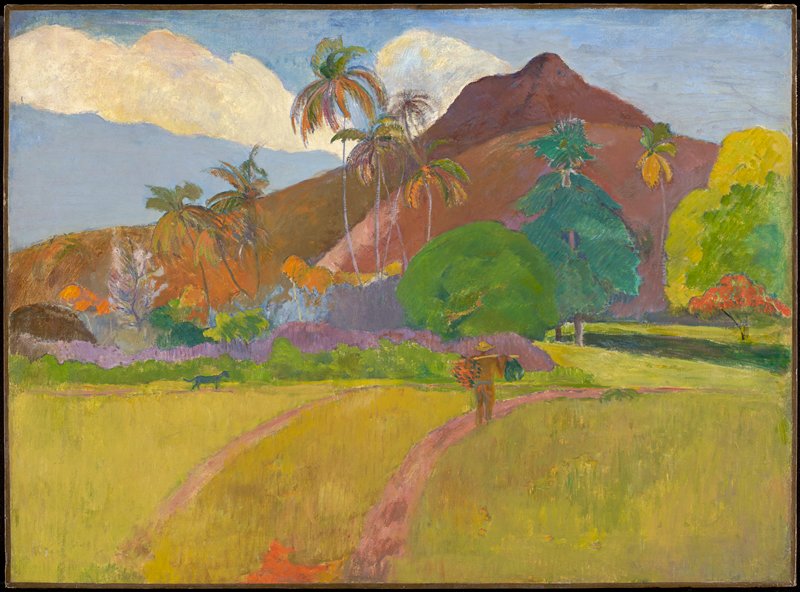
Tahitian Landscape, Paul Gauguin, 1891

Paul Gauguin

Tahitian Landscape, 1891

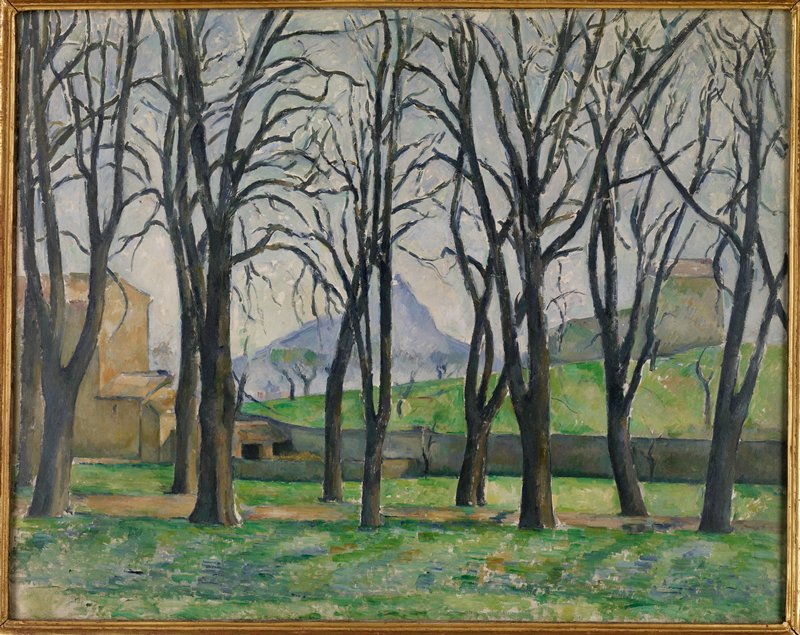
Chestnut Trees at Jas de Bouffan, Paul Cézanne, c. 1885–86

Paul Cézanne

Chestnut Trees at Jas de Bouffan, c. 1885–86

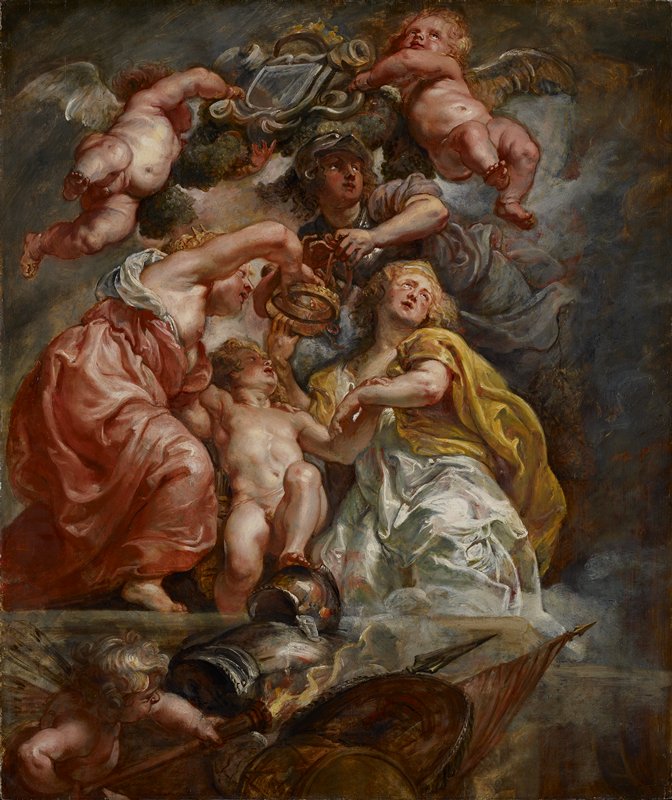
The Union of England and Scotland (Charles I as the Prince of Wales), Peter Paul Rubens, 1633–34

Peter Paul Rubens

The Union of England and Scotland (Charles I as the Prince of Wales), 1633–34