ART WIKI33.040 ausgestellt
KarteSammlungKünstlerMuseenAusstellungenJournal
Anmelden

ART WIKI

Wo das Meisterwerk hängt und wann man vorgelassen wird.

Sammlungen: Art Institute of Chicago, Cleveland Museum of Art, Eremitage, Getty Villa, Harvard Art Museums, Hirshhorn Museum and Sculpture Garden, J. Paul Getty Museum, Louvre, Metropolitan Museum of Art, Minneapolis Institute of Art, Museum of Modern Art, National Gallery of Art, National Museum of Asian Art, National Portrait Gallery, Puschkin-Museum, Rijksmuseum Amsterdam, Russisches Museum, Smithsonian American Art Museum, Statens Museum for Kunst, Tretjakow-Galerie, Victoria and Albert Museum, Whitney Museum of American Art, Staatskatalog des Museumsfonds Russlands (274 Museen), Europeana (19 Museen), Wikidata (6 Museen), Paris Musées (12 Museen) und Joconde, die Museumsdatenbank des französischen Kulturministeriums (495 Museen). Die Bilder gehören ihren Rechteinhabern.

Rubriken

  • Karte
  • Suche
  • Sammlung
  • Meisterwerke
  • Jetzt ausgestellt
  • Künstler

Mehr

  • Museen & Galerien
  • Ausstellungen
  • Journal
  • Woher die Daten stammen
  • Datenschutz & Cookies
StartseiteKarteKatalog
  1. Sammlung/
  2. Louvre/
  3. Vallon à Helmingham [Helmingham Dell]
Vallon à Helmingham [Helmingham Dell], Constable, John, 1e quart du XIXe siècle (peint à l'été 1823 (selon Beckett)) (1823)

Vallon à Helmingham [Helmingham Dell]

1e quart du XIXe siècle (peint à l'été 1823 (selon Beckett)) (1823) · Peintures

Angaben

1e quart du XIXe siècle (peint à l'été 1823 (selon Beckett)) (1823) · mit 47 Jahren
17761837
Inventarnummer
RF 1948 5

Derweil im Leben von John Constable

Das ganze Leben
  1. 1821

    “The Hay Wain” at the Royal Academy

    The picture, shown as “Landscape: Noon”, found no buyer, but it was seen by the painter Théodore Géricault and the writer Charles Nodier. According to Delacroix, Géricault went back to France quite stunned and invited Constable to Paris, while Nodier urged French artists to look to nature rather than to trips to Rome.

  2. 1821

    “I should paint my own places best”

    In a letter to his friend John Fisher in 1821 Constable wrote that he should paint his own places best, and that painting is but another word for feeling. The Dedham Vale around his home came to be known as “Constable Country”.

  3. 1824

    The Paris Salon: a gold medal

    The Anglo-French dealer John Arrowsmith bought The Hay Wain and other works, and in 1824 they were shown at the Paris Salon, where they caused a sensation. The Hay Wain was awarded a gold medal by Charles X.

  4. 1824

    Delacroix repaints the background of “The Massacre at Chios”

    After seeing Constable’s pictures at Arrowsmith’s gallery, Delacroix repainted the background of his Massacre at Chios, saying the paintings had done him a great deal of good. In his journal he noted that Constable’s meadow greens are a combination of many different shades.

  5. 1824–1828

    The family in Brighton for Maria’s health

    When Maria began to show symptoms of tuberculosis, Constable took lodgings for the family in Brighton in the hope that sea air would restore her health, dividing his time between Brighton and Charlotte Street in London. He was unsure at first that Brighton suited painting, and complained to Fisher that the beach was only Piccadilly by the sea.

Mehr von John Constable

Alle Werke

Im selben Saal · Salle 713, Aile Denon, Niveau 1, Louvre

Museumsseite
  • 1825

    A quarrel with Arrowsmith: the French market is lost

    In 1825 Constable quarrelled with Arrowsmith and lost his French outlet, perhaps partly from worry over his wife’s health, the uncongenial life at Brighton and the pressure of outstanding commissions. In a few years he had sold more than twenty pictures in France, more than he sold at home.

  • John Constable, PorträtJohn ConstableVereinigtes Königreich, 1776–1837

    Darf man es sehen?

    Ja, es empfängt Besucher

    Louvre

    Paris, Frankreich

    Saal713, Aile Denon, Niveau 1

    Öffentlich ausgestellt. Wer dafür bürgt, steht unten.

    Geprüft
    vor 13 Tagen
    Unverändert seit
    26. Sept. 2026
    Quelle
    Das Museum
    Auf der KarteMuseumsseite

    Im Katalog

    GemäldeÖlBritische MalereiKlassizismusRomantik19. Jahrhundert

    Quellen

    • Louvre
    • Bild: Louvre — © 2014 GrandPalaisRmn (musée du Louvre) / Mathieu Rabeau
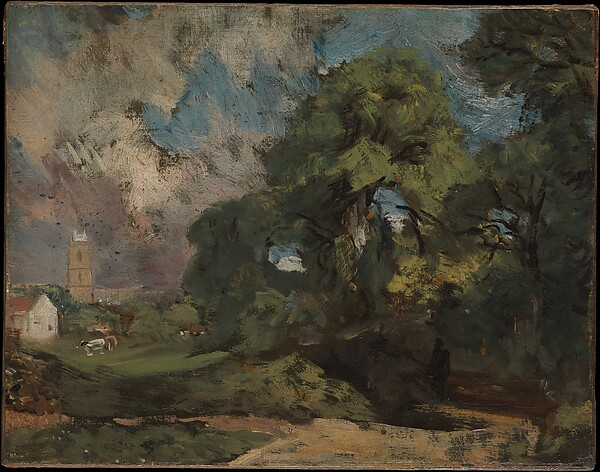
    Stoke-by-Nayland, John Constable, ca. 1810–11

    Stoke-by-Nayland

    ca. 1810–11 · Metropolitan Museum of Art

    Wivenhoe Park, Essex, John Constable, 1816

    Wivenhoe Park, Essex

    1816 · National Gallery of Art

    The White Horse, John Constable, 1818-1819

    The White Horse

    1818-1819 · National Gallery of Art

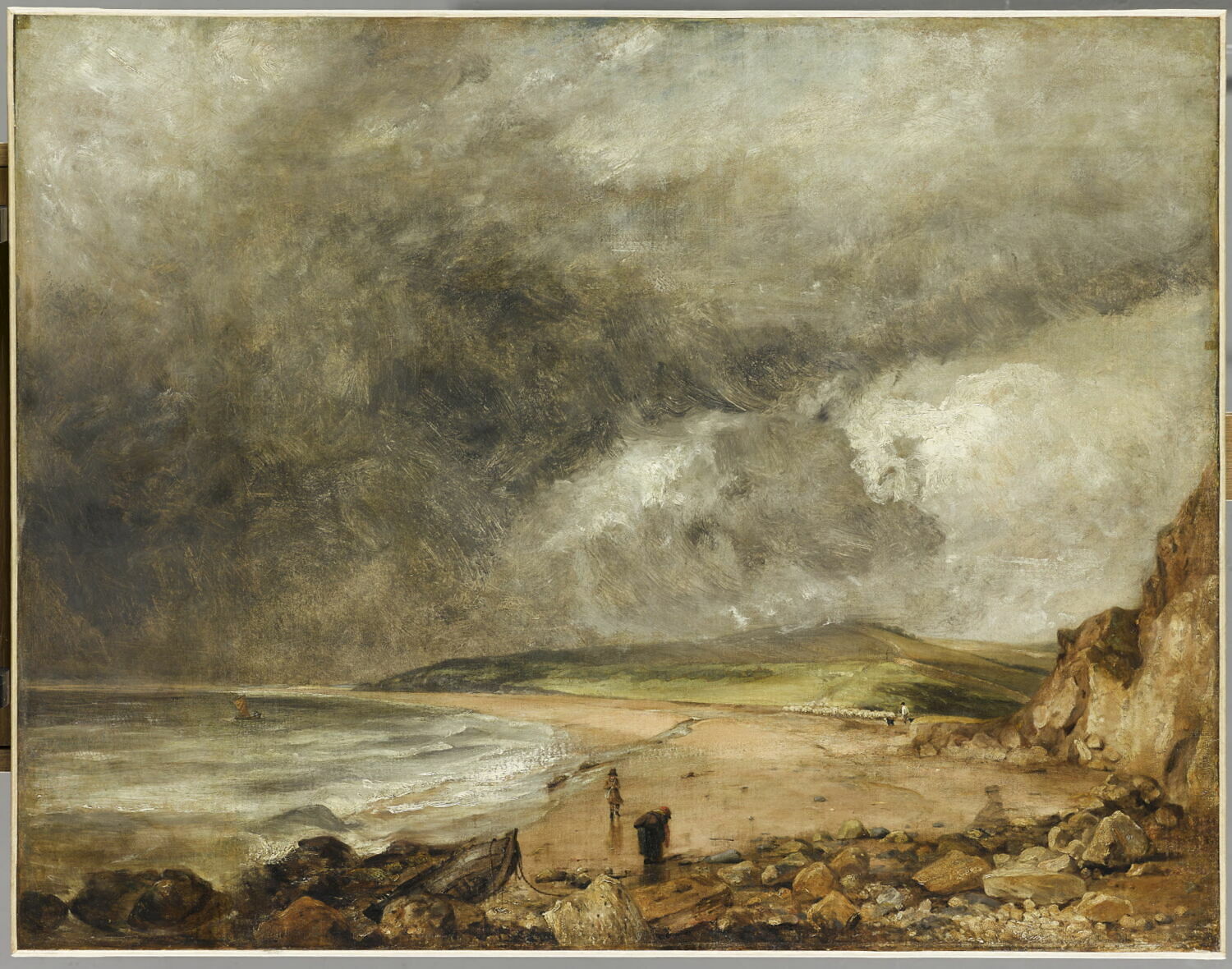
    La baie de Weymouth à l'approche de l'orage, Constable, John, 1e quart du XIXe siècle (1818 - 1819)

    La baie de Weymouth à l'approche de l'orage

    1e quart du XIXe siècle (1818 - 1819) · Louvre

    Salisbury Cathedral from Lower Marsh Close, John Constable, 1820

    Salisbury Cathedral from Lower Marsh Close

    1820 · National Gallery of Art

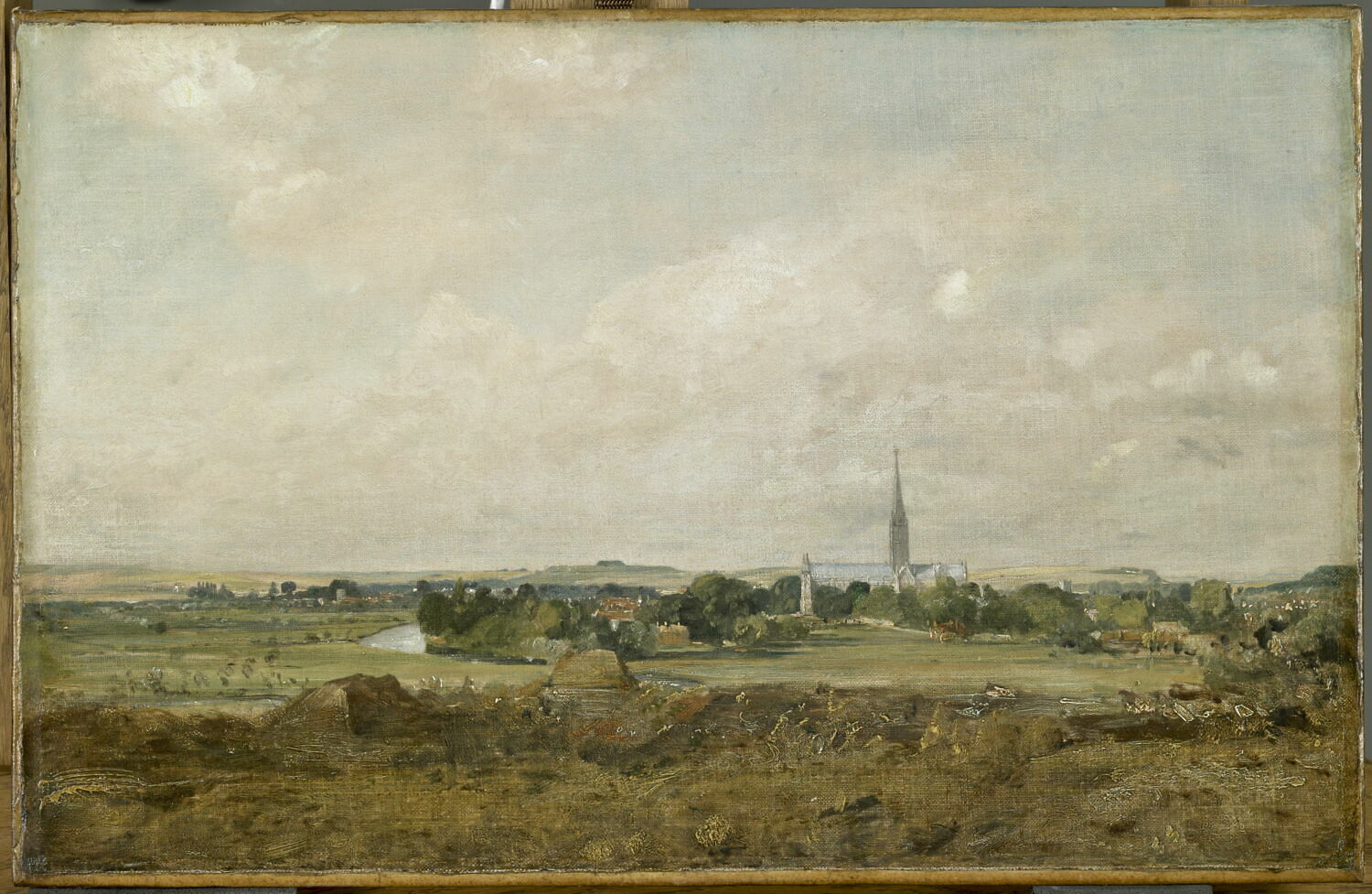
    Vue de Salisbury, Constable, John, 1e quart du XIXe siècle (1820)

    Vue de Salisbury

    1e quart du XIXe siècle (1820) · Louvre

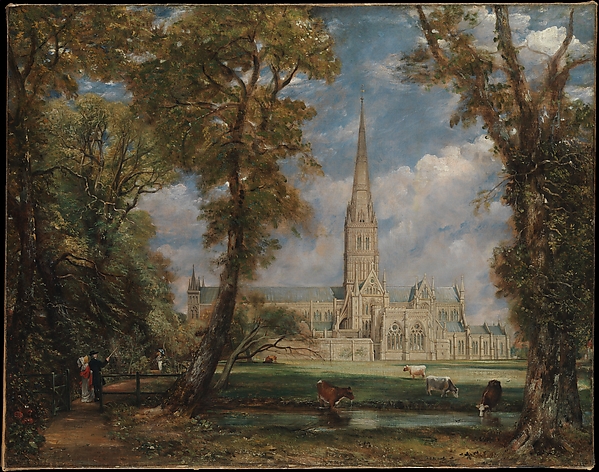
    Salisbury Cathedral from the Bishop's Grounds, John Constable, ca. 1825

    Salisbury Cathedral from the Bishop's Grounds

    ca. 1825 · Metropolitan Museum of Art

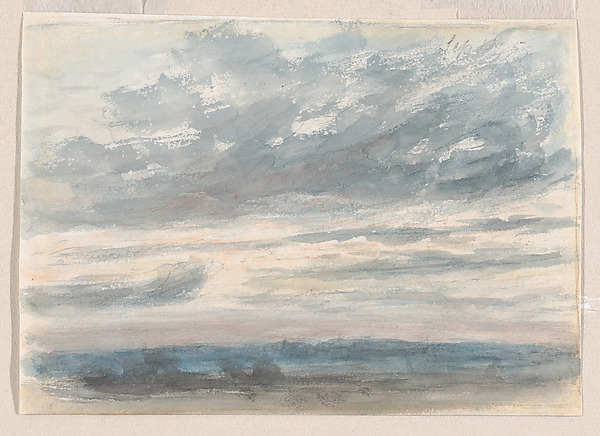
    Cloud study, John Constable, 1830–35

    Cloud study

    1830–35 · Metropolitan Museum of Art

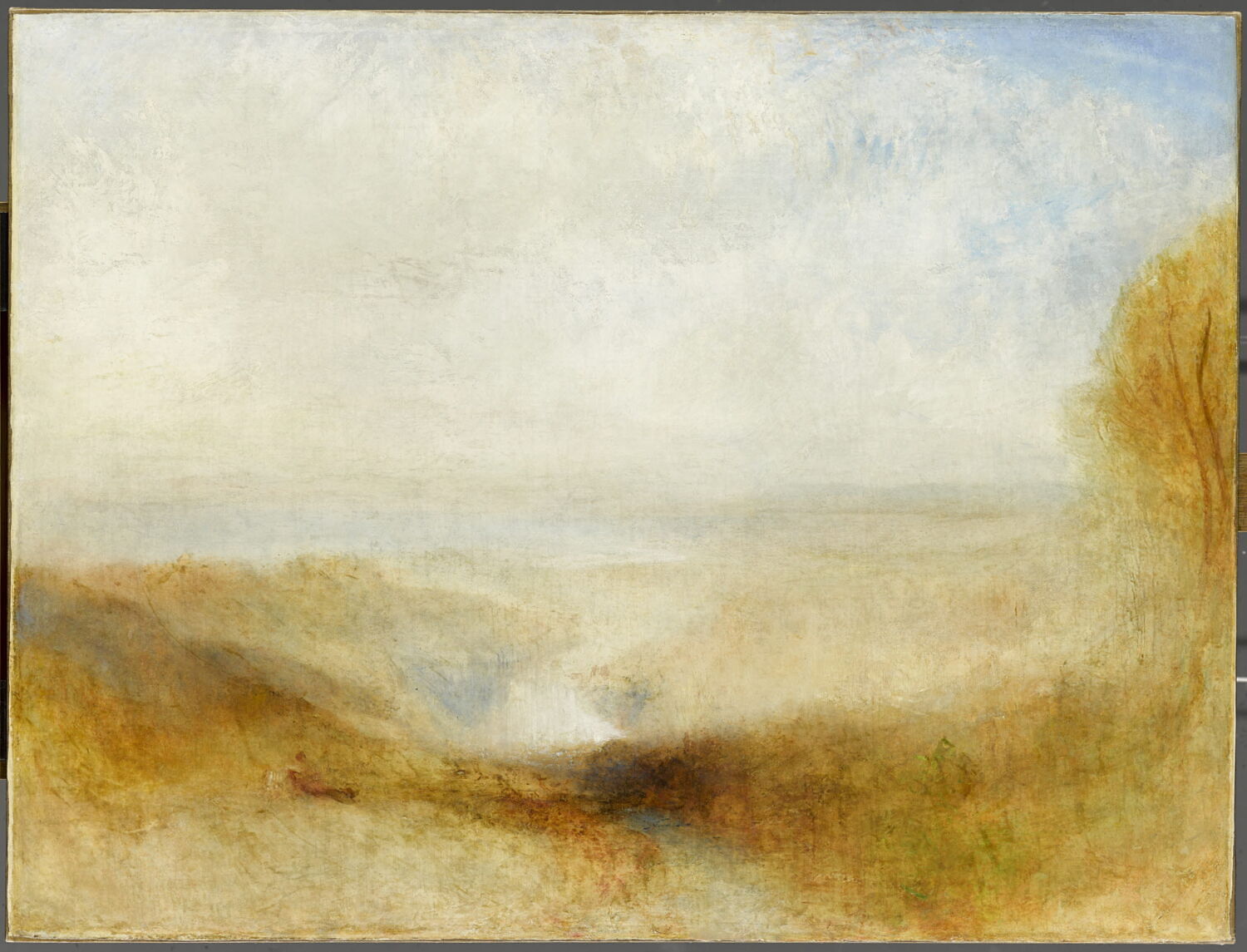
    Paysage avec une rivière et une baie dans le lointain ou Confluent de la Severn et de la Wye, Turner, Joseph Mallord William, 2e quart du XIXe siècle (vers 1845)

    Joseph Mallord William Turner

    Paysage avec une rivière et une baie dans le lointain ou Confluent de la Severn et de la Wye, 2e quart du XIXe siècle (vers 1845)

    Vue de Salisbury, Constable, John, 1e quart du XIXe siècle (1820)

    John Constable

    Vue de Salisbury, 1e quart du XIXe siècle (1820)

    La baie de Weymouth à l'approche de l'orage, Constable, John, 1e quart du XIXe siècle (1818 - 1819)

    John Constable

    La baie de Weymouth à l'approche de l'orage, 1e quart du XIXe siècle (1818 - 1819)

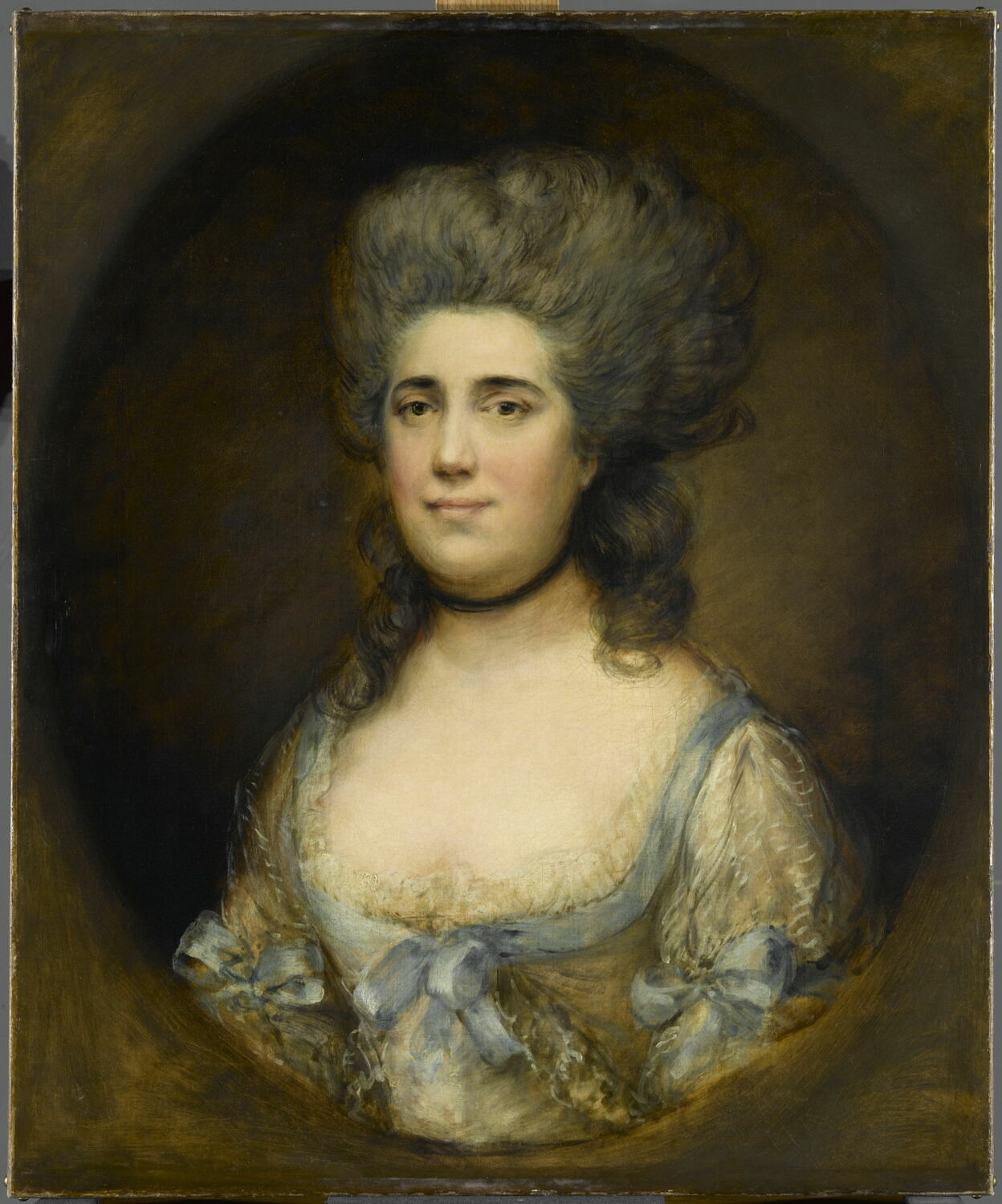
    Portrait de Miss Elizabeth Ann Gosset, Gainsborough, Thomas, 3e tiers du XVIIIe siècle (avant 1772)

    Thomas Gainsborough

    Portrait de Miss Elizabeth Ann Gosset, 3e tiers du XVIIIe siècle (avant 1772)

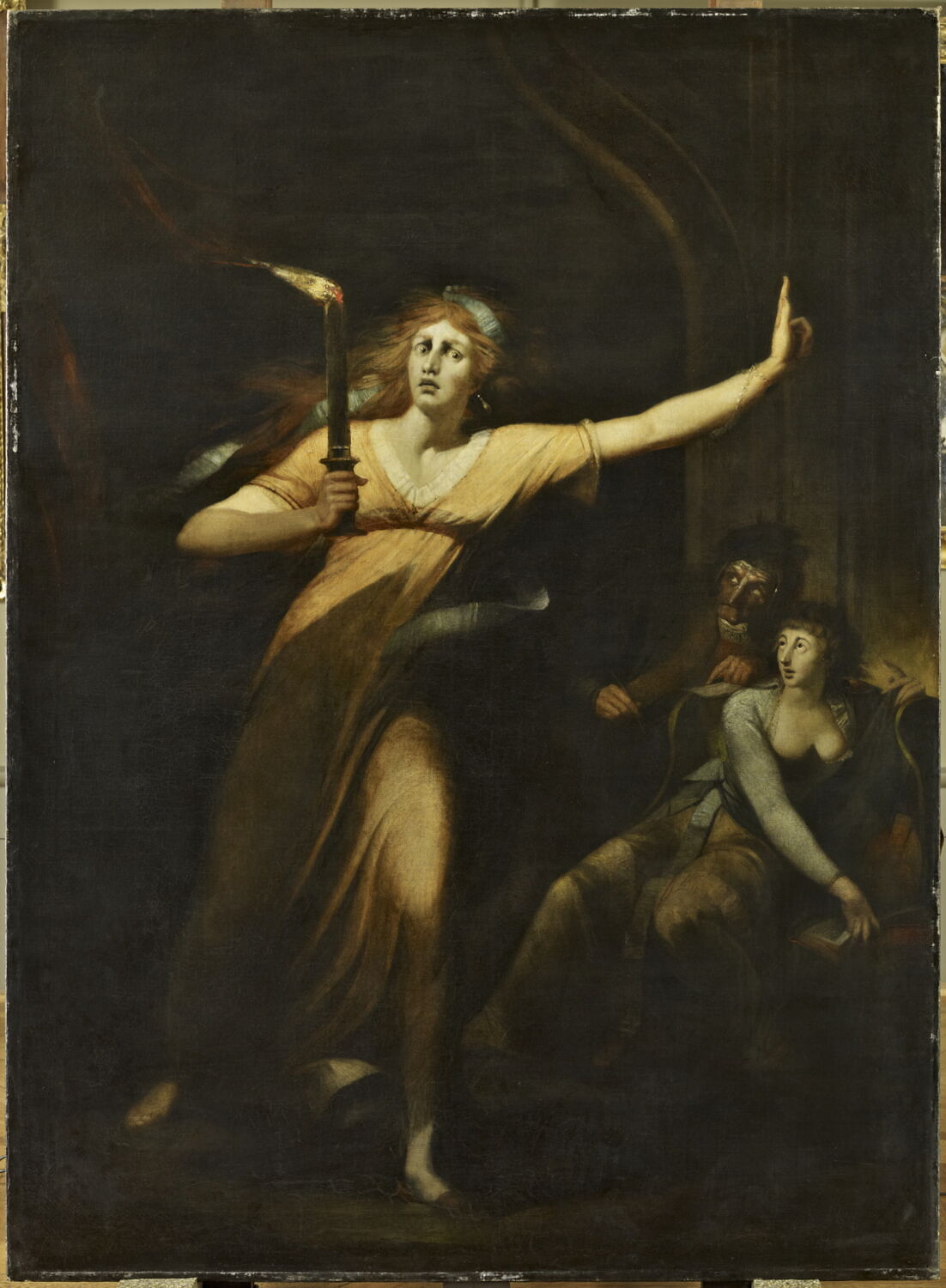
    Lady Macbeth marchant dans son sommeil, dit aussi Lady Macbeth somnambule, Füssli, Johann Heinrich, 4e quart du XVIIIe siècle (vers 1784)

    Johann Heinrich Füssli

    Lady Macbeth marchant dans son sommeil, dit aussi Lady Macbeth somnambule, 4e quart du XVIIIe siècle (vers 1784)

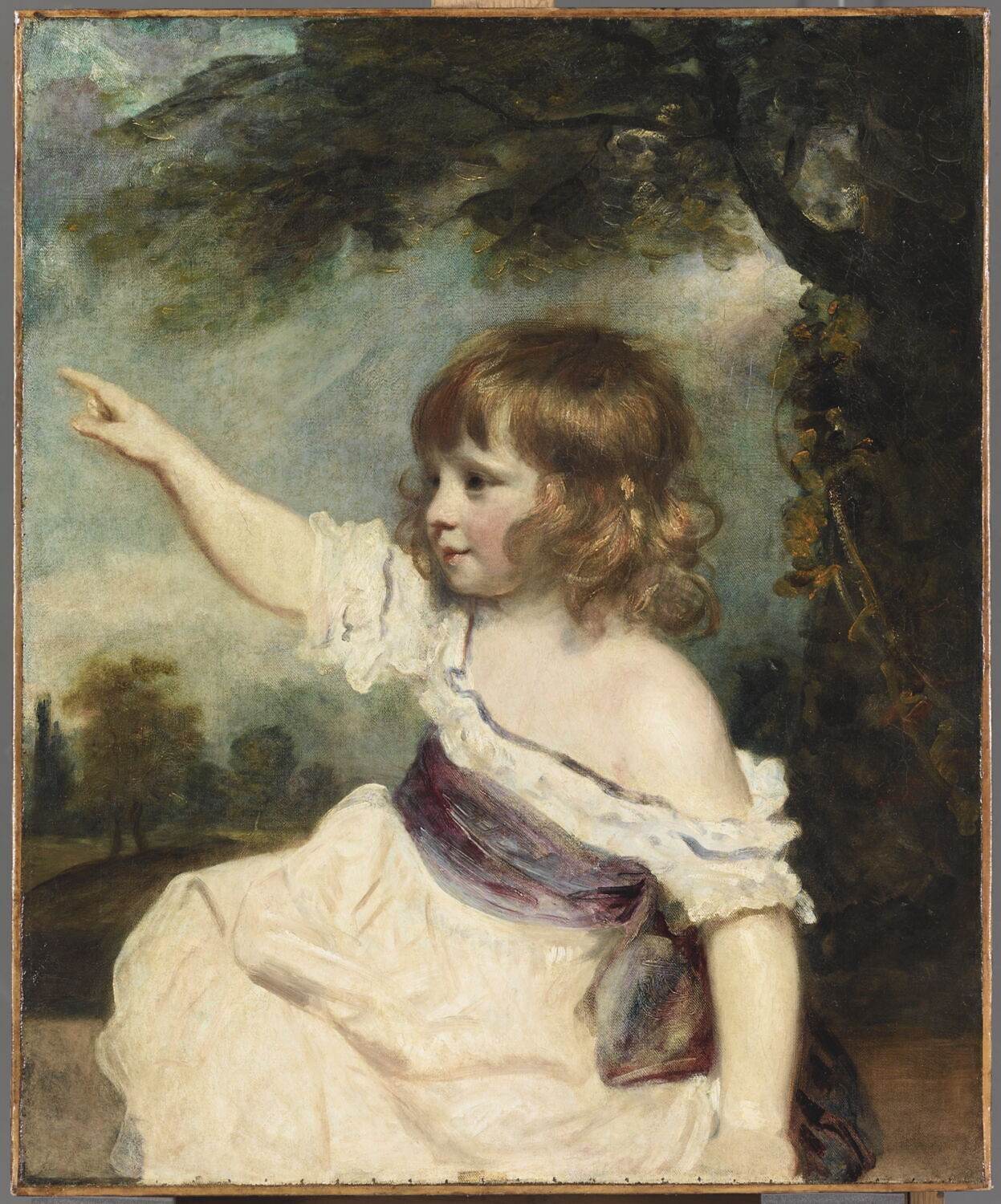
    Portrait de Francis George Hare (1786-1842) dit Master Hare et dit aussi Infancy, Reynolds, Sir Joshua, 4e quart du XVIIIe siècle (1788 - 1789)

    Simon François Ravenet

    Portrait de Francis George Hare (1786-1842) dit Master Hare et dit aussi Infancy, 4e quart du XVIIIe siècle (1788 - 1789)

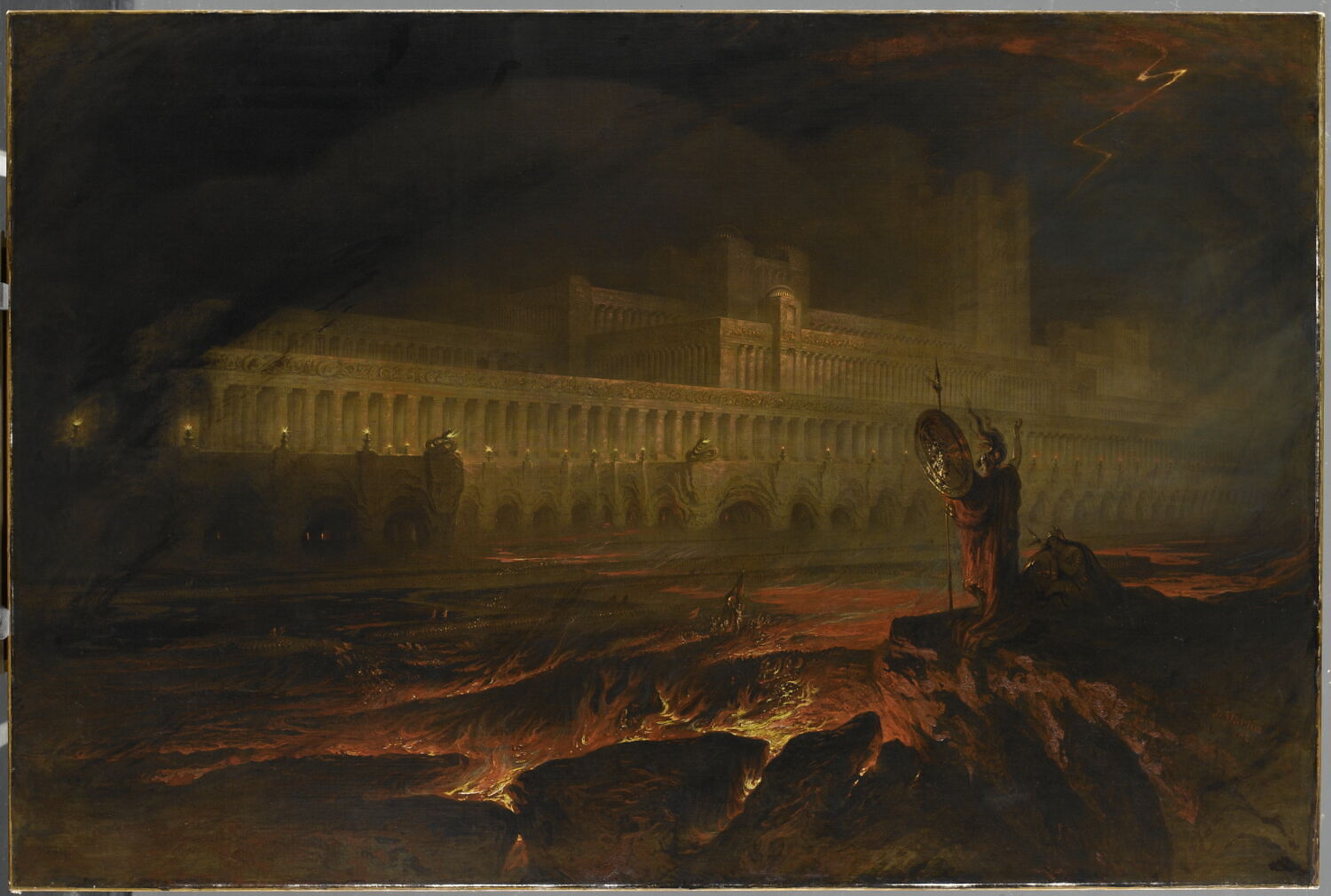
    Le Pandemonium, 1841, Martin, John, XIXe siècle (1841)

    John Martin

    Le Pandemonium, 1841, XIXe siècle (1841)

    La Croix dans la solitude, dit aussi La Croix dans la contrée sauvage, 1845, Cole, Thomas, 2e quart du XIXe siècle (1845)

    Thomas Cole

    La Croix dans la solitude, dit aussi La Croix dans la contrée sauvage, 1845, 2e quart du XIXe siècle (1845)