ART WIKI32.963 ausgestellt
KarteSammlungKünstlerMuseenAusstellungenJournal
Anmelden

ART WIKI

Wo das Meisterwerk hängt und wann man vorgelassen wird.

Sammlungen: Art Institute of Chicago, Cleveland Museum of Art, Eremitage, Getty Villa, Harvard Art Museums, Hirshhorn Museum and Sculpture Garden, J. Paul Getty Museum, Louvre, Metropolitan Museum of Art, Minneapolis Institute of Art, Museum of Modern Art, National Gallery of Art, National Museum of Asian Art, National Portrait Gallery, Puschkin-Museum, Rijksmuseum Amsterdam, Russisches Museum, Smithsonian American Art Museum, Statens Museum for Kunst, Tretjakow-Galerie, Victoria and Albert Museum, Whitney Museum of American Art, Staatskatalog des Museumsfonds Russlands (274 Museen), Europeana (19 Museen), Wikidata (6 Museen), Paris Musées (12 Museen) und Joconde, die Museumsdatenbank des französischen Kulturministeriums (495 Museen). Die Bilder gehören ihren Rechteinhabern.

Rubriken

  • Karte
  • Suche
  • Sammlung
  • Meisterwerke
  • Jetzt ausgestellt
  • Künstler

Mehr

  • Museen & Galerien
  • Ausstellungen
  • Journal
  • Woher die Daten stammen
  • Datenschutz & Cookies
StartseiteKarteKatalog
  1. Sammlung/
  2. Minneapolis Institute of Art/
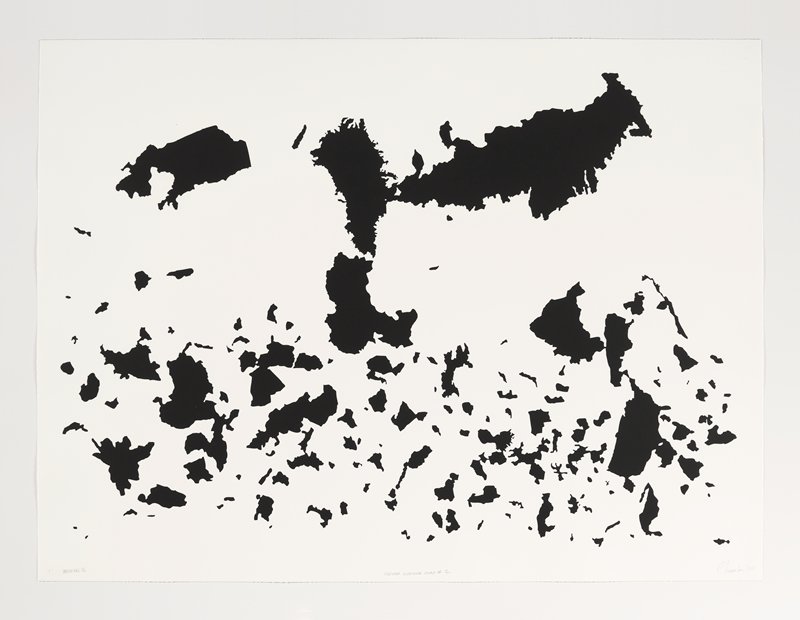
  3. Useless Wonder Map #1
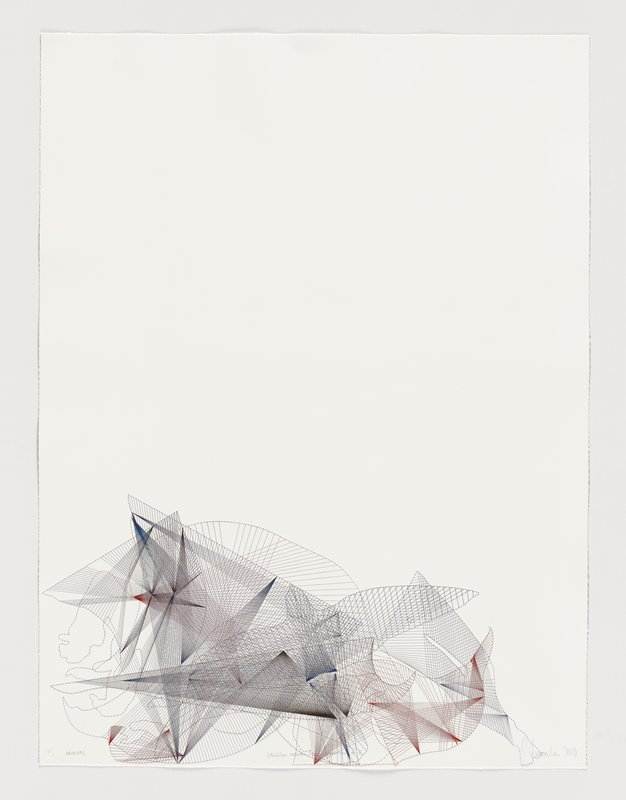
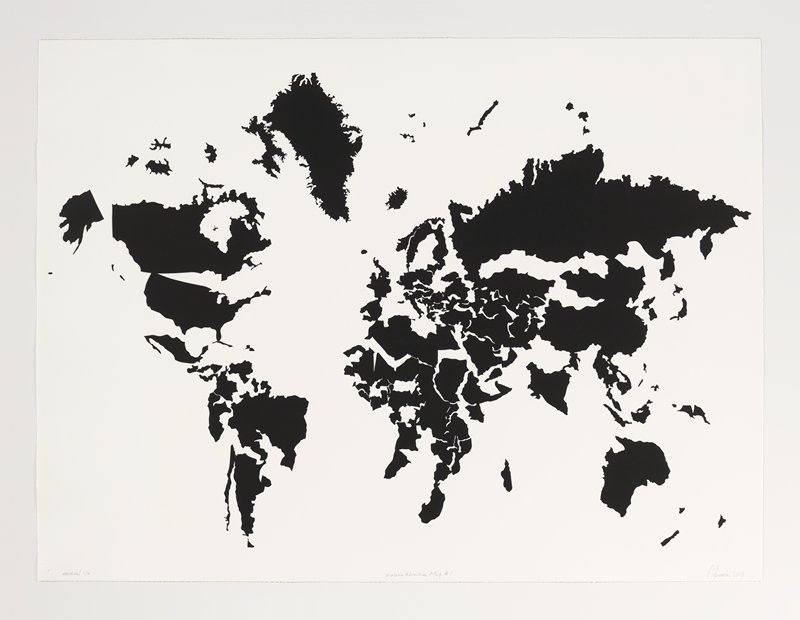
Useless Wonder Map #1, Carlos Amorales, 2010
Carlos Amorales, PorträtCarlos AmoralesMexiko, 1970

Useless Wonder Map #1

2010 · Print

Darf man es sehen?

Empfängt derzeit nicht

Minneapolis Institute of Art

Minneapolis, Vereinigte Staaten

Es gehört zur Sammlung, ist derzeit aber nicht ausgestellt.

Geprüft
vor 3 Tagen
Unverändert seit
25. Sept. 2026
Quelle
Das Museum
Auf der KarteMuseumsseite

Über das Werk

Carlos Amorales was born in Mexico City, where he lives and works today. After spending part of his childhood in London, he moved to Amsterdam, where he attended the Gerrit Rietveld Academie and the Rijksakademie van Beeldende Kunsten. He works in almost every conceivable medium, including painting, sculpture, installation, photography, collage, and performance. His themes range from natural wonders to professional wrestling to totemic imagery. Throughout his work, one has a strong sense of many parts making up a complete entity. His work has been the subject of about 60 solo exhibitions over the past decade.

Weiterlesen

Useless Wonder has been a major concept in his work for the past five years or more. The present series of maps are closely associated with a series of works in different media during 2006-2007. Each of these showed a silhouette map of the world, but in some cases the countries were scrambled over the surface of the image. They encompassed painting, drawing, collage, and textiles. In 2010, Amorales began a very fruitful collaboration with Cole Rogers of Highpoint Editions. Together they have revisited several of Amorales's key motifs, including the maps. A central aspect of their working method is the use of plastic silhouettes that Amorales designs and then has laser cut from sheets of sturdy plastic-similar to that commonly used for protractors and French curves. For the Useless Wonder Maps, he produced plastic templates representing the countries of the world.

These were then arranged, inked, and printed in four different configurations, in an edition of seven each. One configuration shows the world much as we would expect to see it on a Mercator map, except that it has been jiggled and everything is somewhat out of alignment. In the other three images, the countries are more radically displaced. Dislocated from their usual contexts, some of the countries become nearly unrecognizable.

Certainly they are Useless as maps, but the prints are a cause of Wonder. They prompt one to think of the unexpected and rapid changes in contemporary awareness of other nations. One is prompted to think of the implications of shifts in interests, power, alliances, and enmity.

The works are highly effective in the simple transformation of the recognizable into the unfamiliar. Amorales's use of unconventional matrices is a case of choosing a medium appropriate to a desired form of artistic expression. Here printmaking has advantages over the media that Amorales used in his 2006 exploration of world maps, for printmaking allows him to enhance the sense of seriality or multiple reconfiguration in the instability of the world while maintaining the tactile presence of maps on the wall.

Minneapolis Institute of Art

Angaben

2010 · mit 40 Jahren
1970heute
Inventarnummer
2020.85.7.1

Im Katalog

DruckgrafikGegenwartskunst21. JahrhundertVereinigte Staaten

Quellen

  • Minneapolis Institute of Art
  • Bild: Minneapolis Institute of Art — Copyright © Carlos Amorales, published by Highpoint Editions

Mehr von Carlos Amorales

Alle Werke
Triangle Constellation, Carlos Amorales, 2015

Triangle Constellation

2015 · Harvard Art Museums

The Forest, Carlos Amorales, 2003

The Forest

2003 · Nicht ausgestellt · Museum of Modern Art

Manimal, Carlos Amorales, 2005

Manimal

2005 · Nicht ausgestellt · Museum of Modern Art

Archive Personage, Carlos Amorales, 2008

Archive Personage

2008 · Nicht ausgestellt · National Gallery of Art

Skeleton Images – Azar Compositions Duo, Carlos Amorales, 2010

Skeleton Images – Azar Compositions Duo

2010 · Nicht ausgestellt · Minneapolis Institute of Art

Skeleton Images – Azar Compositions #4, Carlos Amorales, 2010

Skeleton Images – Azar Compositions #4

2010 · Nicht ausgestellt · Minneapolis Institute of Art

Useless Wonder Map #2, Carlos Amorales, 2010

Useless Wonder Map #2

2010 · Nicht ausgestellt · Minneapolis Institute of Art

Skeleton Images – Azar Compositions #7, Carlos Amorales, 2010

Skeleton Images – Azar Compositions #7

2010 · Nicht ausgestellt · Minneapolis Institute of Art

Nachbarn im Haus: Minneapolis Institute of Art

Museumsseite
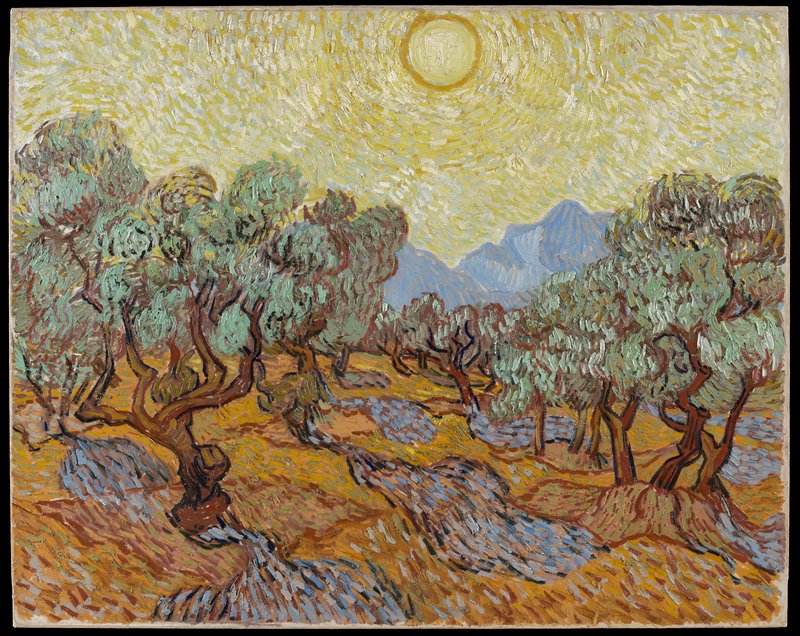
Olive Trees, Vincent van Gogh, 1889

Vincent van Gogh

Olive Trees, 1889

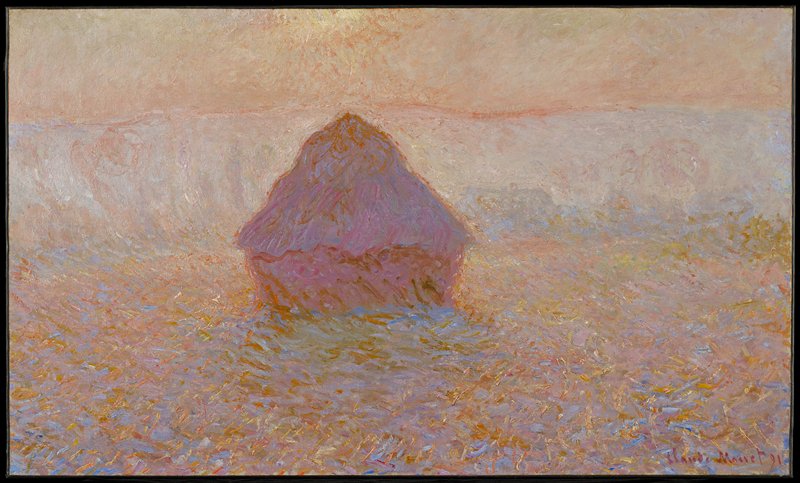
Grainstack, Sun in the Mist, Claude Monet, 1891

Claude Monet

Grainstack, Sun in the Mist, 1891

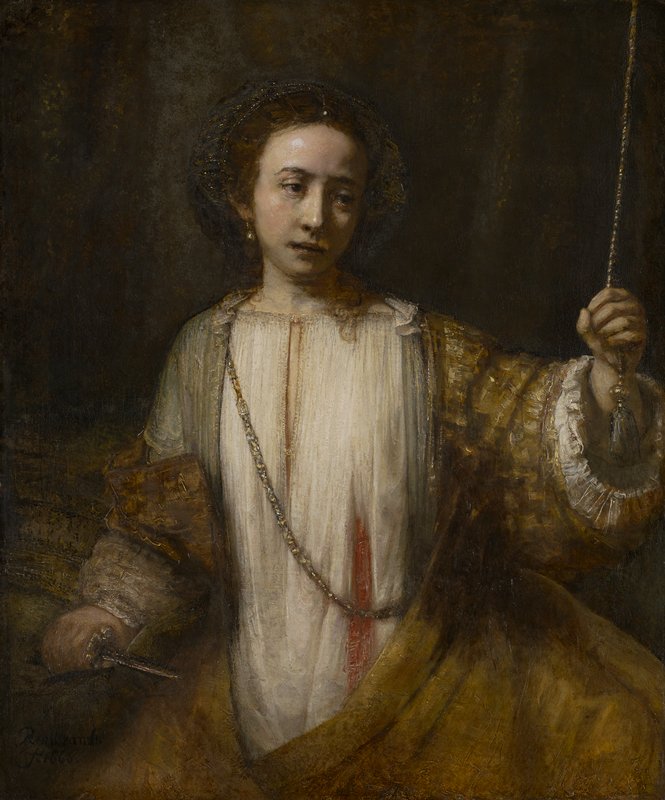
Lucretia, Rembrandt van Rijn, 1666

Rembrandt van Rijn

Lucretia, 1666

Self-Portrait with Dr. Arrieta, Francisco José de Goya y Lucientes, 1820

Francisco de Goya

Self-Portrait with Dr. Arrieta, 1820

Study for Improvisation V, Vassily Kandinsky, 1910

Vasily Kandinsky

Study for Improvisation V, 1910

Tahitian Landscape, Paul Gauguin, 1891

Paul Gauguin

Tahitian Landscape, 1891

Chestnut Trees at Jas de Bouffan, Paul Cézanne, c. 1885–86

Paul Cézanne

Chestnut Trees at Jas de Bouffan, c. 1885–86

The Union of England and Scotland (Charles I as the Prince of Wales), Peter Paul Rubens, 1633–34

Peter Paul Rubens

The Union of England and Scotland (Charles I as the Prince of Wales), 1633–34