ART WIKI33.040 ausgestellt
KarteSammlungKünstlerMuseenAusstellungenJournal
Anmelden

ART WIKI

Wo das Meisterwerk hängt und wann man vorgelassen wird.

Sammlungen: Art Institute of Chicago, Cleveland Museum of Art, Eremitage, Getty Villa, Harvard Art Museums, Hirshhorn Museum and Sculpture Garden, J. Paul Getty Museum, Louvre, Metropolitan Museum of Art, Minneapolis Institute of Art, Museum of Modern Art, National Gallery of Art, National Museum of Asian Art, National Portrait Gallery, Puschkin-Museum, Rijksmuseum Amsterdam, Russisches Museum, Smithsonian American Art Museum, Statens Museum for Kunst, Tretjakow-Galerie, Victoria and Albert Museum, Whitney Museum of American Art, Staatskatalog des Museumsfonds Russlands (274 Museen), Europeana (19 Museen), Wikidata (6 Museen), Paris Musées (12 Museen) und Joconde, die Museumsdatenbank des französischen Kulturministeriums (495 Museen). Die Bilder gehören ihren Rechteinhabern.

Rubriken

  • Karte
  • Suche
  • Sammlung
  • Meisterwerke
  • Jetzt ausgestellt
  • Künstler

Mehr

  • Museen & Galerien
  • Ausstellungen
  • Journal
  • Woher die Daten stammen
  • Datenschutz & Cookies
StartseiteKarteKatalog
  1. Sammlung/
  2. Cleveland Museum of Art/
  3. Twenty-three Deity Nairatma Mandala
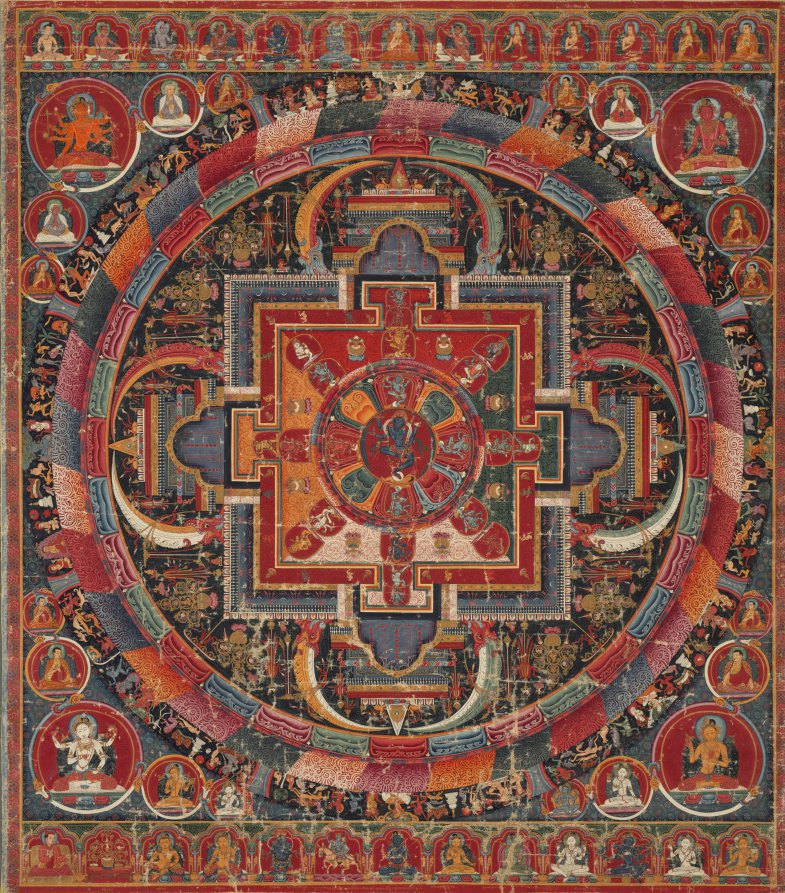
Twenty-three Deity Nairatma Mandala, c. 1375

Twenty-three Deity Nairatma Mandala

c. 1375 · Painting

Darf man es sehen?

Ja, es empfängt Besucher

Cleveland Museum of Art

Cleveland, Vereinigte Staaten

Saal237 Himalayan

Öffentlich ausgestellt. Wer dafür bürgt, steht unten.

Geprüft
vor 9 Tagen
Unverändert seit
28. Sept. 2026
Quelle
Das Museum
Auf der KarteMuseumsseite

Über das Gemälde

One of the main types of imagery in tantric Buddhist art is the mandala, a two-dimensional diagram of the realm of an enlightened being. This mandala depicts the palace of Nairatma, who dances in the center surrounded by her entourage. Using the painting as a guide, the tantric practitioner in meditation mentally projects the two-dimensional plan into three-dimensional space and enters into it. The outermost ring contains depictions of the cremation grounds, where corpses are being burned and consumed, as well as tantric yogis and masters who work there in order to understand the impermanence of the body, defeat their fear of death, and overcome irrational aversions to impure aspects of life. Virupa is depicted twice, always pointing to arrest the sun with his raised left hand.

Weiterlesen

He sits among the row of lineage masters along the top edge, and is also depicted in the topmost segment of the ring of cremation grounds, being served a cup of liquor. Along with lineage masters at the top of this impressive painting, bodhisattvas and important masters are depicted in the spandrels, each identified by an inscription.

Cleveland Museum of Art

Angaben

Inventarnummer
1993.4

Im selben Saal · 237 Himalayan, Cleveland Museum of Art

Museumsseite

Im Katalog

GemäldeTemperaMittelalterVor 1400Central Tibet, Sakya-affiliated monastery, 14th century

Quellen

  • Cleveland Museum of Art
  • Bild: Cleveland Museum of Art — Museum open access
Bodhisattva of Compassion (Avalokiteshvara), Choying Dorje, the Tenth Black Hat Karmapa, 1647–48 or 1658

Choying Dorje, the Tenth Black Hat Karmapa

Bodhisattva of Compassion (Avalokiteshvara), 1647–48 or 1658

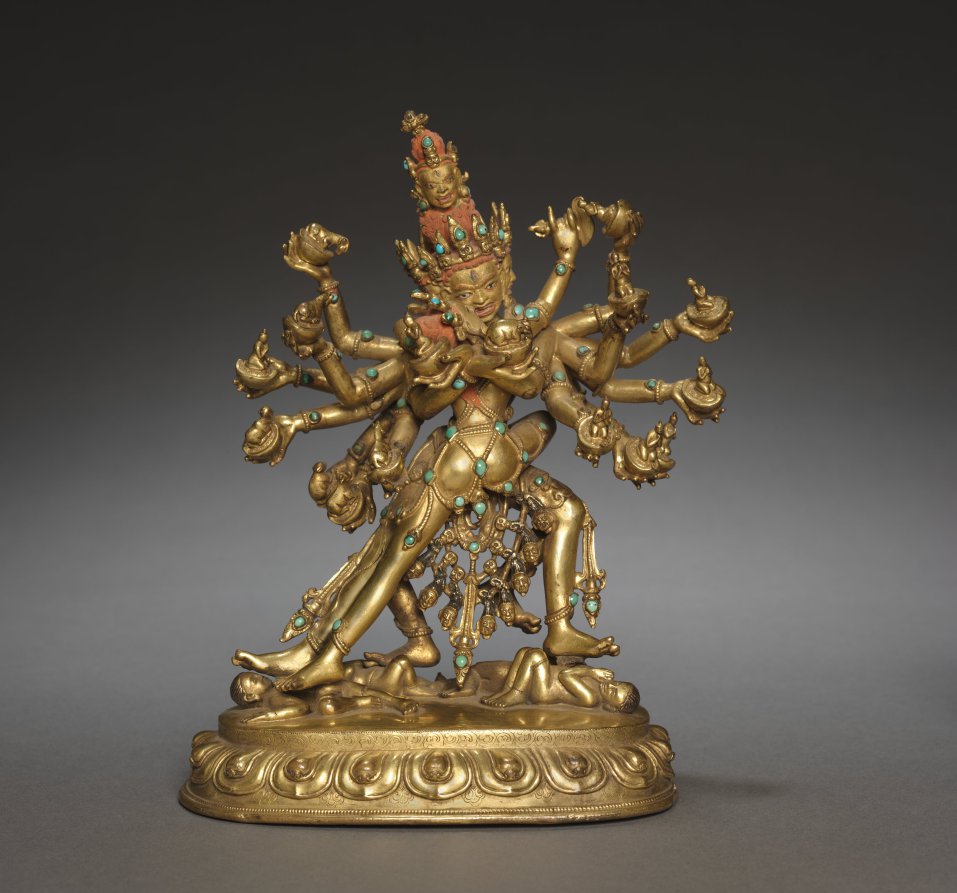
Hevajra and Consort, 1600s

Hevajra and Consort, 1600s

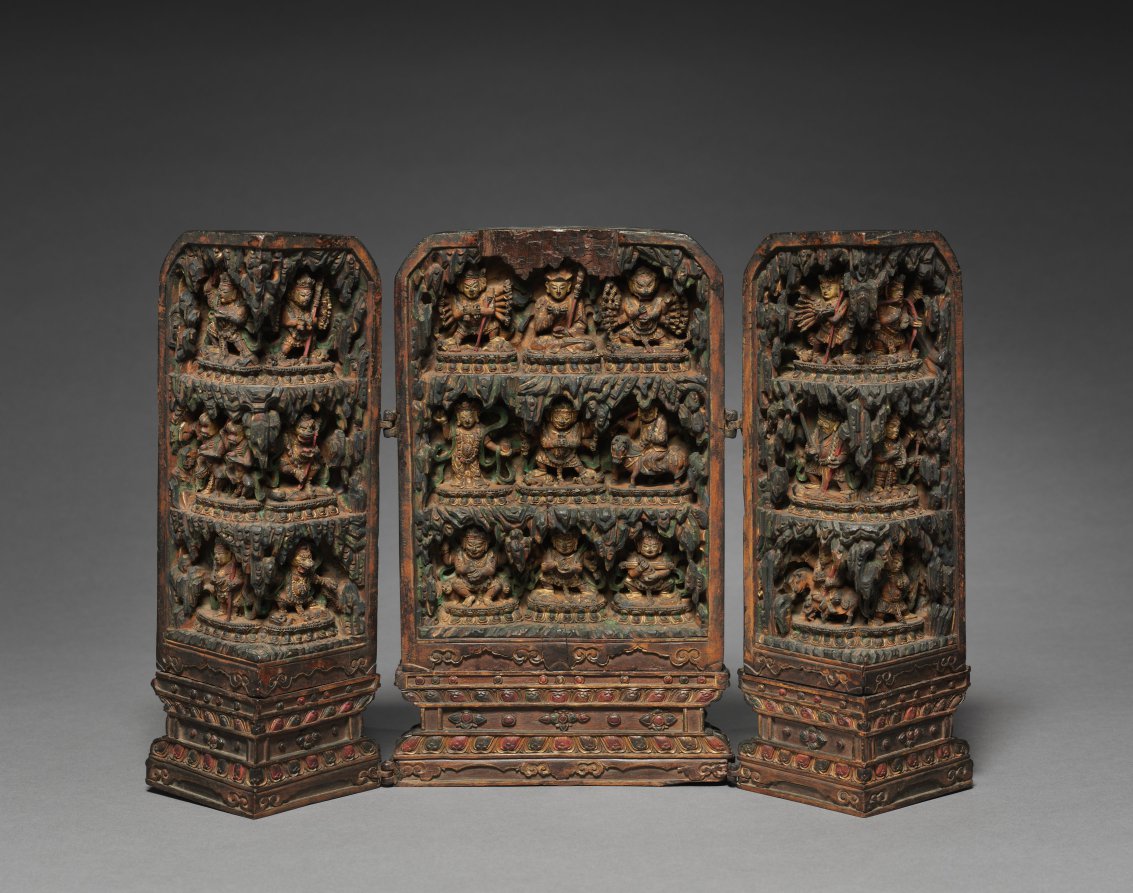
Portable Shrine, c. 1500

Portable Shrine, c. 1500

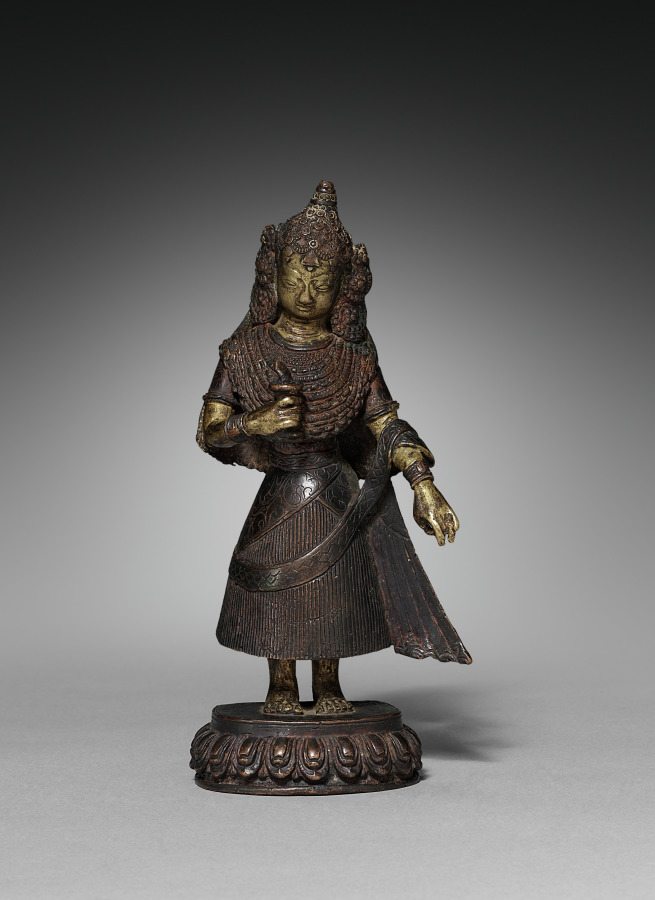
Royal Female Donor, c. 1500

Royal Female Donor, c. 1500

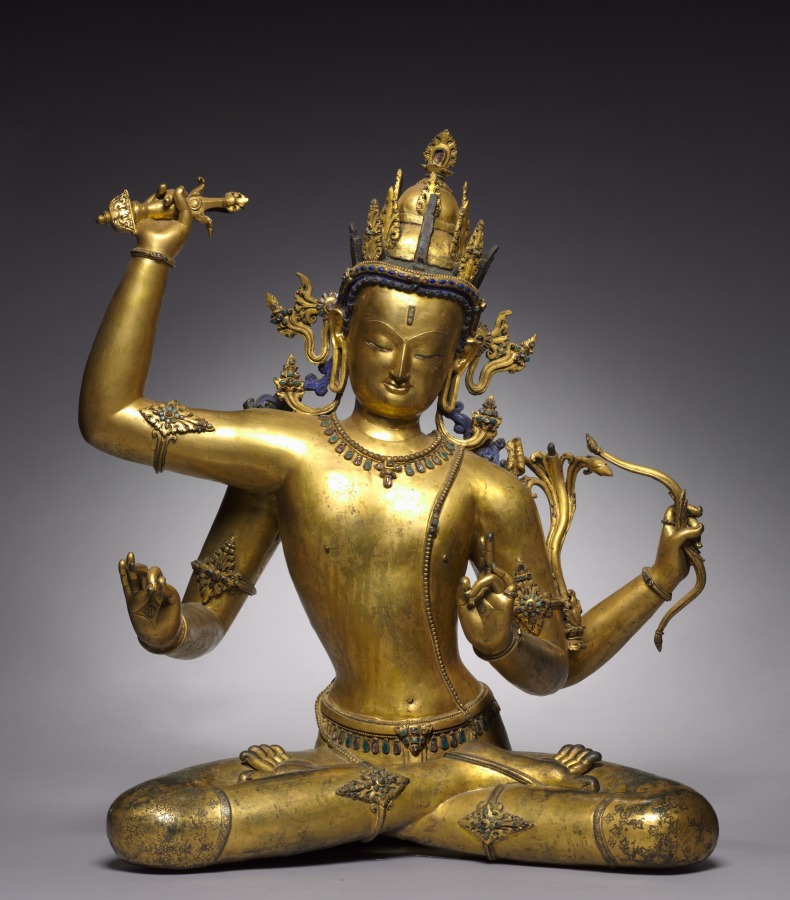
Bodhisattva of Wisdom (Manjushri), 1400s

Bodhisattva of Wisdom (Manjushri), 1400s

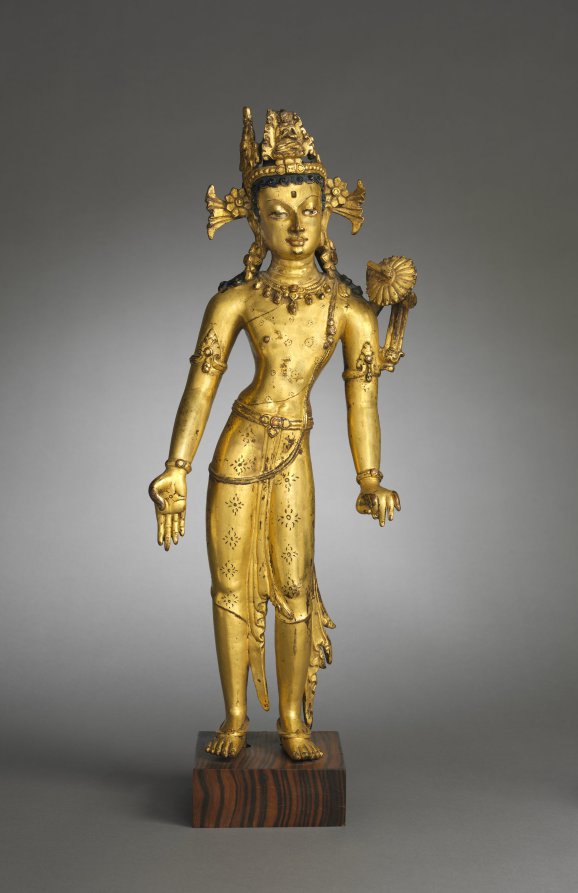
Bodhisattva of Wisdom (Manjushri), 1400s

Bodhisattva of Wisdom (Manjushri), 1400s

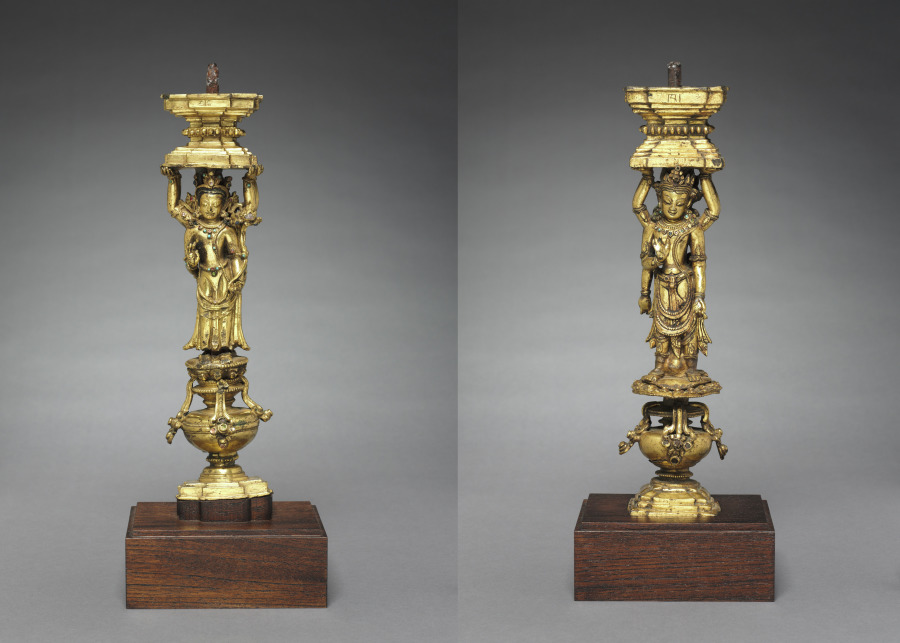
Supports with Addorsed Figures, 1400s

Supports with Addorsed Figures, 1400s

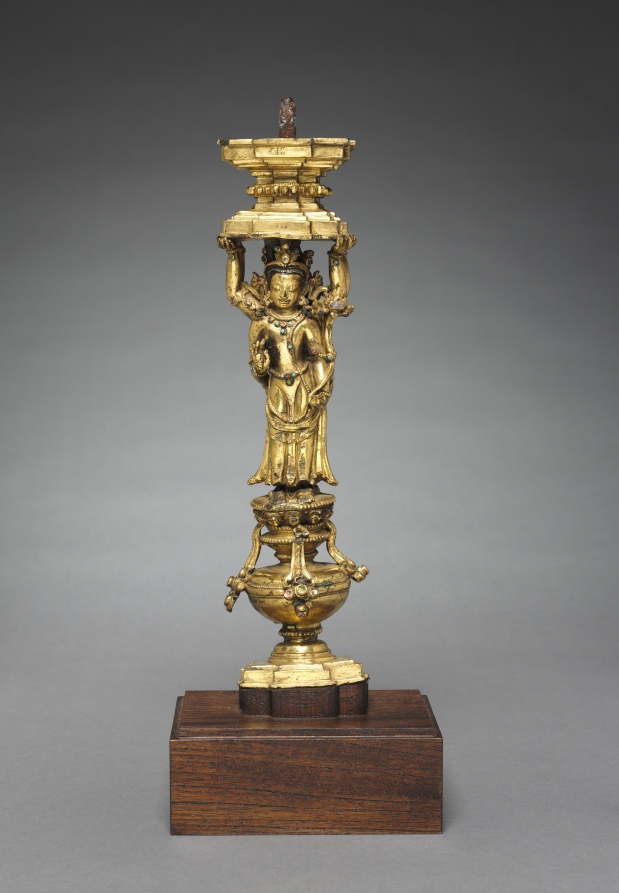
Support with Addorsed Figures, 1400s

Support with Addorsed Figures, 1400s