 Robert CapaVereinigte Staaten, 1913–1954
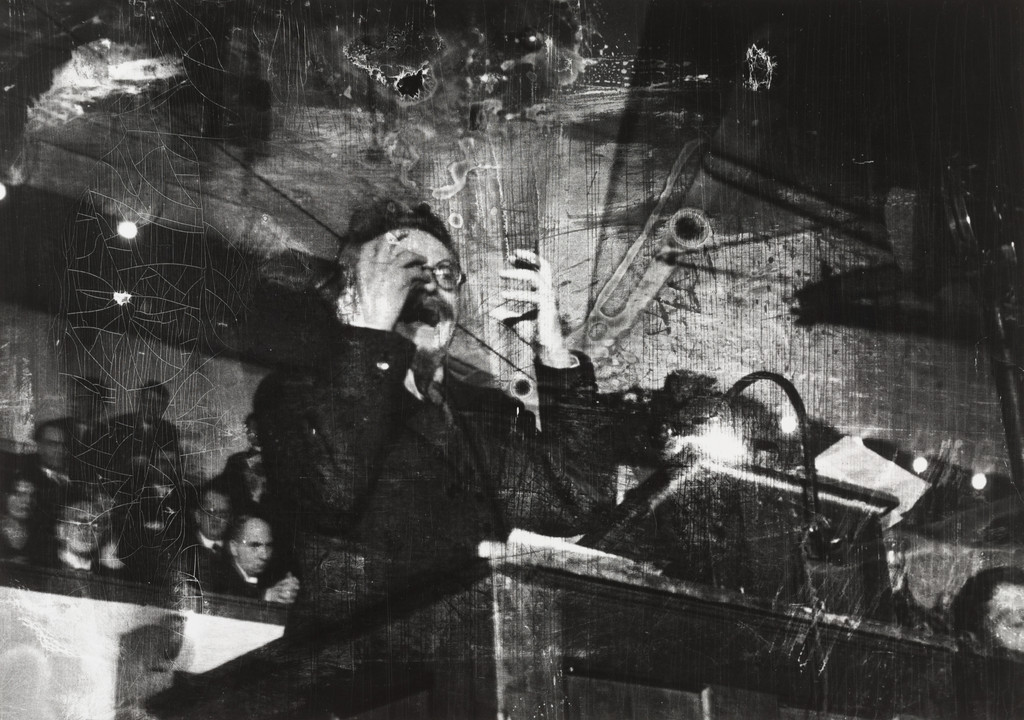
Trotsky, Copenhagen
Kann ich es sehen?
Derzeit nicht ausgestellt
Wo ist „Trotsky, Copenhagen“ heute? Sammlung: Museum of Modern Art, New York City. Derzeit nicht ausgestellt. Geprüft 10. November 2026.

New York City, Vereinigte Staaten
Es gehört zur Sammlung, ist derzeit aber nicht ausgestellt.
- Geprüft
- Quelle
- Das Museum
Angaben
- Inventarnummer
- 314.1964
Im Katalog
Quellen
- Museum of Modern Art
- Bild: Museum of Modern Art — © the artist or rights holder
Im Leben von Robert Capa
Das ganze Leben1931
Arrested by the Hungarian secret police and made to leave
In 1931, just before his first photograph was published, Friedmann was arrested by the Hungarian secret police for his radical political activity, beaten and jailed. A police official’s wife, who happened to know his family, won his release on condition that he leave Hungary immediately.
1931
From Hungary to Vienna, Prague and Berlin
At 18, accused of alleged communist sympathies, Friedmann was forced to flee Hungary: he moved to Vienna, then to Prague and finally settled in Berlin, all cities that were then centres of artistic and cultural ferment.
1932
First published photograph: Trotsky in Copenhagen
The first published photograph by Endre Friedmann, the future Robert Capa, showed Leon Trotsky speaking in Copenhagen on “The Meaning of the Russian Revolution”.
1933
Moves to Paris after the Nazis come to power
The Nazi Party’s rise to power made Friedmann, a Jew, decide to leave Germany, and he moved to Paris.
1933
Meets Henri Cartier-Bresson in Paris
In Paris Friedmann met Henri Cartier-Bresson, the future co-founder of Magnum Photos.
1934
Meets Gerta Pohorylle (Gerda Taro)
In 1934 in Paris Friedmann, who then called himself André, met Gerta Pohorylle, a German Jewish refugee, and taught her photography; she later took the name Gerda Taro.