ART WIKI32.963 ausgestellt
KarteSammlungKünstlerMuseenAusstellungenJournal
Anmelden

ART WIKI

Wo das Meisterwerk hängt und wann man vorgelassen wird.

Sammlungen: Art Institute of Chicago, Cleveland Museum of Art, Eremitage, Getty Villa, Harvard Art Museums, Hirshhorn Museum and Sculpture Garden, J. Paul Getty Museum, Louvre, Metropolitan Museum of Art, Minneapolis Institute of Art, Museum of Modern Art, National Gallery of Art, National Museum of Asian Art, National Portrait Gallery, Puschkin-Museum, Rijksmuseum Amsterdam, Russisches Museum, Smithsonian American Art Museum, Statens Museum for Kunst, Tretjakow-Galerie, Victoria and Albert Museum, Whitney Museum of American Art, Staatskatalog des Museumsfonds Russlands (274 Museen), Europeana (19 Museen), Wikidata (6 Museen), Paris Musées (12 Museen) und Joconde, die Museumsdatenbank des französischen Kulturministeriums (495 Museen). Die Bilder gehören ihren Rechteinhabern.

Rubriken

  • Karte
  • Suche
  • Sammlung
  • Meisterwerke
  • Jetzt ausgestellt
  • Künstler

Mehr

  • Museen & Galerien
  • Ausstellungen
  • Journal
  • Woher die Daten stammen
  • Datenschutz & Cookies
StartseiteKarteKatalog
  1. Sammlung/
  2. Cleveland Museum of Art/
  3. Trikala Bhairava
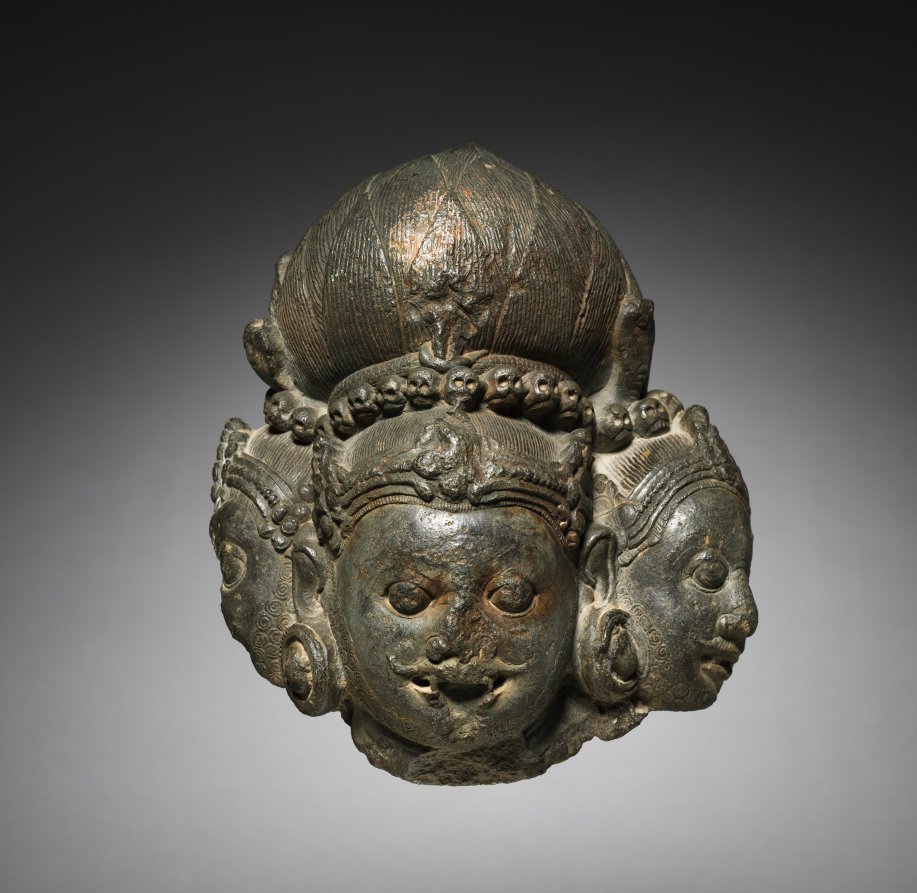
Trikala Bhairava, 1000s–1100s

Trikala Bhairava

1000s–1100s · Sculpture

Darf man es sehen?

Ja, es empfängt Besucher

Cleveland Museum of Art

Cleveland, Vereinigte Staaten

Saal244 Indian and Southeast Asian

Öffentlich ausgestellt. Wer dafür bürgt, steht unten.

Geprüft
vor 3 Tagen
Unverändert seit
19. Aug. 2026
Quelle
Das Museum
Auf der KarteMuseumsseite

Über die Skulptur

Bhairava is the name of the wrathful aspect of the Hindu god Shiva. His ferocity and fearsome attributes include the crown of skulls and cobras, bulging eyes, fangs, and hair that stands on end. His three heads are indicative of the passing of time from past through present to the future, which is the meaning of his epithet Trikala, or "triple time." The ferocity of this figure reminds devotees not to waste a moment in striving to reach liberation from the relentless passage of time that ultimately leads to death and destruction. In the Hindu tradition, liberation can be achieved through devotion to god, which may attract his merciful decision to bring the devotee to eternal blissful union with him.

Cleveland Museum of Art

Angaben

Inventarnummer
1958.208

Im selben Saal · 244 Indian and Southeast Asian, Cleveland Museum of Art

Museumsseite

Im Katalog

SkulpturSteinEastern India, Orissa

Quellen

  • Cleveland Museum of Art
  • Bild: Cleveland Museum of Art — Museum open access
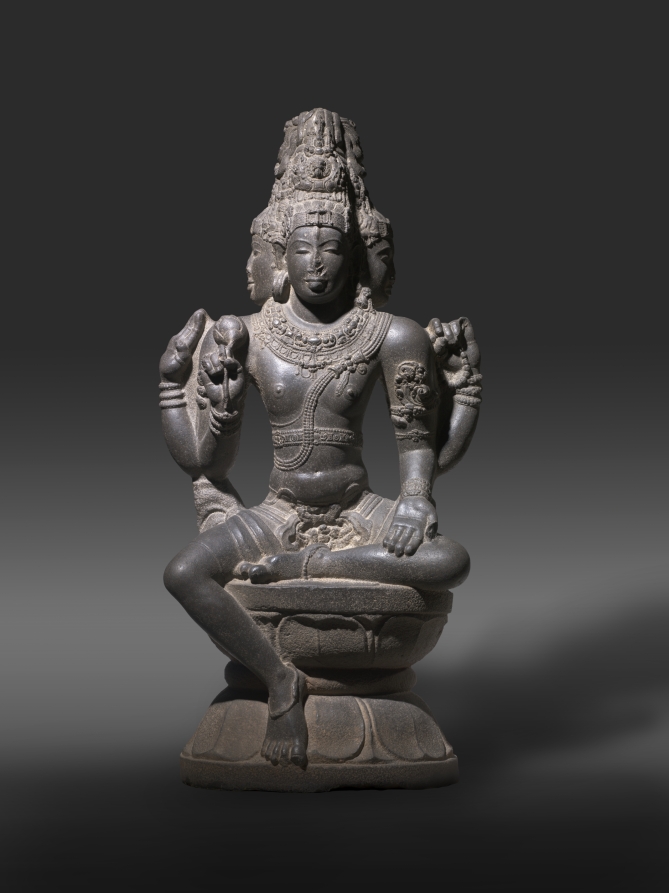
Brahma-Shiva, 900s

Brahma-Shiva, 900s

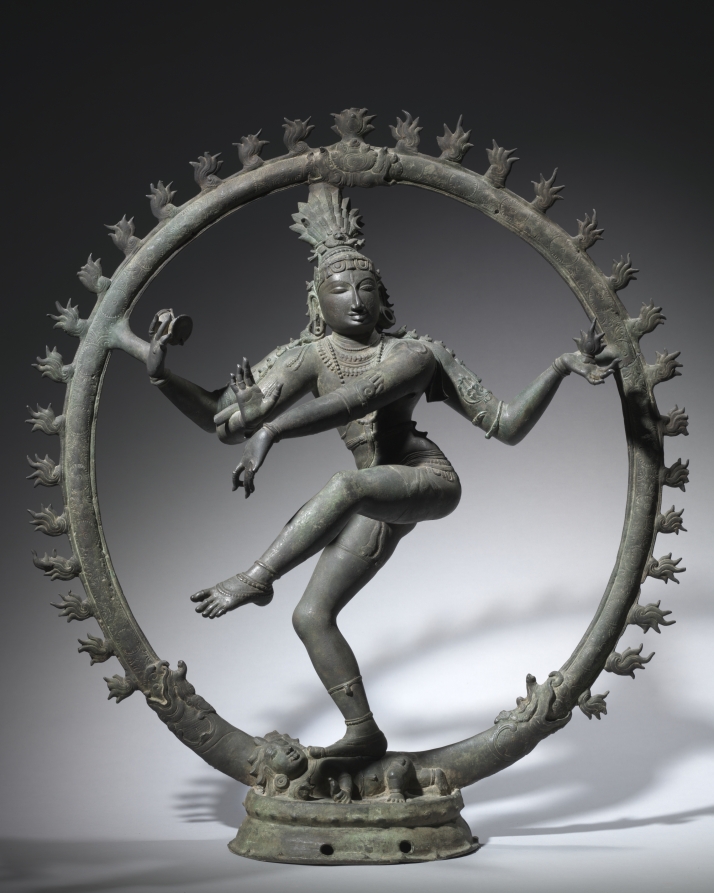
Nataraja, Shiva as the Lord of Dance, 1000s

Nataraja, Shiva as the Lord of Dance, 1000s

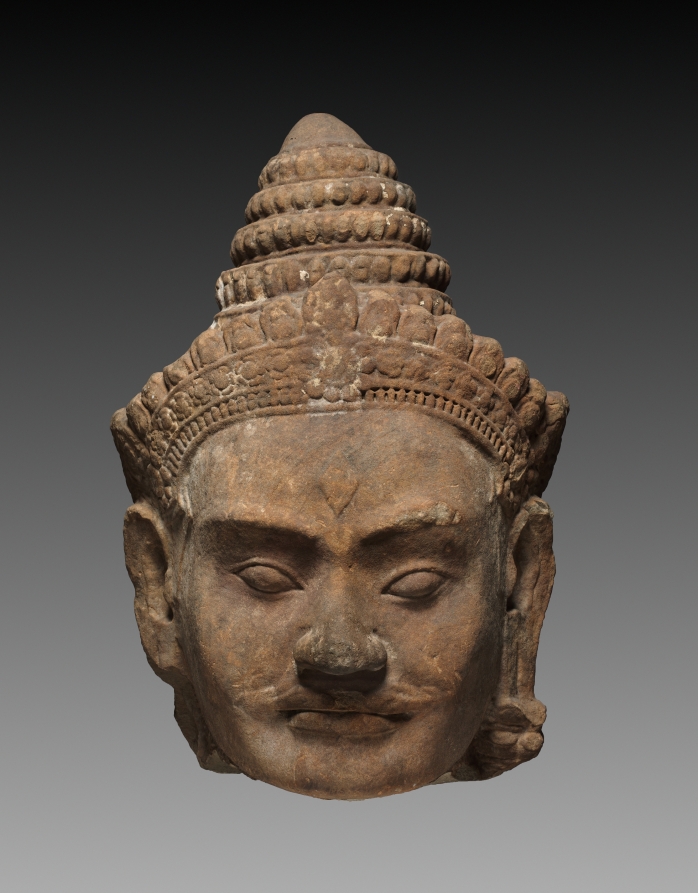
Colossal Head of a Deva, c. 1200

Colossal Head of a Deva, c. 1200

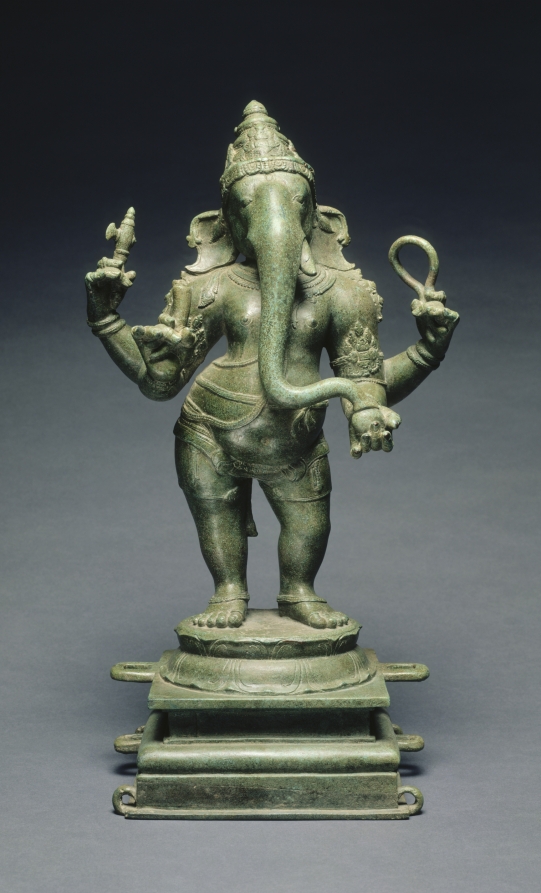
Ganesha, c. 1070

Ganesha, c. 1070

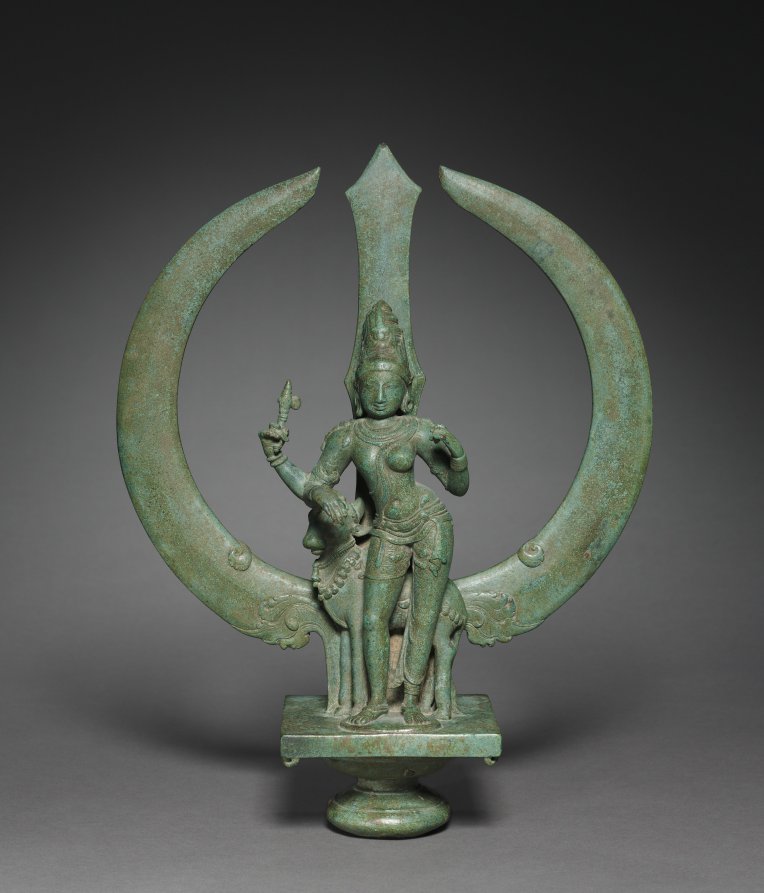
Trident with Shiva as Half-Woman (Ardhanarishvara), c. 1050

Trident with Shiva as Half-Woman (Ardhanarishvara), c. 1050

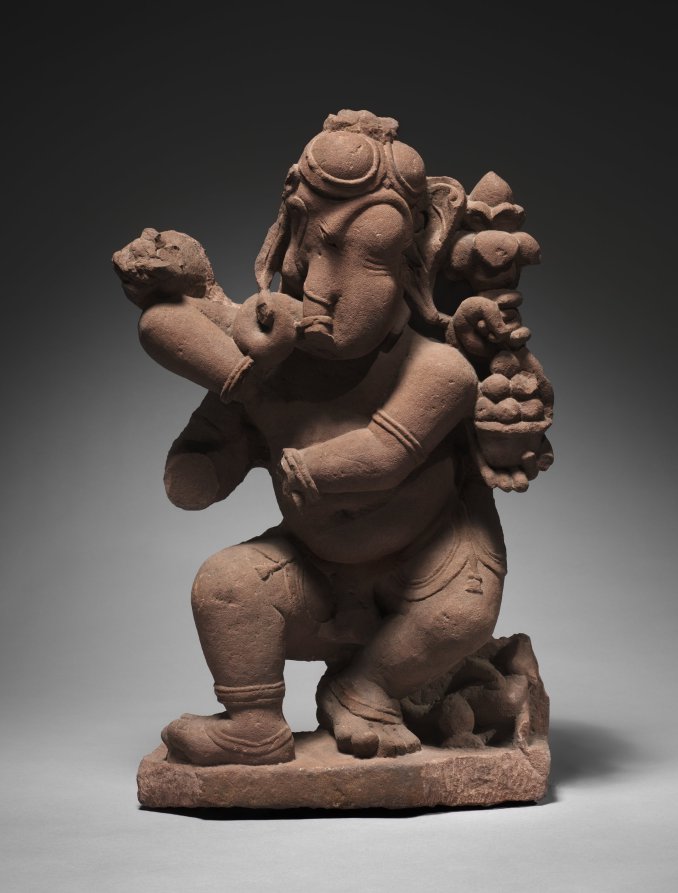
Dancing Ganesha, c. 1000

Dancing Ganesha, c. 1000

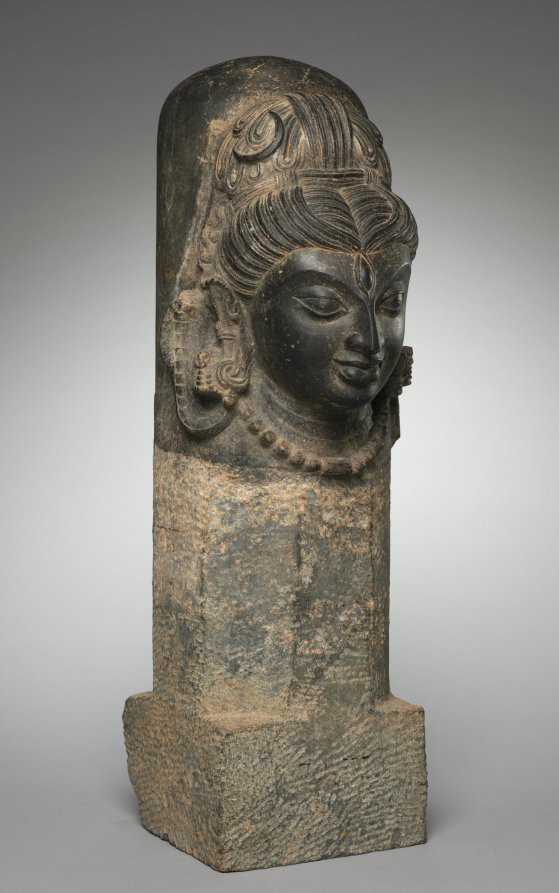
One-Faced Linga (Ekamukhalinga), 600s–700s

One-Faced Linga (Ekamukhalinga), 600s–700s

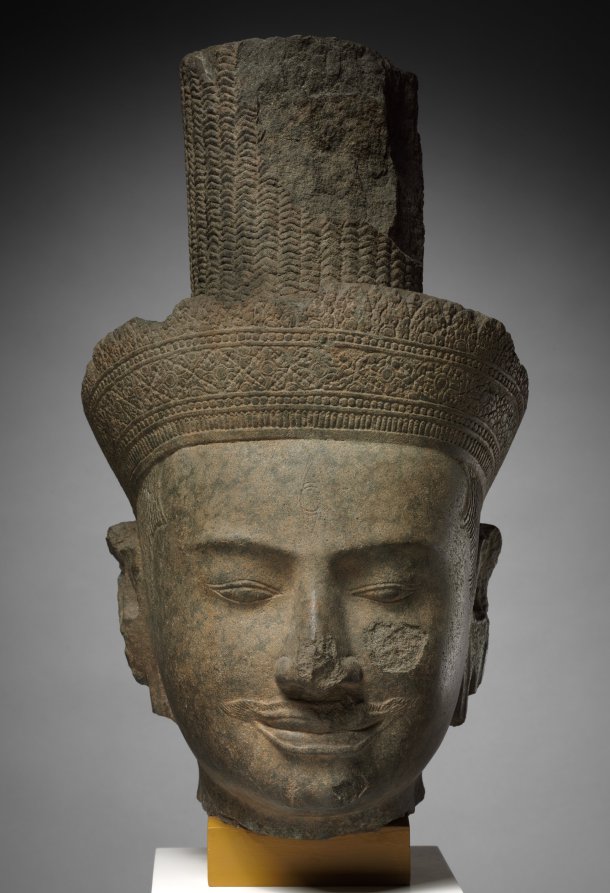
Head of Shiva, 1100s

Head of Shiva, 1100s