ART WIKI33.040 ausgestellt
KarteSammlungKünstlerMuseenAusstellungenJournal
Anmelden

ART WIKI

Wo das Meisterwerk hängt und wann man vorgelassen wird.

Sammlungen: Art Institute of Chicago, Cleveland Museum of Art, Eremitage, Getty Villa, Harvard Art Museums, Hirshhorn Museum and Sculpture Garden, J. Paul Getty Museum, Louvre, Metropolitan Museum of Art, Minneapolis Institute of Art, Museum of Modern Art, National Gallery of Art, National Museum of Asian Art, National Portrait Gallery, Puschkin-Museum, Rijksmuseum Amsterdam, Russisches Museum, Smithsonian American Art Museum, Statens Museum for Kunst, Tretjakow-Galerie, Victoria and Albert Museum, Whitney Museum of American Art, Staatskatalog des Museumsfonds Russlands (274 Museen), Europeana (19 Museen), Wikidata (6 Museen), Paris Musées (12 Museen) und Joconde, die Museumsdatenbank des französischen Kulturministeriums (495 Museen). Die Bilder gehören ihren Rechteinhabern.

Rubriken

  • Karte
  • Suche
  • Sammlung
  • Meisterwerke
  • Jetzt ausgestellt
  • Künstler

Mehr

  • Museen & Galerien
  • Ausstellungen
  • Journal
  • Woher die Daten stammen
  • Datenschutz & Cookies
StartseiteKarteKatalog
  1. Sammlung/
  2. Harvard Art Museums/
  3. The Virgin Mary
The Virgin Mary, Philippe de Champaigne, c. 1650
Philippe de Champaigne, PorträtPhilippe de ChampaigneFrankreich, 1602–1674

The Virgin Mary

c. 1650 · Painting

Über das Gemälde

The Flemish master Philippe de Champaigne pursued a successful career in France, where he produced altarpieces, devotional images, and portraits, served as first painter to the queen, and was a founding member of the French Academy. The emotional restraint typical of the French classical tradition informs Champaigne’s two devotional pictures: The Virgin Mary, at right (1978.546), and Saint Joseph, at left (1978.545). Both are isolated against a softly lit landscape. Champaigne highlights Joseph’s divinity by replacing his carpentry tools, cast on the ground to his right, with a white lily, denoting the purity of Christ’s conception. Draped in a robe and veil of the same rich palette as her husband’s attire, the Virgin reads a book, which underscores her fidelity to scripture. Forming halos around their heads, the light shining through the clouds behind them reinforces their sacred status. The copper support, which concentrates and clarifies the colors, heightens this effect.

Harvard Art Museums

Angaben

c. 1650
16021674
Inventarnummer
1978.546

Mehr von Philippe de Champaigne

Alle Werke

Im selben Saal · Gallery 2400, floor 2, European Art, 17th century, Harvard Art Museums

Museumsseite

Darf man es sehen?

Ja, es empfängt Besucher

Harvard Art Museums

Cambridge, Vereinigte Staaten

Saal2400, floor 2, European Art, 17th century

Öffentlich ausgestellt. Wer dafür bürgt, steht unten.

Geprüft
vor 9 Tagen
Unverändert seit
27. Sept. 2026
Quelle
Das Museum
Auf der KarteMuseumsseite

Im Katalog

GemäldeÖlFranzösische MalereiBarock17. JahrhundertFrankreich

Quellen

  • Harvard Art Museums
  • Bild: Harvard Art Museums — © President and Fellows of Harvard College
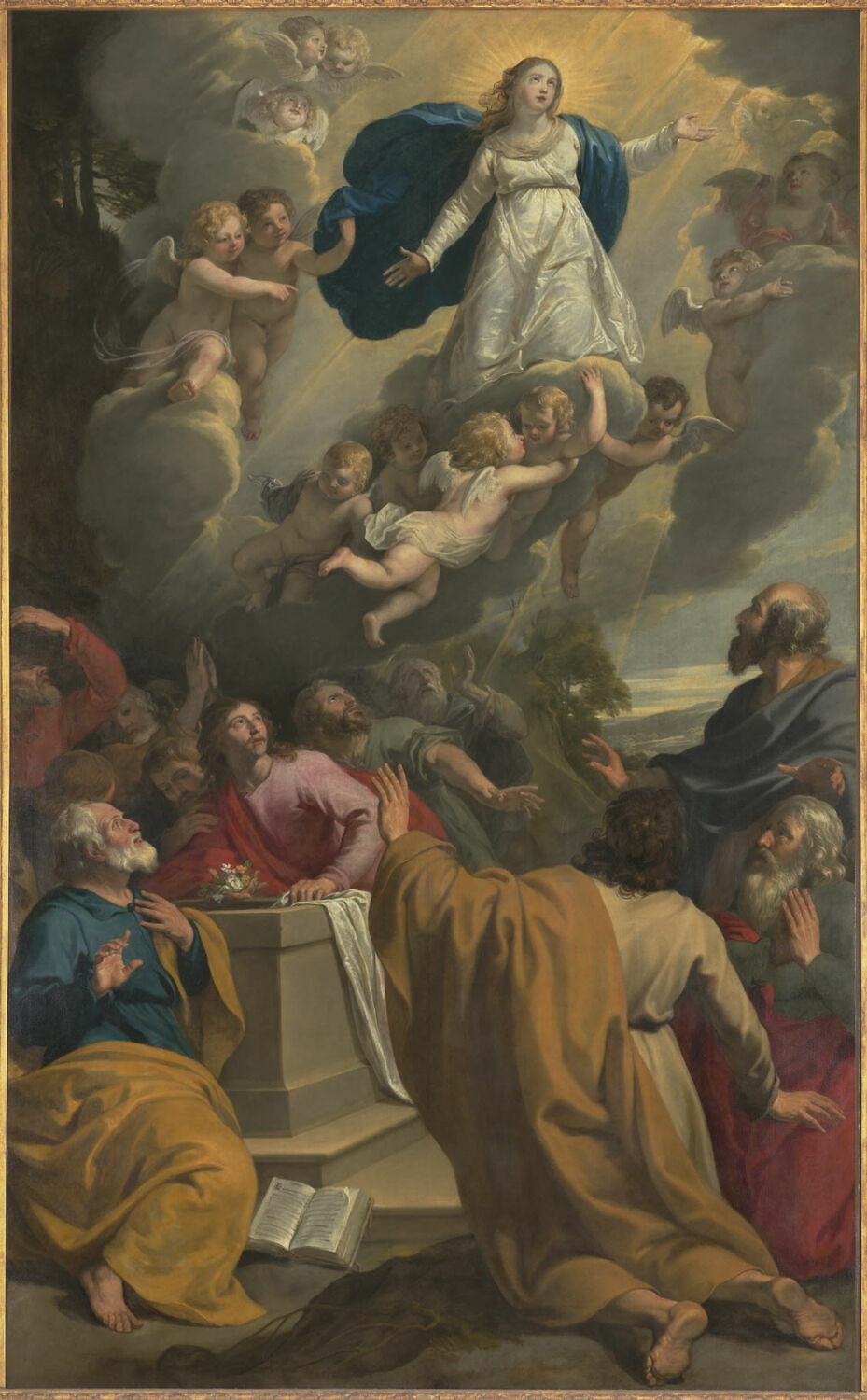
L'Assomption, Champaigne, Philippe de, 2e quart du XVIIe siècle (vers 1629)

L'Assomption

2e quart du XVIIe siècle (vers 1629) · Louvre

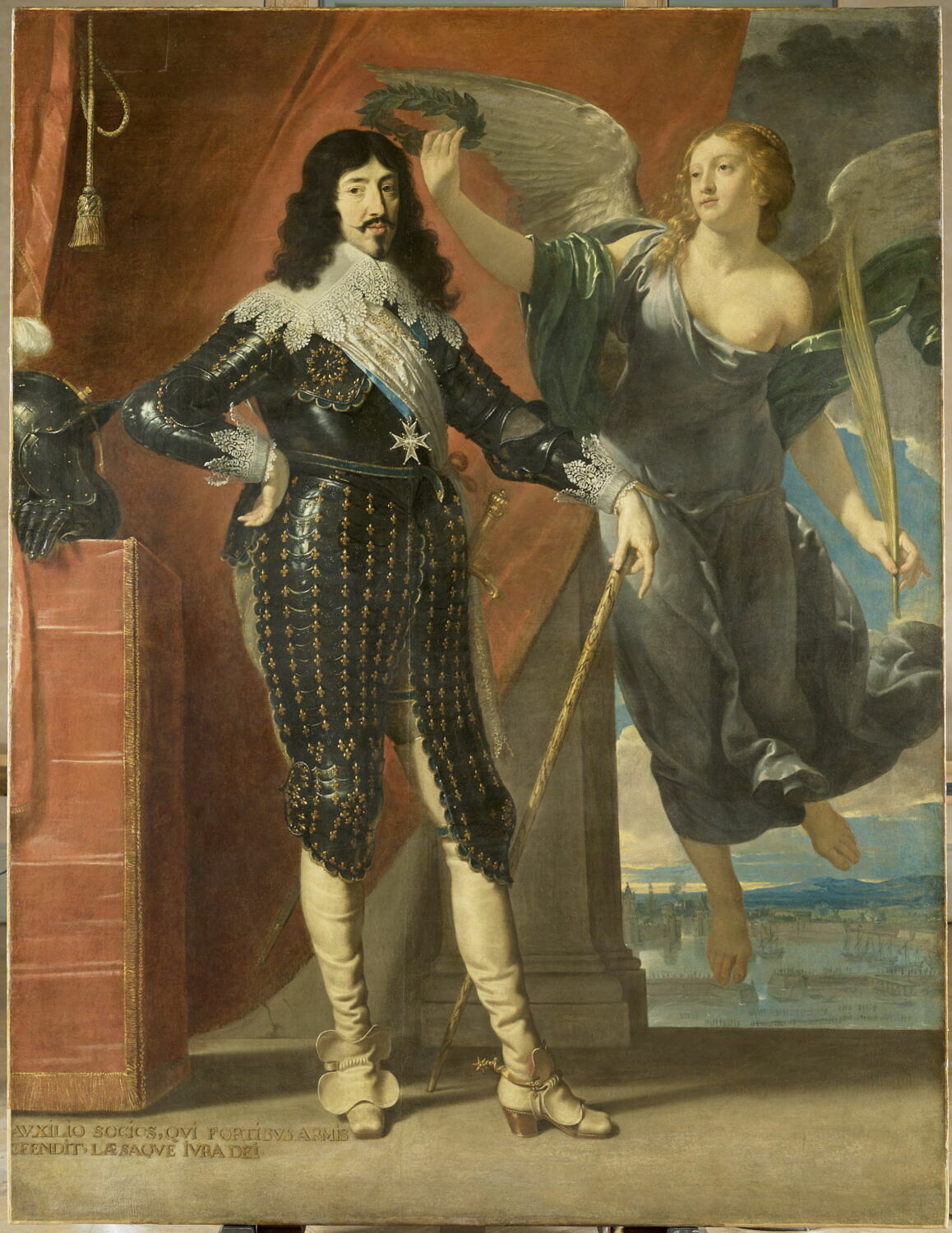
Louis XIII couronné par la Victoire, Champaigne, Philippe de, 2e quart du XVIIe siècle (vers 1634)

Louis XIII couronné par la Victoire

2e quart du XVIIe siècle (vers 1634) · Louvre

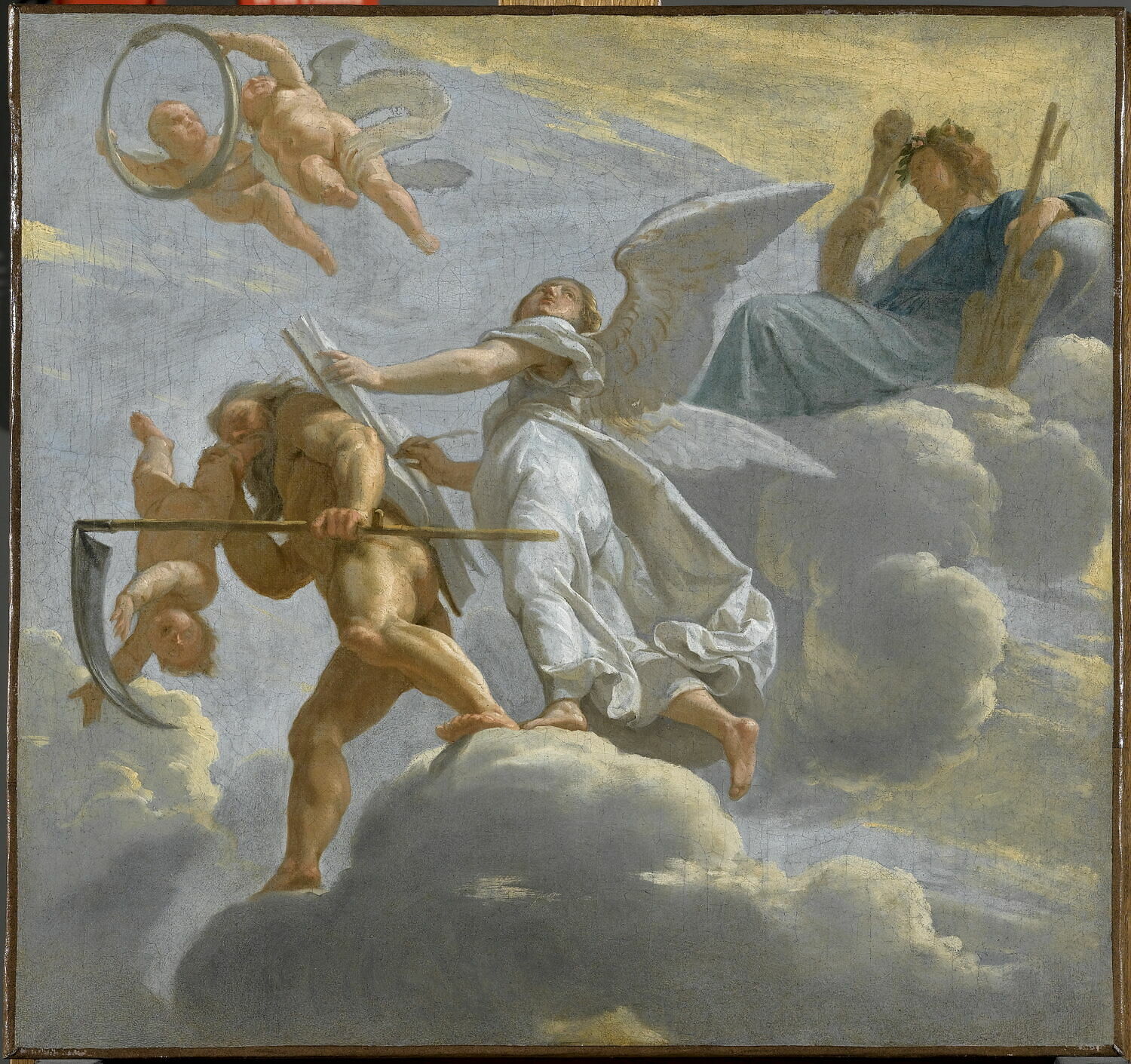
La Gloire immortelle de Richelieu, Champaigne, Philippe de, 2e quart du XVIIe siècle (vers 1635)

La Gloire immortelle de Richelieu

2e quart du XVIIe siècle (vers 1635) · Louvre

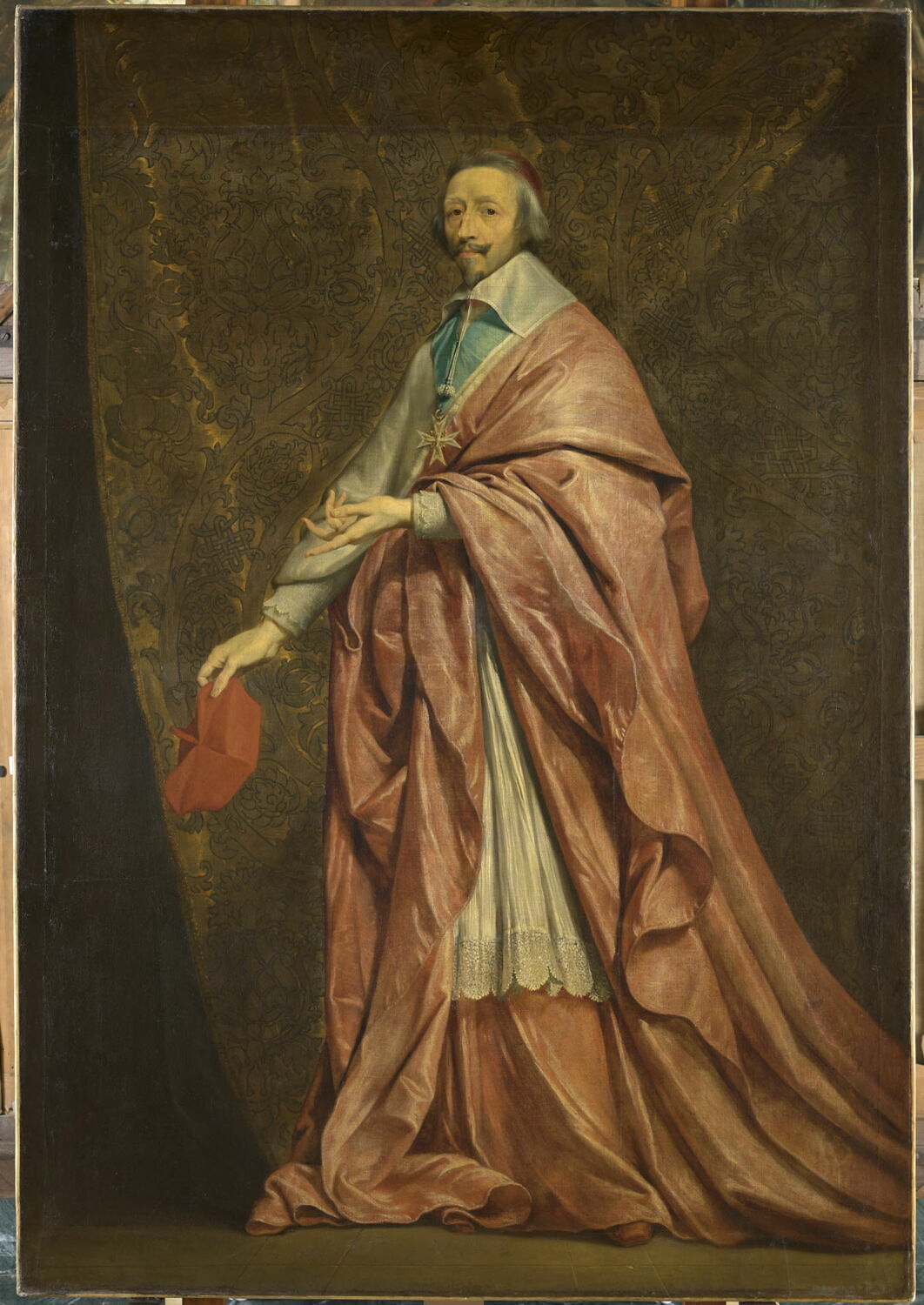
Le cardinal de Richelieu (1585-1642), Champaigne, Philippe de, 2e quart du XVIIe siècle (vers 1635 - 1640)

Le cardinal de Richelieu (1585-1642)

2e quart du XVIIe siècle (vers 1635 - 1640) · Louvre

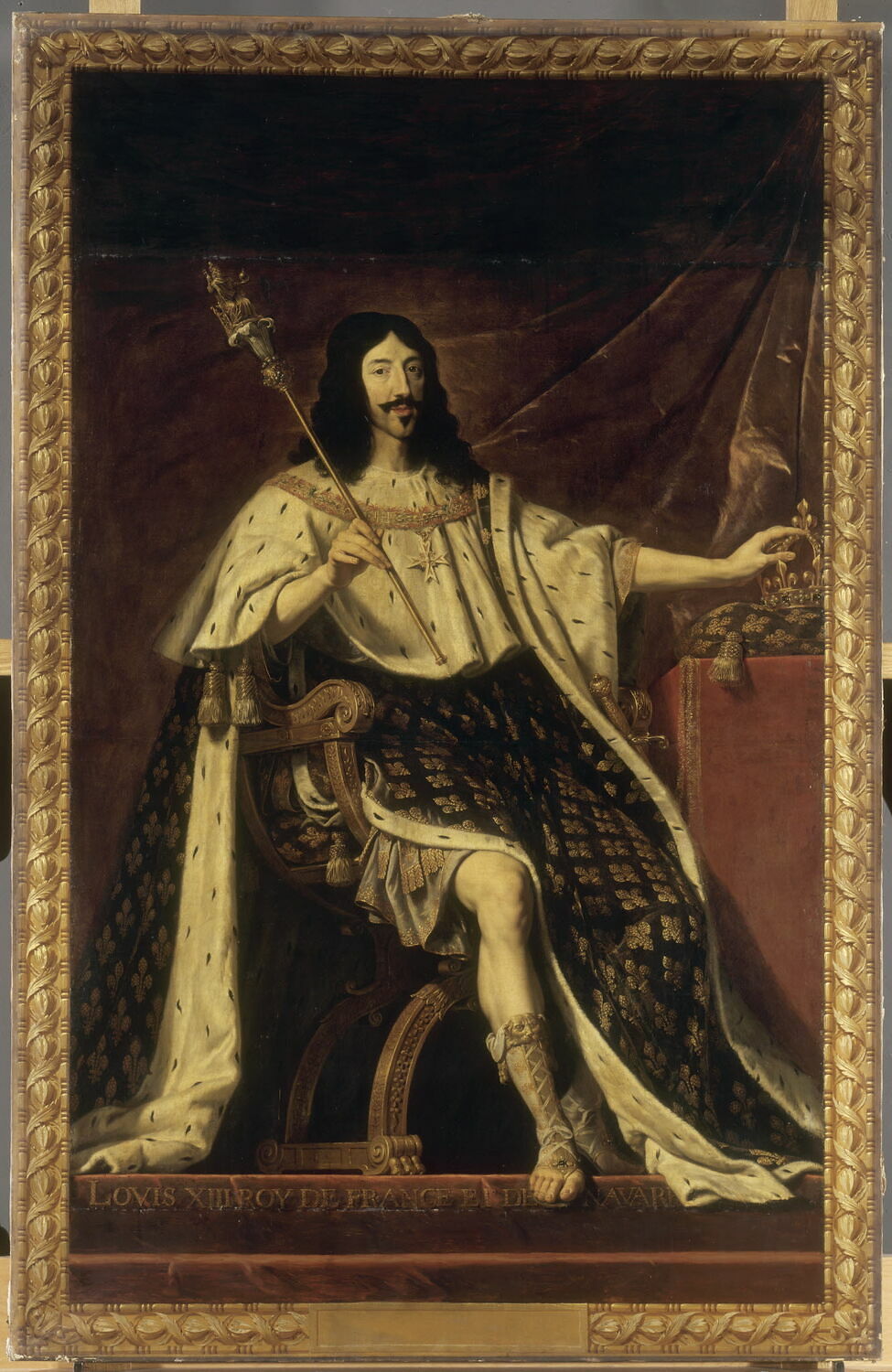
Louis XIII (1601-1643), Champaigne, Philippe de, 1e moitié du XVIIe siècle (vers 1635 - 1640)

Louis XIII (1601-1643)

1e moitié du XVIIe siècle (vers 1635 - 1640) · Louvre

Scene from the Life of St Benedict. The Poisoned Cup of Wine, Philippe de Champaigne, 1640s

Scene from the Life of St Benedict. The Poisoned Cup of Wine

1640s · Eremitage

The Annunciation, Philippe de Champaigne, ca. 1644

The Annunciation

ca. 1644 · Metropolitan Museum of Art

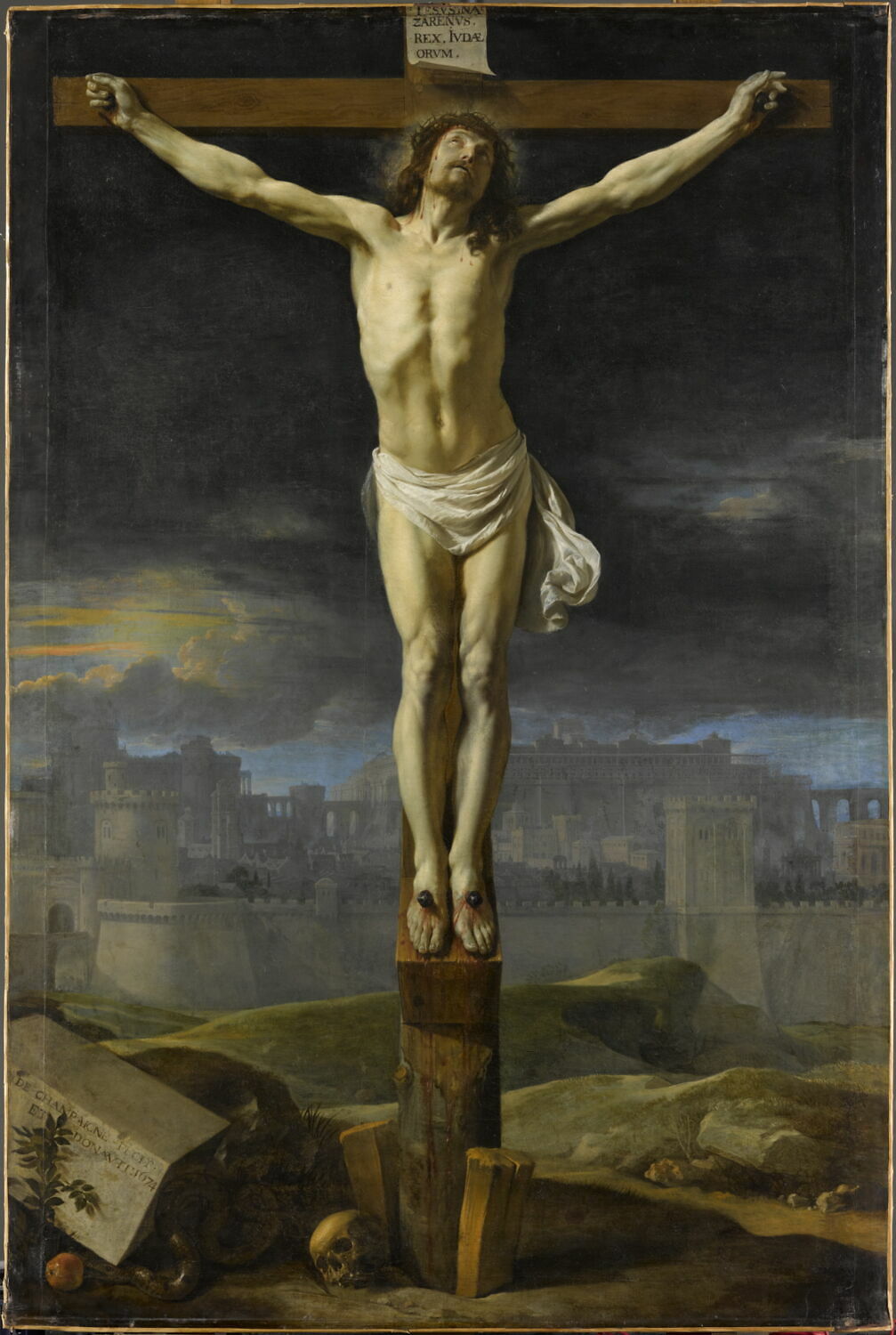
Le Christ en croix, Champaigne, Philippe de, XVIIe siècle (vers 1645)

Le Christ en croix

XVIIe siècle (vers 1645) · Louvre

Spencer Album 3: Works of Jacques Callot, Volume 1, Jacques Callot, 18th century

Jacques Callot

Spencer Album 3: Works of Jacques Callot, Volume 1, 18th century

The Infant Bacchus Entrusted to the Nymphs of Nysa; The Death of Echo and Narcissus, Nicolas Poussin, 1657

Nicolas Poussin

The Infant Bacchus Entrusted to the Nymphs of Nysa; The Death of Echo and Narcissus, 1657

Saint John the Baptist Pointing to Christ in a Landscape, Carlo Maratti, c. 1656

Carlo Maratta

Saint John the Baptist Pointing to Christ in a Landscape, c. 1656

Saint Joseph, Philippe de Champaigne, c. 1650

Philippe de Champaigne

Saint Joseph, c. 1650

The Holy Family with the Infant Saint John the Baptist and Saint Elizabeth, Nicolas Poussin, 1650

Nicolas Poussin

The Holy Family with the Infant Saint John the Baptist and Saint Elizabeth, 1650

Saint Jerome, Jusepe de Ribera, 1640

Jusepe de Ribera

Saint Jerome, 1640

The Liberality of Titus (Allegory of the Liberality of Louis XIII and Cardinal Richelieu), Jacques Stella, c. 1637-1638

Jacques Stella

The Liberality of Titus (Allegory of the Liberality of Louis XIII and Cardinal Richelieu), c. 1637-1638

Pedestal with Cherubs and the Arms of Pope Urban VIII, Unidentified Artist; Possibly School of Francesco Borromini; Possibly attributable to Gian Lorenzo Bernini, mid-17th century

Unidentified Artist; Possibly School of Francesco Borromini; Possibly attributable to Gian Lorenzo Bernini

Pedestal with Cherubs and the Arms of Pope Urban VIII, mid-17th century