 Carl HaagDeutschland, 1820–1915
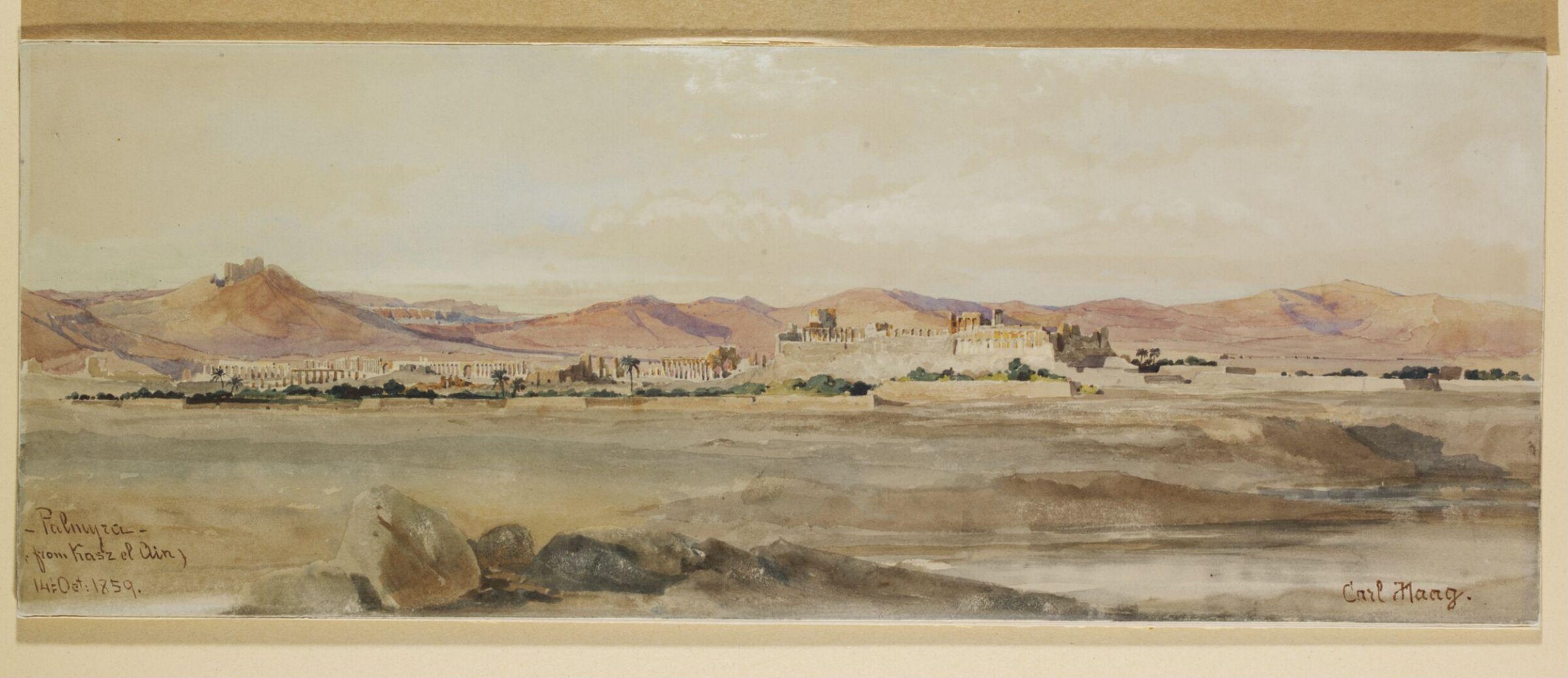
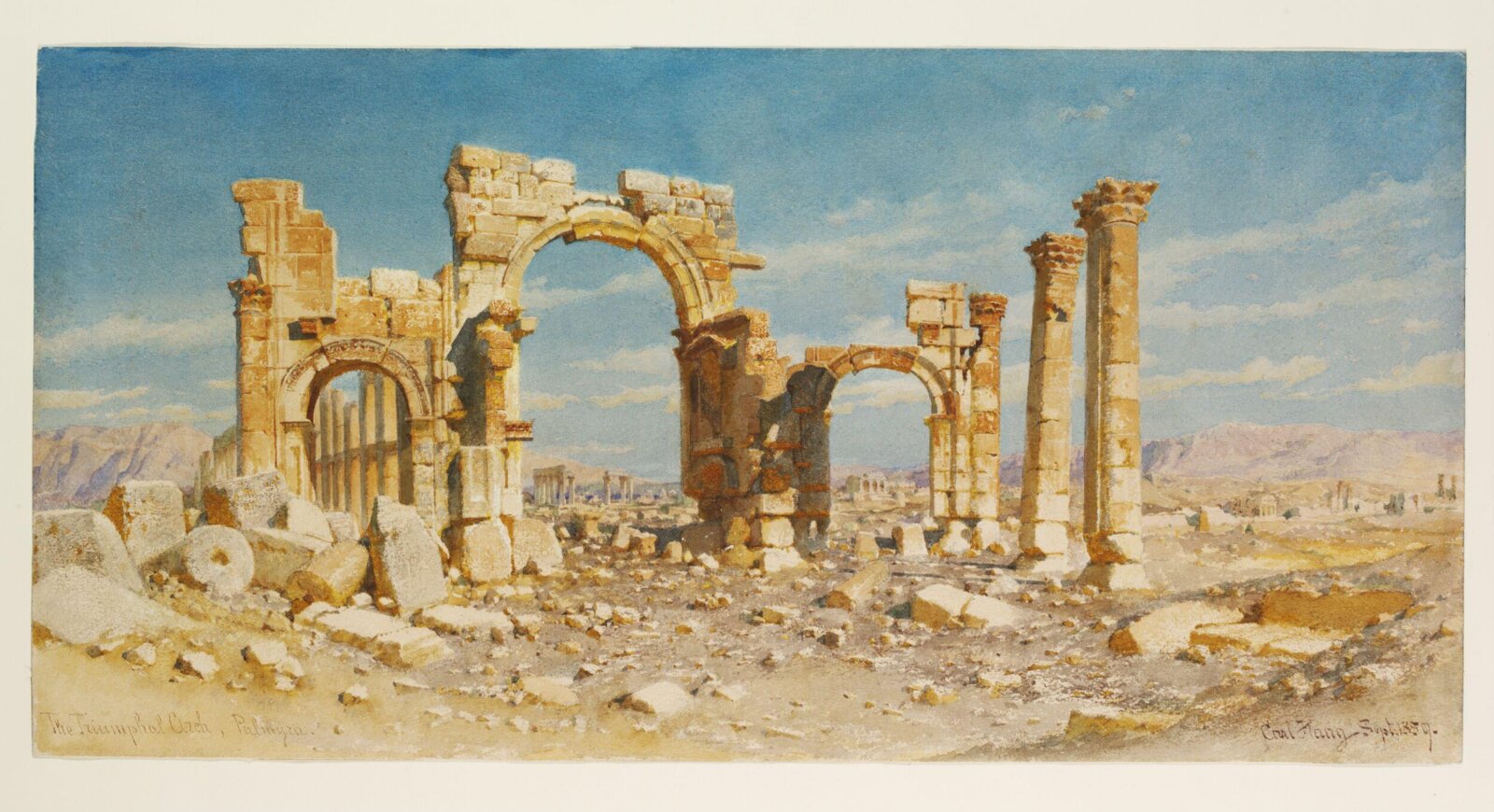
The Triumphal Arch, Palmyra
Kann ich es sehen?
Derzeit nicht ausgestellt
Wo ist „The Triumphal Arch, Palmyra“ heute? Sammlung: Victoria and Albert Museum, London. Derzeit nicht ausgestellt. Geprüft 25. September 2026.

London, Vereinigtes Königreich
Es gehört zur Sammlung, ist derzeit aber nicht ausgestellt.
- Geprüft
- Unverändert seit
- Quelle
- Das Museum
Über das Werk
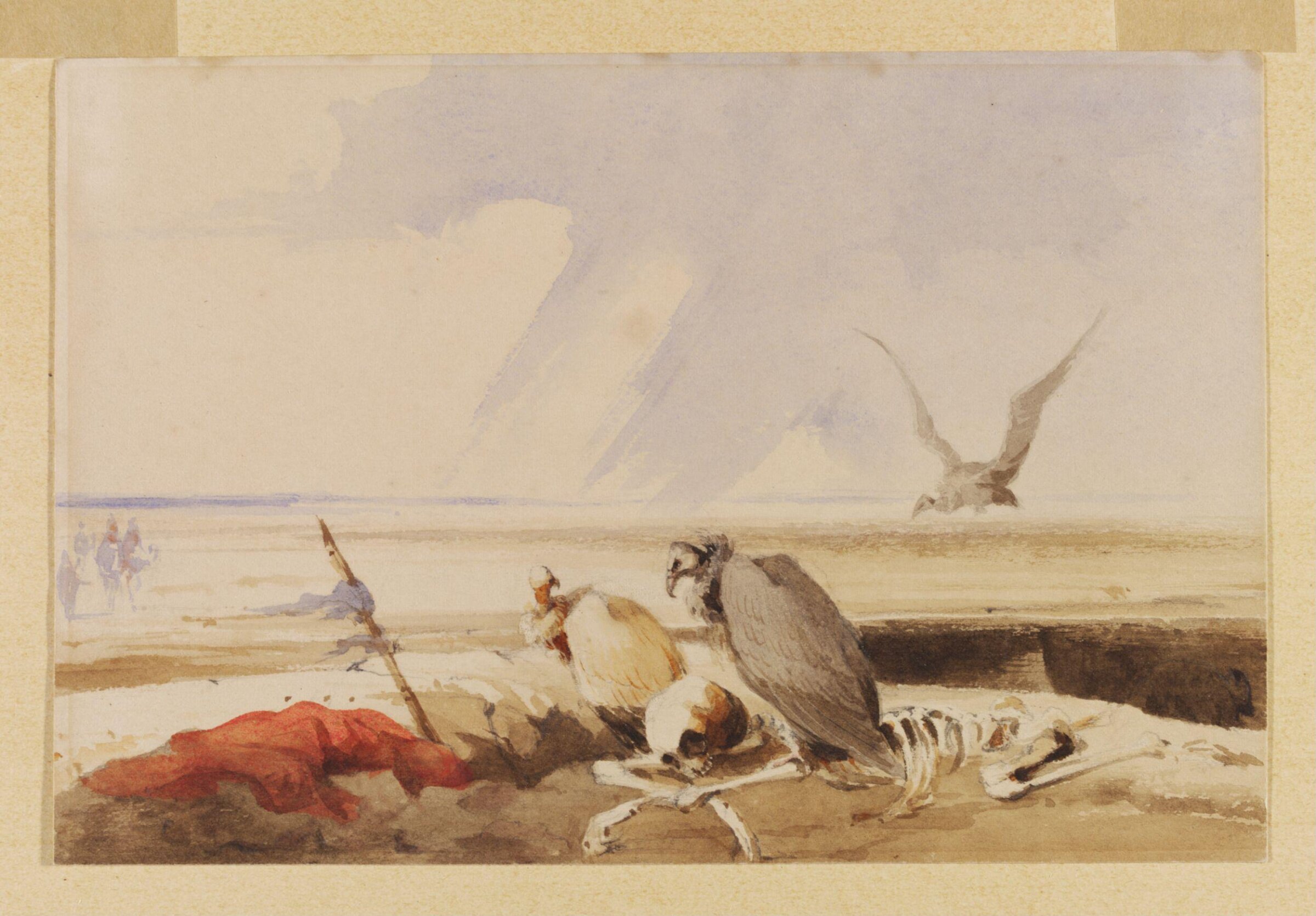
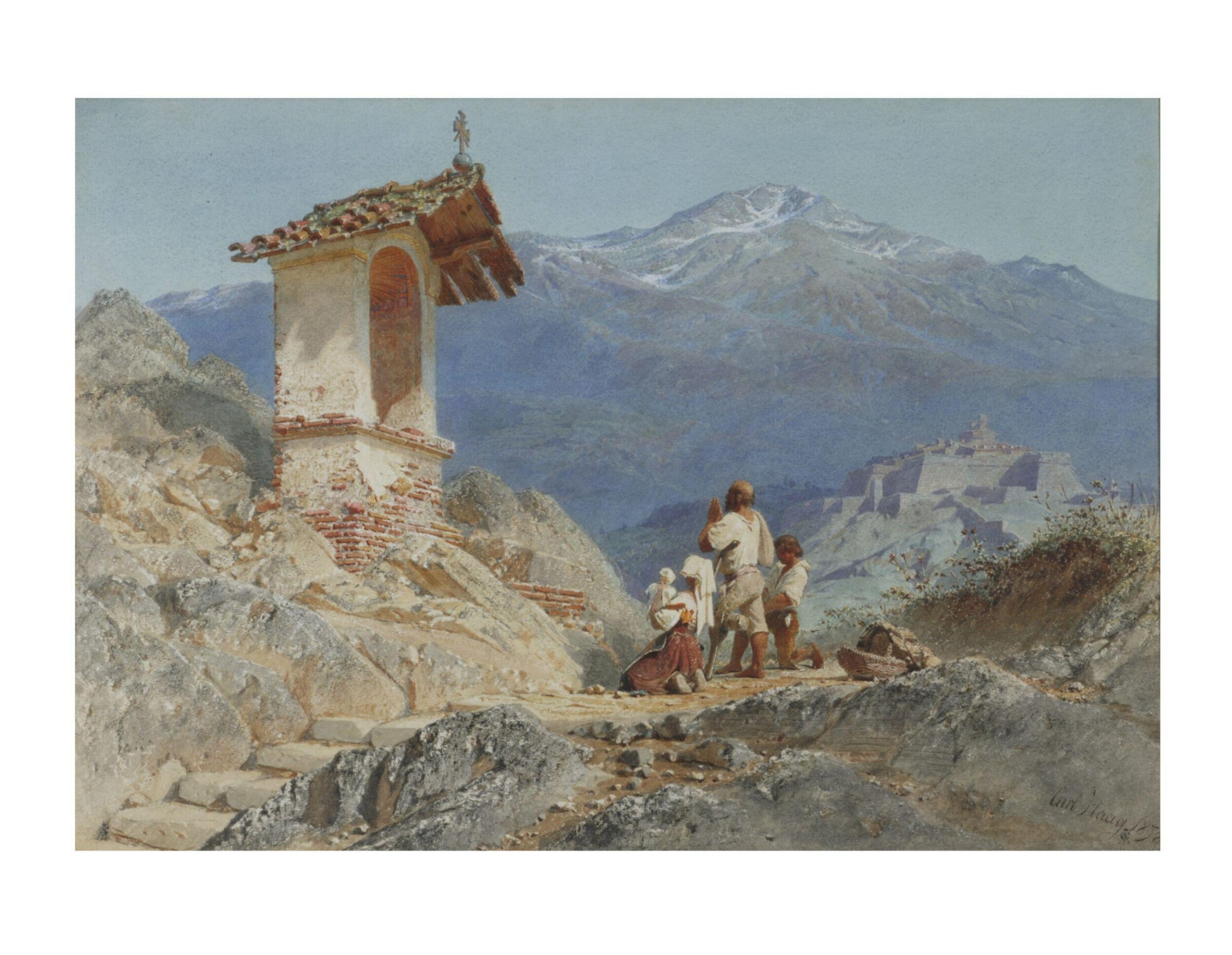
'If I am a ruined man all my life, or if I walk there in Bedouin sandals, I must go to Palmyra!' This, according to Emily Beaufort, was Haag's reaction on seeing sketches of the ruins. When they reached them in October 1859 they were not disappointed. Emily Beaufort's book, Egyptian Sepulchres and Syrian Shrines (1861), describes them eulogistically and at length; Haag made several sketches, which became the basis of watercolours exhibited in London on his return. In their preoccupation with the light and atmosphere of the site, these watercolours are very different from the dry, academic plans and architectural details published a century earlier in Robert Wood's Ruins of Palmyra (1753; see p.43).
Mehr lesen
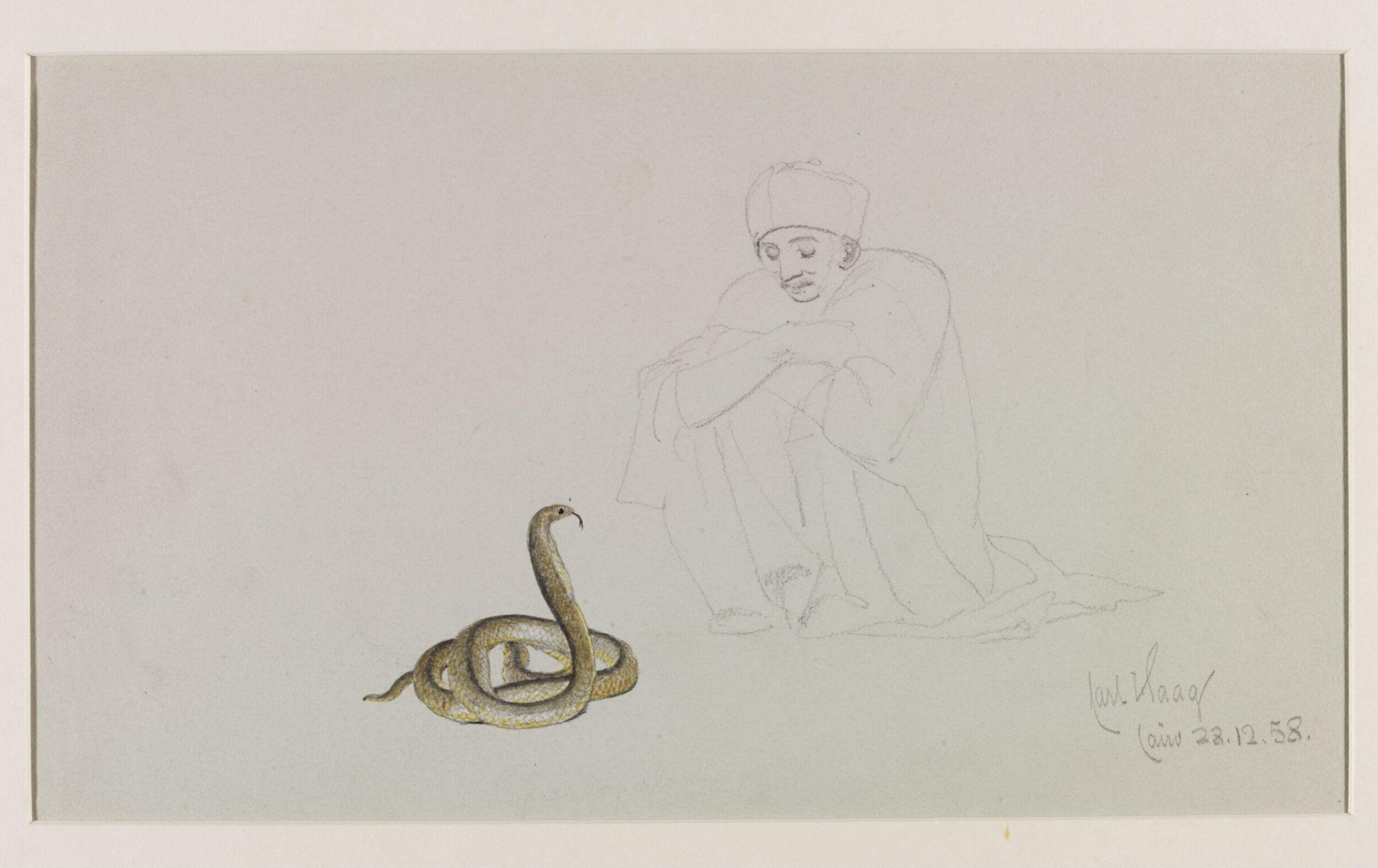
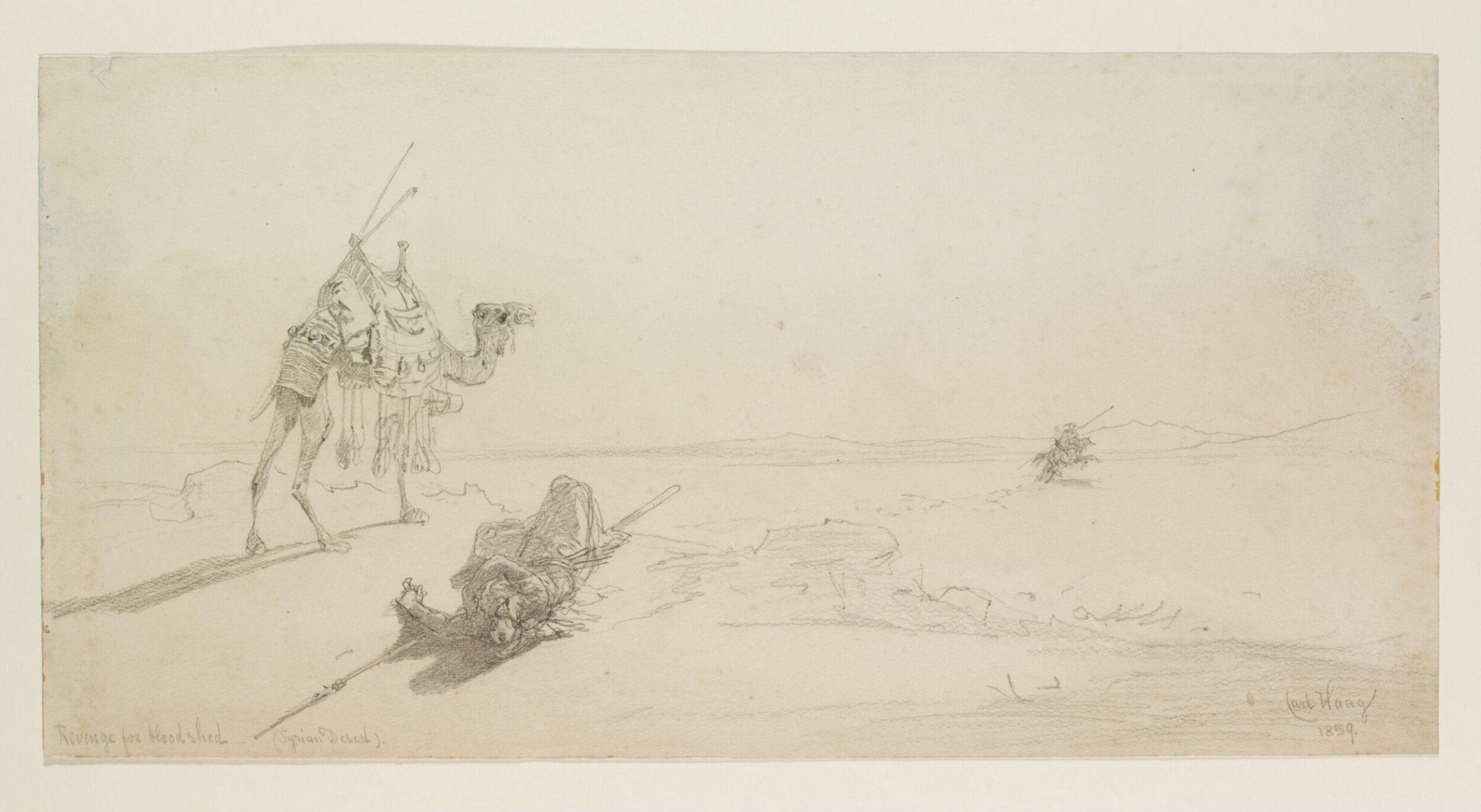
Haag's trip to Palmyra was part of an extended visit to Egypt, Palestine, Syria and Lebanon lasting fifteen months in 1858-60. He was a prolific and successful painter in watercolours, and after this journey specialised in oriental subjects. Born in Bavaria, he came to London in 1847 and by 1850 had evolved an elaborate watercolour technique which, as he affirmed, achieved the 'brilliancy of oil painting, combined with the tender-sweetness of water-colours'
Victoria and Albert Museum
Angaben
- Inventarnummer
- SD.458
Was es zeigt
Im Katalog
Quellen
- Victoria and Albert Museum
- Bild: Victoria and Albert Museum — © Victoria and Albert Museum, London

![The Hadjis Cheif[sic] Mourners, Carl Haag, ca. 19th century](https://framemark.vam.ac.uk/collections/2008BT7746/full/!2400,2400/0/default.jpg)