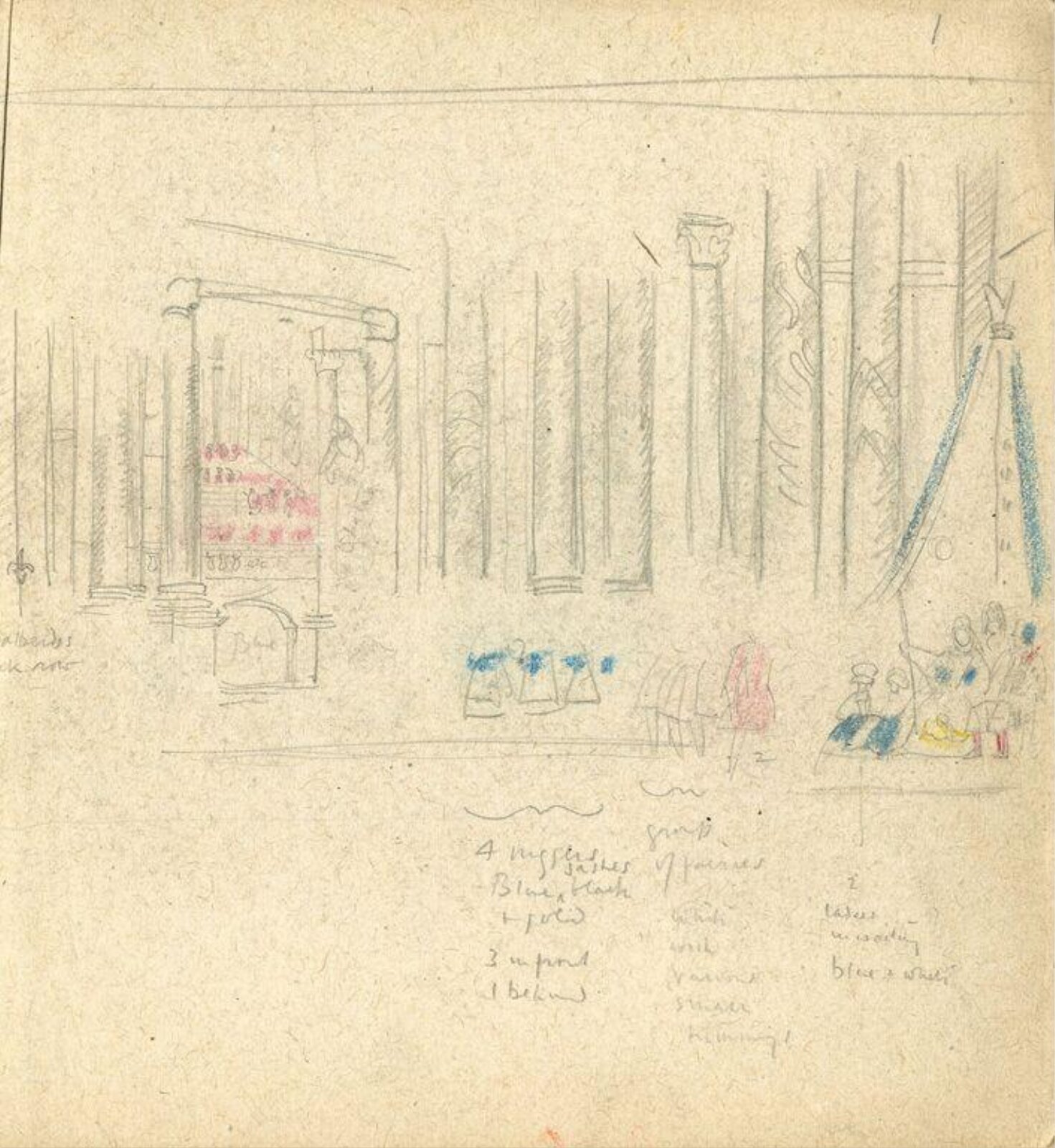
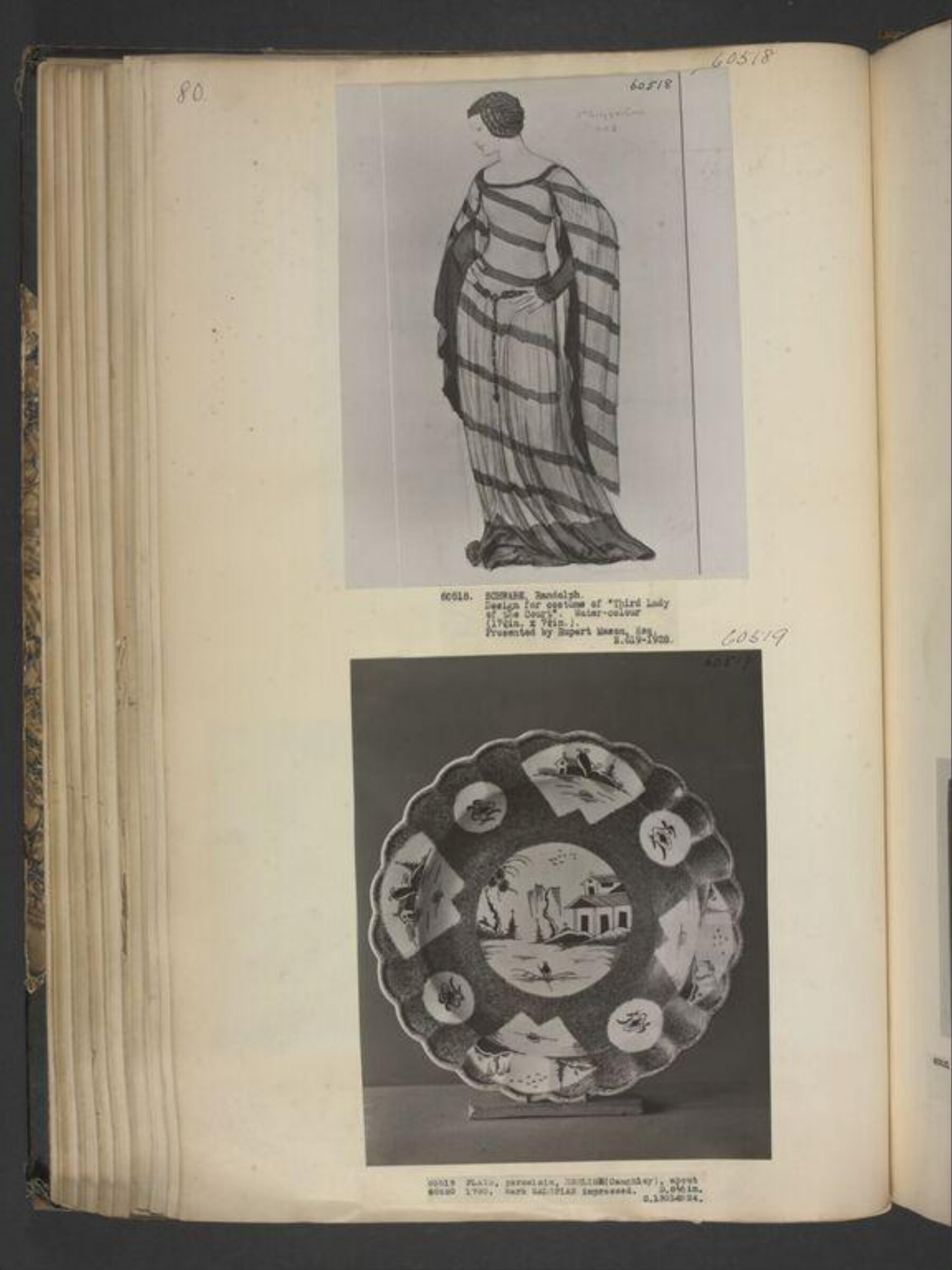
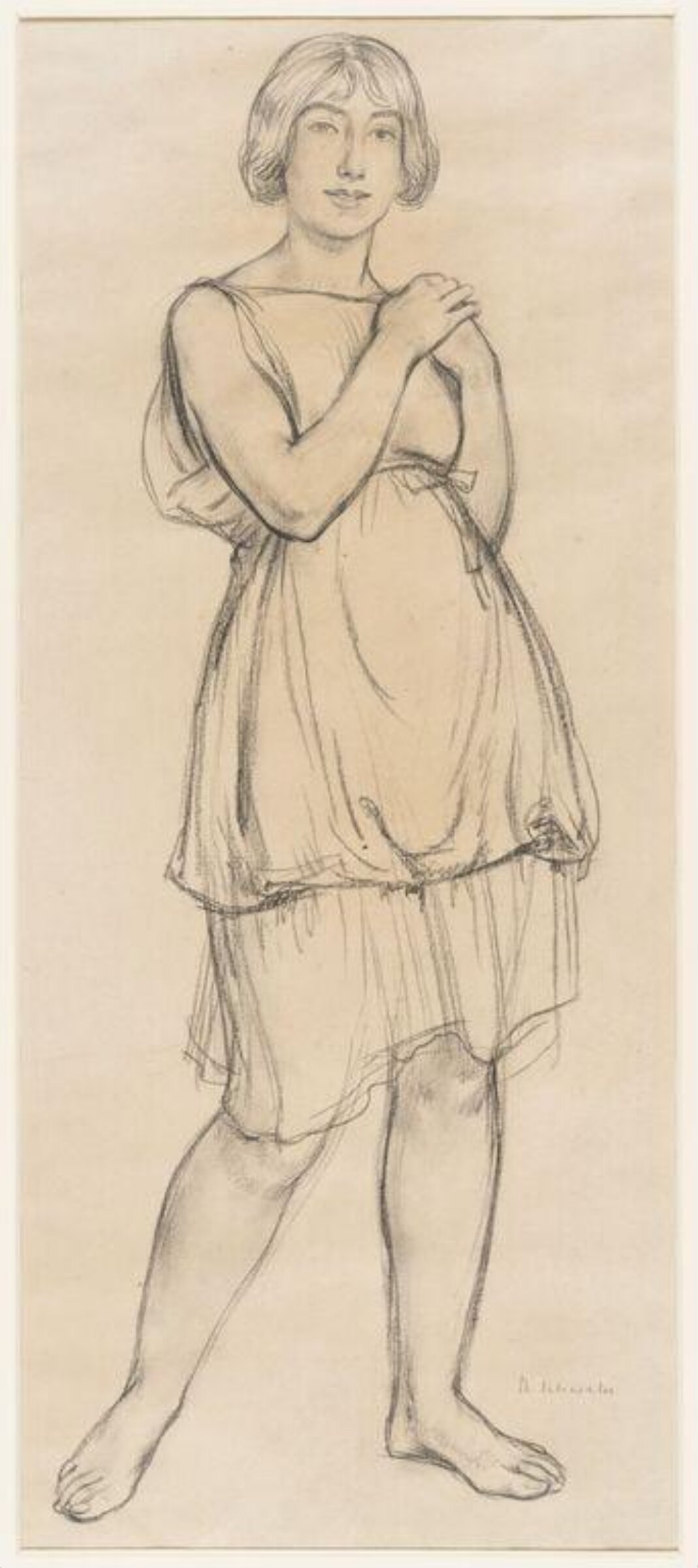
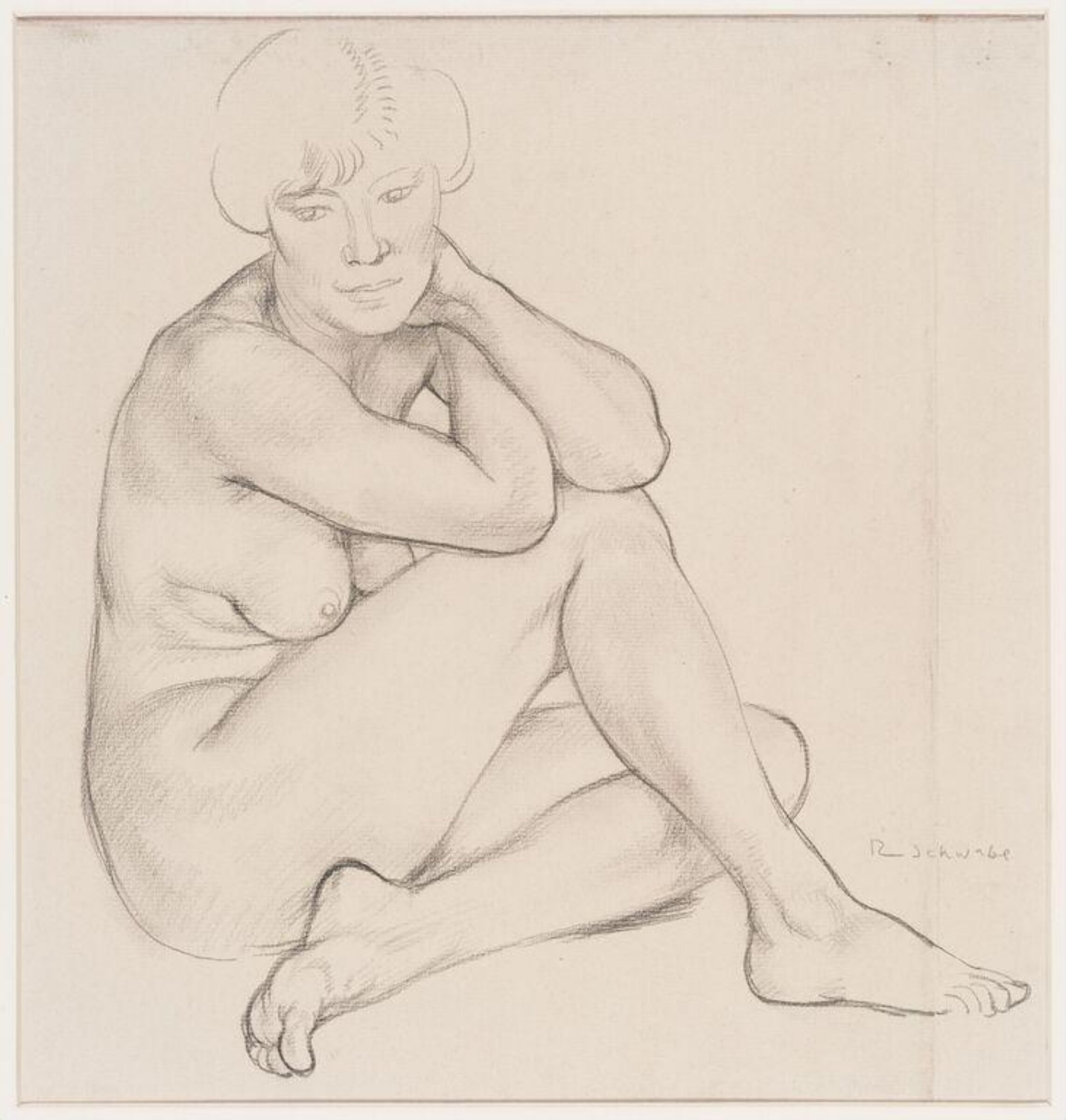
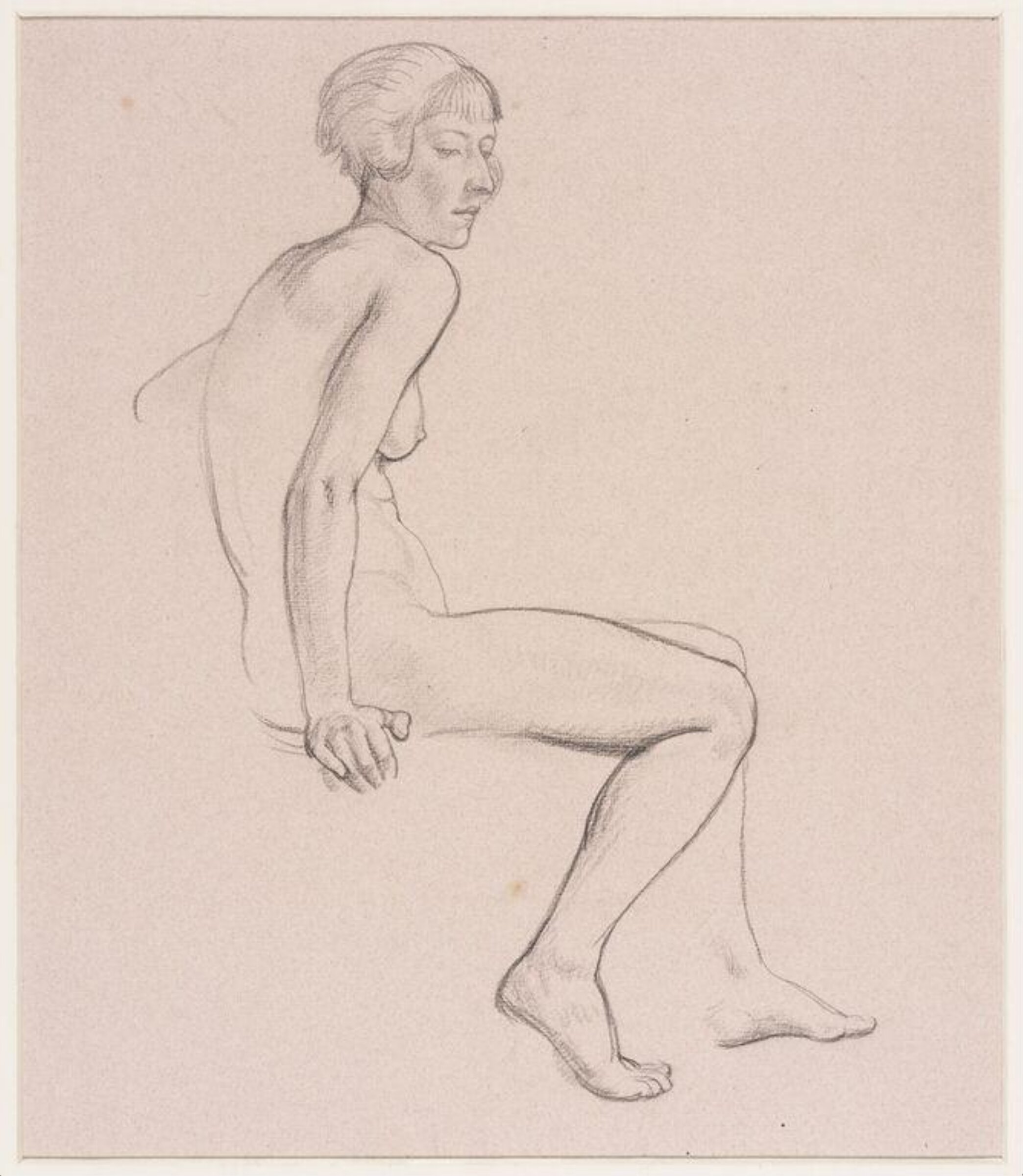
Sketchbook of drawings in pencil and coloured crayons illustrating scenes and costumes for The Sleeping Princess as performed by Serge Diaghilev's Ballets Russes at the Alhambra, Leicester Square, London 1921-22.
Read on
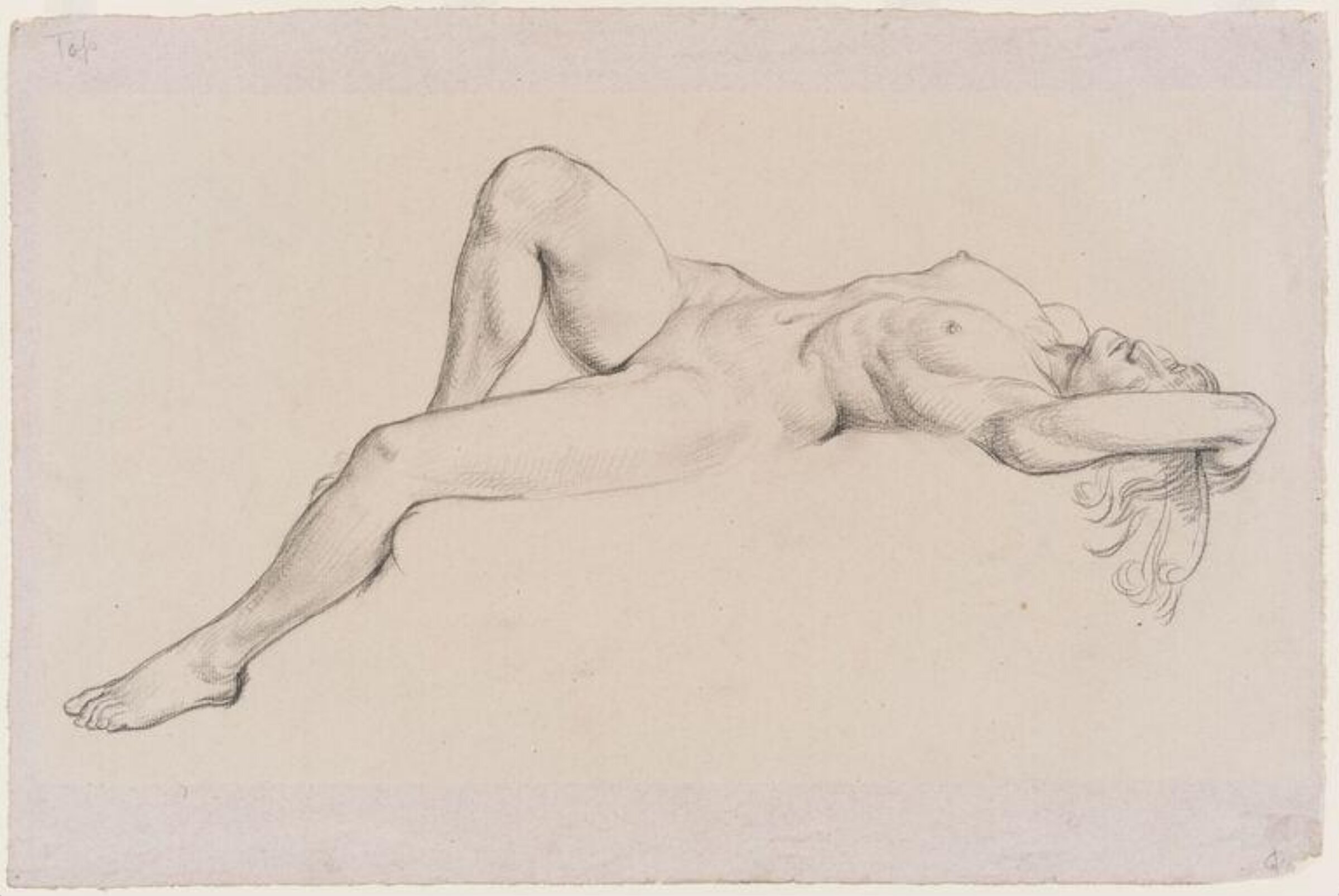
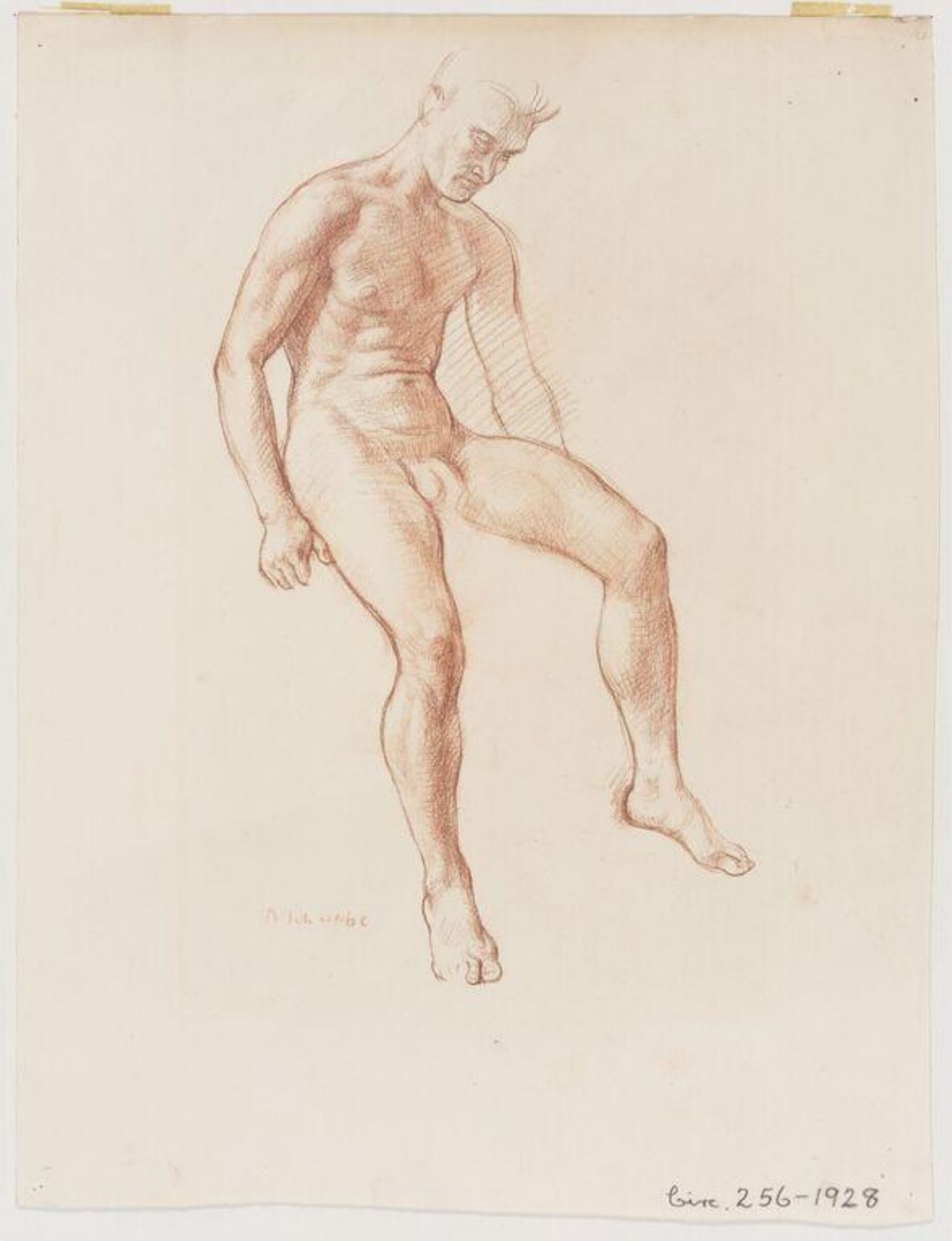
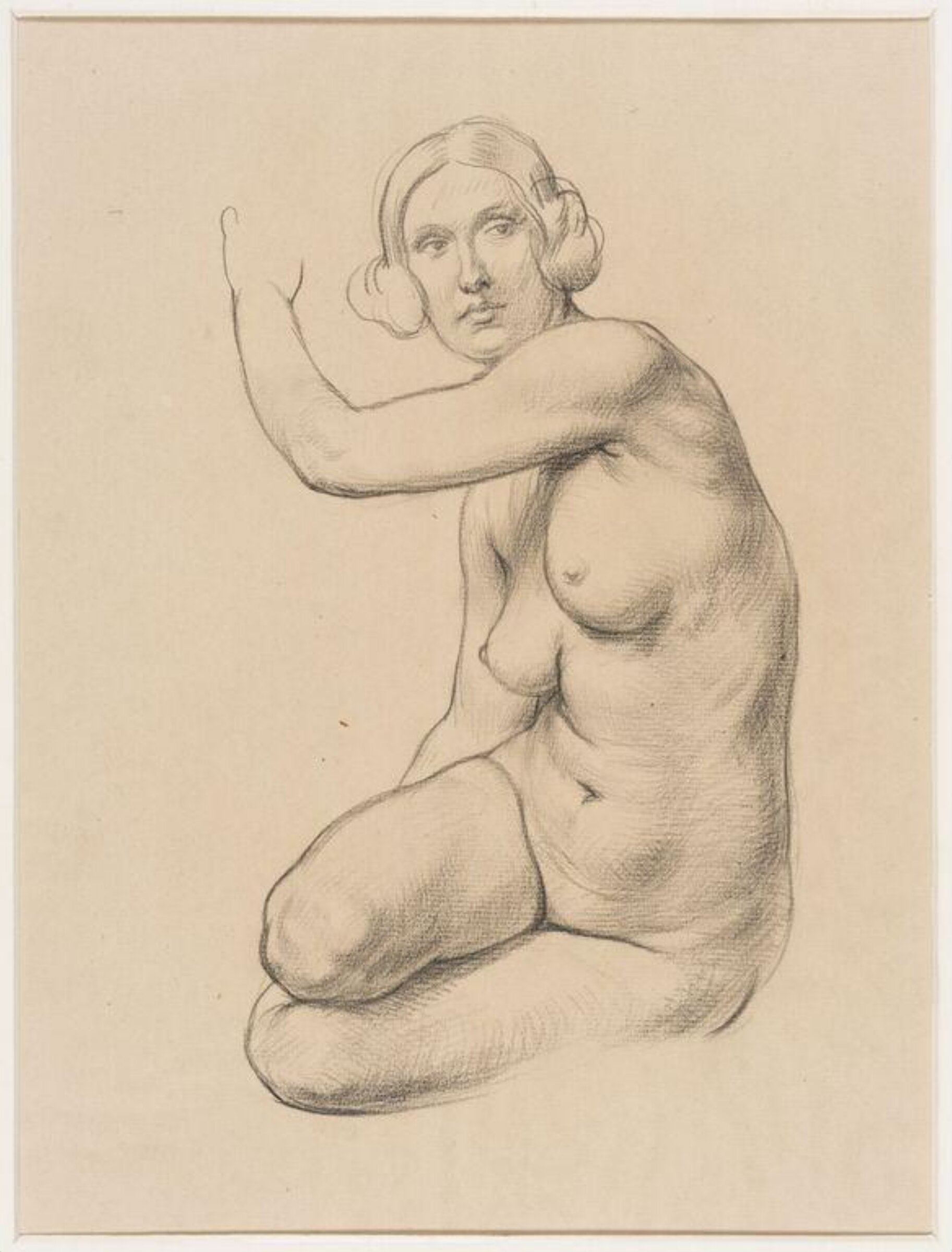
The square grey covered sketchbook contains 46 leaves (92 pages). On the majority of pages artist Randolph Schwabe has recorded sketches of scenes of and costumes for the production of the ballet, The Sleeping Princess at the Alhambra, London, 1921-22. This gives important visual information on an influential production in British Theatre, providing real insight into sets and costumes (some of which are in the V&A’s collection) and adding to our knowledge of the production. The sketchbook was apparently made when Cyril W Beaumont commissioned the artist to illustrate the two part Impressions of the Russian Ballet: The Sleeping Princess. As Beaumont noted in Bookseller at the Ballet, p.279, ‘Schwabe shared all my enthusiasm…there was so much that I wanted him to sketch in his notebook’.
The Sleeping Princess based on Marius Petipa’s The Sleeping Beauty (1890) at the Imperial Ballet in St Petersburg was mounted by Serge Diaghilev’s Ballets Russes at the Alhambra, Leicester Square, London in 1921. It was a lavish production designed by Léon Bakst to fill the gap when the company had no ‘in house’ choreographer. Diaghilev had remote family links to composer Piotr Tchaikovsky and hopped that the production would become the 'crown' of his career. The production was set using Nicholas Sergeyev’s notation of the Mariinsky ballet but Diaghilev’s dancers were far fewer in number, the stage space was smaller and Bakst designed the set with different details and entrances so alterations needed to be made. Learning that Bronislava Nijinska had defected from the Soviet Union Diaghilev invited her to choreograph new dances and appear in the production.
The leading roles and first act fairies were mostly performed by dancers trained by the Imperial Ballet but the corps de ballet came from numerous backgrounds. A commercial failure, Diaghilev had vastly overspent, and London audiences were not used to seeing a single ballet fill the whole programme it was never-the-less hugely influential on the development of ballet in Britain.