ART WIKI32.963 ausgestellt
KarteSammlungKünstlerMuseenAusstellungenJournal
Anmelden

ART WIKI

Wo das Meisterwerk hängt und wann man vorgelassen wird.

Sammlungen: Art Institute of Chicago, Cleveland Museum of Art, Eremitage, Getty Villa, Harvard Art Museums, Hirshhorn Museum and Sculpture Garden, J. Paul Getty Museum, Louvre, Metropolitan Museum of Art, Minneapolis Institute of Art, Museum of Modern Art, National Gallery of Art, National Museum of Asian Art, National Portrait Gallery, Puschkin-Museum, Rijksmuseum Amsterdam, Russisches Museum, Smithsonian American Art Museum, Statens Museum for Kunst, Tretjakow-Galerie, Victoria and Albert Museum, Whitney Museum of American Art, Staatskatalog des Museumsfonds Russlands (274 Museen), Europeana (19 Museen), Wikidata (6 Museen), Paris Musées (12 Museen) und Joconde, die Museumsdatenbank des französischen Kulturministeriums (495 Museen). Die Bilder gehören ihren Rechteinhabern.

Rubriken

  • Karte
  • Suche
  • Sammlung
  • Meisterwerke
  • Jetzt ausgestellt
  • Künstler

Mehr

  • Museen & Galerien
  • Ausstellungen
  • Journal
  • Woher die Daten stammen
  • Datenschutz & Cookies
StartseiteKarteKatalog
  1. Sammlung/
  2. Minneapolis Institute of Art/
  3. The Shorn Ones
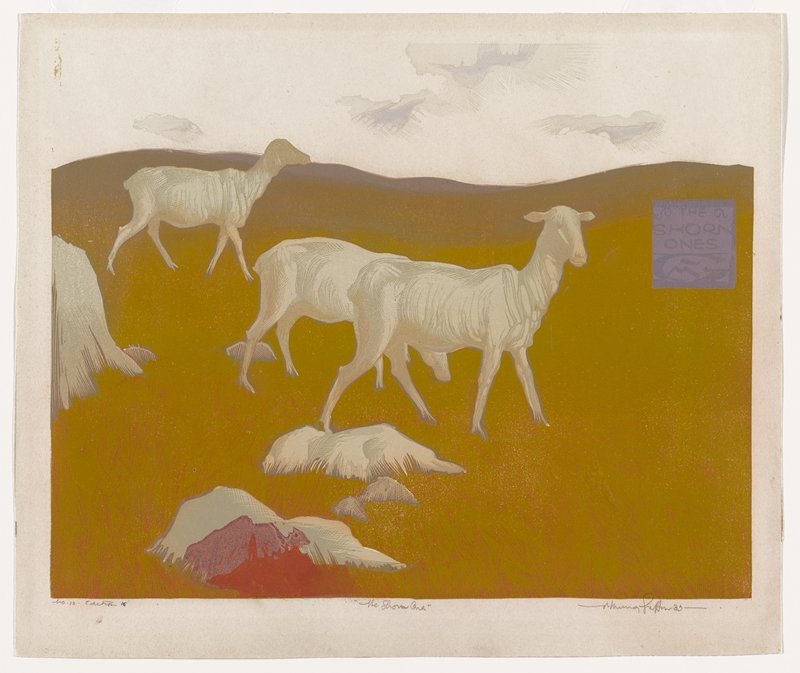
The Shorn Ones, Murray Griffin, 1933
MMurray GriffinAustralien

The Shorn Ones

1933 · Print

Darf man es sehen?

Empfängt derzeit nicht

Minneapolis Institute of Art

Minneapolis, Vereinigte Staaten

Es gehört zur Sammlung, ist derzeit aber nicht ausgestellt.

Geprüft
vor 3 Tagen
Unverändert seit
25. Sept. 2026
Quelle
Das Museum
Auf der KarteMuseumsseite

Über das Werk

Is it a coincidence that The Shorn Ones appeared in 1933, when Australia was in the midst of the Great Depression? The wool shorn from these sheep had been an important source of income for the country, but now demand had dried up—and apparently so had the vegetation these skinny sheep feed on. Scholar Alisa Bunbury also suggested that these creatures could be biblical desert wanderers. The precision hatching shows remarkable cutting skills considering that Murray Griffin was carving and then printing from a block of linoleum. Two surviving blocks at the National Gallery of Victoria in Melbourne confirm that his linoleum was very stiff, probably a mixture of resin, linseed oil, and pulverized cork. He was one of the first artists in Australia to use this everyday material, which was less expensive than wood. For this print he would have carved six separate blocks, one for each color. The purple block with the title and monogram was added as a nod to seals applied to Japanese art.

Minneapolis Institute of Art

Angaben

Inventarnummer
2017.75

Im Katalog

DruckgrafikLinolschnittModerne20. JahrhundertAustralia

Quellen

  • Minneapolis Institute of Art
  • Bild: Minneapolis Institute of Art — © Estate of Murray Griffin

Nachbarn im Haus: Minneapolis Institute of Art

Museumsseite
Olive Trees, Vincent van Gogh, 1889

Vincent van Gogh

Olive Trees, 1889

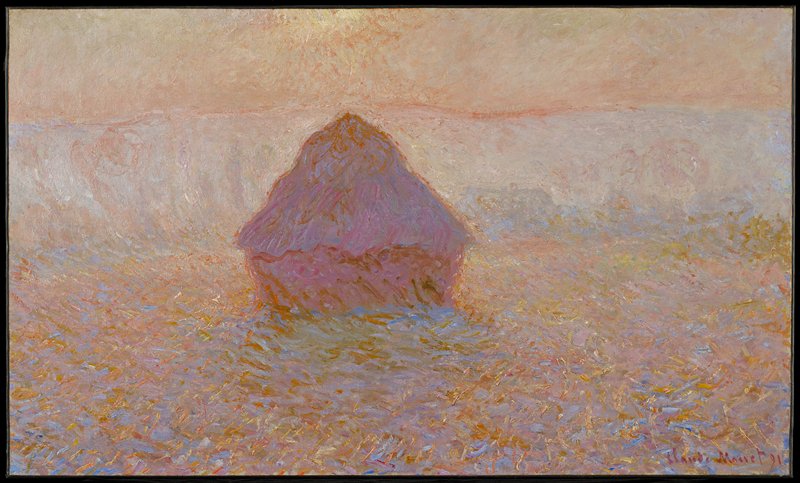
Grainstack, Sun in the Mist, Claude Monet, 1891

Claude Monet

Grainstack, Sun in the Mist, 1891

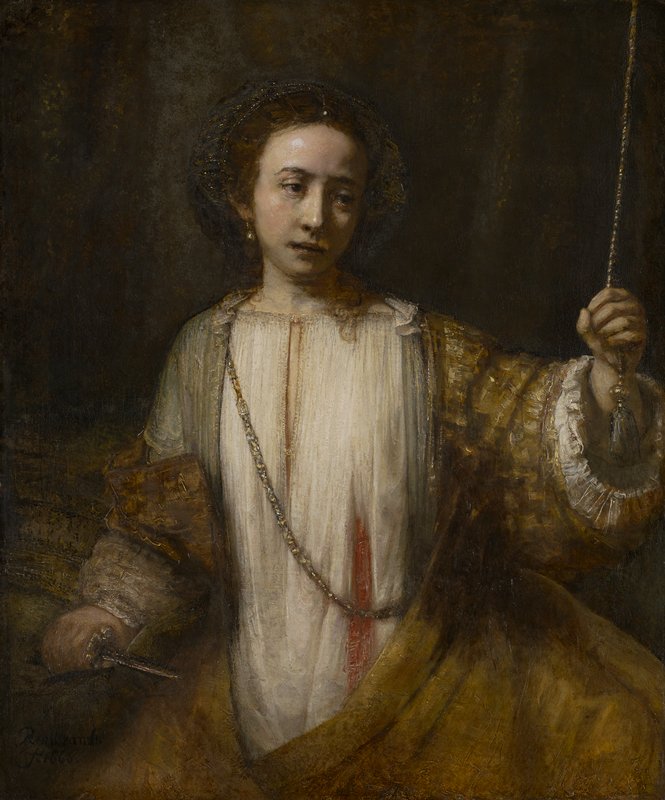
Lucretia, Rembrandt van Rijn, 1666

Rembrandt van Rijn

Lucretia, 1666

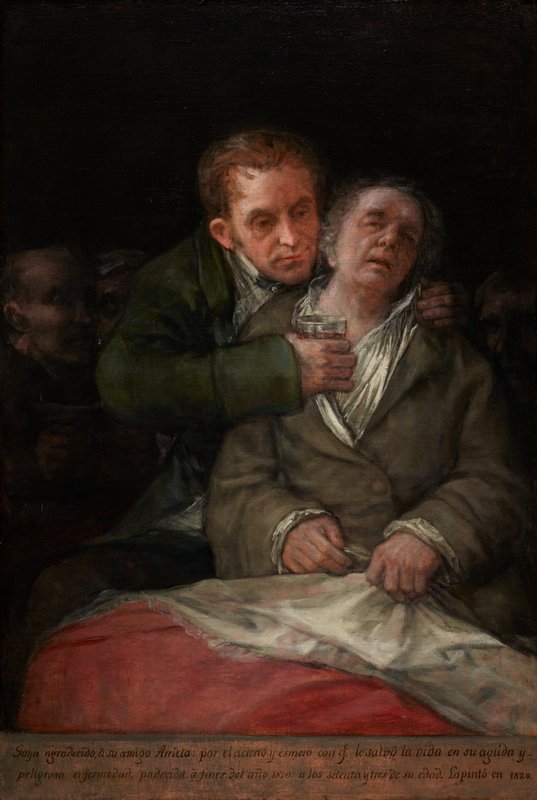
Self-Portrait with Dr. Arrieta, Francisco José de Goya y Lucientes, 1820

Francisco de Goya

Self-Portrait with Dr. Arrieta, 1820

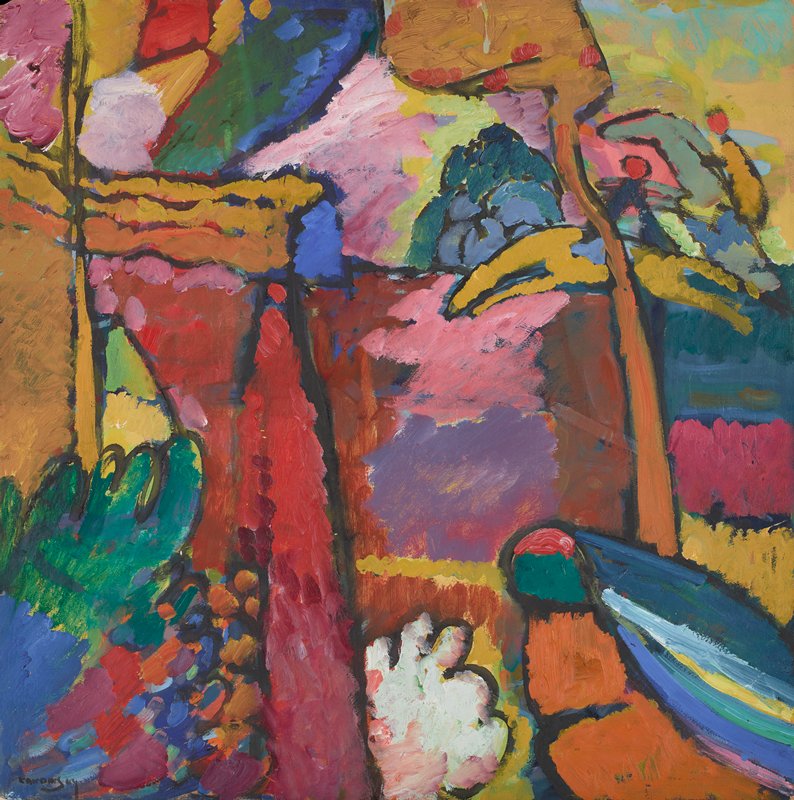
Study for Improvisation V, Vassily Kandinsky, 1910

Vasily Kandinsky

Study for Improvisation V, 1910

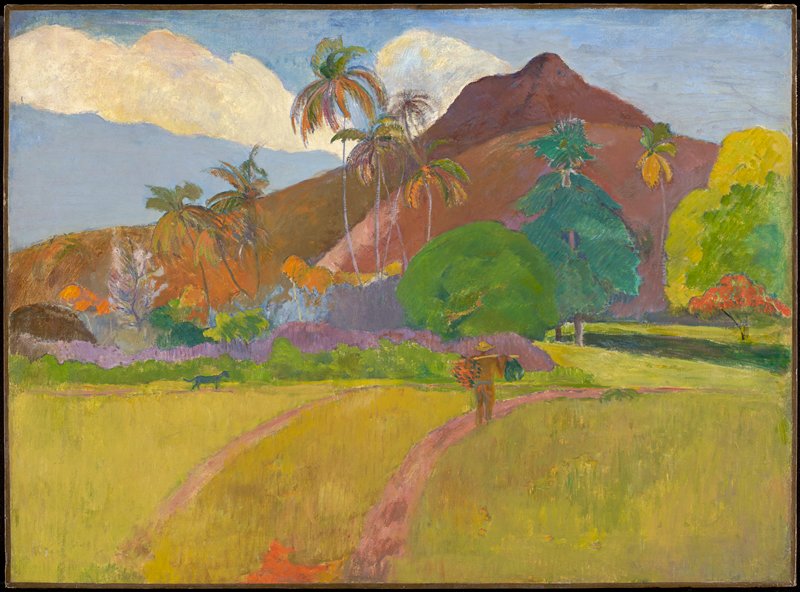
Tahitian Landscape, Paul Gauguin, 1891

Paul Gauguin

Tahitian Landscape, 1891

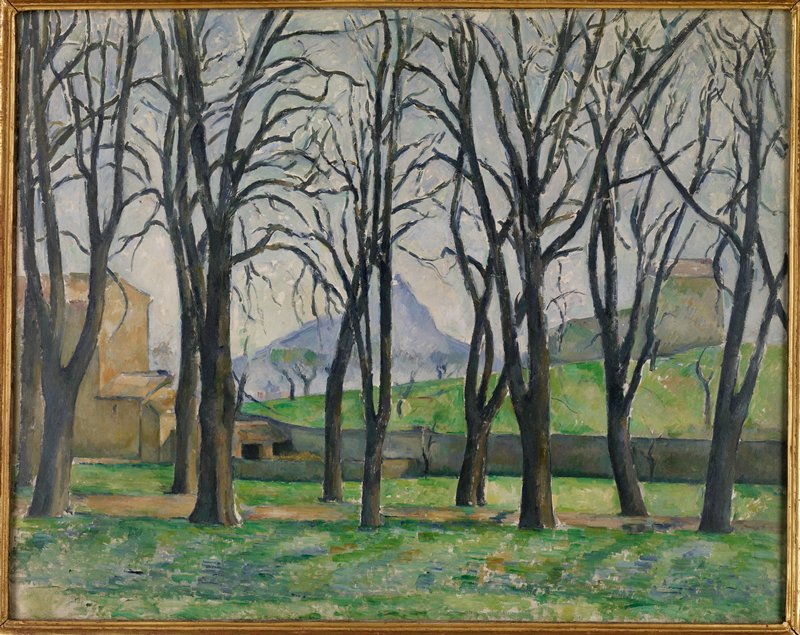
Chestnut Trees at Jas de Bouffan, Paul Cézanne, c. 1885–86

Paul Cézanne

Chestnut Trees at Jas de Bouffan, c. 1885–86

The Union of England and Scotland (Charles I as the Prince of Wales), Peter Paul Rubens, 1633–34

Peter Paul Rubens

The Union of England and Scotland (Charles I as the Prince of Wales), 1633–34