ART WIKI32.963 ausgestellt
KarteSammlungKünstlerMuseenAusstellungenJournal
Anmelden

ART WIKI

Wo das Meisterwerk hängt und wann man vorgelassen wird.

Sammlungen: Art Institute of Chicago, Cleveland Museum of Art, Eremitage, Getty Villa, Harvard Art Museums, Hirshhorn Museum and Sculpture Garden, J. Paul Getty Museum, Louvre, Metropolitan Museum of Art, Minneapolis Institute of Art, Museum of Modern Art, National Gallery of Art, National Museum of Asian Art, National Portrait Gallery, Puschkin-Museum, Rijksmuseum Amsterdam, Russisches Museum, Smithsonian American Art Museum, Statens Museum for Kunst, Tretjakow-Galerie, Victoria and Albert Museum, Whitney Museum of American Art, Staatskatalog des Museumsfonds Russlands (274 Museen), Europeana (19 Museen), Wikidata (6 Museen), Paris Musées (12 Museen) und Joconde, die Museumsdatenbank des französischen Kulturministeriums (495 Museen). Die Bilder gehören ihren Rechteinhabern.

Rubriken

  • Karte
  • Suche
  • Sammlung
  • Meisterwerke
  • Jetzt ausgestellt
  • Künstler

Mehr

  • Museen & Galerien
  • Ausstellungen
  • Journal
  • Woher die Daten stammen
  • Datenschutz & Cookies
StartseiteKarteKatalog
  1. Sammlung/
  2. Albertina/
  3. Tête-à-Tête (Plauderstunde)
Tête-à-Tête (Plauderstunde), Edvard Munch, 1894
Edvard Munch, PorträtEdvard MunchNorwegen, 1863–1944

Tête-à-Tête (Plauderstunde)

1894 · Print

Darf man es sehen?

Unbekannt

Albertina

Wien, Österreich

Der Besitzer ist bekannt; ob das Werk derzeit ausgestellt ist, nicht.

Unverändert seit
27. Sept. 2026
Quelle
Das Museum
Auf der KarteMuseumsseite

Angaben

1894 · mit 31 Jahren
18631944

Im Katalog

DruckgrafikImpressionismus19. Jahrhundert

Quellen

  • Albertina
  • Bild: Albertina — Public Domain Mark 1.0

Derweil im Leben von Edvard Munch

Das ganze Leben
  1. 1892

    The Berlin Circle: Strindberg and Przybyszewski

    He immersed himself in the life of Berlin's artistic "underground," growing close to August Strindberg, Stanisław Przybyszewski, and Dagny Juel, who became his muse.

  2. November 1892

    "The Munch Affair": Scandal in Berlin

    At the invitation of Adelsteen Normann he exhibited at the Union of Berlin Artists; the show provoked fierce controversy and was closed within a week. The conflict led to a split in the Union and the formation of the Berlin Secession.

  3. December 1893

    The "Love" Exhibition: Beginning of "The Frieze of Life"

    At an exhibition on Unter den Linden he showed, among other works, six paintings under the title "Studies for a Series: Love" — the beginning of the cycle later named "The Frieze of Life — a Poem about Life, Love and Death."

  4. 1894

    Turn to Copper Engraving

    He began engraving on copper on his own, without formal training, working in etching, drypoint, and aquatint, and created many masterpieces in the medium.

  5. 1896

    Meetings with Gauguin and the Symbolists in Paris

    During an important stay in Paris he met Gauguin, Émile Bernard, Maurice Denis, and Symbolist poets, notably Mallarmé. At this time he turned to etching, woodcut, and lithography.

  6. May 1896

    Exhibition at the Maison de l'Art Nouveau

    Siegfried Bing showed 60 of Munch's works, including "The Kiss," "The Scream," "Madonna," and "The Sick Child." The exhibition introduced the French public to the artist's work.

Mehr von Edvard Munch

Alle Werke
Starry Night, Edvard Munch, 1893

Starry Night

1893 · J. Paul Getty Museum

The Girl by the Window, Edvard Munch, 1893

The Girl by the Window

1893 · Art Institute of Chicago

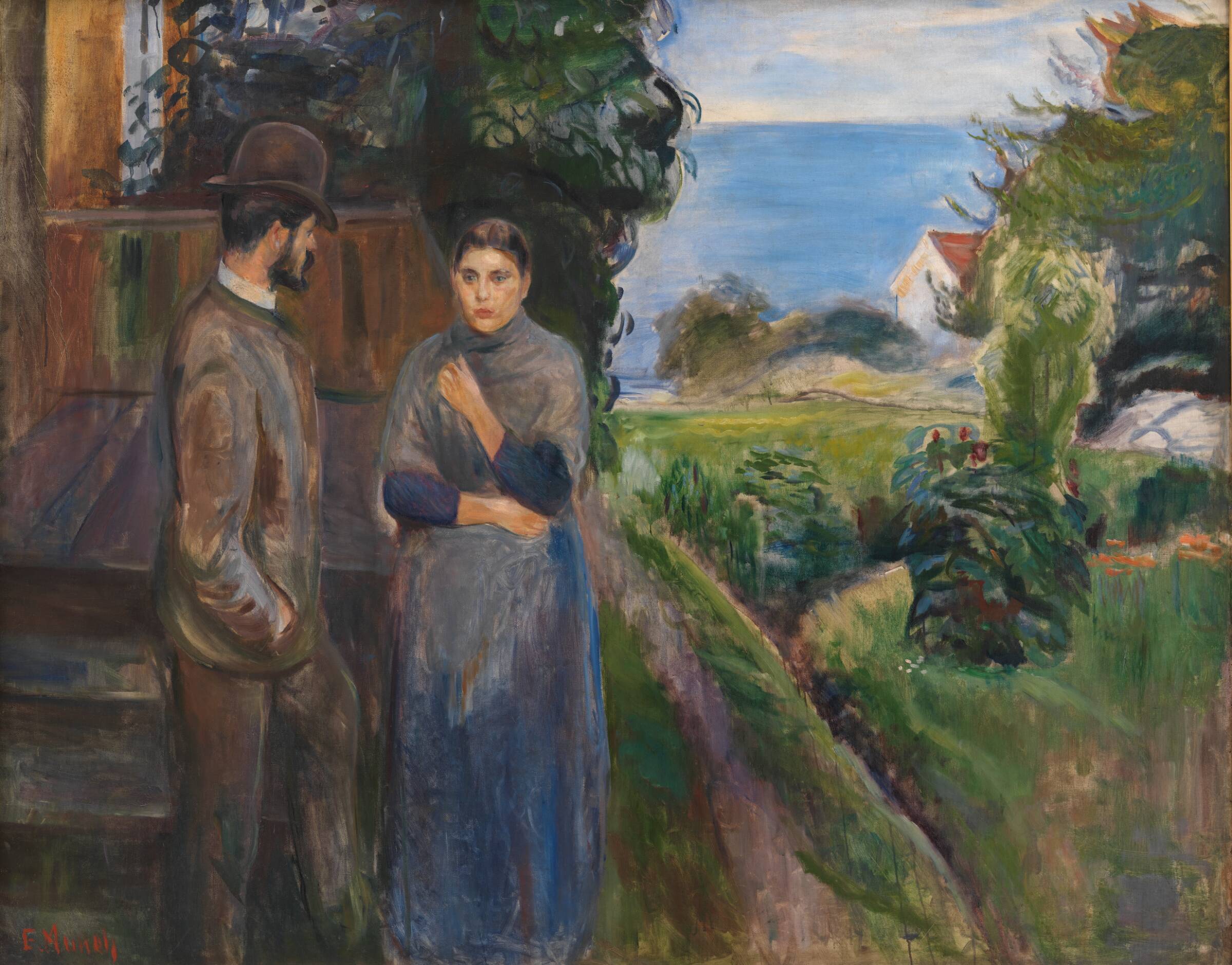
Aftenpassiar, Edvard Munch, 1889

Aftenpassiar

1889 · Statens Museum for Kunst

Madonna, Edvard Munch, 1895-1902

Madonna

1895-1902 · Harvard Art Museums

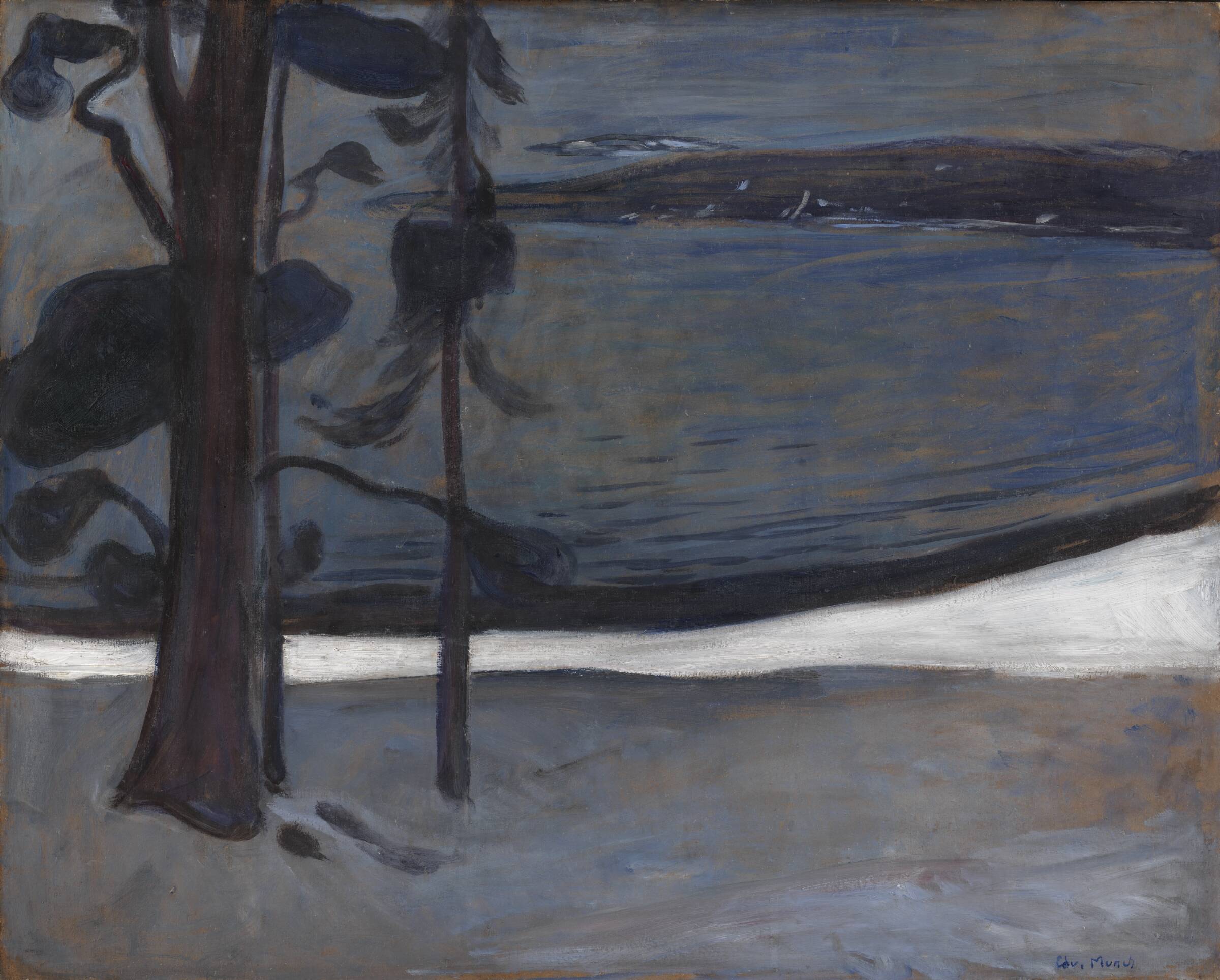
Vinter ved Nordstrand, Edvard Munch, 1900-1901

Vinter ved Nordstrand

1900-1901 · Statens Museum for Kunst

Train Smoke, Edvard Munch, 1910

Train Smoke

1910 · Harvard Art Museums

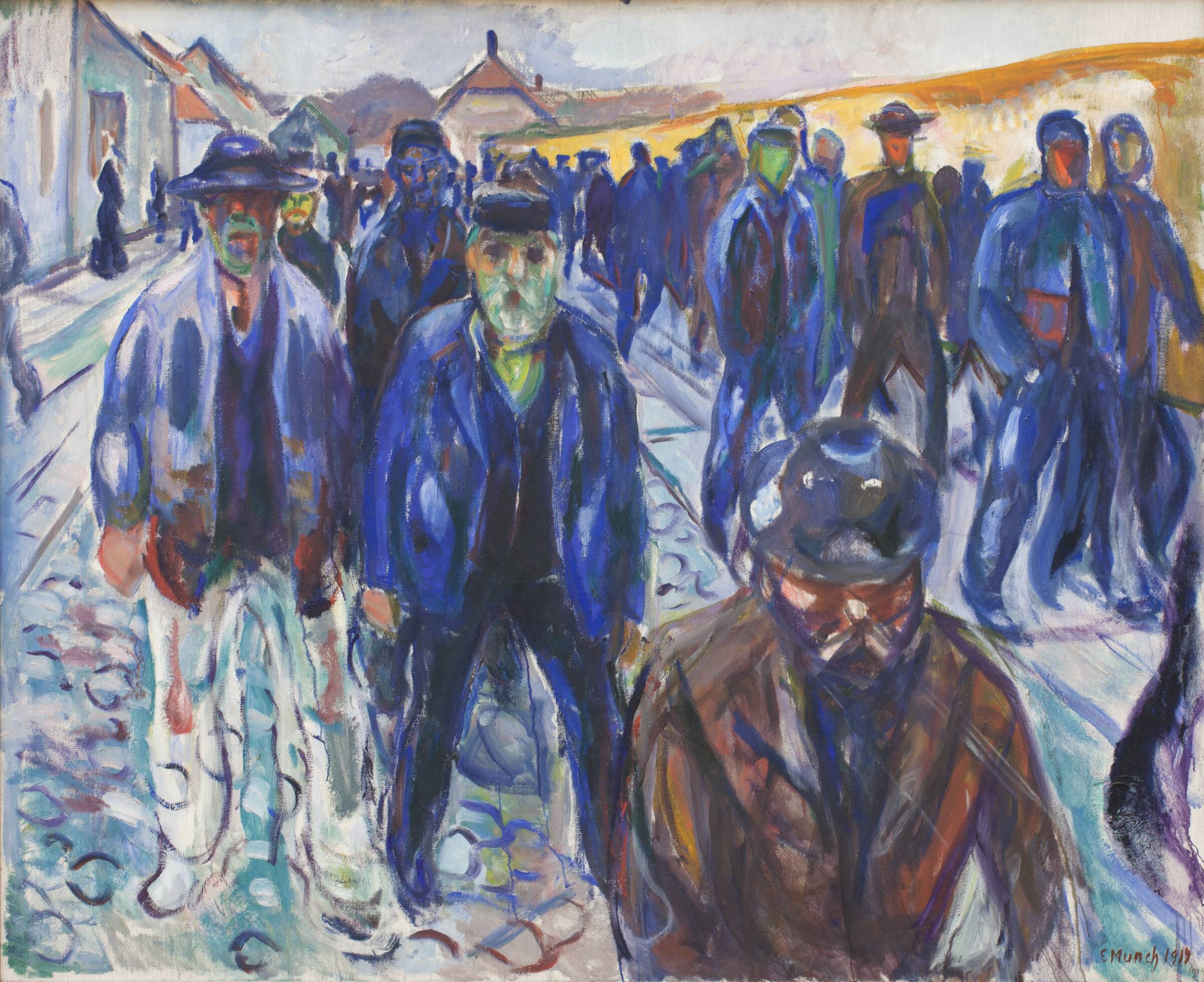
Hjemvendende arbejdere, Edvard Munch, 1914

Hjemvendende arbejdere

1914 · Statens Museum for Kunst

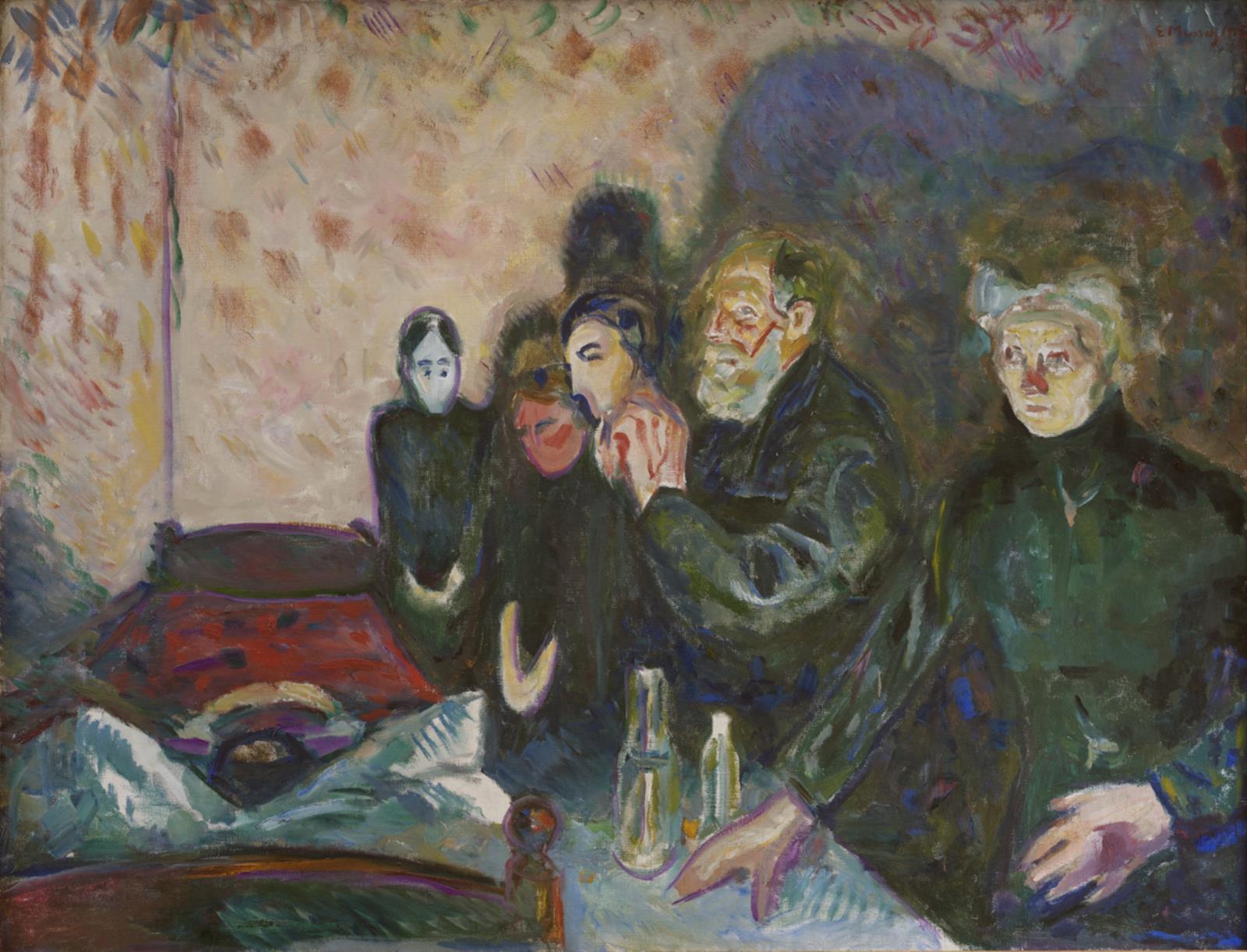
Dødskamp, Edvard Munch, 1915

Dødskamp

1915 · Statens Museum for Kunst