 Nicholas RoerichRussland, 1874–1947
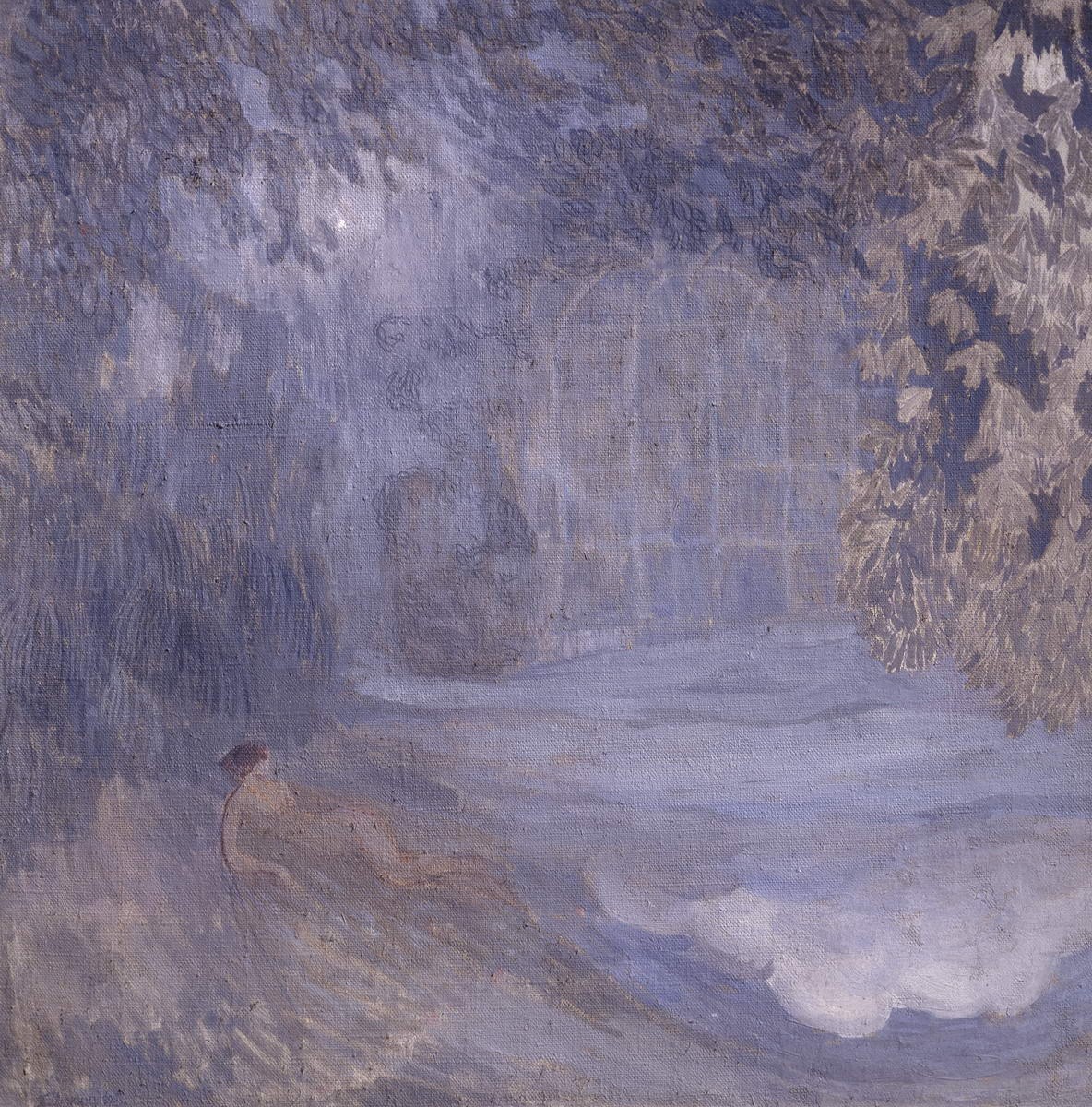
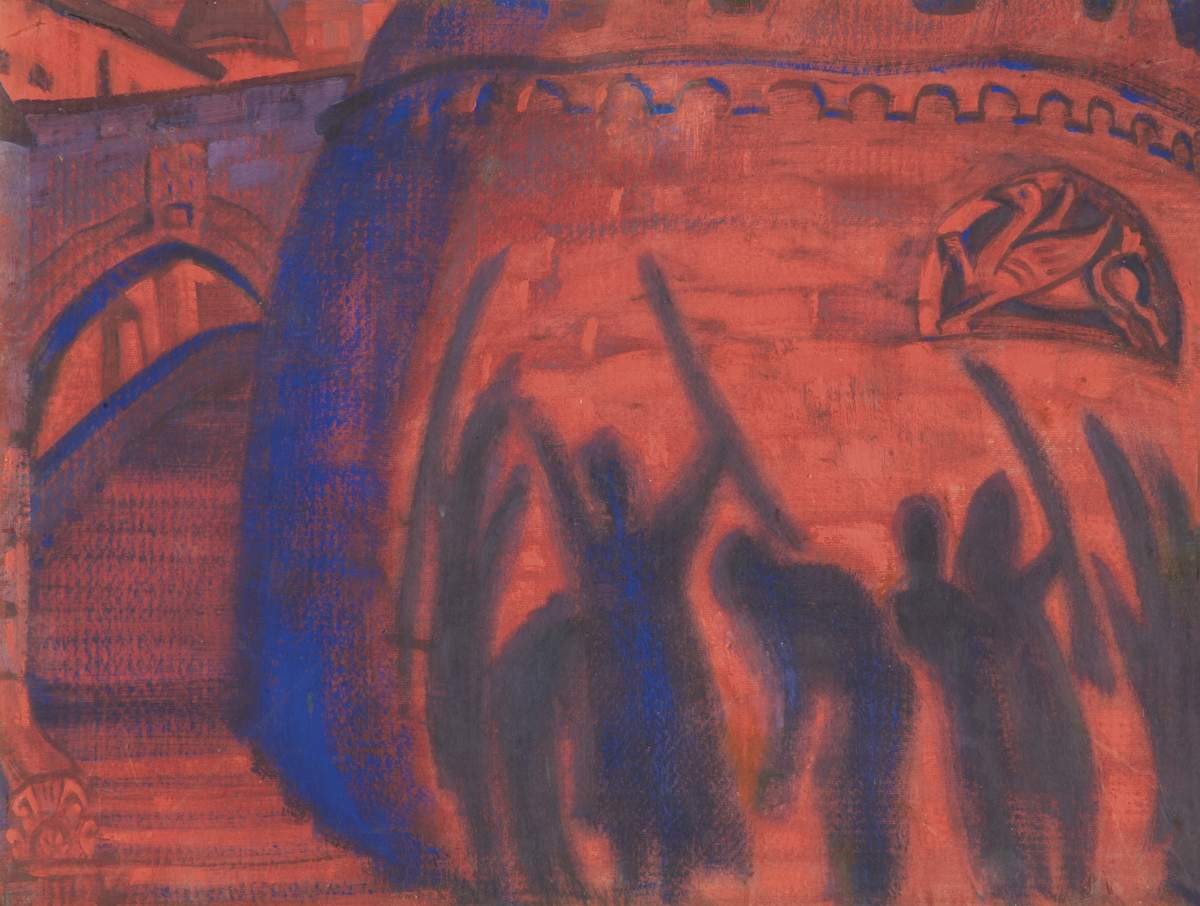
Тени
Kann ich es sehen?
Unbekannt
Wo ist „Тени“ heute? Sammlung: Russisches Museum, Sankt Petersburg. Unbekannt.

Sankt Petersburg, Russland
Der Besitzer ist bekannt; ob das Werk derzeit ausgestellt ist, nicht.
- Unverändert seit
- Quelle
- Das Museum
Über das Gemälde
In den Worten des Museums — auf Russisch
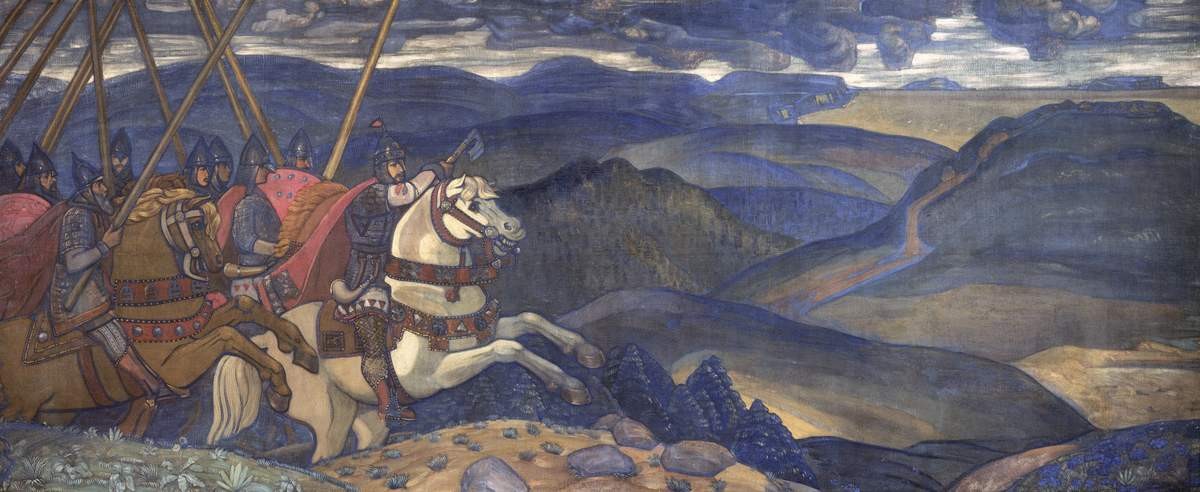
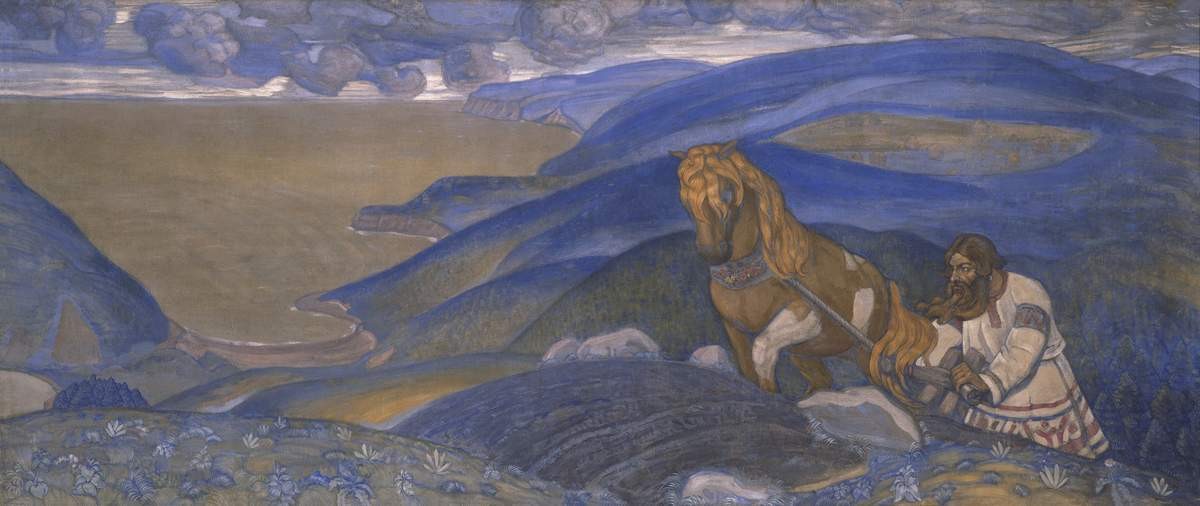
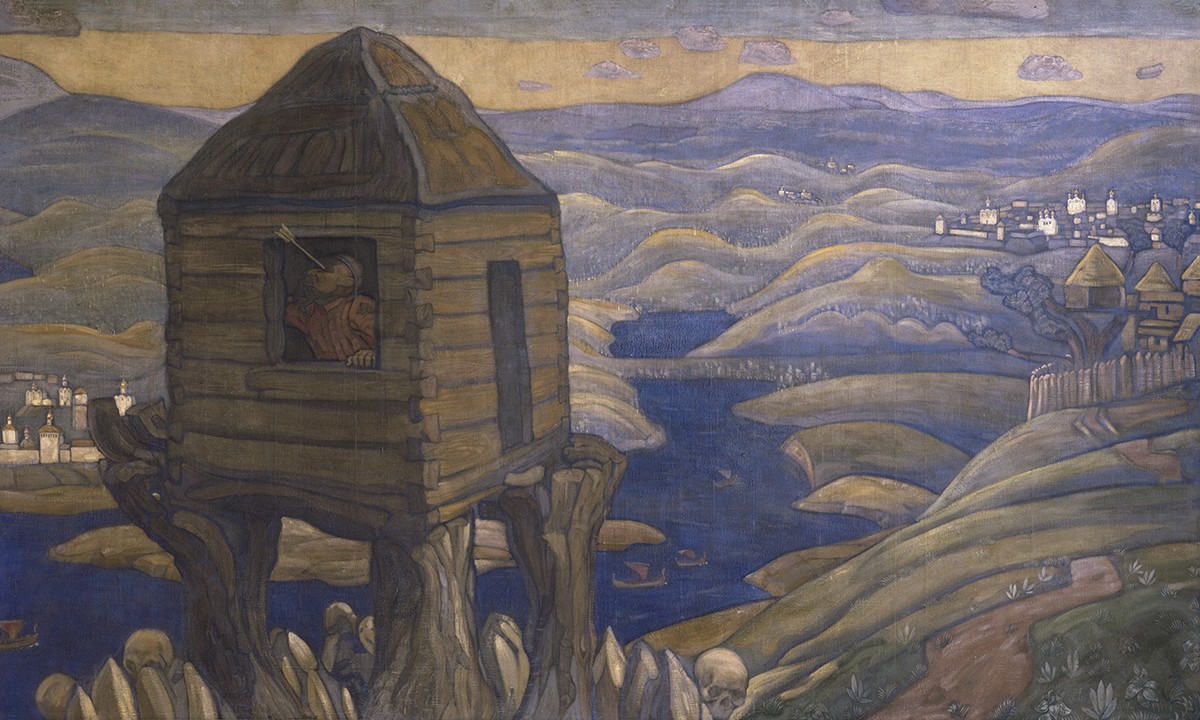
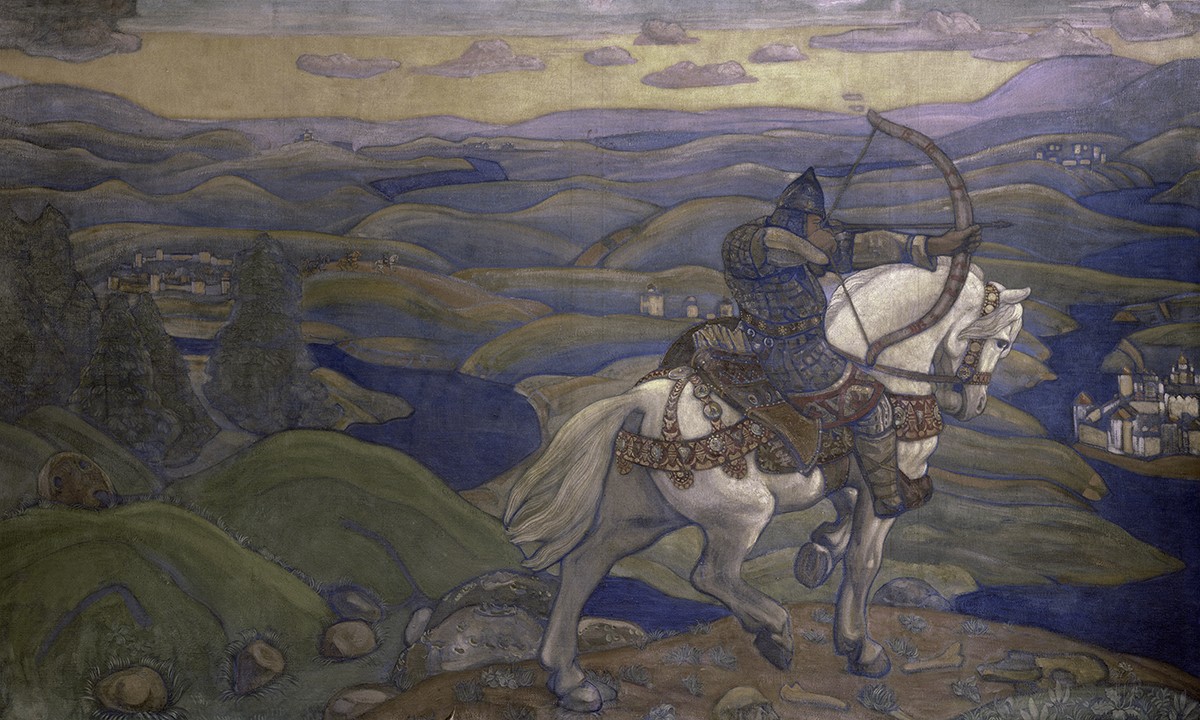
Это типично символистское произведение, в котором о том или ином предмете (в данном случае — о настроениях и переживаниях времени шедшей уже третий год Первой мировой войны) сообщается не прямо, а намеком-образом, системой «соответствий» — мощная круглящаяся стена спящей романской крепости и скользящие по ней тени крадущихся лучников в зловещих отсветах пожарища. Атмосфера произведения переводит размышления о текущей войне в план философских обобщений. Галина Кречина // Николай Рерих. В поисках Шамбалы. СПб, 2020. С. 68.
Russisches Museum
Angaben
- Inventarnummer
- Ж-11244
Was es zeigt
Im Katalog
Quellen
- Russisches Museum
- Bild: Russisches Museum — © State Russian Museum
Im Leben von Nicholas Roerich
Das ganze Leben1915
A report to the Emperor on protecting cultural treasures
Roerich reports to Nicholas II and Grand Duke Nikolai Nikolayevich the Younger, urging serious state measures for the nationwide protection of cultural treasures and the enactment of a law on the protection of historical monuments; the draft of this regulation will become the prototype of the future international Pact for the protection of cultural property.
1916
Lung illness and a move to Finland
Because of a severe lung illness, and on the insistence of his doctors, Roerich moves with his family to the Grand Duchy of Finland near Serdobol (Vuorio) on the shore of Lake Ladoga; proximity to Petrograd lets him keep up with the affairs of the school of the Society for the Encouragement of the Arts.
4 (17) March 1917
Gorky's meeting on the protection of art
After the February Revolution Maxim Gorky gathers a large group of artists, writers and performers at his flat — among them Roerich, Benois, Bilibin, Dobuzhinsky and Chaliapin. They elect a Commission for the Protection of Artistic Treasures; later a Special Council on the Arts is formed, chaired by Gorky, with Benois and Roerich as his deputies.
1917–1918
A closed border: the way home is cut off
After the October Revolution of 1917 and the civil war that follows, Finland's border with Soviet Russia is closed, and Roerich can no longer return to his homeland.
1918–1919
Exhibitions in Malmö, Stockholm, Copenhagen and Helsinki
Invited from Sweden, Roerich holds solo exhibitions with great success in Malmö and Stockholm (1918), then in Copenhagen and Helsinki (1919); he is elected a member of the Art Society of Finland, and Leonid Andreyev calls the world he has created “Roerich's Dominion”.
1918–1919
A campaign against the Bolsheviks with Leonid Andreyev
Together with Leonid Andreyev, Roerich organises a campaign against the Bolsheviks who have seized power in Russia, joins the leadership of the Scandinavian Society for Aid to the Russian Soldier, which finances General Nikolai Yudenich's troops, and afterwards joins the émigré organisation known as the Russo-British Brotherhood of 1917.