 Viktor Vasnetsov1848–1926
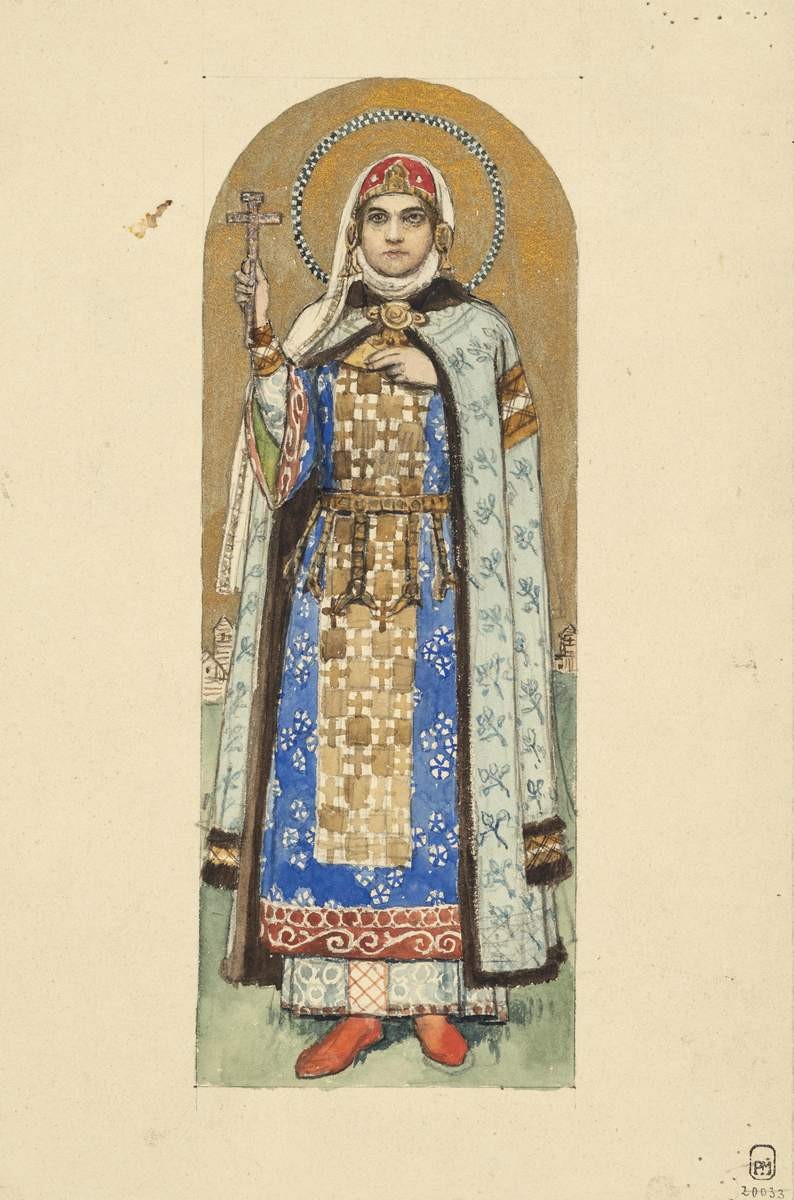
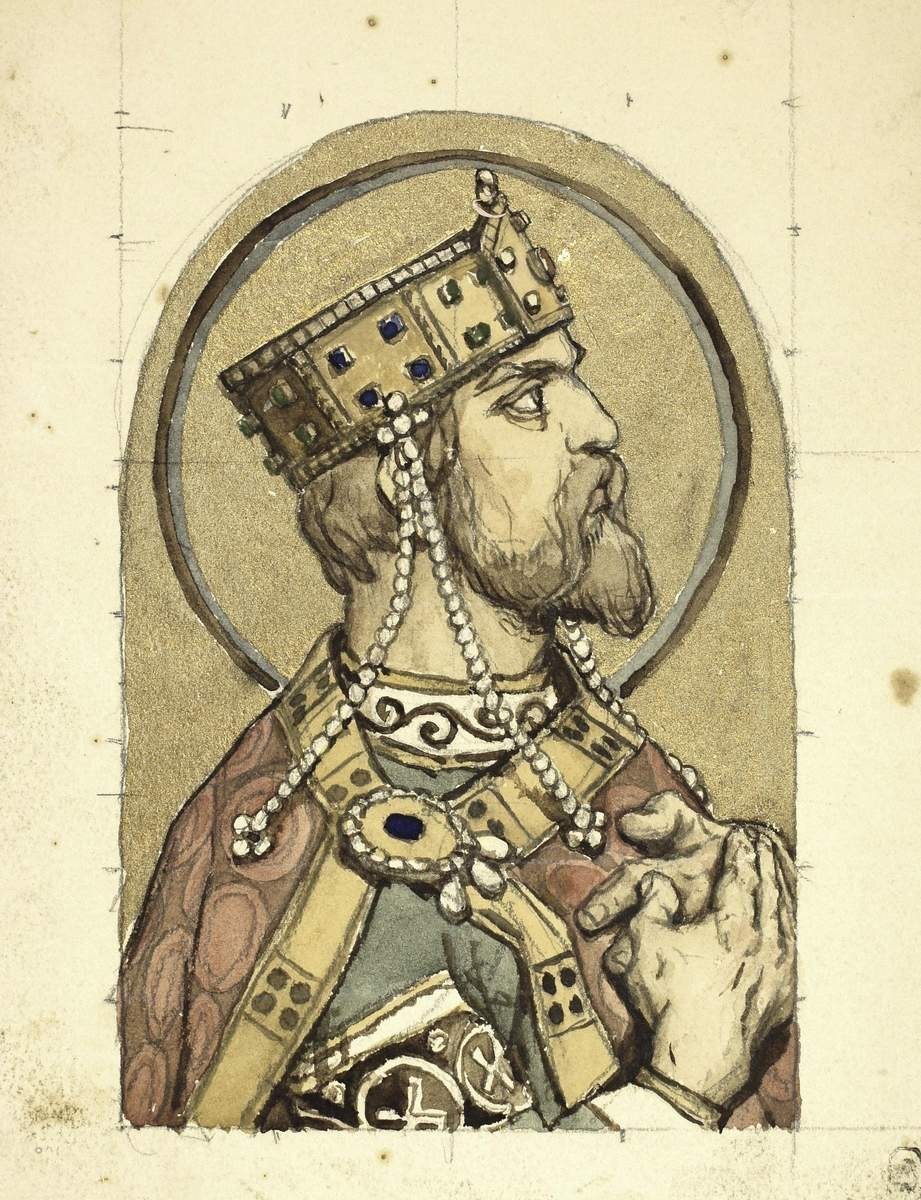
Святой князь Владимир
Kann ich es sehen?
Unbekannt
Wo ist „Святой князь Владимир“ heute? Sammlung: Russisches Museum, Sankt Petersburg. Unbekannt.

Sankt Petersburg, Russland
Der Besitzer ist bekannt; ob das Werk derzeit ausgestellt ist, nicht.
- Unverändert seit
- Quelle
- Das Museum
Über das Werk
In den Worten des Museums — auf Russisch
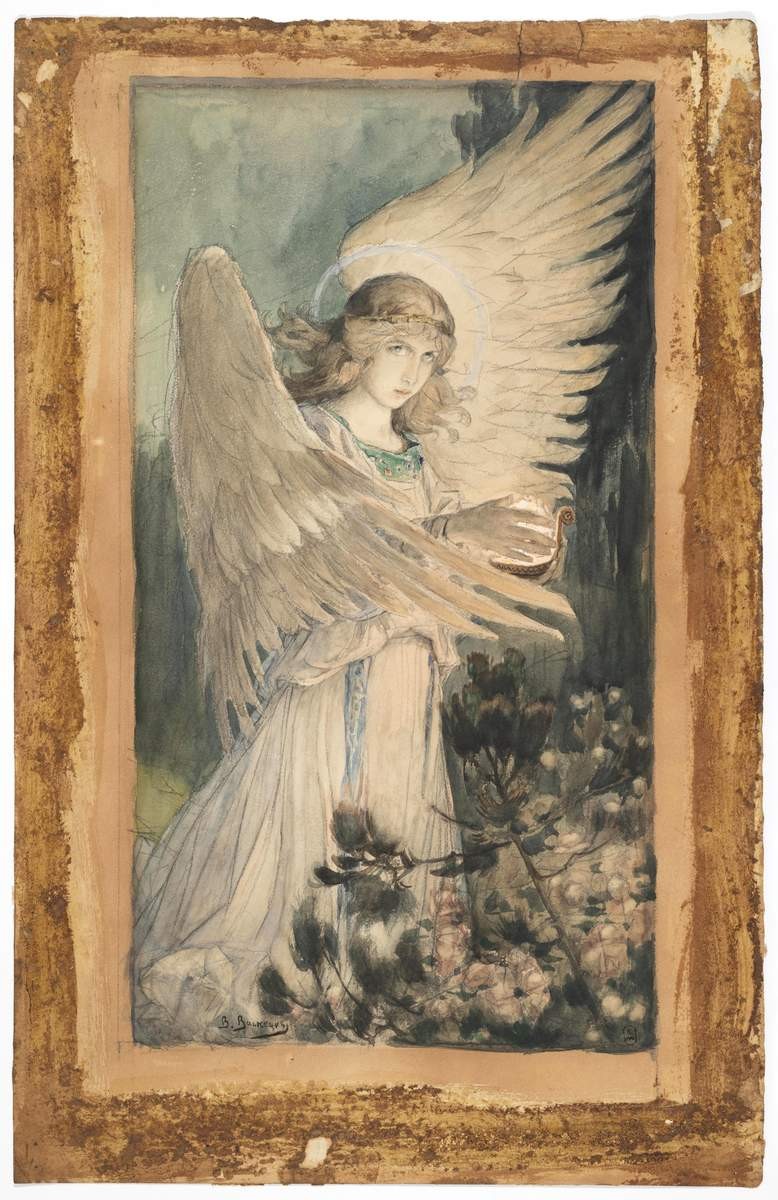
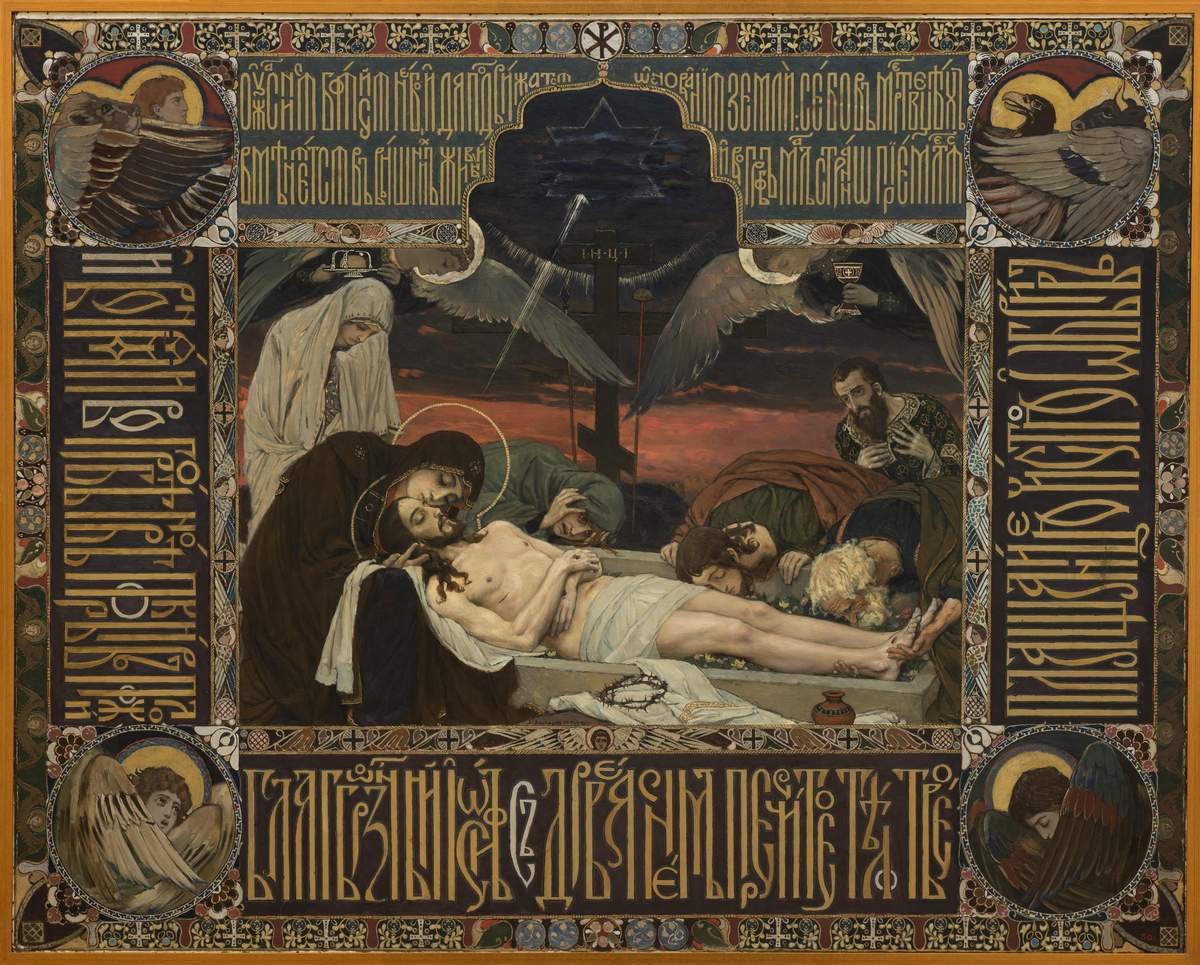
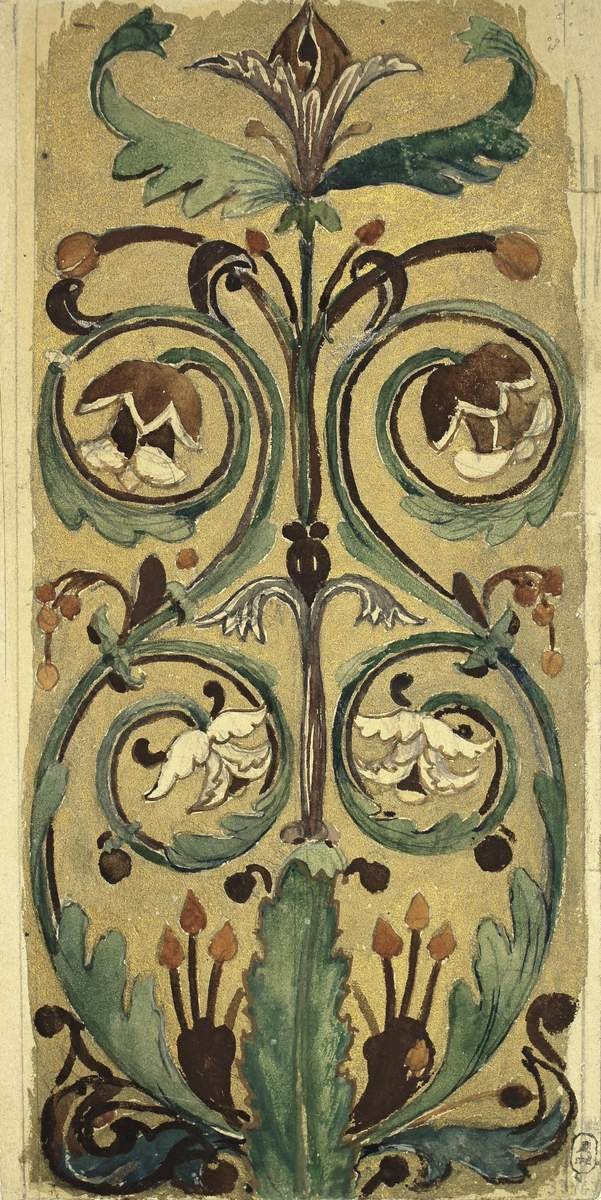
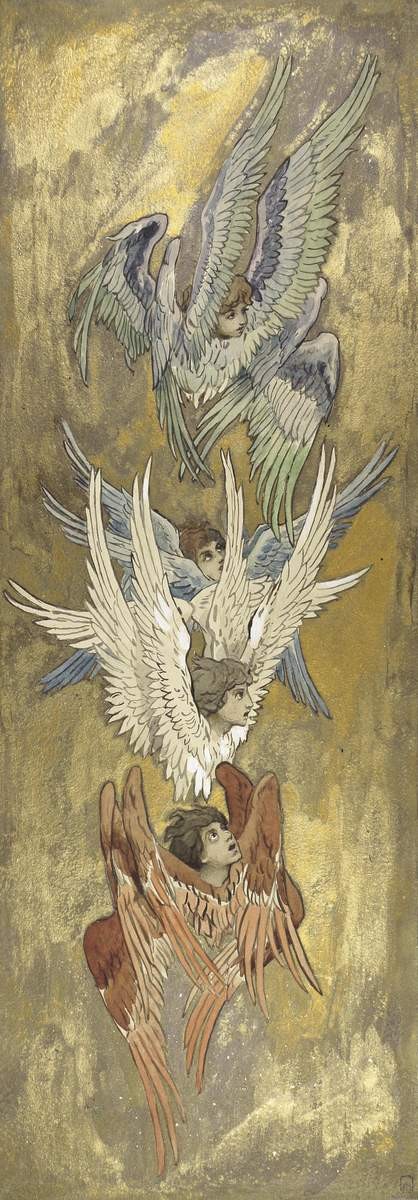
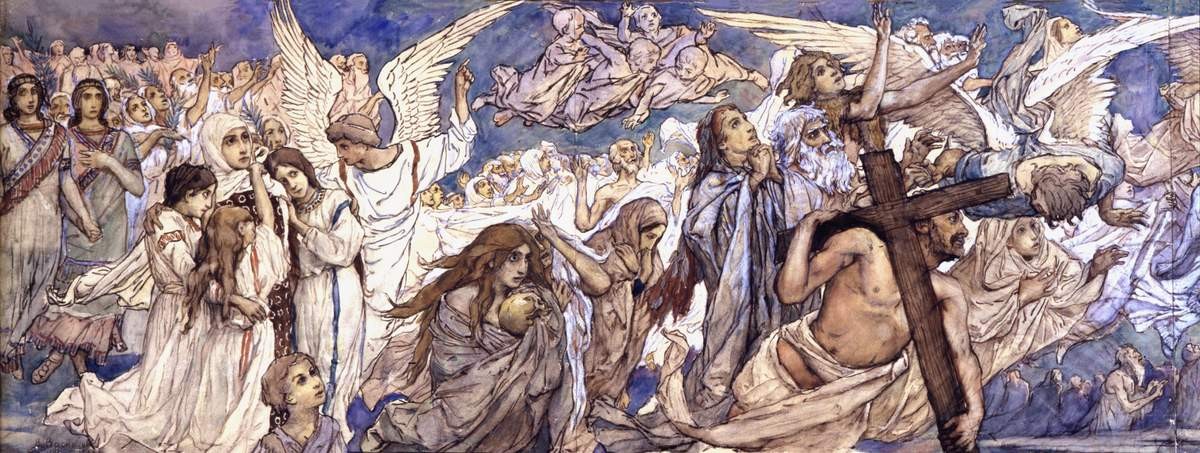
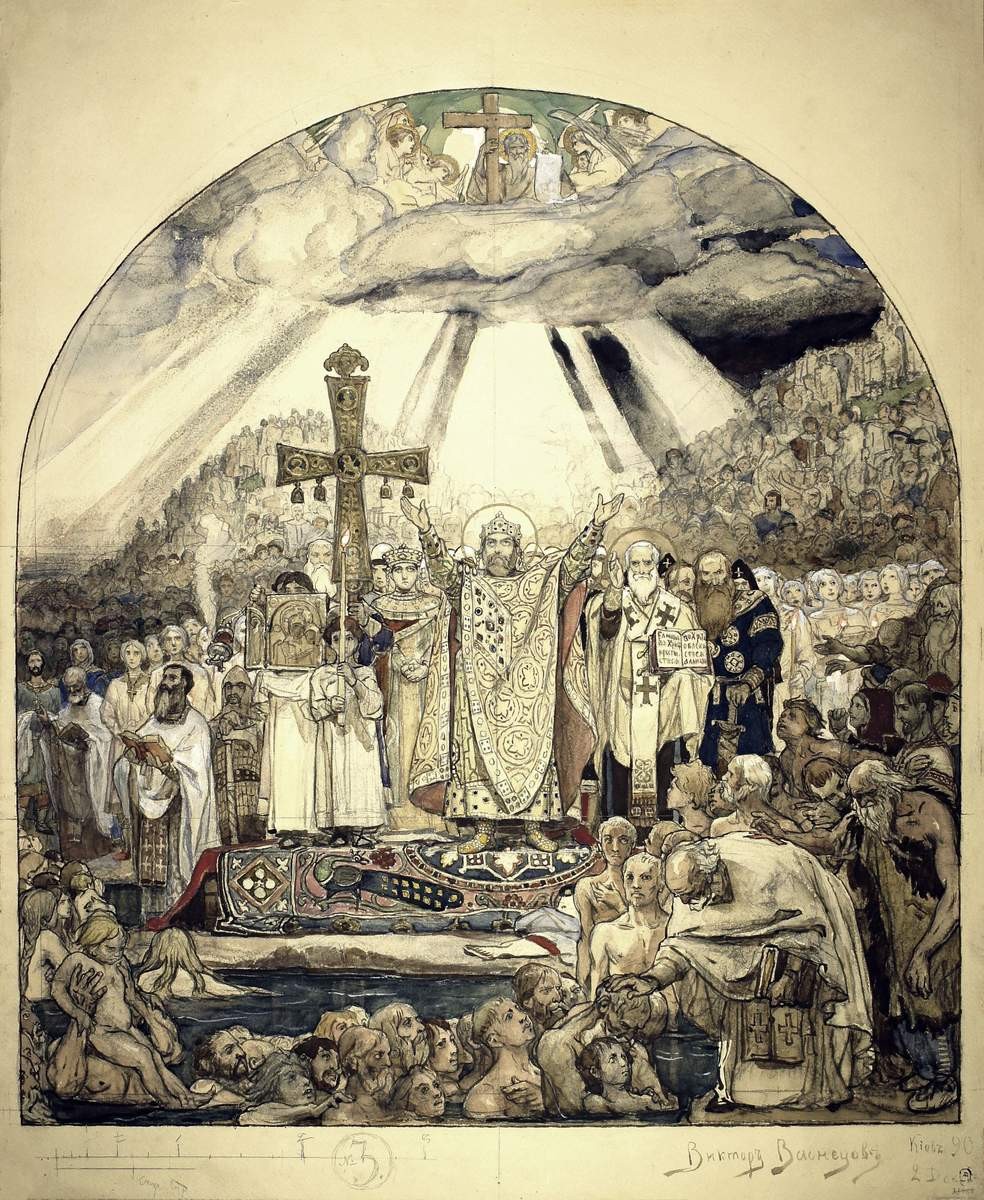
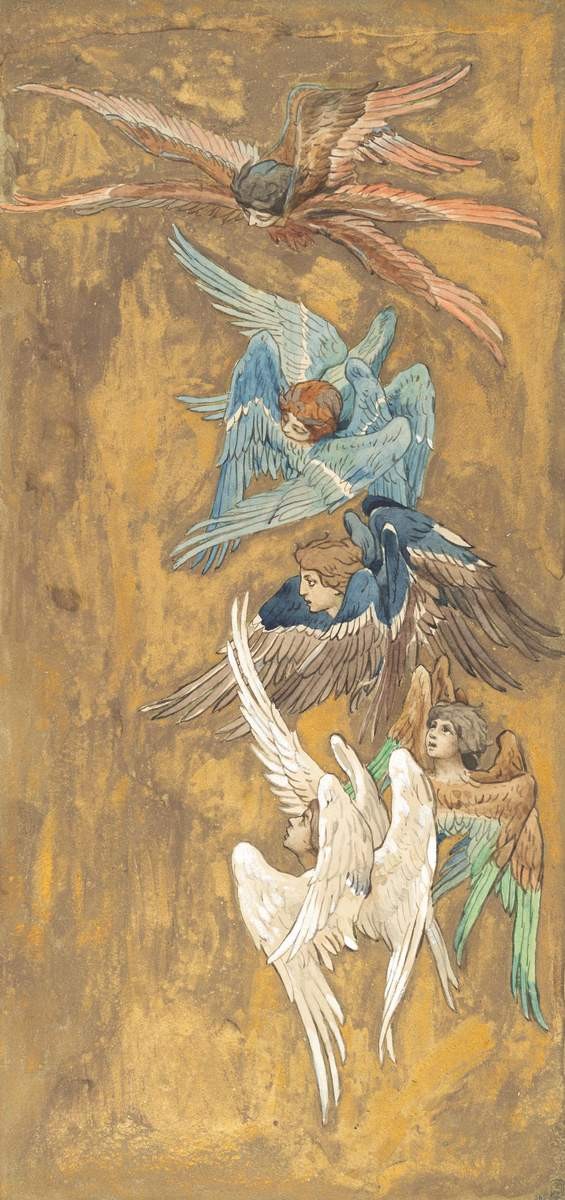
Васнецов оформил несколько храмов, но вершиной его искусства в этой области стали монументальные произведения для Владимирского собора в Киеве. К работе над грандиозным проектом художник приступил в 1885 году после окончания фриза «Каменный век». С. В. Кривонденченков. «В своем истинно национальном отразить вечное». Эволюция реалистической тенденции в творчестве В. М. Васнецова // Виктор Васнецов. СПб, 2024. С. 10.
Mehr lesen
в образах русских святых на столбах и в иконостасе Васнецов представал историческим живописецем-визионером, Баяном-сказителем, увидевшим в волшебный «бинокль» знаменитых героев и подвижников столь отчетливо, будто они были его современниками. Условные фоны не могли скрыть реалистической убедительности и земной телесности этих óбразов, трактованных в былинно-сказочном духе станковых полотен художника. Это вступало в противоречие с функциональным предназначением образóв, должных являть благостность и отблеск горнего мира. Но богословские тонкости Васнецова не беспокоили: монументальности форм в его представлении должна была соответствовать также суровость психологических характеристик, которые он подчас утрировал . П. Ю. Климов. Монументальная живопись В. М. Васнецова // Виктор Васнецов. К 175-летию со дня рождения. СПб, 2024. С. 62-64.
Russisches Museum
Angaben
- Inventarnummer
- Р-12118
Was es zeigt
Im Katalog
Quellen
- Russisches Museum
- Bild: Russisches Museum — © State Russian Museum
Im Leben von Viktor Vasnetsov
Das ganze Leben1878–1890 · Laufbahn
the Peredvizhniki
From 1878 he belonged to the Society of Travelling Art Exhibitions (the Peredvizhniki): he took part in its activity in 1878–1890 and exhibited with it until 1897; he was admitted for the realism and sharp social subjects of his genre paintings.
1884–1889
Friendship with Mikhail Vrubel in Kiev
While living in Kiev he became friends with Mikhail Vrubel, who was also working on the cathedral; while they worked together Vasnetsov taught the younger artist a great deal.
1885
Rimsky-Korsakov’s “The Snow Maiden”: Berendey’s palace
In 1885 he created sets and costumes for Rimsky-Korsakov’s “The Snow Maiden” at Savva Mamontov’s Private Opera — a three-dimensional design for Berendey’s palace, whose colours came from folk festivities in Vyatka and Moscow; in 1881 he had already prepared sketches and sets for a home production of Ostrovsky’s play.
1885–1895
The controversy over the Kiev frescoes: Stasov, Benois, Filosofov
Contemporaries disagreed: Dmitry Filosofov saw in the frescoes “the first bridge over the 200-year-old gulf” between classes of Russian society, Stasov a sacrilegious play with the religious feelings of the people, and Alexandre Benois a “sumptuous and frivolous féerie”; Vasnetsov himself saw the cathedral as a “Bible for the poor”.
1891–1894
He builds a terem-style house in Troitskaya Sloboda
In 1891 he bought land in Troitskaya Sloboda and himself devised a wooden mansion in the style of an ancient Russian terem; construction, carried out by peasants from Vladimir Governorate, was completed in 1894, and the second-floor studio (110 m², six-metre ceilings) became the place where the “Bogatyrs”, “The Snow Maiden” and the “Poem of Seven Fairy Tales” were painted; Governor-General Grand Duke Sergei Alexandrovich allowed the house to exceed the height limit.
1892
Professor of the Imperial Academy of Arts
From 1892 he was a professor of the Imperial Academy of Arts, and in 1893–1905 a full member of the Academy (under its new statute).