 Jacopo TintorettoItalien, 1518–1594
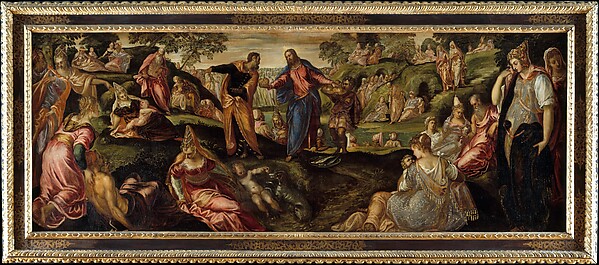
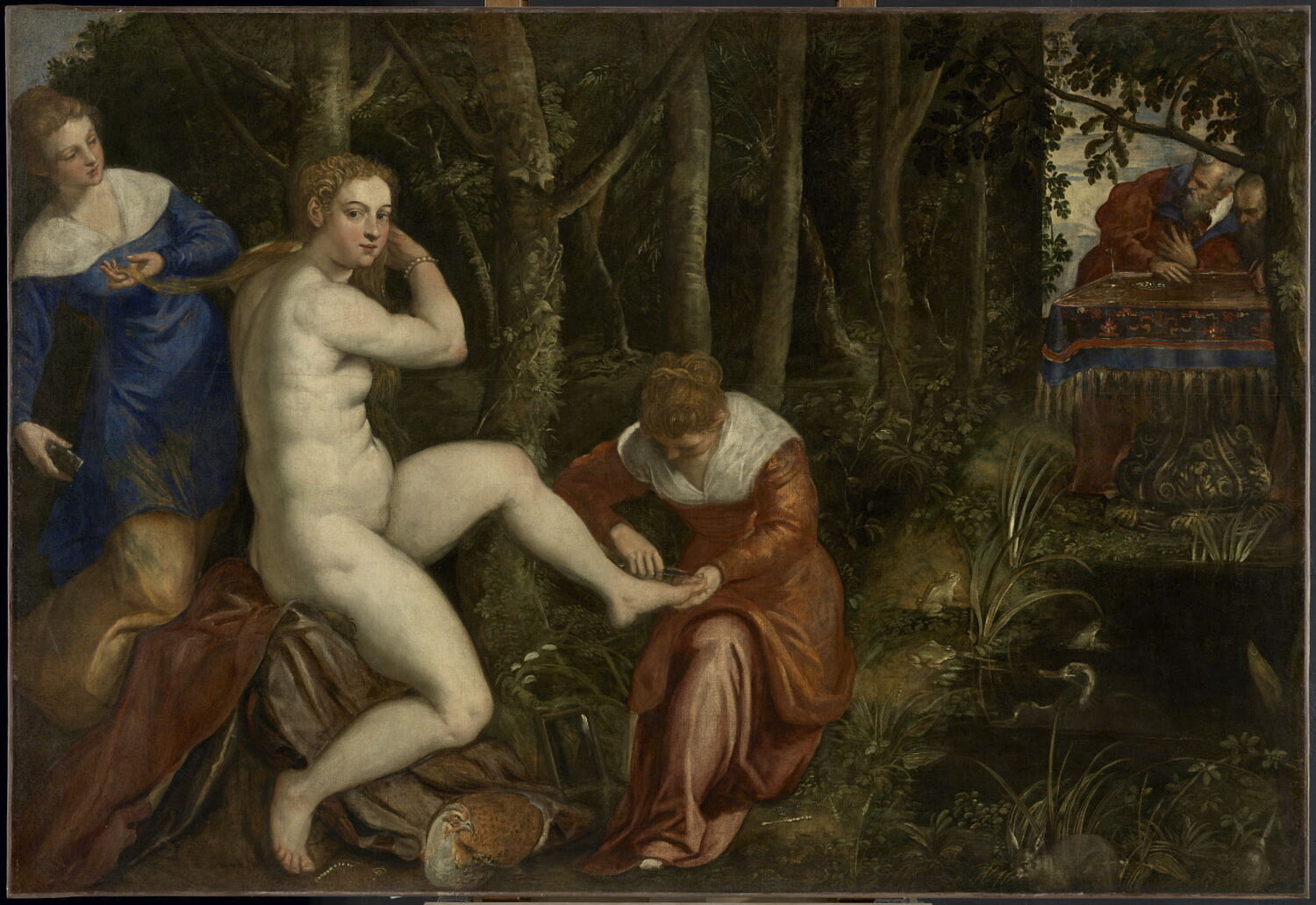
Suzanne au bain
Darf man es sehen?
Ja, es empfängt Besucher

Öffentlich ausgestellt. Wer dafür bürgt, steht unten.
- Geprüft
- vor 9 Tagen
- Unverändert seit
- 26. Sept. 2026
- Quelle
- Sammlungsdaten des Museums selbst
Angaben
- Inventarnummer
- INV 568
Quellen
- Louvre: the museum's own open data · abgerufen vor 9 Tagen
- Bild: Louvre — © 2025 GrandPalaisRmn (musée du Louvre) / Mathieu Rabeau
Derweil im Leben von Jacopo Tintoretto
Das ganze Lebenc. 1540s
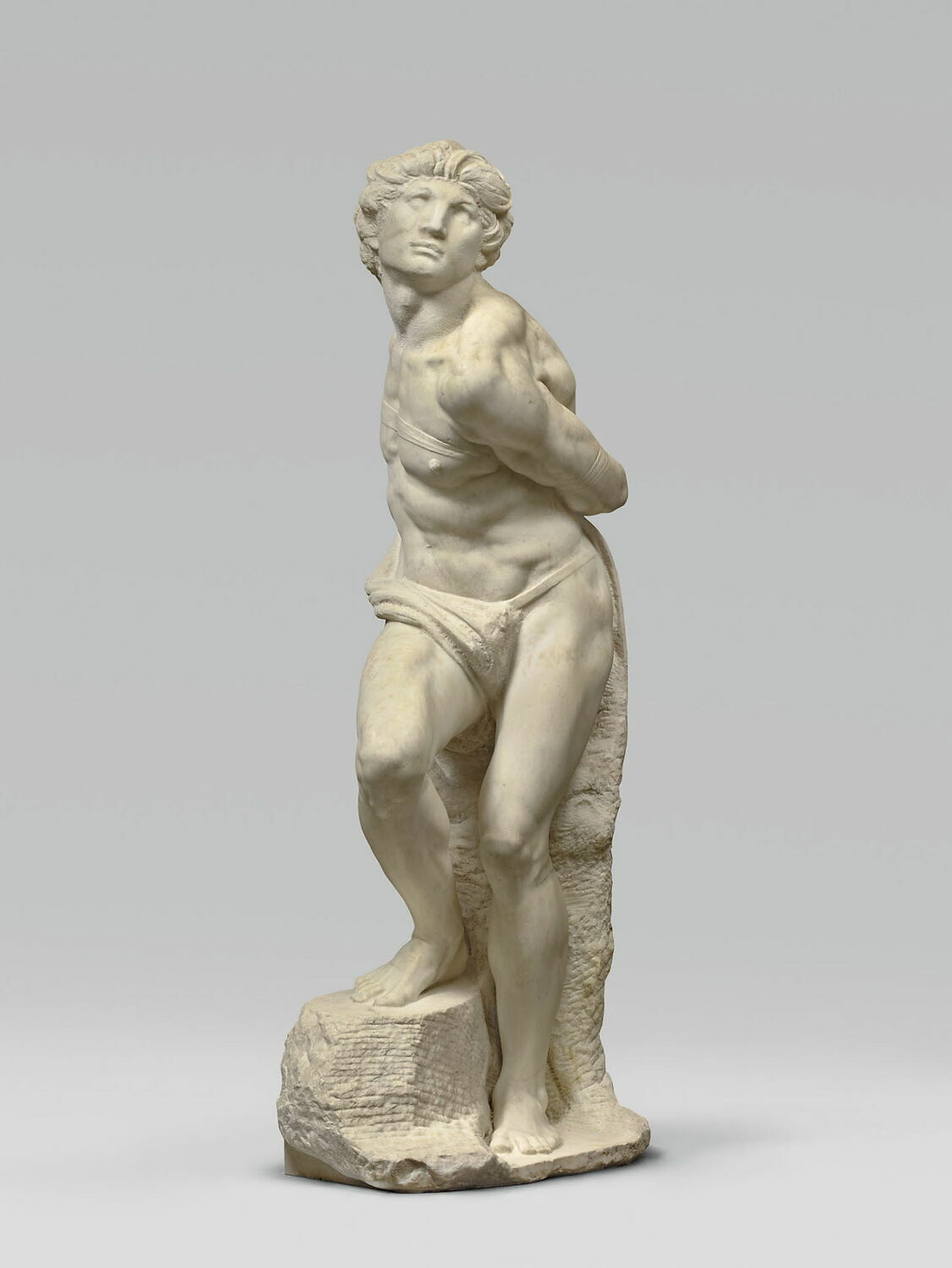
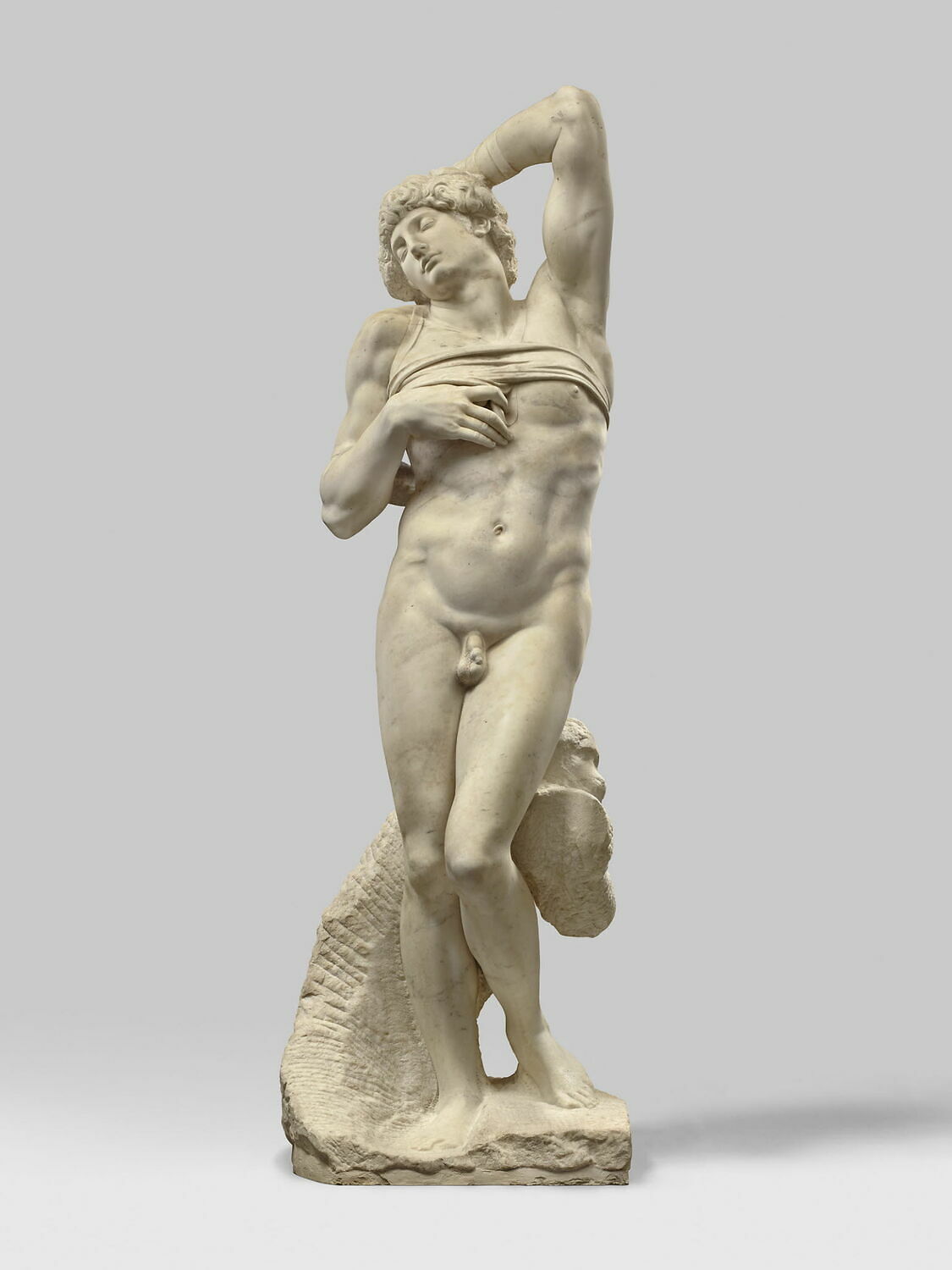
Models of Michelangelo’s sculptures and the studio motto
Possibly in the 1540s he acquired models of Michelangelo’s Dawn, Day, Dusk and Night, which he and his workshop studied in numerous drawings made from all angles on blue paper. He placed an inscription over his studio: “Michelangelo’s drawing and Titian’s colour”.
c. 1560
Begins work in the Doge’s Palace
It was probably then that he began his numerous paintings for the Doge’s Palace; the first there was a portrait of the Doge Girolamo Priuli.
c. 1560
Marriage to Faustina de Vescovi
His second wife, the daughter of a Venetian nobleman who was guardian grande of the Scuola Grande di San Marco, proved a careful housekeeper able to mollify her husband: she made him wear the robe of a Venetian citizen outdoors and wrapped money in a handkerchief for him, expecting a strict accounting, and he would reply that he had spent it on alms for the poor or for prisoners. Three sons and four daughters survived to adulthood.
1564
The San Rocco competition: a finished ceiling instead of a sketch
Of the four finalists (Tintoretto, Federico Zuccaro, Giuseppe Salviati and Paolo Veronese) invited to submit models for a ceiling painting of Saint Roch in Glory for the Sala dell’Albergo, Tintoretto produced no sketch: he secretly installed a full-sized finished painting on the ceiling and on the day of the competition offered it as a gift — perhaps aware that a bylaw prohibited rejecting any gift. The ruse has been called “the most notorious incident” of his career.
1577
A fire in the Doge’s Palace destroys his paintings
A fire destroyed his works in the palace — the “Excommunication of Frederick Barbarossa by Pope Alexander III” and the “Victory of Lepanto”; after the fire he started afresh, with Paolo Veronese as colleague.
November 1577
The contract: the whole Scuola for 100 ducats a year
In November 1577 he offered to execute the works for the whole scuola and the church of San Rocco at 100 ducats a year, with three pictures due each year; the proposal was accepted and punctually fulfilled, only the painter’s death preventing some ceiling subjects from being executed. The whole sum paid for the scuola was 2,447 ducats; the scuola and the church contain fifty-two memorable paintings.