 Umberto BoccioniItalien, 1882–1916
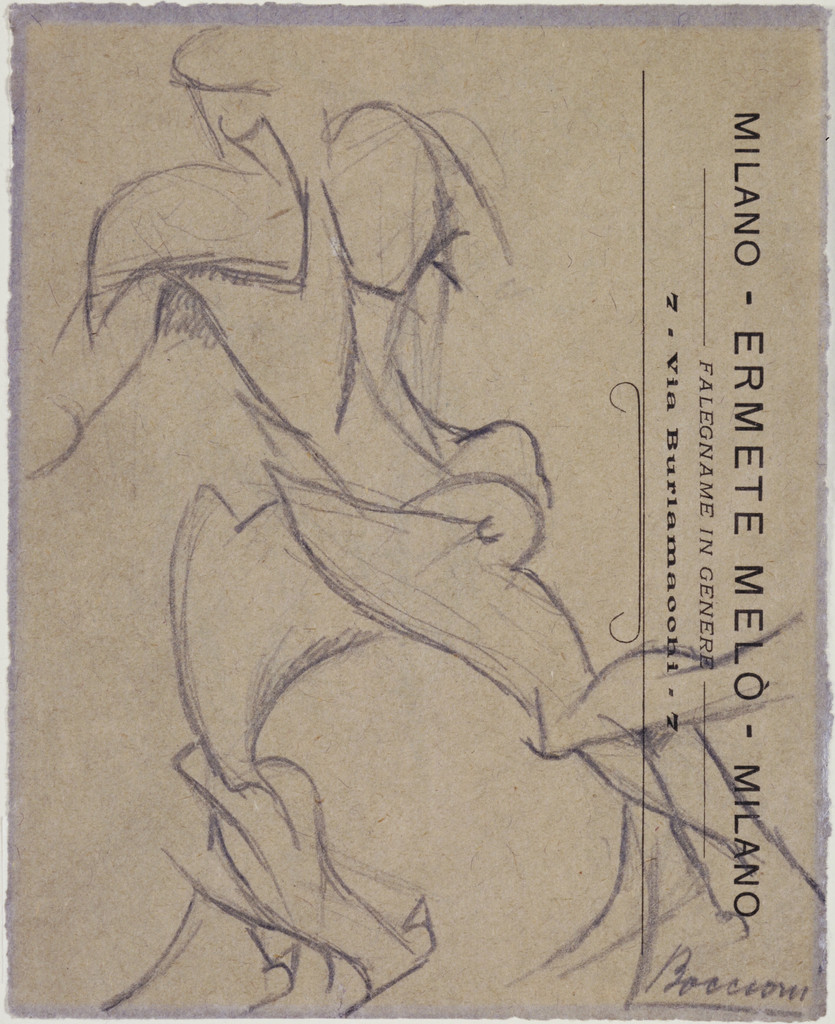
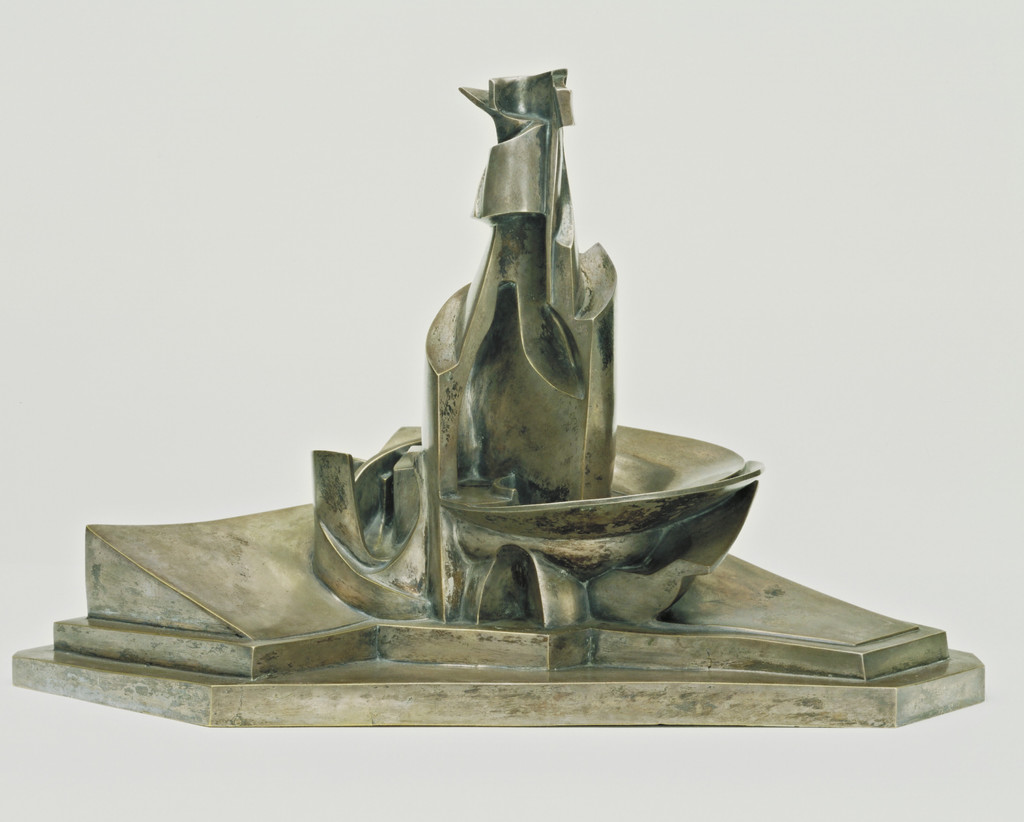
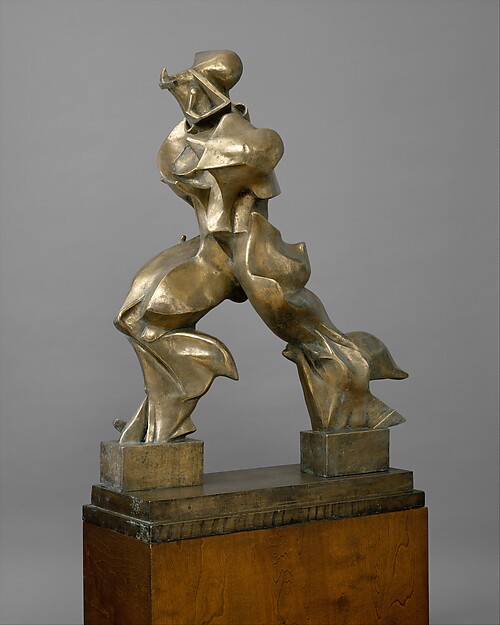
Study for Unique Forms of Continuity in Space
Kann ich es sehen?
Derzeit nicht ausgestellt
Wo ist „Study for Unique Forms of Continuity in Space“ heute? Sammlung: Museum of Modern Art, New York City. Derzeit nicht ausgestellt. Geprüft 22. September 2026.

New York City, Vereinigte Staaten
Es gehört zur Sammlung, ist derzeit aber nicht ausgestellt.
- Geprüft
- Quelle
- Das Museum
Angaben
- Inventarnummer
- 258.1956
Im Katalog
Quellen
- Museum of Modern Art
- Bild: Museum of Modern Art — © the artist or rights holder
Im Leben von Umberto Boccioni
Das ganze Leben1911
“The City Rises” on show in Milan
In May 1911 “The City Rises” went on show in Milan: a huge canvas, 2 by 3 metres, on which Boccioni had worked for nearly a year, attempting, as he wrote to a friend, “a great synthesis of labor, light and movement”. It attracted numerous reviews, mostly admiring.
1912
Decides to take up sculpture
After visiting the Paris studios of Georges Braque, Alexander Archipenko, Constantin Brâncuși, Raymond Duchamp-Villon and, probably, Medardo Rosso, Boccioni decided to take up sculpture.
1912
Futurist exhibition at Galerie Bernheim-Jeune
In 1912 Boccioni exhibited some paintings together with other Italian Futurists at the Galerie Bernheim-Jeune.
1912
Futurist exhibition at the Sackville Gallery
In 1912 the Futurists, Boccioni among them, exhibited their work at the Sackville Gallery in London.
11 April 1912
Publishes the “Technical Manifesto of Futurist Sculpture”
The “Technical Manifesto of Futurist Sculpture” was published on 11 April 1912; for Boccioni it was the intellectual and physical launch into sculpture.
1913
Sculpture exhibition at the Galerie La Boétie
In 1913 he returned to show his sculptures at the Galerie La Boétie; everything on view grew out of what Boccioni had seen in Paris.
![Mia madre che lavora [My Mother Working], Umberto Boccioni, 1907](https://api.nga.gov/iiif/f802e827-c068-4e70-abc2-f10b1fd4e78c/full/!2400,2400/0/default.jpg)

![Periphery [Periferia], Umberto Boccioni, 1908](https://api.nga.gov/iiif/bc6e609b-939b-4d64-a87b-2a0ae311d52b/full/!2400,2400/0/default.jpg)