ART WIKI32.963 ausgestellt
KarteSammlungKünstlerMuseenAusstellungenJournal
Anmelden

ART WIKI

Wo das Meisterwerk hängt und wann man vorgelassen wird.

Sammlungen: Art Institute of Chicago, Cleveland Museum of Art, Eremitage, Getty Villa, Harvard Art Museums, Hirshhorn Museum and Sculpture Garden, J. Paul Getty Museum, Louvre, Metropolitan Museum of Art, Minneapolis Institute of Art, Museum of Modern Art, National Gallery of Art, National Museum of Asian Art, National Portrait Gallery, Puschkin-Museum, Rijksmuseum Amsterdam, Russisches Museum, Smithsonian American Art Museum, Statens Museum for Kunst, Tretjakow-Galerie, Victoria and Albert Museum, Whitney Museum of American Art, Staatskatalog des Museumsfonds Russlands (274 Museen), Europeana (19 Museen), Wikidata (6 Museen), Paris Musées (12 Museen) und Joconde, die Museumsdatenbank des französischen Kulturministeriums (495 Museen). Die Bilder gehören ihren Rechteinhabern.

Rubriken

  • Karte
  • Suche
  • Sammlung
  • Meisterwerke
  • Jetzt ausgestellt
  • Künstler

Mehr

  • Museen & Galerien
  • Ausstellungen
  • Journal
  • Woher die Daten stammen
  • Datenschutz & Cookies
StartseiteKarteKatalog
  1. Sammlung/
  2. Cleveland Museum of Art/
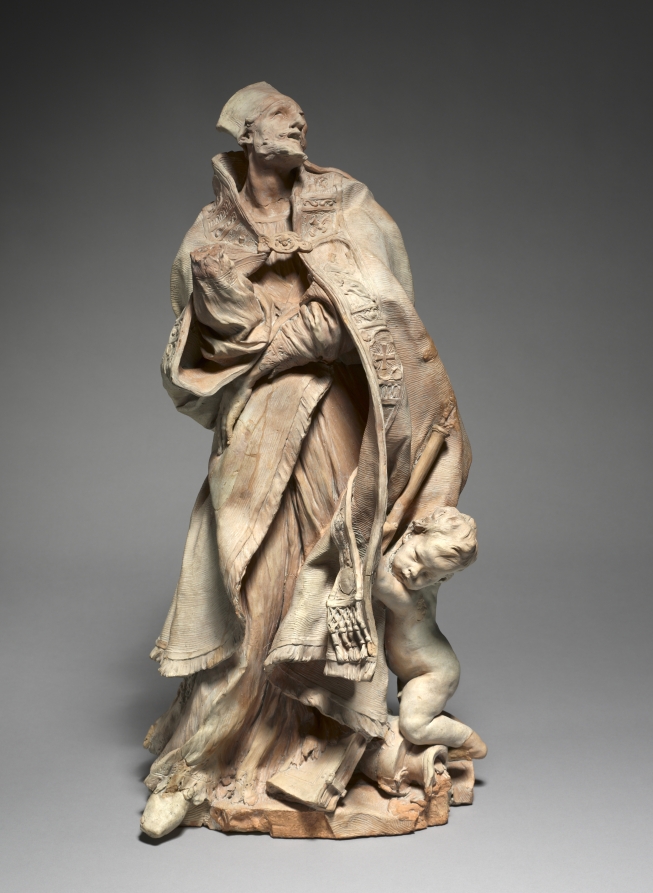
  3. Study for The Blessed Alessandro Sauli
Study for The Blessed Alessandro Sauli, Pierre Puget, 1663–1668

Study for The Blessed Alessandro Sauli

1663–1668 · Sculpture

Über die Skulptur

A famous preacher from an aristocratic family in Genoa, Sauli (1534-1591) spearheaded important Catholic reforms, including popular missions and restructuring the church to reach a broader spectrum of worshippers. This sculpture is a model for a large statue commissioned by the Sauli family for a Genoese church. Although the open book speaks to Sauli’s work as a reformer, his twisting body and facial expression indicate utter absorption in a deeply personal vision.

Cleveland Museum of Art

Angaben

1663–1668
16201694
Inventarnummer
1964.36

Derweil im Leben von Pierre Puget

Das ganze Leben
  1. 5 September 1661

    Fouquet is arrested on Colbert’s accusation

    Nicolas Fouquet was arrested and imprisoned on Colbert’s accusation of using government funds for his own purposes. The statue commissioned for his garden was later sent instead to the Château de Sceaux, Colbert’s more modest residence; it is now in the Louvre.

  2. 1661–1669

    Decides to stay in Italy for a time

    He decided to stay in Italy for a time, making long visits to Rome and Genoa; his principal patron there was the nobleman Francesco Maria Sauli. For the French patron Emmanuel Brignole he made a notable statue, “The Immaculate Conception”, for the chapel of an Albergo in Genoa, and he declined the Genoese senate’s proposal to paint their council chamber in order to devote himself to sculpture.

  3. 1665

    Serious illness: he gives up painting

    A serious illness and the advice of his doctors made him abandon painting entirely. Altogether he is recorded as having painted fifty-six paintings, of which nineteen were documented in 1868 as still existing.

  4. 1669

    Return to France and a dispute with Colbert over his post

    He returned to France and divided his time between Toulon and Marseille; offered the post of chief of decoration for the warships, he demanded to be considered an officer, not a worker, and to have the final say over the royal artists Le Brun and Girardon. Colbert found this unacceptable and gave Girardon the commission to decorate the Royal Louis; Puget was instead charged with decorating ten new men-of-war and designing a new headquarters building for the fleet.

Mehr von Pierre Puget

Alle Werke

Im selben Saal · 212 Baroque Painting and Sculpture, Cleveland Museum of Art

Museumsseite
  • 1669

    Conflict with the Chevalier de Clairville

    The new Commissioner of Fortifications, the Chevalier de Clairville, changed all of Puget’s plans, removed decoration he considered unnecessary and rejected his new headquarters building. Puget appealed to Colbert, but Colbert sided with Clairville.

  • June 1670

    Sidelined from the decoration of the ships

    When he returned to the dockyards he found a new officer in command and the decoration of ships he had begun given to others. On Colbert’s instructions any work he did had to be approved by Le Brun and the senior sculptors in Paris, and he was to design only what he was told to design; Colbert added that British ships had little or no sculptural decoration and usually won battles, so French ships should also be without it.

  • Pierre Puget, PorträtPierre PugetFrankreich, 1620–1694

    Darf man es sehen?

    Ja, es empfängt Besucher

    Cleveland Museum of Art

    Cleveland, Vereinigte Staaten

    Saal212 Baroque Painting and Sculpture

    Öffentlich ausgestellt. Wer dafür bürgt, steht unten.

    Geprüft
    vor 3 Tagen
    Unverändert seit
    19. Aug. 2026
    Quelle
    Das Museum
    Auf der KarteMuseumsseite

    Im Katalog

    SkulpturTerrakotta und KeramikBarock17. JahrhundertFrance, made in Genoa, 17th century

    Quellen

    • Cleveland Museum of Art
    • Bild: Cleveland Museum of Art — Museum open access
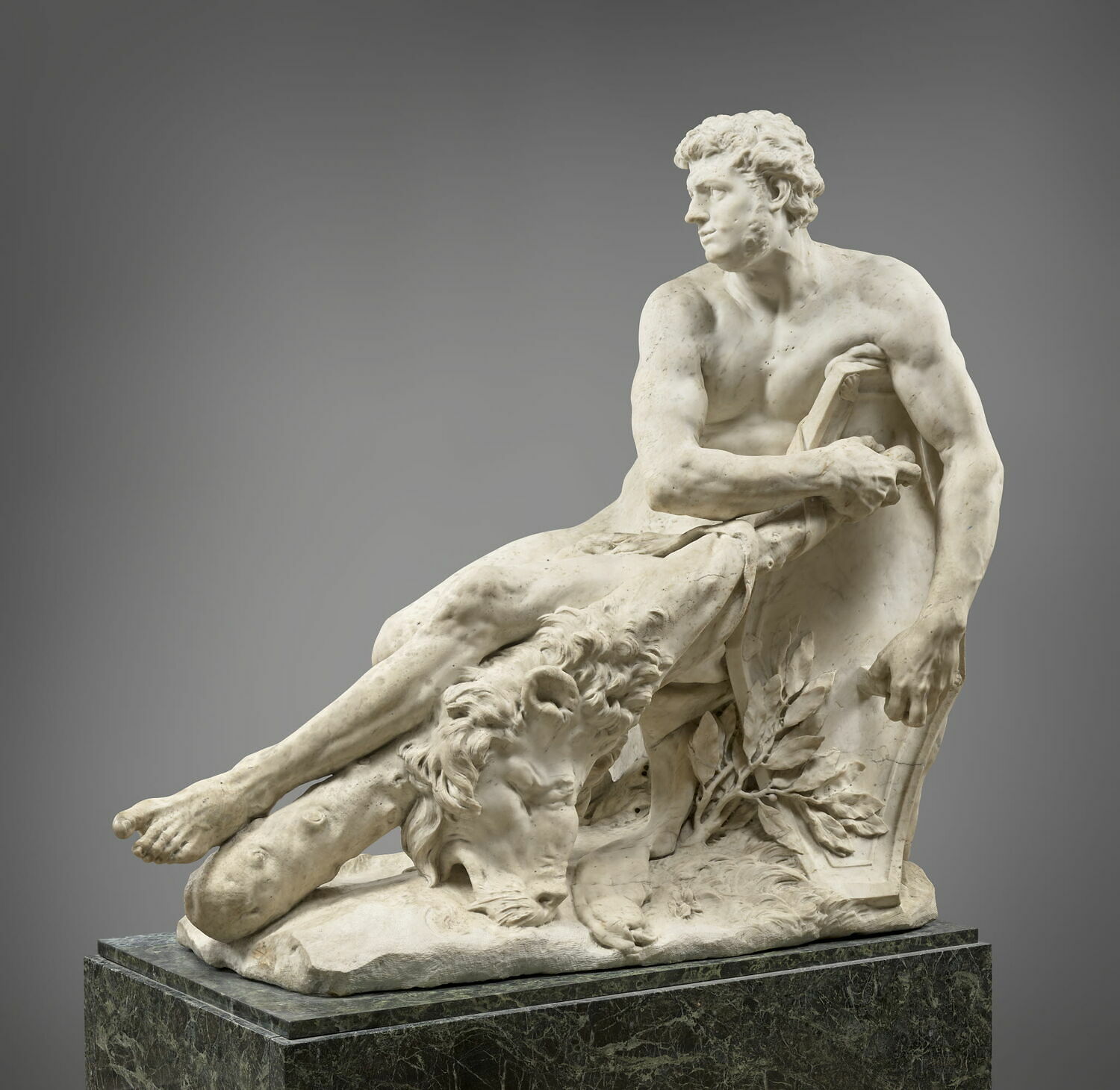
    Hercule au repos, Puget, Pierre, 1661 - 1662

    Hercule au repos

    1661 - 1662 · Louvre

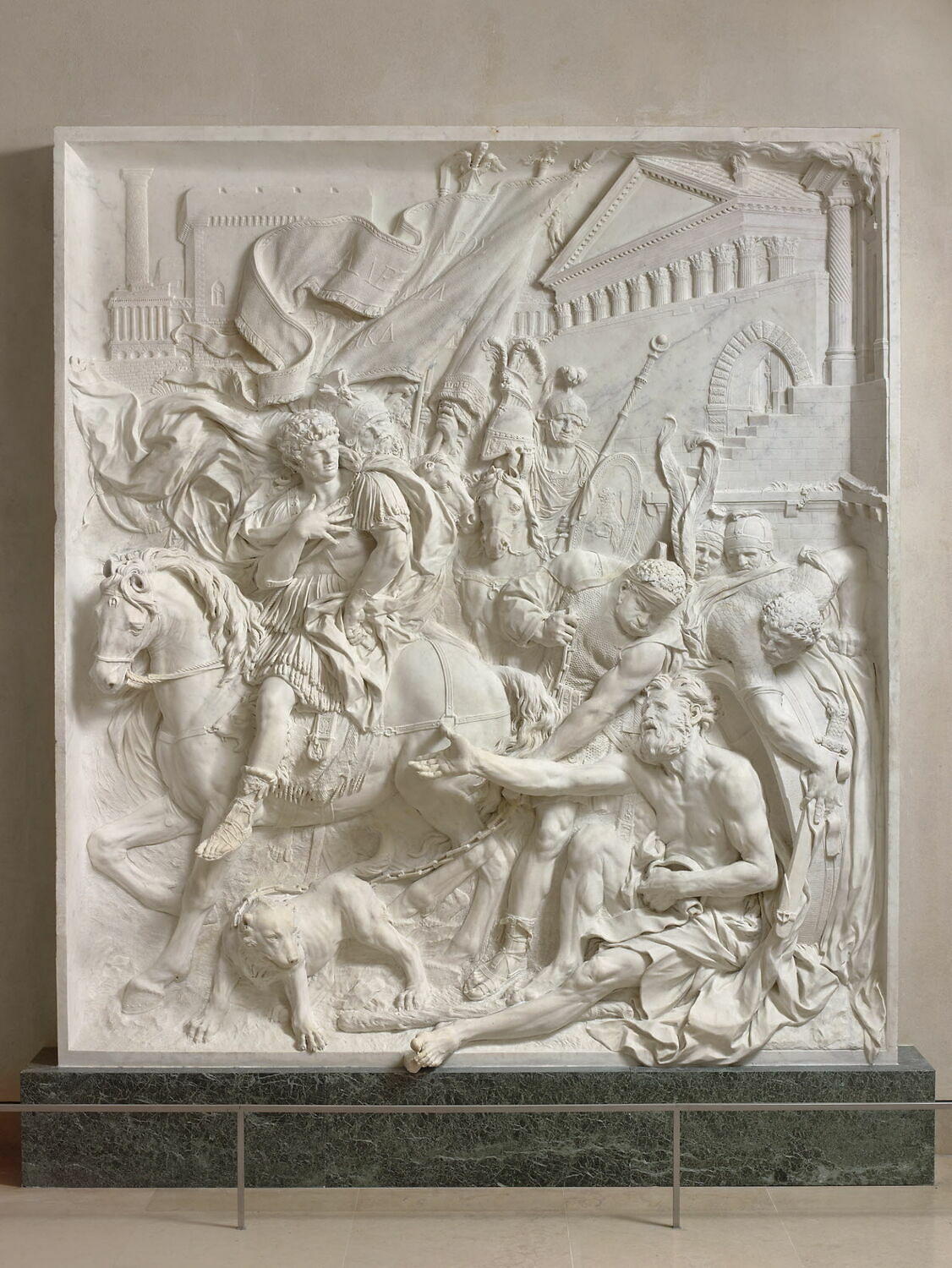
    Rencontre d'Alexandre et de Diogène, Puget, Pierre, 1671 - 1689

    Rencontre d'Alexandre et de Diogène

    1671 - 1689 · Louvre

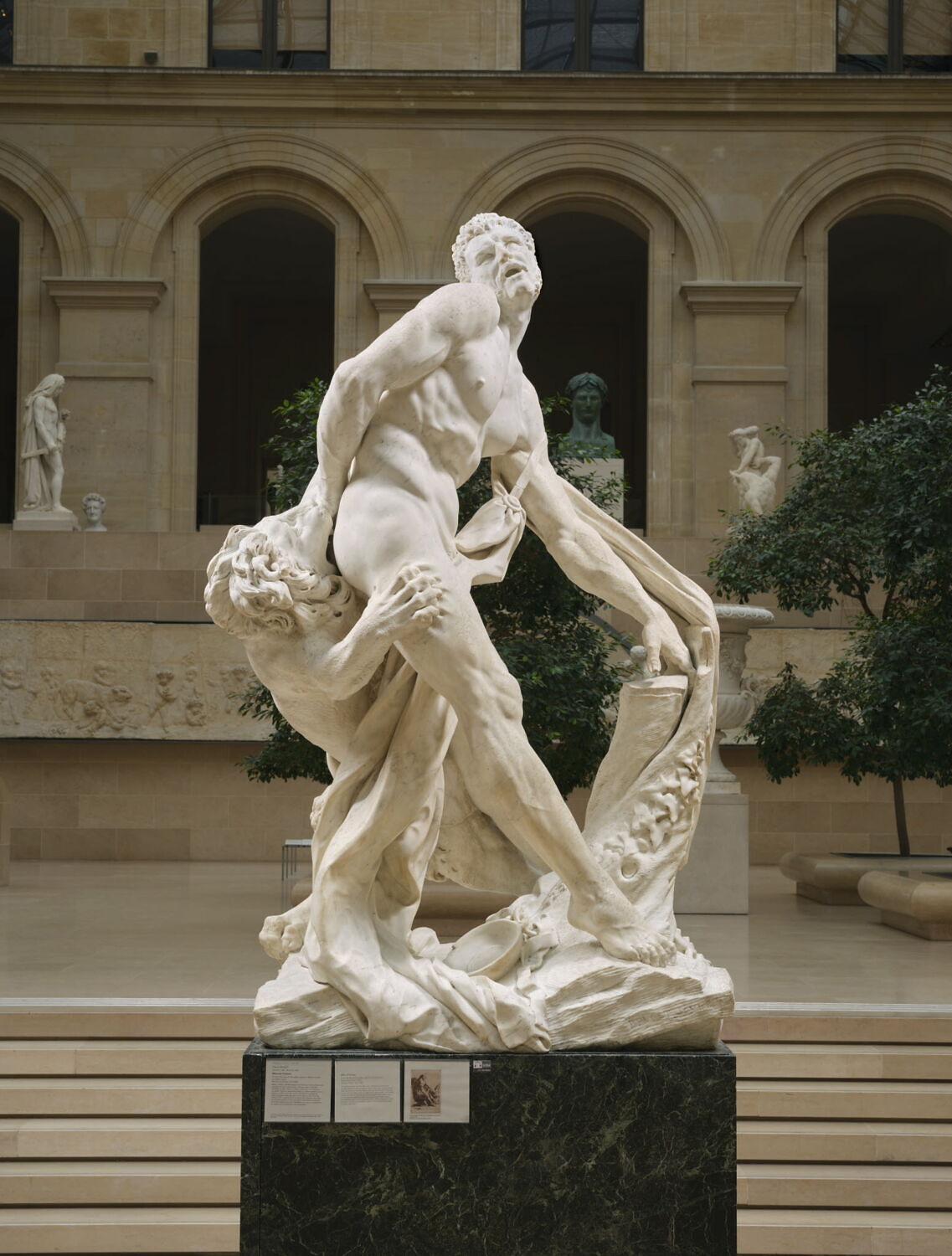
    Milon de Crotone, Puget, Pierre, 1672 - 1682

    Milon de Crotone

    1672 - 1682 · Louvre

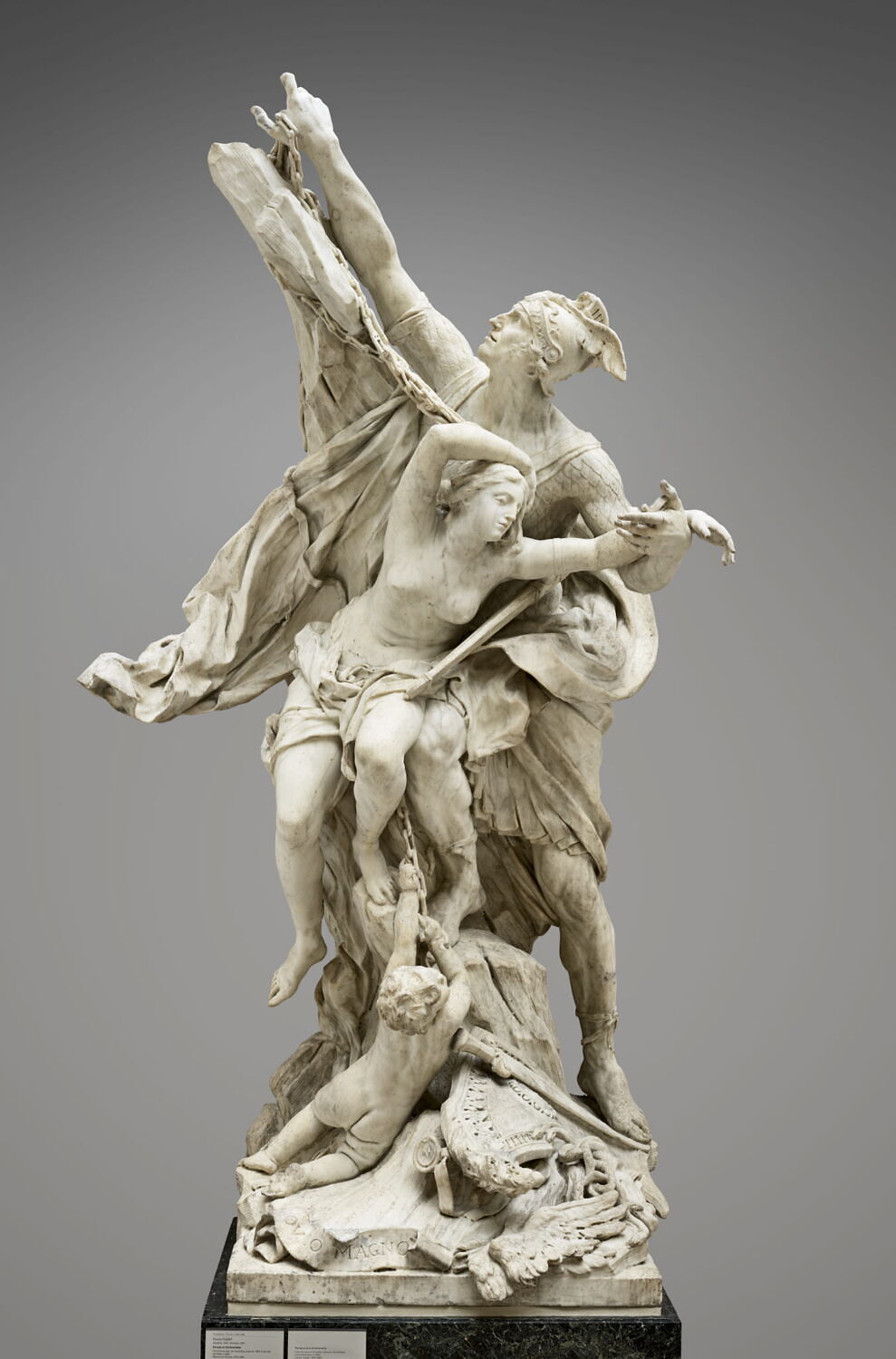
    L'Enlèvement d'Andromède par Persée, Puget, Pierre, 1679 - 1684

    L'Enlèvement d'Andromède par Persée

    1679 - 1684 · Louvre

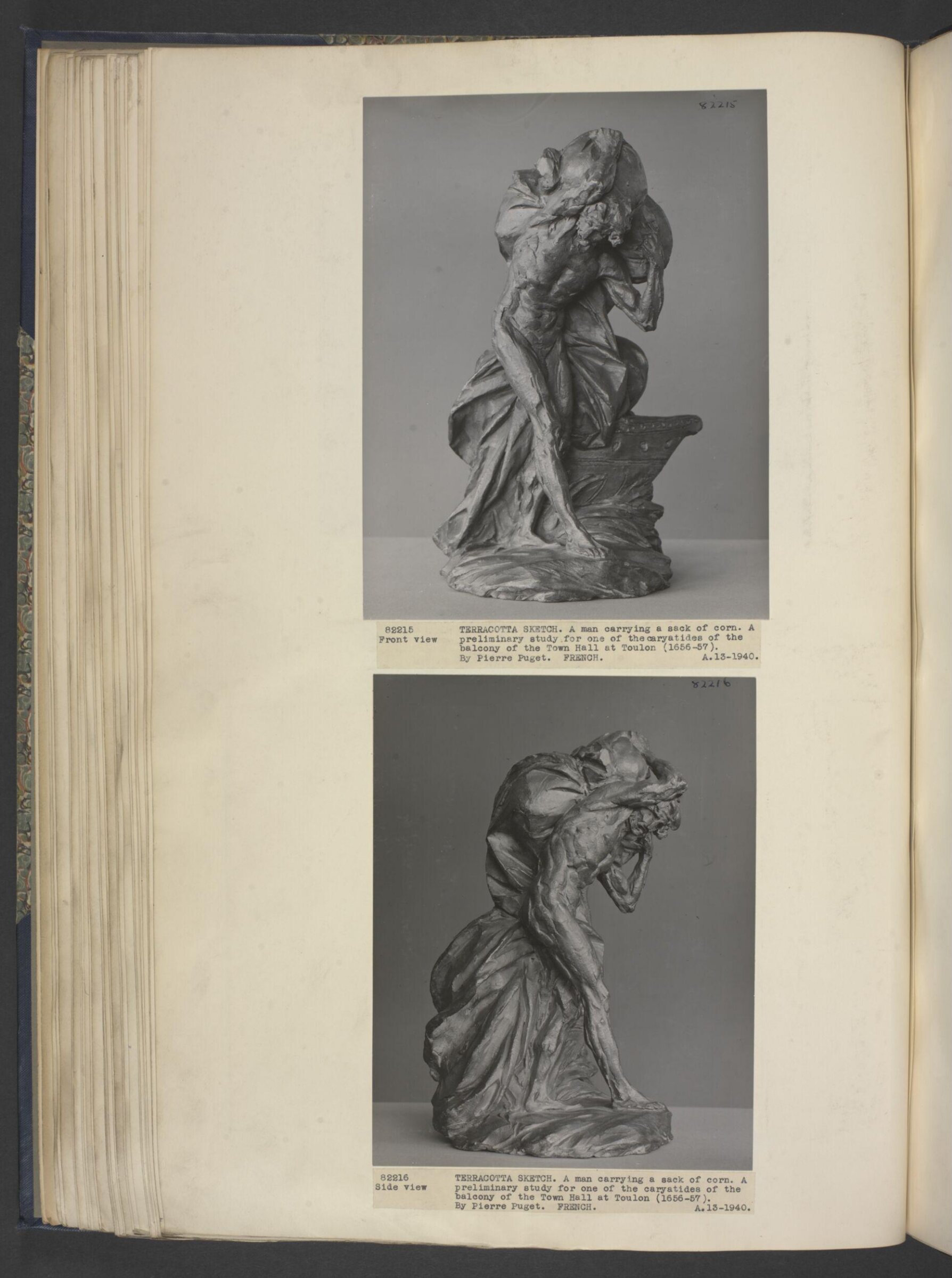
    A Man carrying a sack of grain, Pierre Puget, mid 17th century

    A Man carrying a sack of grain

    mid 17th century · Victoria and Albert Museum

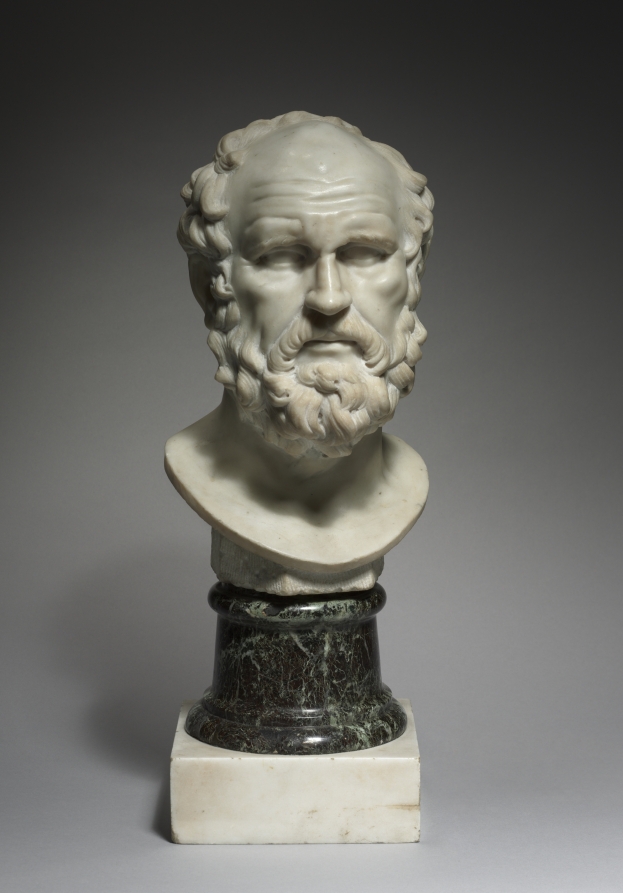
    A Philosopher, Pierre Puget, 1662

    A Philosopher

    1662 · Cleveland Museum of Art

    Ornamental Sketches with Grotesque Masks, Pierre Puget

    Ornamental Sketches with Grotesque Masks

    Nicht ausgestellt · National Gallery of Art

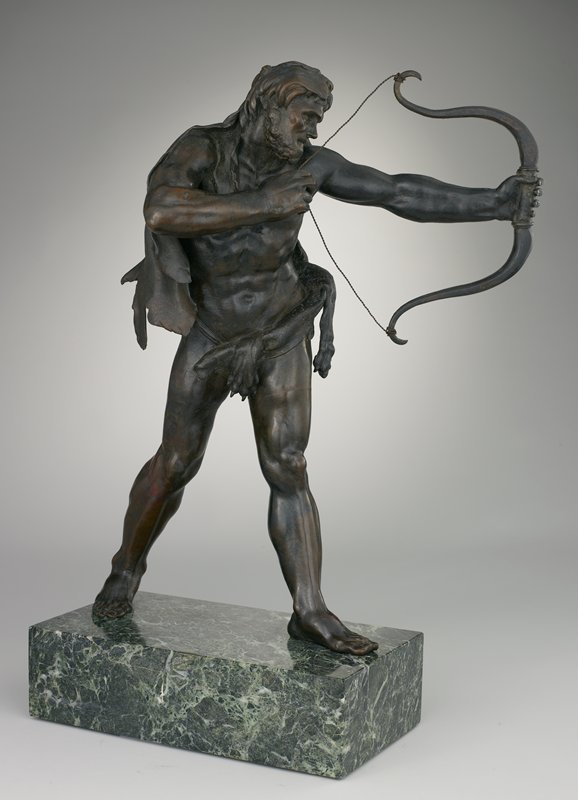
    Hercules as Archer, Pierre Puget, 17th century

    Hercules as Archer

    17th century · Nicht ausgestellt · Minneapolis Institute of Art

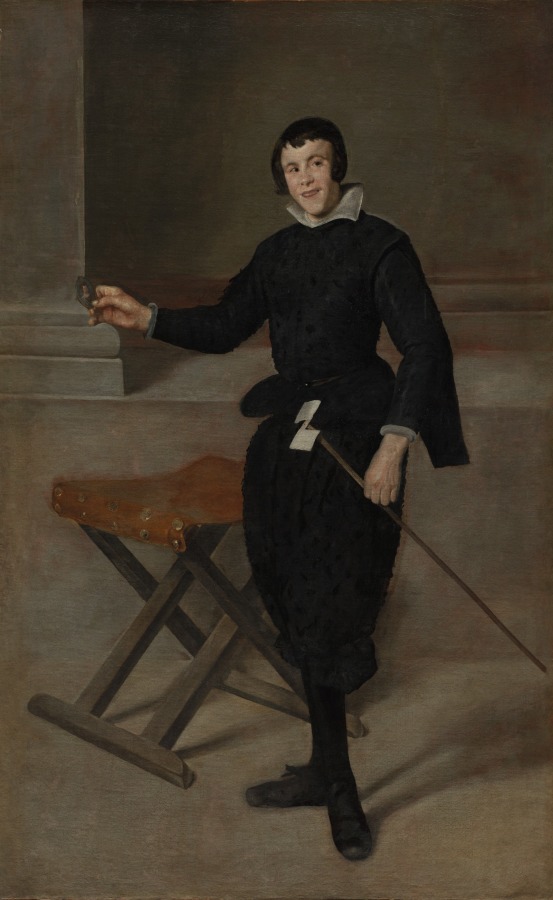
    Portrait of the Jester Calabazas, Diego Velázquez, c. 1631–32

    Diego Velázquez

    Portrait of the Jester Calabazas, c. 1631–32

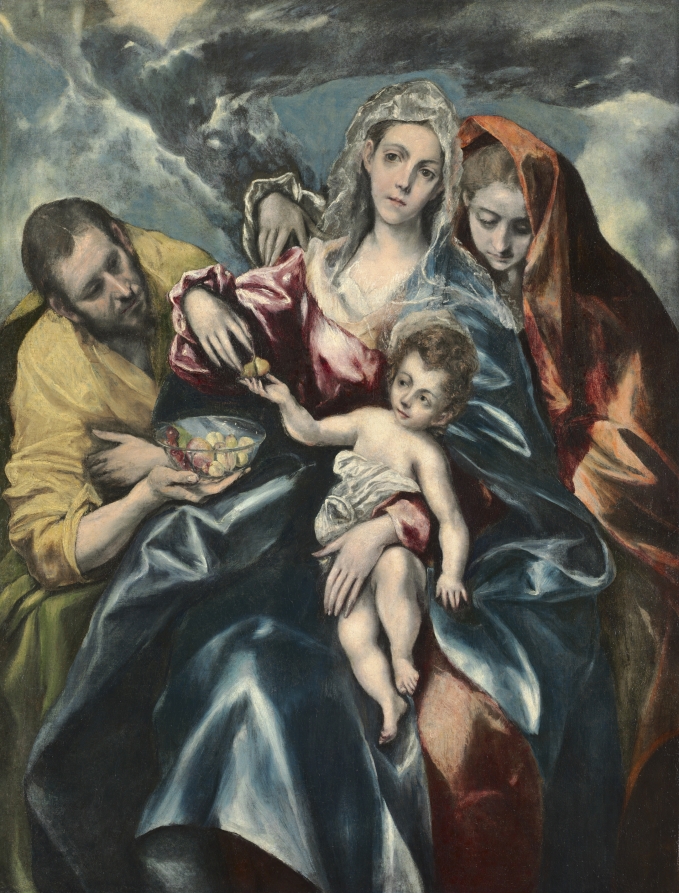
    The Holy Family with Mary Magdalen, El Greco, c. 1590–95

    El Greco

    The Holy Family with Mary Magdalen, c. 1590–95

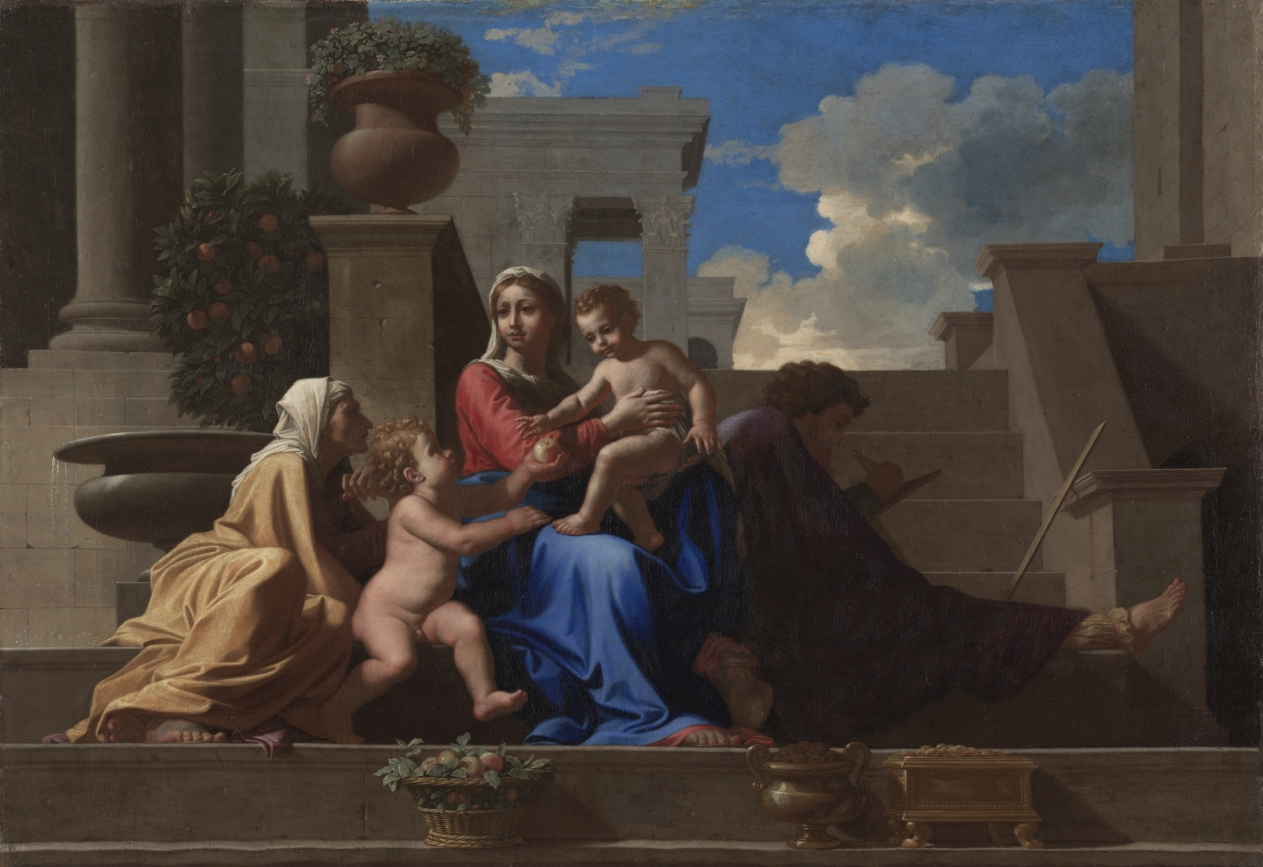
    The Holy Family on the Steps, Nicolas Poussin, 1648

    Nicolas Poussin

    The Holy Family on the Steps, 1648

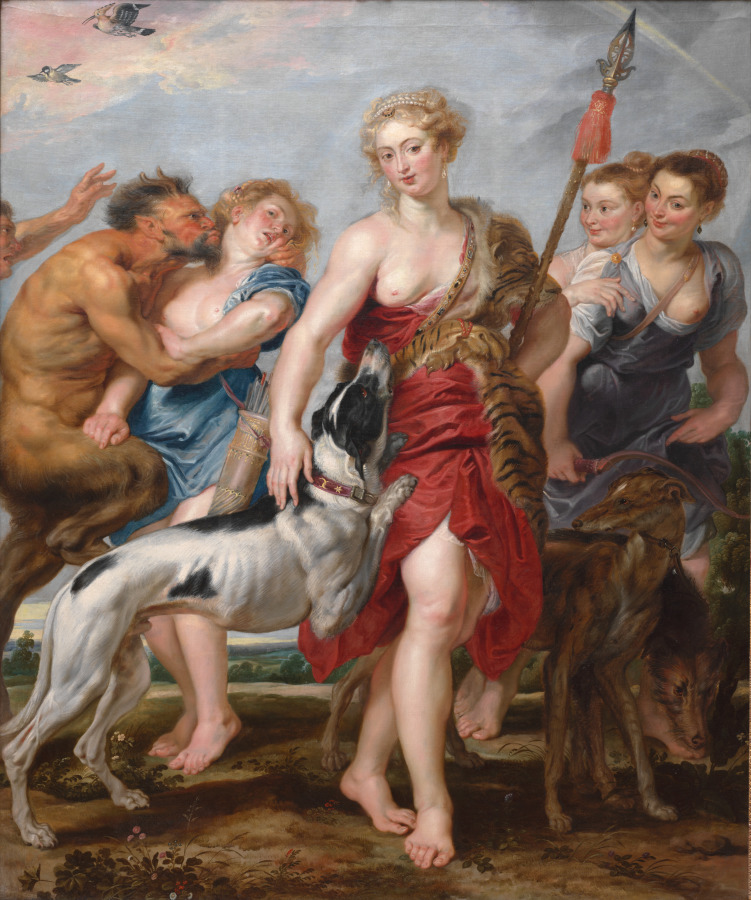
    Diana and Her Nymphs Departing for the Hunt, Peter Paul Rubens, c. 1615

    Peter Paul Rubens

    Diana and Her Nymphs Departing for the Hunt, c. 1615

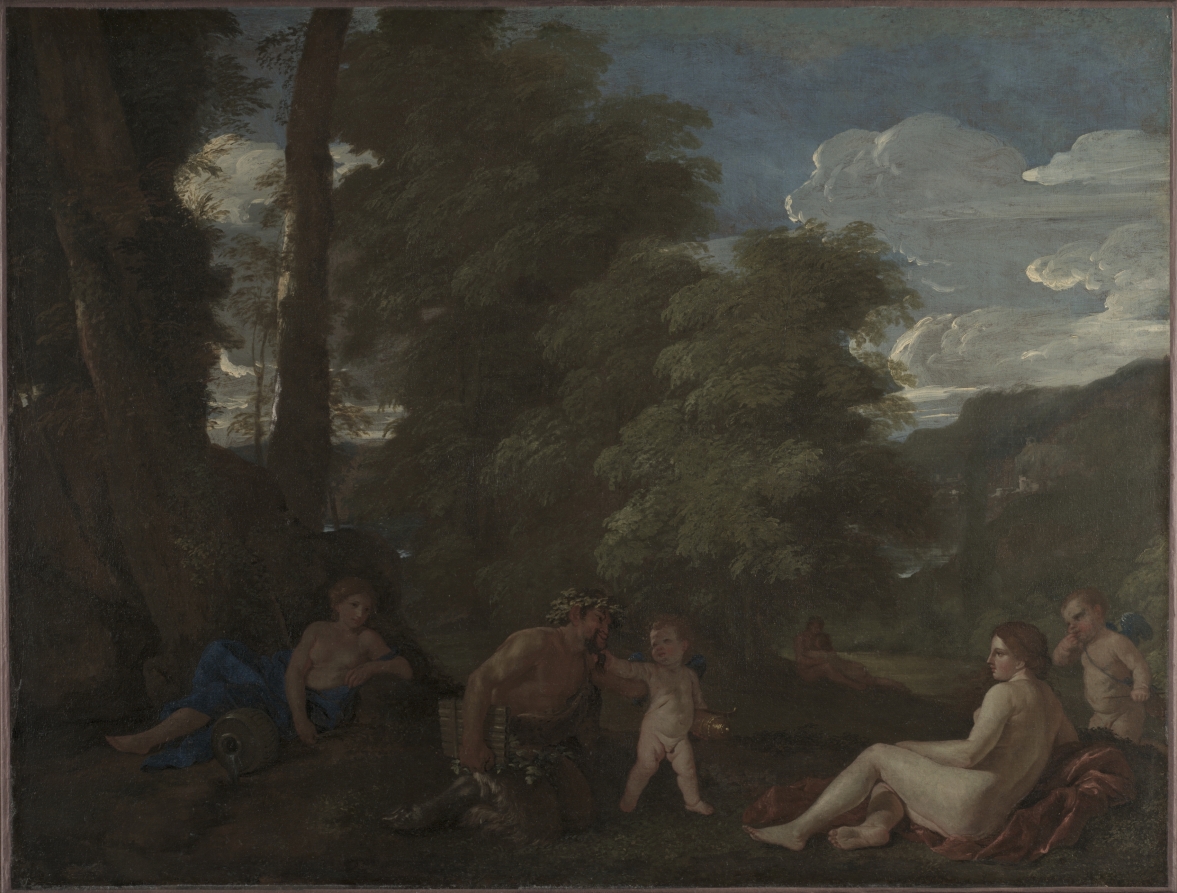
    Nymphs and a Satyr (Amor Vincit Omnia), Nicolas Poussin, c. 1625–27

    Nicolas Poussin

    Nymphs and a Satyr (Amor Vincit Omnia), c. 1625–27

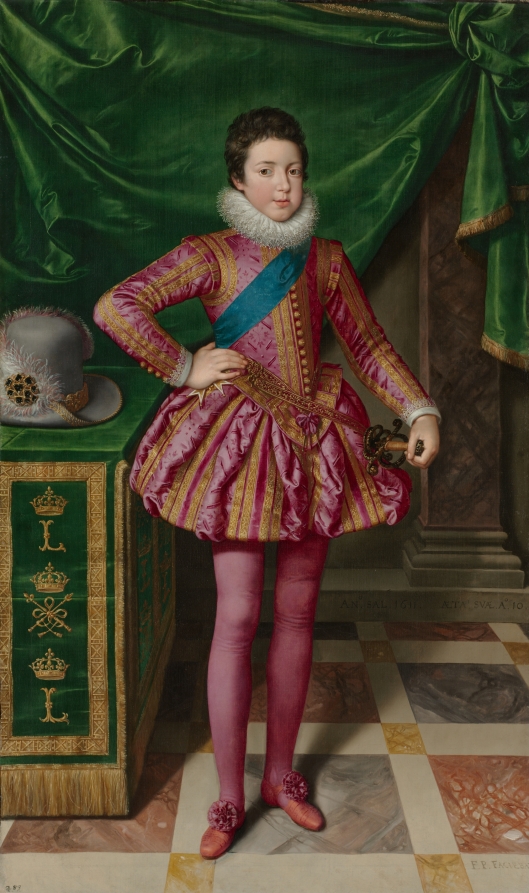
    Portrait of King Louis XIII of France, Frans Pourbus, 1611

    Frans Pourbus

    Portrait of King Louis XIII of France, 1611

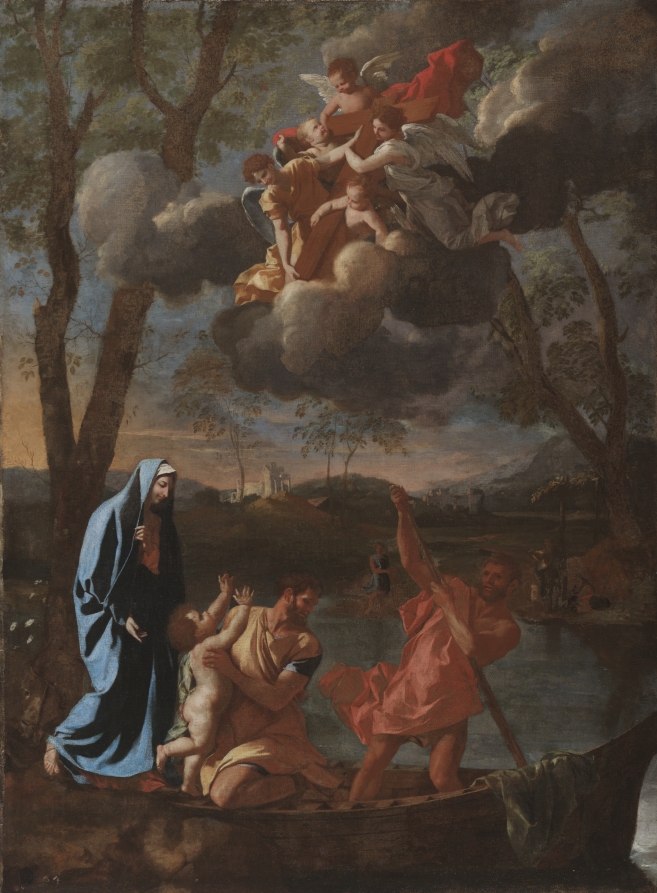
    The Return of the Holy Family to Nazareth, Nicolas Poussin, c. 1627

    Nicolas Poussin

    The Return of the Holy Family to Nazareth, c. 1627

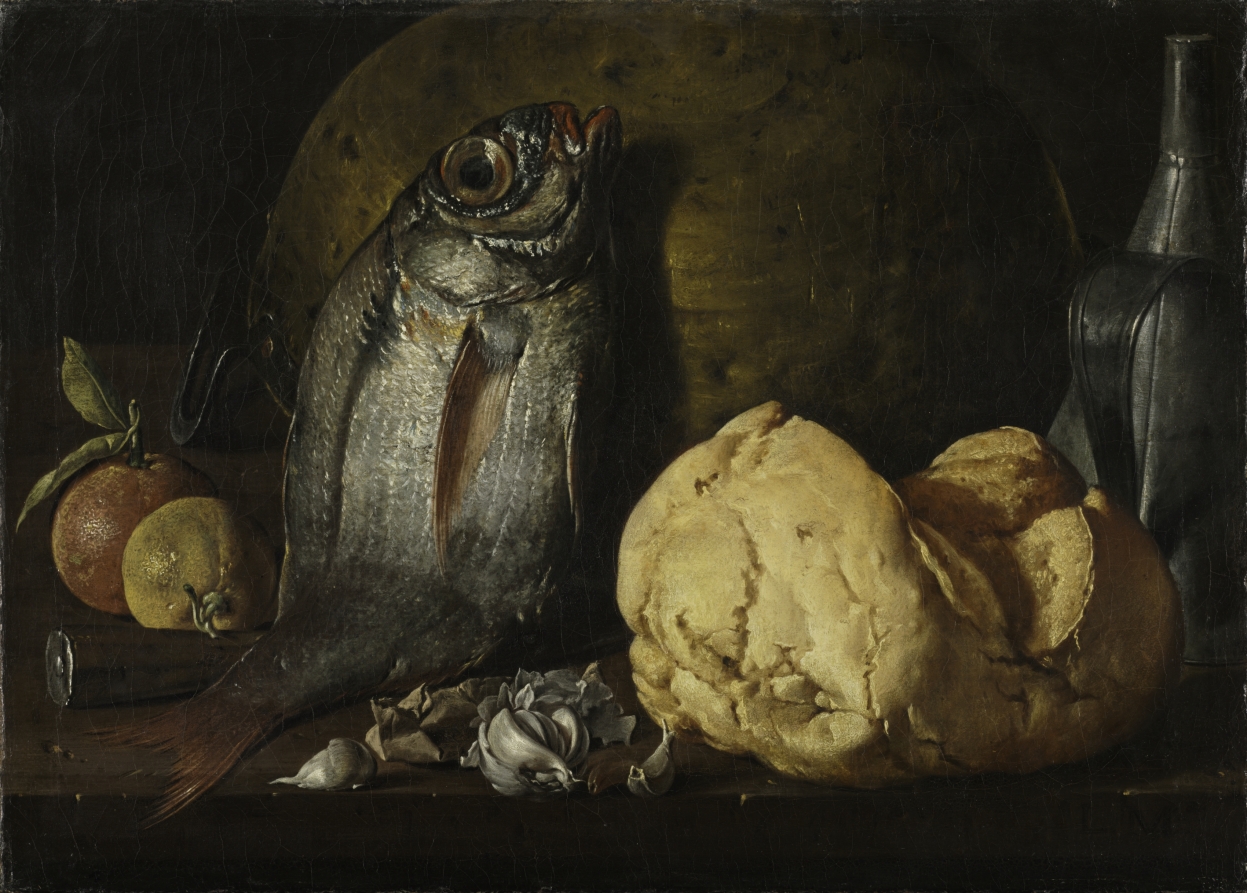
    Still Life with Fish, Bread, and Kettle, Luis Meléndez, c. 1772

    Luis Meléndez

    Still Life with Fish, Bread, and Kettle, c. 1772