ART WIKI32.963 ausgestellt
KarteSammlungKünstlerMuseenAusstellungenJournal
Anmelden

ART WIKI

Wo das Meisterwerk hängt und wann man vorgelassen wird.

Sammlungen: Art Institute of Chicago, Cleveland Museum of Art, Eremitage, Getty Villa, Harvard Art Museums, Hirshhorn Museum and Sculpture Garden, J. Paul Getty Museum, Louvre, Metropolitan Museum of Art, Minneapolis Institute of Art, Museum of Modern Art, National Gallery of Art, National Museum of Asian Art, National Portrait Gallery, Puschkin-Museum, Rijksmuseum Amsterdam, Russisches Museum, Smithsonian American Art Museum, Statens Museum for Kunst, Tretjakow-Galerie, Victoria and Albert Museum, Whitney Museum of American Art, Staatskatalog des Museumsfonds Russlands (274 Museen), Europeana (19 Museen), Wikidata (6 Museen), Paris Musées (12 Museen) und Joconde, die Museumsdatenbank des französischen Kulturministeriums (495 Museen). Die Bilder gehören ihren Rechteinhabern.
Rubriken

  • Karte
  • Suche
  • Sammlung
  • Meisterwerke
  • Jetzt ausgestellt
  • Künstler

Mehr

  • Museen & Galerien
  • Ausstellungen
  • Journal
  • Woher die Daten stammen
  • Datenschutz & Cookies
StartseiteKarteKatalog
  1. Sammlung/
  2. Metropolitan Museum of Art/
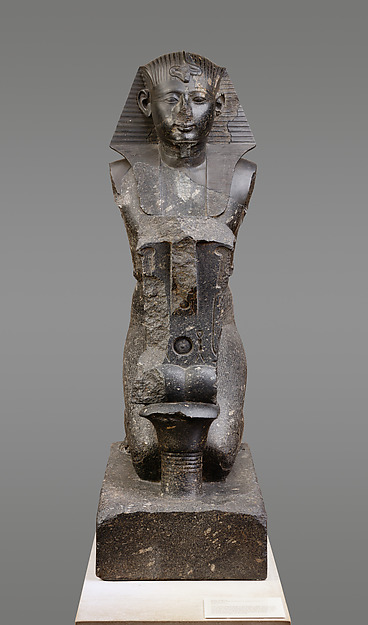
  3. Statue of Seti I
Statue of Seti I, ca. 1299–1290 BCE

Statue of Seti I

ca. 1299–1290 BCE · Statue, kneeling king, Seti I

Angaben

Inventarnummer
22.2.21

Im selben Saal · Gallery 123, Metropolitan Museum of Art

Museumsseite

Zum selben Thema · Kings

Alle Werke zum Thema

Darf man es sehen?

Ja, es empfängt Besucher

Metropolitan Museum of Art

New York City, Vereinigte Staaten

Saal123

Öffentlich ausgestellt. Wer dafür bürgt, steht unten.

Geprüft
vor 3 Tagen
Unverändert seit
27. Sept. 2026
Quelle
Das Museum
Auf der KarteMuseumsseite

Was es zeigt

Kings

Im Katalog

SkulpturMittelalterVor 1400New Kingdom, Ramesside

Quellen

  • Metropolitan Museum of Art
  • Bild: Metropolitan Museum of Art — Open Access (CC0)
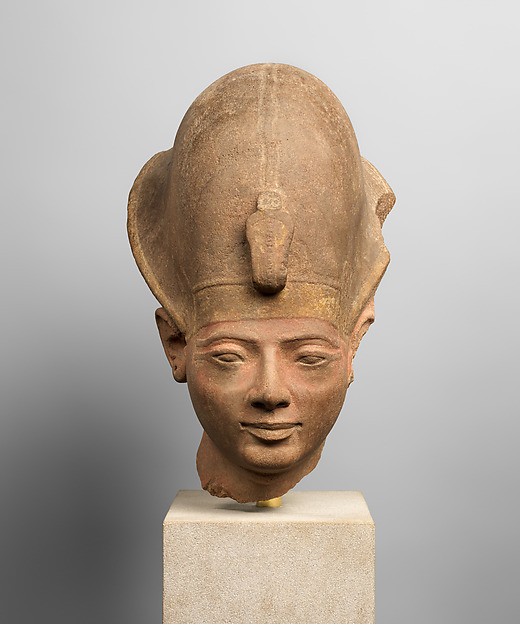
Head of King Seti II Wearing the Blue Crown, ca. 1214–1208 BCE

Head of King Seti II Wearing the Blue Crown, ca. 1214–1208 BCE

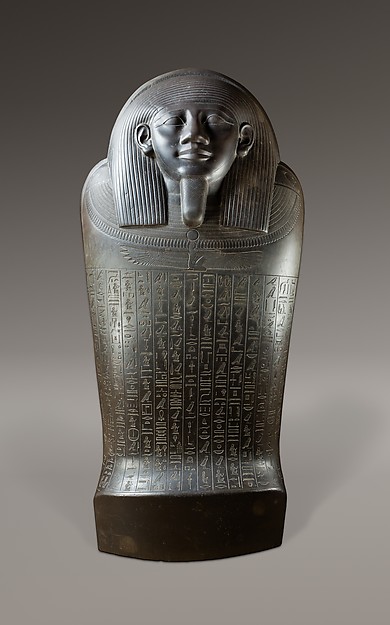
Sarcophagus of Harkhebit, 595–526 BCE

Sarcophagus of Harkhebit, 595–526 BCE

Statue of the God Ptah, ca. 1080–721 BCE

Statue of the God Ptah, ca. 1080–721 BCE

Antelope Head, 525–404 BCE

Antelope Head, 525–404 BCE

Jubilee Relief of Ramesses II, ca. 1290–1224 BCE

Jubilee Relief of Ramesses II, ca. 1290–1224 BCE

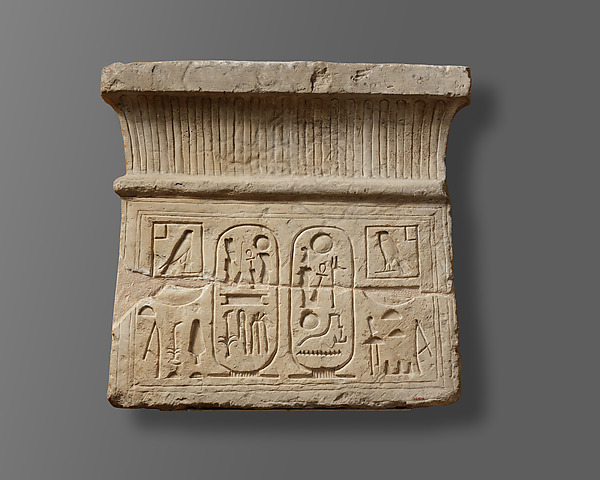
Pylon shaped stela of Ramesses II, ca. 1290–1224 BCE

Pylon shaped stela of Ramesses II, ca. 1290–1224 BCE

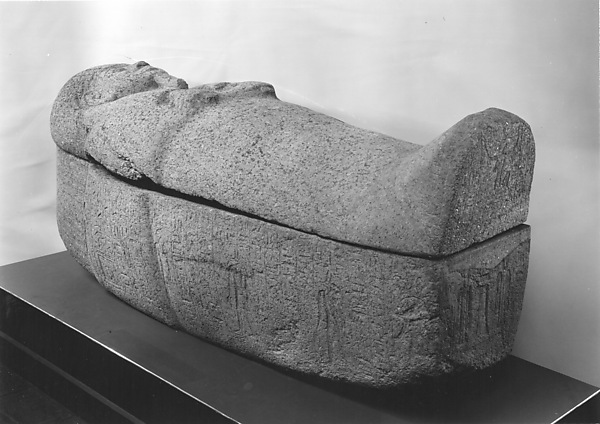
Sarcophagus of Usermontu, ca. 1290–1224 BCE

Sarcophagus of Usermontu, ca. 1290–1224 BCE

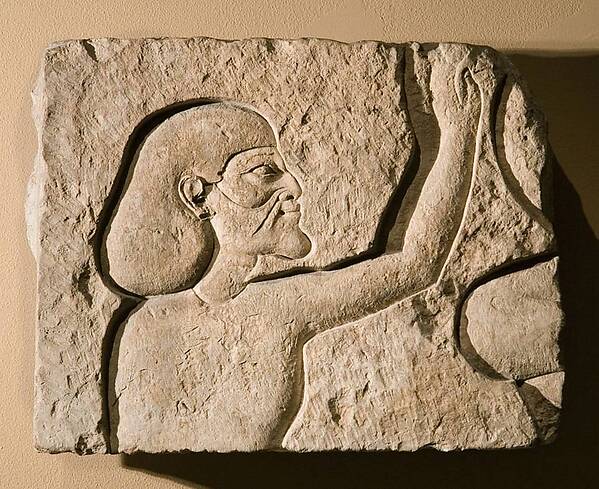
Relief fragment of an Asiatic raising his hands in adoration, ca. 1290–1224 BCE

Relief fragment of an Asiatic raising his hands in adoration, ca. 1290–1224 BCE

The Triumph of Henry IV, Peter Paul Rubens, ca. 1630

Peter Paul Rubens

The Triumph of Henry IV, ca. 1630

Metropolitan Museum of Art

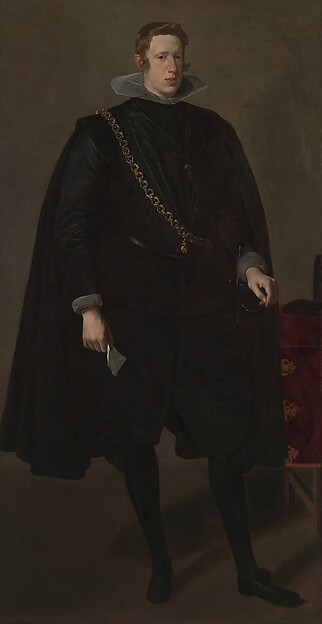
Philip IV (1605–1665), King of Spain, Velázquez, probably 1624

Diego Velázquez

Philip IV (1605–1665), King of Spain, probably 1624

Metropolitan Museum of Art

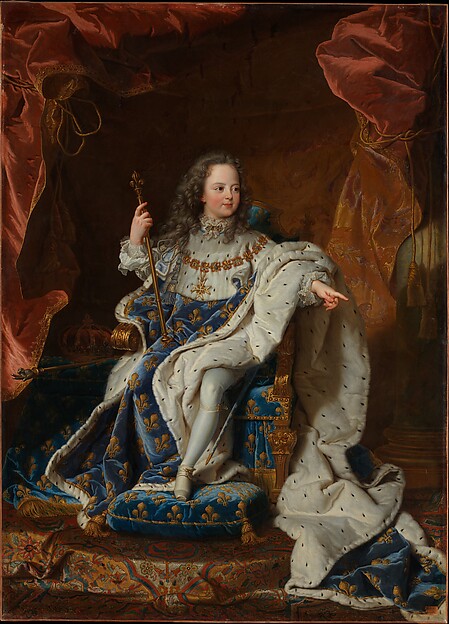
Louis XV (1710–1774) as a Child, Hyacinthe Rigaud, ca. 1716–24

Hyacinthe Rigaud

Louis XV (1710–1774) as a Child, ca. 1716–24

Metropolitan Museum of Art

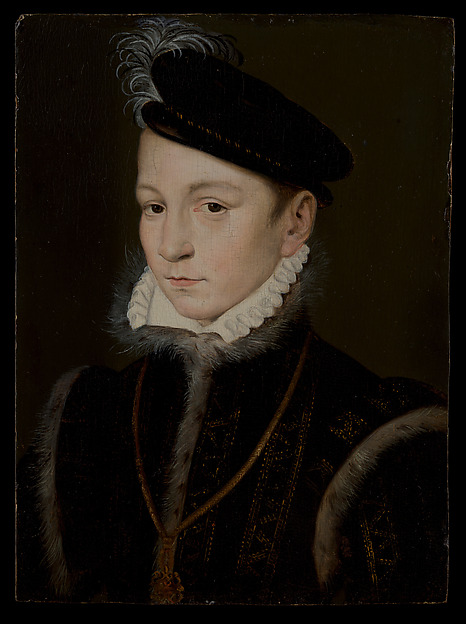
Charles IX (1550–1574), King of France, François Clouet

François Clouet

Charles IX (1550–1574), King of France

Metropolitan Museum of Art

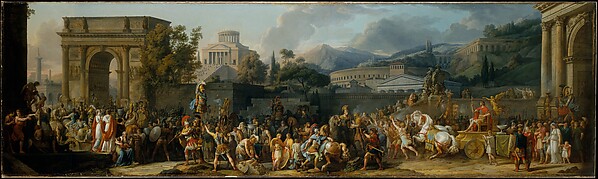
The Triumph of Aemilius Paulus, Carle (Antoine Charles Horace) Vernet, 1789

Carle Vernet

The Triumph of Aemilius Paulus, 1789

Metropolitan Museum of Art

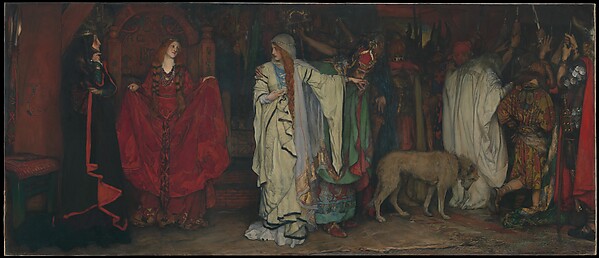
"King Lear," Act I, Scene I, Edwin Austin Abbey, 1898

Edwin Austin Abbey

"King Lear," Act I, Scene I, 1898

Metropolitan Museum of Art

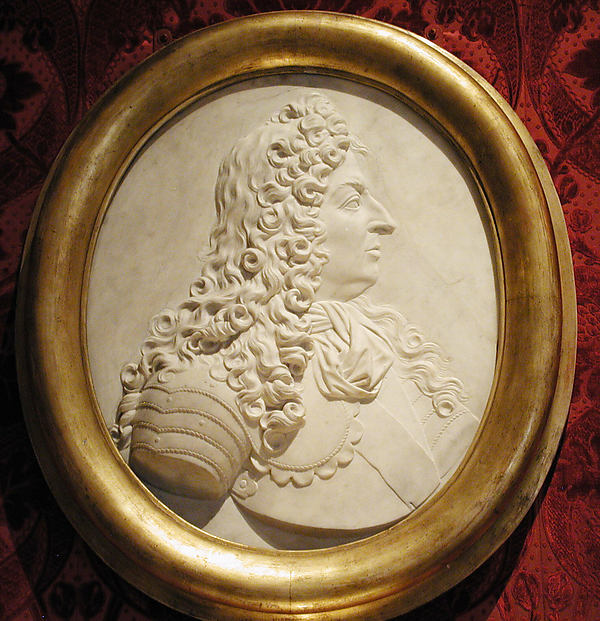
Portrait relief of Louis XIV (1638–1715), François Girardon, late 17th century

François Girardon

Portrait relief of Louis XIV (1638–1715), late 17th century

Metropolitan Museum of Art

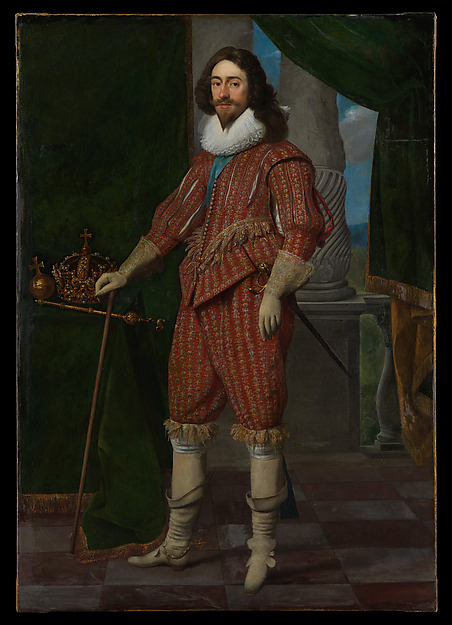
Charles I (1600–1649), King of England, Daniël Mijtens, 1629

Daniël Mijtens

Charles I (1600–1649), King of England, 1629

Metropolitan Museum of Art