ART WIKI32.979 ausgestellt
KarteSammlungKünstlerMuseenAusstellungenJournal
Anmelden

ART WIKI

Wo das Meisterwerk hängt und wann man vorgelassen wird.

Sammlungen: Art Institute of Chicago, Cleveland Museum of Art, Eremitage, Getty Villa, Harvard Art Museums, Hirshhorn Museum and Sculpture Garden, J. Paul Getty Museum, Louvre, Metropolitan Museum of Art, Minneapolis Institute of Art, Museum of Modern Art, National Gallery of Art, National Museum of Asian Art, National Portrait Gallery, Puschkin-Museum, Rijksmuseum Amsterdam, Russisches Museum, Smithsonian American Art Museum, Statens Museum for Kunst, Tretjakow-Galerie, Victoria and Albert Museum, Whitney Museum of American Art, Staatskatalog des Museumsfonds Russlands (274 Museen), Europeana (19 Museen), Wikidata (6 Museen), Paris Musées (12 Museen) und Joconde, die Museumsdatenbank des französischen Kulturministeriums (495 Museen). Die Bilder gehören ihren Rechteinhabern.

Rubriken

  • Karte
  • Suche
  • Sammlung
  • Meisterwerke
  • Jetzt ausgestellt
  • Künstler

Mehr

  • Museen & Galerien
  • Ausstellungen
  • Journal
  • Woher die Daten stammen
  • Datenschutz & Cookies
StartseiteKarteKatalog
  1. Sammlung/
  2. Cleveland Museum of Art/
  3. Statue of Gudea
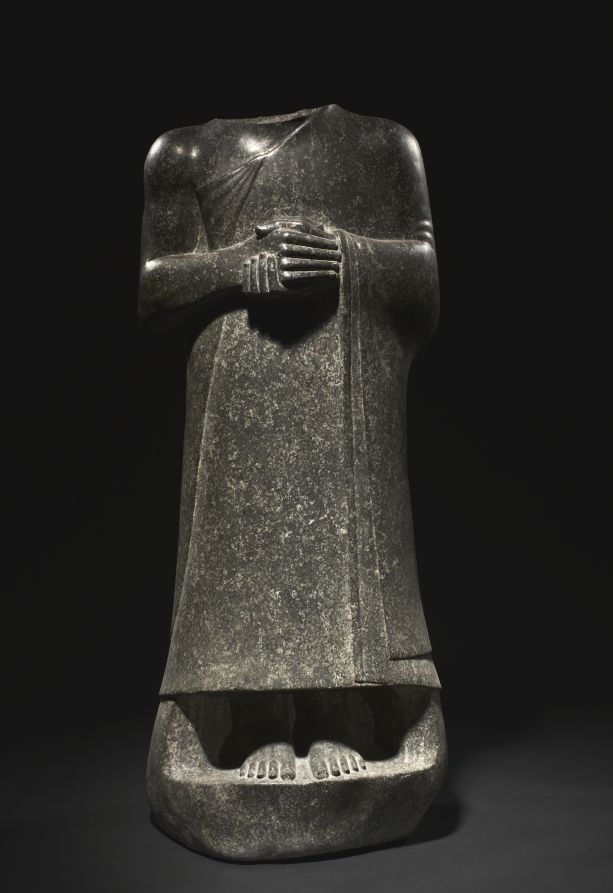
Statue of Gudea, c. 2144–2124 BCE

Statue of Gudea

c. 2144–2124 BCE · Sculpture

Darf man es sehen?

Ja, es empfängt Besucher

Cleveland Museum of Art

Cleveland, Vereinigte Staaten

Saal100 1916 Lobby

Öffentlich ausgestellt. Wer dafür bürgt, steht unten.

Geprüft
vor 3 Tagen
Unverändert seit
19. Aug. 2026
Quelle
Das Museum
Auf der KarteMuseumsseite

Über die Skulptur

This headless figure’s clasped hands create a distinctive gesture that recurs frequently on more than 30 recorded statues of the Mesopotamian ruler Gudea. Between c. 2144–2124 BCE, Gudea ruled as ensi (governor) of the city-state of Lagash, located in modern-day Iraq. Scholars have identified more than 2,400 inscriptions that describe his reign, which included patronage of the arts and an extensive building program. Statues like this one would have been placed in temples as stand-ins for Gudea himself, demonstrating his devotion and piety.

Cleveland Museum of Art

Angaben

Inventarnummer
1963.154

Im selben Saal · 100 1916 Lobby, Cleveland Museum of Art

Museumsseite

Im Katalog

SkulpturVor 1400Mesopotamia, Neo-Sumerian, Iraq, Girsu

Quellen

  • Cleveland Museum of Art
  • Bild: Cleveland Museum of Art — Museum open access
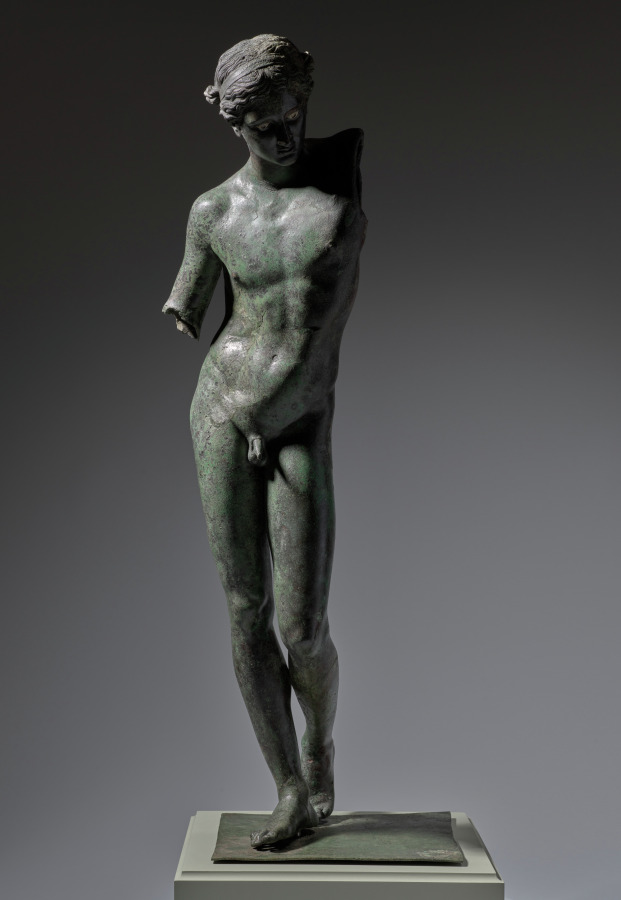
The Cleveland Apollo: Apollo Sauroktonos (Lizard-Slayer) or Apollo the Python-Slayer, Praxiteles, c. 350–200 BCE

Praxiteles

The Cleveland Apollo: Apollo Sauroktonos (Lizard-Slayer) or Apollo the Python-Slayer, c. 350–200 BCE

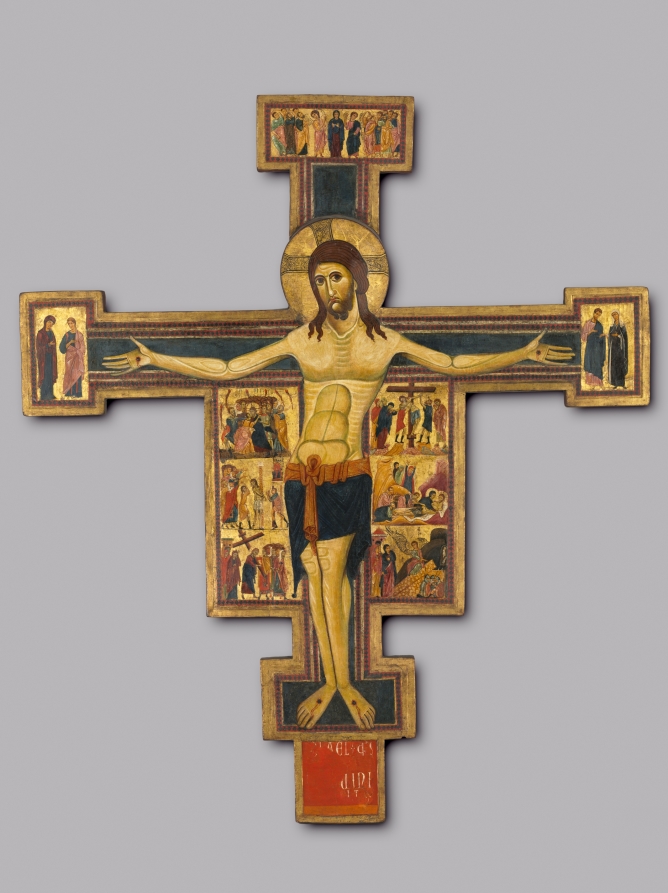
Crucifix with Scenes of the Passion, c. 1230–40

Crucifix with Scenes of the Passion, c. 1230–40

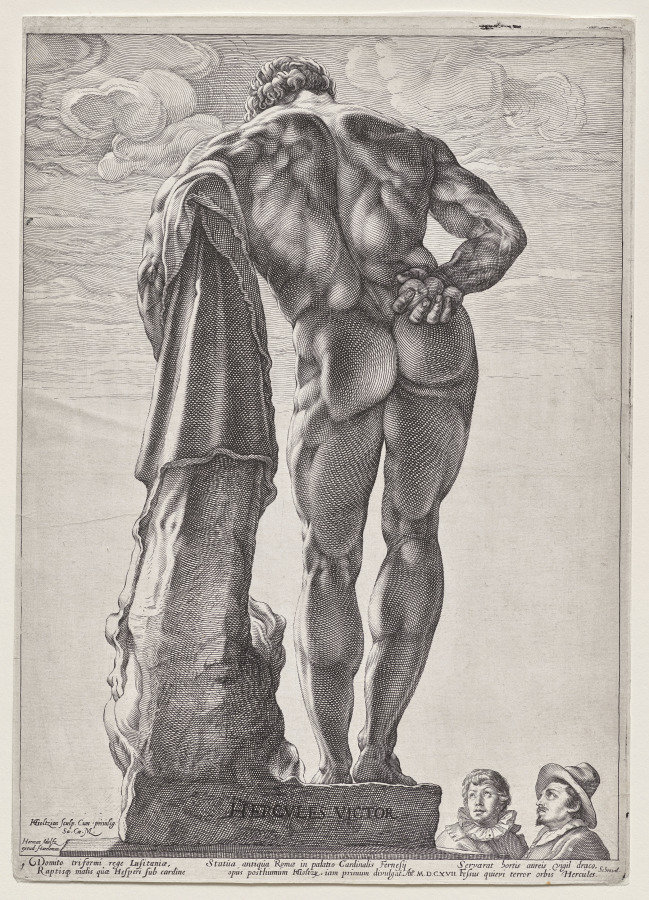
The Farnesian Hercules, Hendrick Goltzius, 1592

Hendrick Goltzius

The Farnesian Hercules, 1592

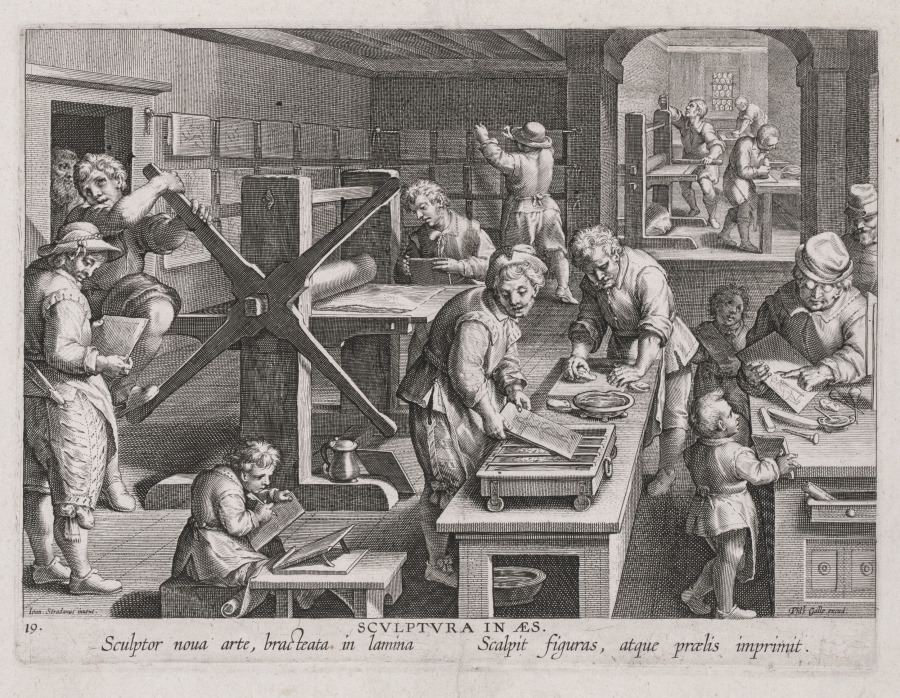
Sculptura in Aes, The Workshop of an Engraver, Jan van der Straet, called Johannes Stradanus, c. 1591

Jan van der Straet, called Johannes Stradanus

Sculptura in Aes, The Workshop of an Engraver, c. 1591

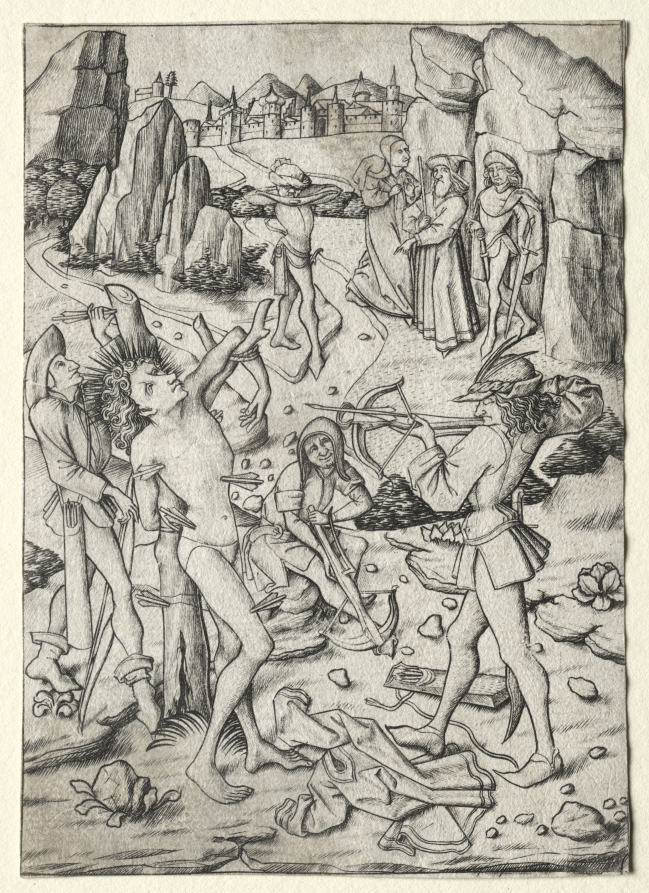
The Martyrdom of St. Sebastian, Master ES, 1450–67

Master ES

The Martyrdom of St. Sebastian, 1450–67

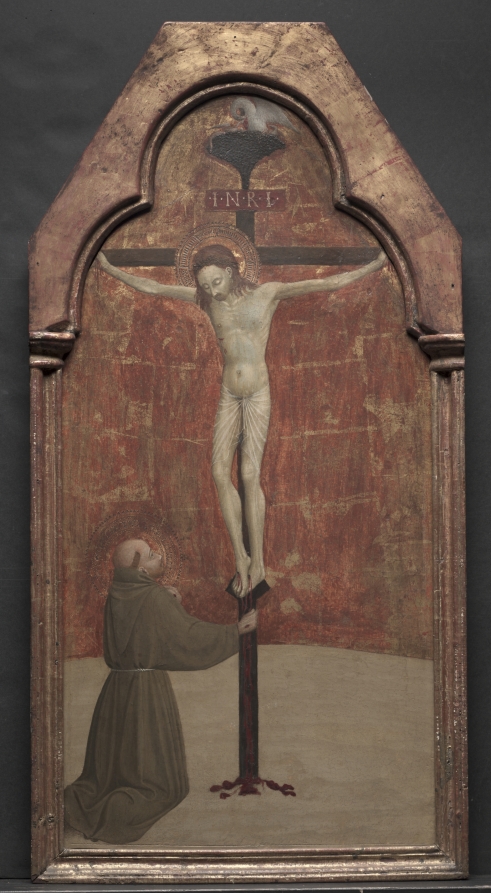
St. Francis Kneeling before Christ on the Cross, Sassetta, 1437–1444

Sassetta

St. Francis Kneeling before Christ on the Cross, 1437–1444

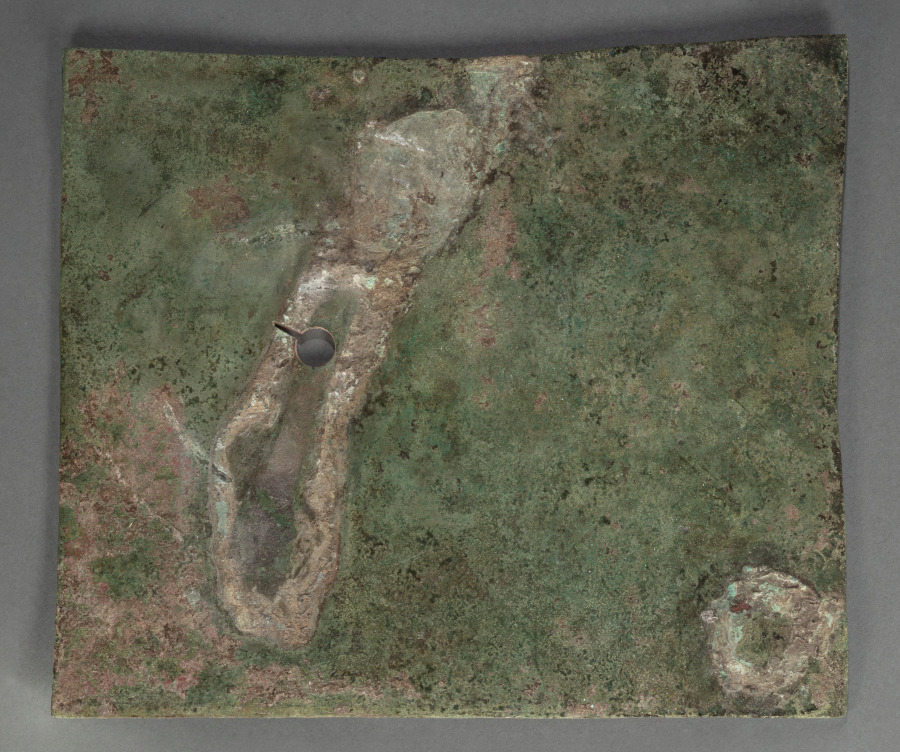
Baseplate for the Cleveland Apollo: Apollo Sauroktonos (Lizard-Slayer) or Apollo the Python-Slayer, Praxiteles, c. 350–200 BCE, or possibly later

Praxiteles

Baseplate for the Cleveland Apollo: Apollo Sauroktonos (Lizard-Slayer) or Apollo the Python-Slayer, c. 350–200 BCE, or possibly later