ART WIKI32.979 ausgestellt
KarteSammlungKünstlerMuseenAusstellungenJournal
Anmelden

ART WIKI

Wo das Meisterwerk hängt und wann man vorgelassen wird.

Sammlungen: Art Institute of Chicago, Cleveland Museum of Art, Eremitage, Getty Villa, Harvard Art Museums, Hirshhorn Museum and Sculpture Garden, J. Paul Getty Museum, Louvre, Metropolitan Museum of Art, Minneapolis Institute of Art, Museum of Modern Art, National Gallery of Art, National Museum of Asian Art, National Portrait Gallery, Puschkin-Museum, Rijksmuseum Amsterdam, Russisches Museum, Smithsonian American Art Museum, Statens Museum for Kunst, Tretjakow-Galerie, Victoria and Albert Museum, Whitney Museum of American Art, Staatskatalog des Museumsfonds Russlands (274 Museen), Europeana (19 Museen), Wikidata (6 Museen), Paris Musées (12 Museen) und Joconde, die Museumsdatenbank des französischen Kulturministeriums (495 Museen). Die Bilder gehören ihren Rechteinhabern.
Rubriken

  • Karte
  • Suche
  • Sammlung
  • Meisterwerke
  • Jetzt ausgestellt
  • Künstler

Mehr

  • Museen & Galerien
  • Ausstellungen
  • Journal
  • Woher die Daten stammen
  • Datenschutz & Cookies
StartseiteKarteKatalog
  1. Sammlung/
  2. Metropolitan Museum of Art/
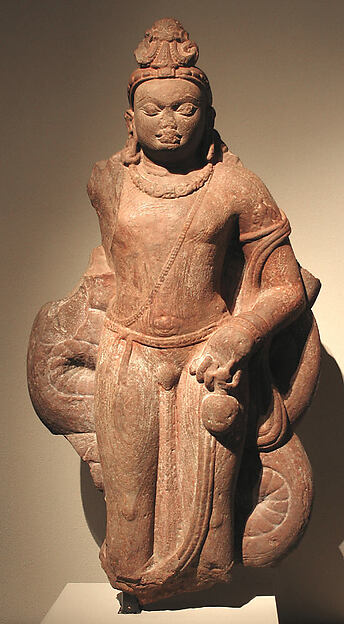
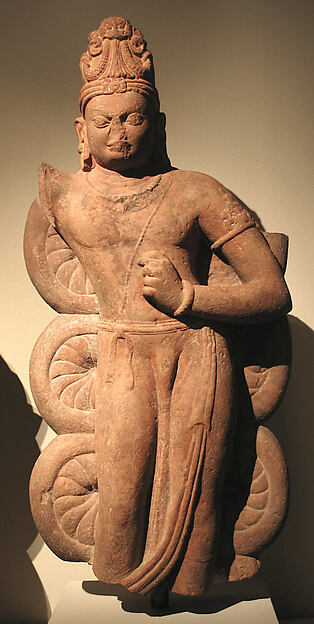
  3. Standing Balarama or Nagaraja (Serpent King)
Standing Balarama or Nagaraja (Serpent King), ca. mid-5th century

Standing Balarama or Nagaraja (Serpent King)

ca. mid-5th century · Sculpture

Angaben

Inventarnummer
1991.83.2

Im selben Saal · Gallery 236, Metropolitan Museum of Art

Museumsseite

Zum selben Thema · Gupta

Alle Werke zum Thema

Darf man es sehen?

Ja, es empfängt Besucher

Metropolitan Museum of Art

New York City, Vereinigte Staaten

Saal236

Öffentlich ausgestellt. Wer dafür bürgt, steht unten.

Geprüft
vor 3 Tagen
Unverändert seit
26. Sept. 2026
Quelle
Das Museum
Auf der KarteMuseumsseite

Was es zeigt

GuptaHinduism

Im Katalog

SkulpturSteinVor 1400India (Uttar Pradesh or Madhya Pradesh)

Quellen

  • Metropolitan Museum of Art
  • Bild: Metropolitan Museum of Art — Open Access (CC0)
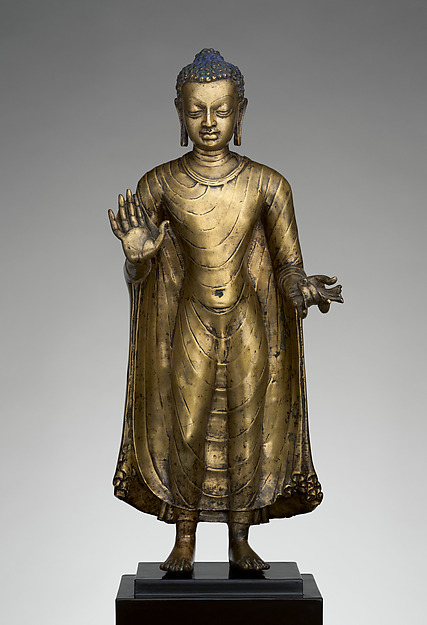
Buddha Offering Protection, late 6th–early 7th century

Buddha Offering Protection, late 6th–early 7th century

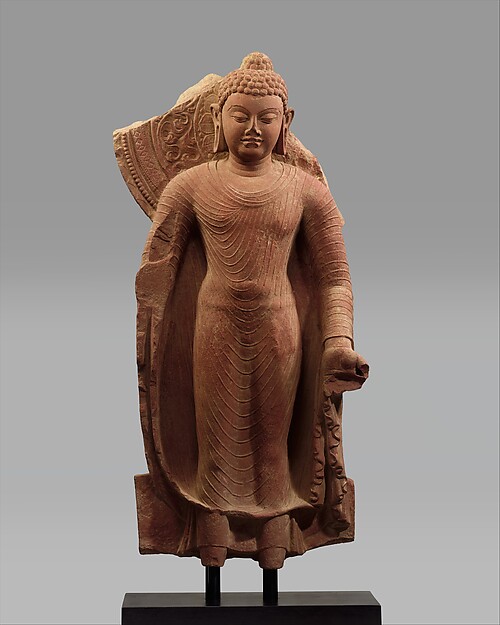
Standing Buddha Offering Protection, late 5th century

Standing Buddha Offering Protection, late 5th century

Seated Buddha, late 6th–first half of the 7th century

Seated Buddha, late 6th–first half of the 7th century

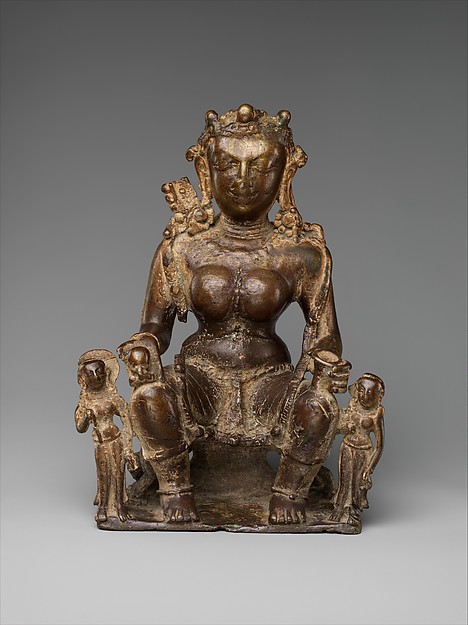
Lakshmi, Goddess of Prosperity, 7th century

Lakshmi, Goddess of Prosperity, 7th century

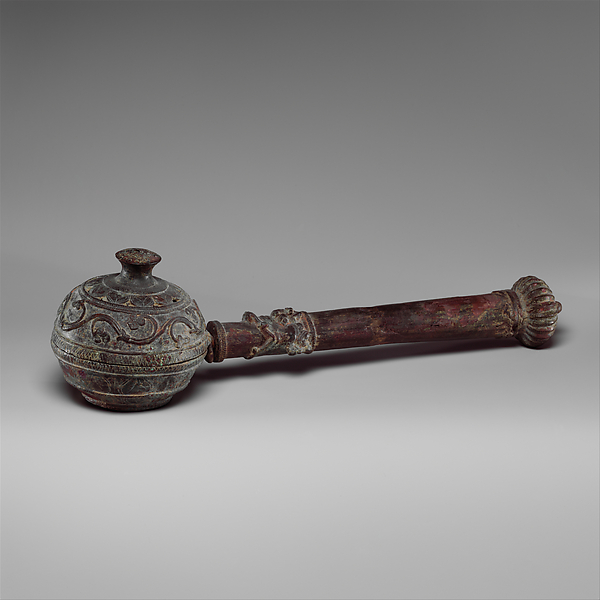
Ritual Incense Burner, ca. 6th century

Ritual Incense Burner, ca. 6th century

Lotus-Headed Fertility Goddess Lajja Gauri, ca. 6th century

Lotus-Headed Fertility Goddess Lajja Gauri, ca. 6th century

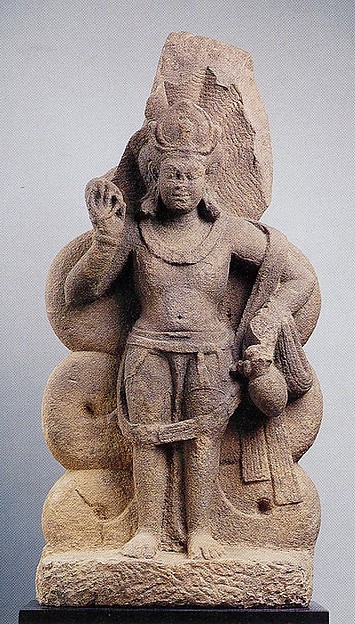
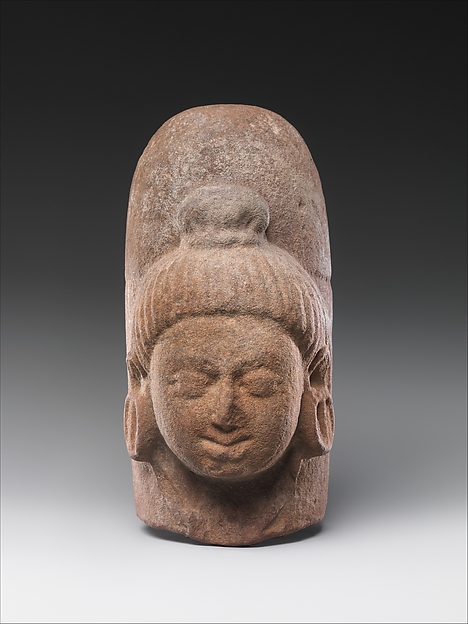
Standing Nagaraja (Serpent King), ca. mid- 5th century

Standing Nagaraja (Serpent King), ca. mid- 5th century

Nagaraja (Serpent King), ca. second quarter of the 5th century

Nagaraja (Serpent King), ca. second quarter of the 5th century

Standing Buddha Offering Protection, late 5th century

Standing Buddha Offering Protection, late 5th century

Metropolitan Museum of Art

Standing Nagaraja (Serpent King), ca. mid- 5th century

Standing Nagaraja (Serpent King), ca. mid- 5th century

Metropolitan Museum of Art

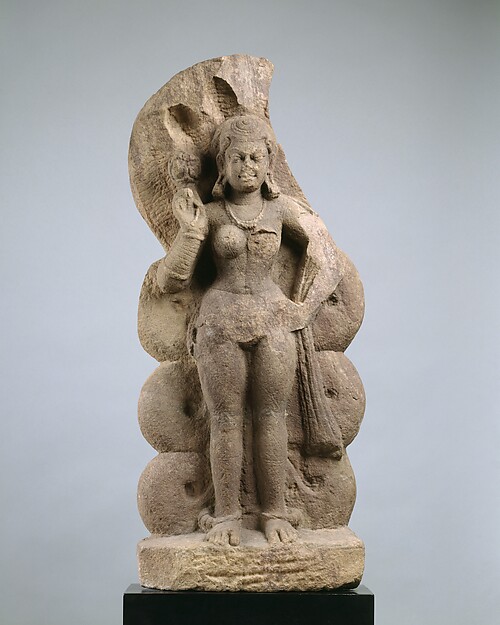
Nagini (Serpent Queen or Consort of Nagaraja), second quarter of the 5th century

Nagini (Serpent Queen or Consort of Nagaraja), second quarter of the 5th century

Metropolitan Museum of Art

Bust of Vishnu, 5th–6th century

Bust of Vishnu, 5th–6th century

Metropolitan Museum of Art

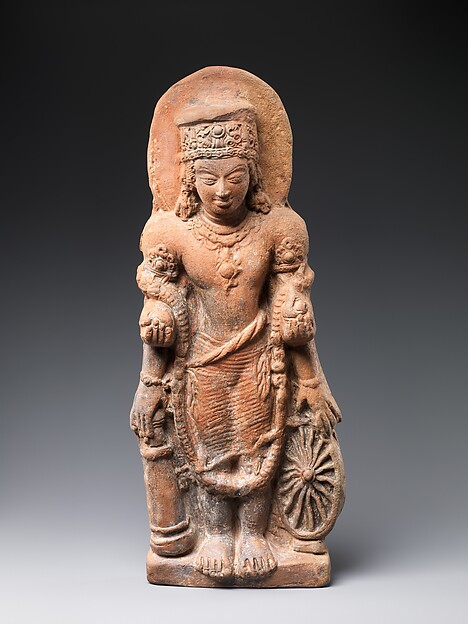
Standing Four-Armed Vishnu, 5th century

Standing Four-Armed Vishnu, 5th century

Metropolitan Museum of Art

Seated Ascetic, Deified King, Agni (The God of Fire), ca. 3rd century

Seated Ascetic, Deified King, Agni (The God of Fire), ca. 3rd century

Metropolitan Museum of Art

Linga with Face of Shiva (Ekamukhalinga), first half of the 5th century

Linga with Face of Shiva (Ekamukhalinga), first half of the 5th century

Metropolitan Museum of Art

Nagaraja (Serpent King), ca. second quarter of the 5th century

Nagaraja (Serpent King), ca. second quarter of the 5th century

Metropolitan Museum of Art