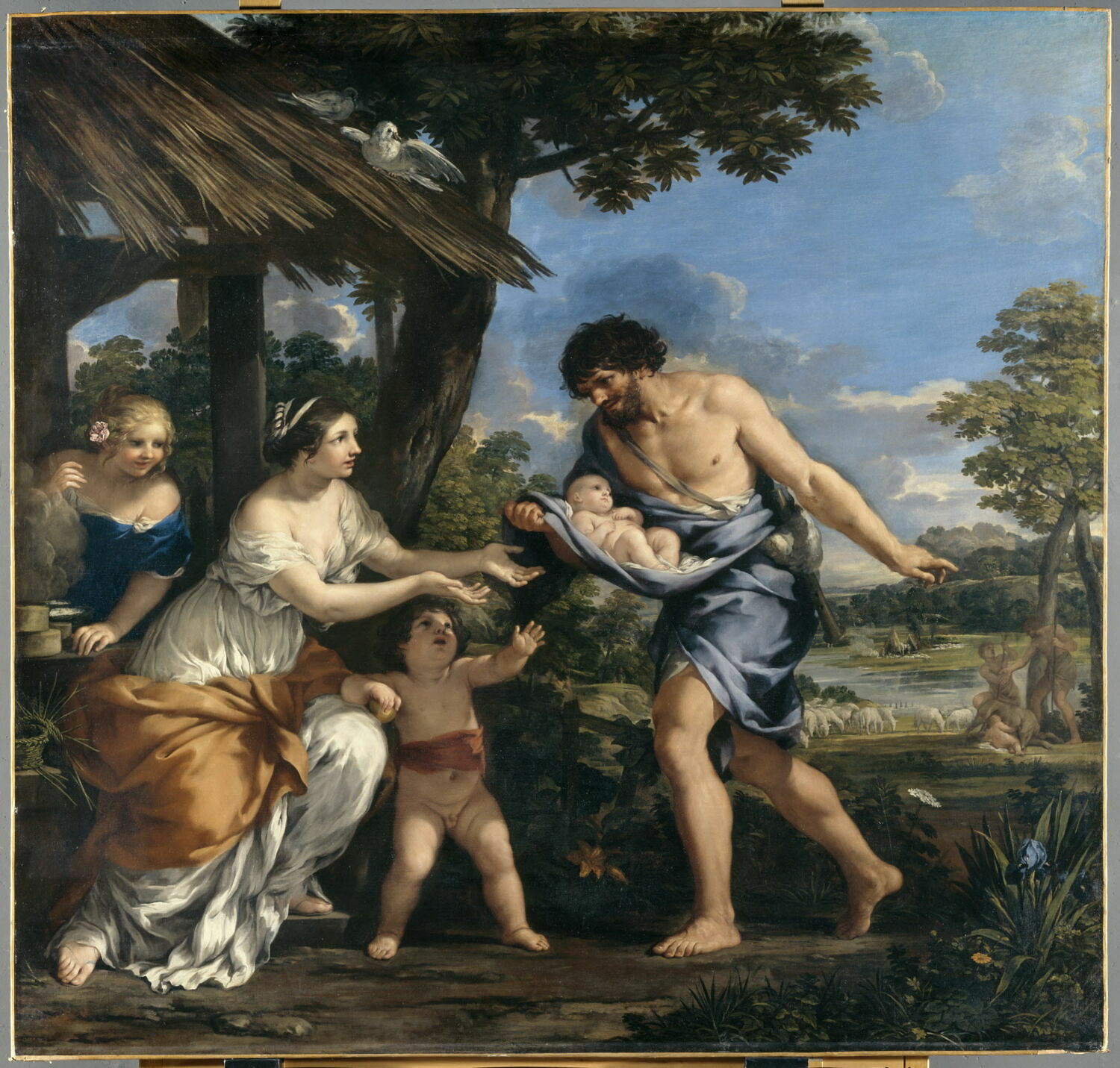
Pietro da CortonaItalien, 1596–1669
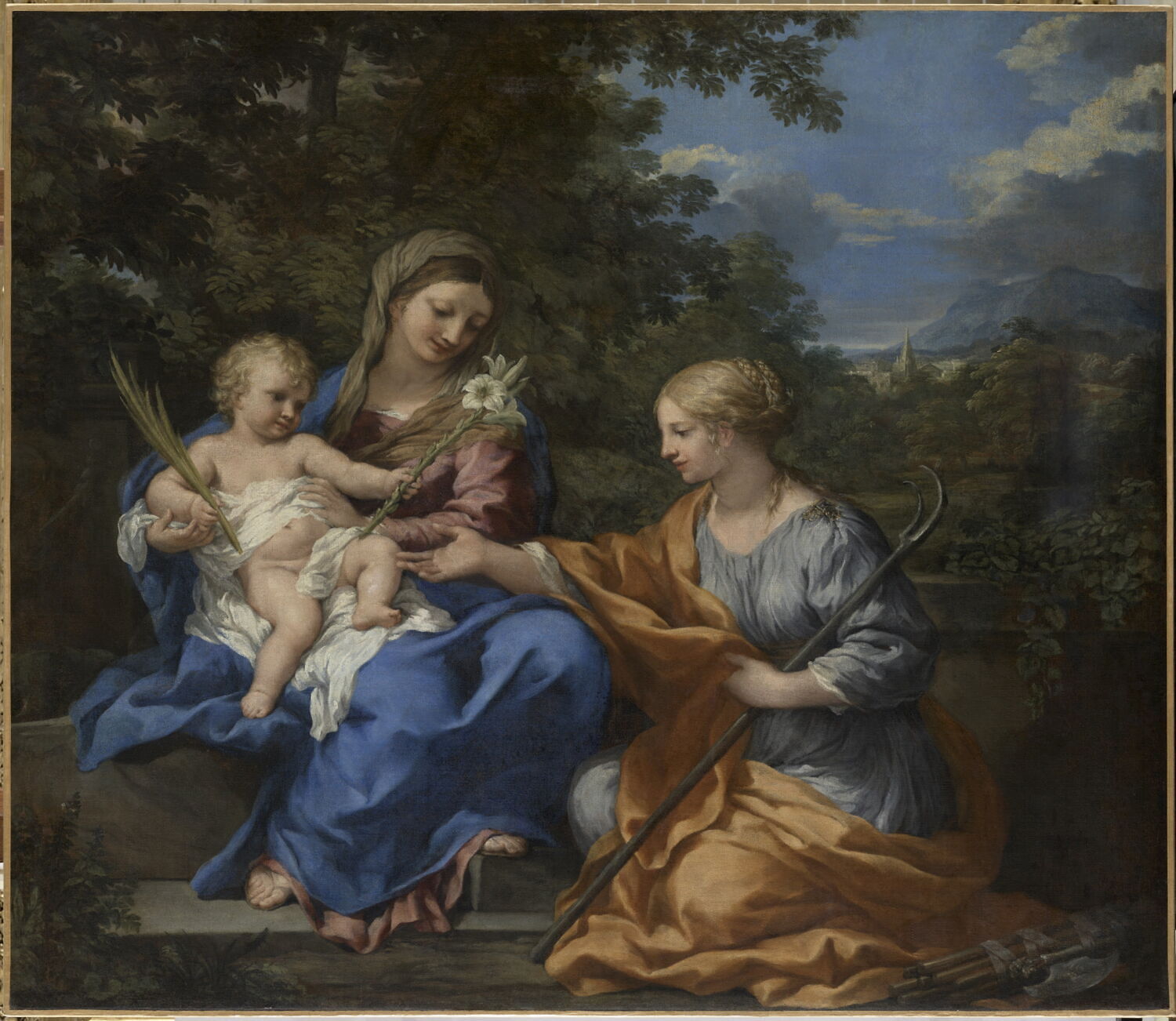
St Mary Magdalen
Kann ich es sehen?
Derzeit nicht ausgestellt
Wo ist „St Mary Magdalen“ heute? Sammlung: Schwedisches Nationalmuseum, Stockholm. Derzeit nicht ausgestellt. Geprüft 9. Oktober 2026.

Stockholm, Schweden
Es gehört zur Sammlung, ist derzeit aber nicht ausgestellt.
- Geprüft
- Unverändert seit
- Quelle
- Website des Museums
Angaben
Im Katalog
Ausstellungen
Derzeit nicht ausgestellt
Schwedisches Nationalmuseum · 9. Okt. 2026 — jetzt · Geprüft
Ob es ausgestellt war, ist unbekannt
Schwedisches Nationalmuseum · 27. Sept. 2026 — 9. Okt. 2026 · Unbestätigt
Quellen
- Schwedisches Nationalmuseum
- Bild: Schwedisches Nationalmuseum — Public Domain Mark 1.0
Im Leben von Pietro da Cortona
Das ganze Lebenc. 1612
A mason's son goes to Rome with his teacher
In the Berrettini family the mason's trade passed from generation to generation, but Pietro began to study painting with the Florentine Andrea Commodi (in Florence, by some accounts) and at about fourteen went with him to Rome, in the years of Paul V, when the Curia was especially favourable to Tuscan artists. Some accounts give 1611–1612, others around 1612–1613.
early 1620s
Meets Marcello Sacchetti
His acquaintance with the Marchese Marcello Sacchetti, later papal treasurer, proved decisive for his early career: it was his copy of Raphael's “Galatea” that caught Sacchetti's eye. For Sacchetti Pietro painted “The Sacrifice of Polyxena” and “The Triumph of Bacchus” (now in the Capitoline Museums), and through him he met the poet Giambattista Marino.
c. 1626
Meets Pope Urban VIII
In the Sacchetti circle Pietro met Pope Urban VIII Barberini and his nephew Cardinal Francesco Barberini. The pope recognised his talent before others and became his chief patron; the Barberini tapestry works wove the series “The History of Alexander the Great” and “From the Life of Pope Urban VIII” after Cortona's designs.
8 January 1634
Elected head of the Academy of Saint Luke
Cortona was elected president of the Roman Academy of Saint Luke (he led it until 1638). By then he had a large workshop where pupils finished the details of big canvases; among them were Francesco Romanelli, Giovanni Maria Bottalla, Ciro Ferri and Guglielmo Cortese, known as il Borgognone.
1652
A “Treatise on Painting and Sculpture” in code
In Florence appeared the treatise “On Painting and Sculpture: Their Use and Abuse”, written with the Jesuit Giovanni Domenico Ottonelli; the authors' names were hidden in the anagram “Britio Prenetteri”. Cortona set out his ideas on the artist's method and the role of preparatory drawings, and the book was soon called “the Manifesto of the Baroque”.
16. Mai 1669
Died