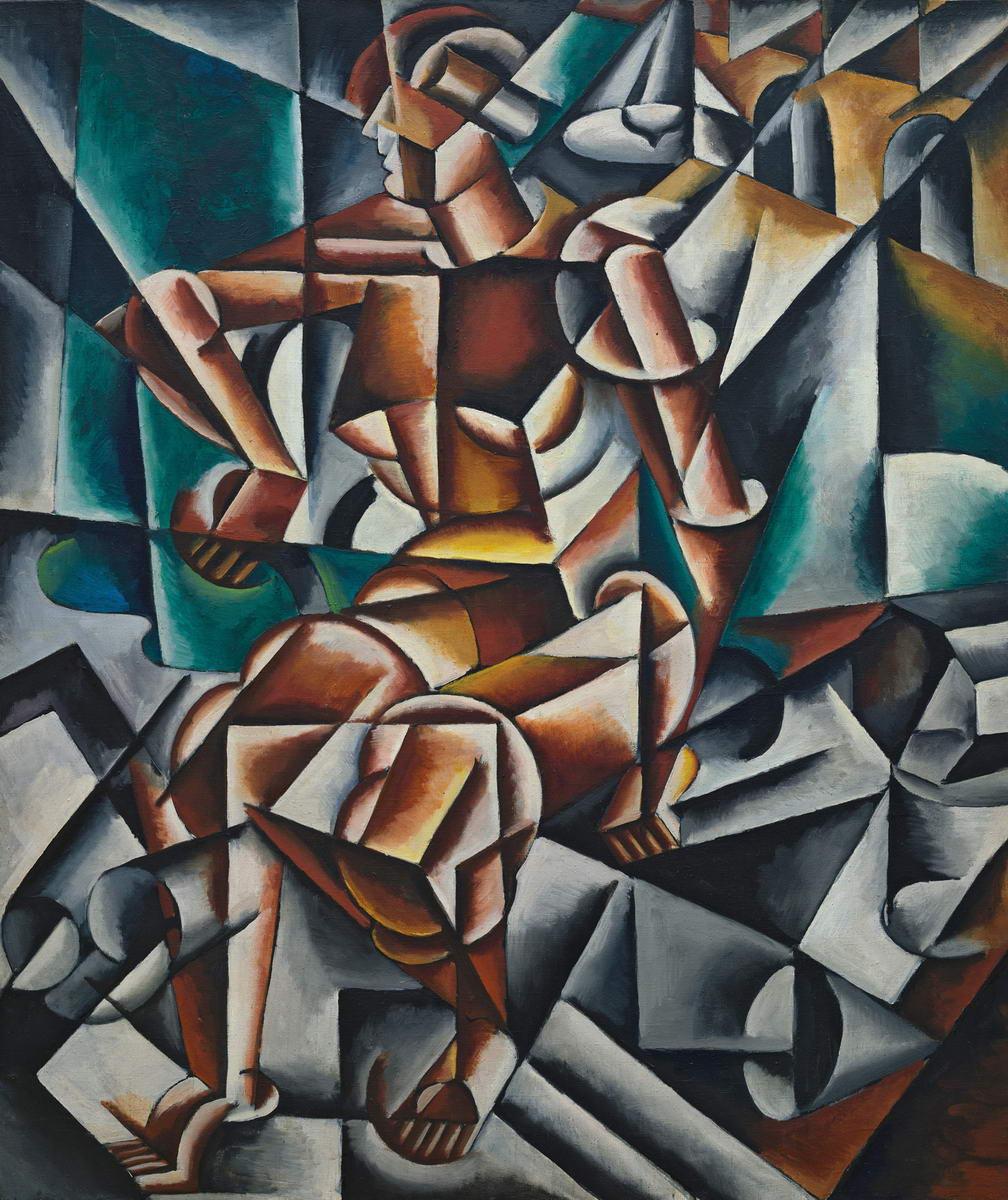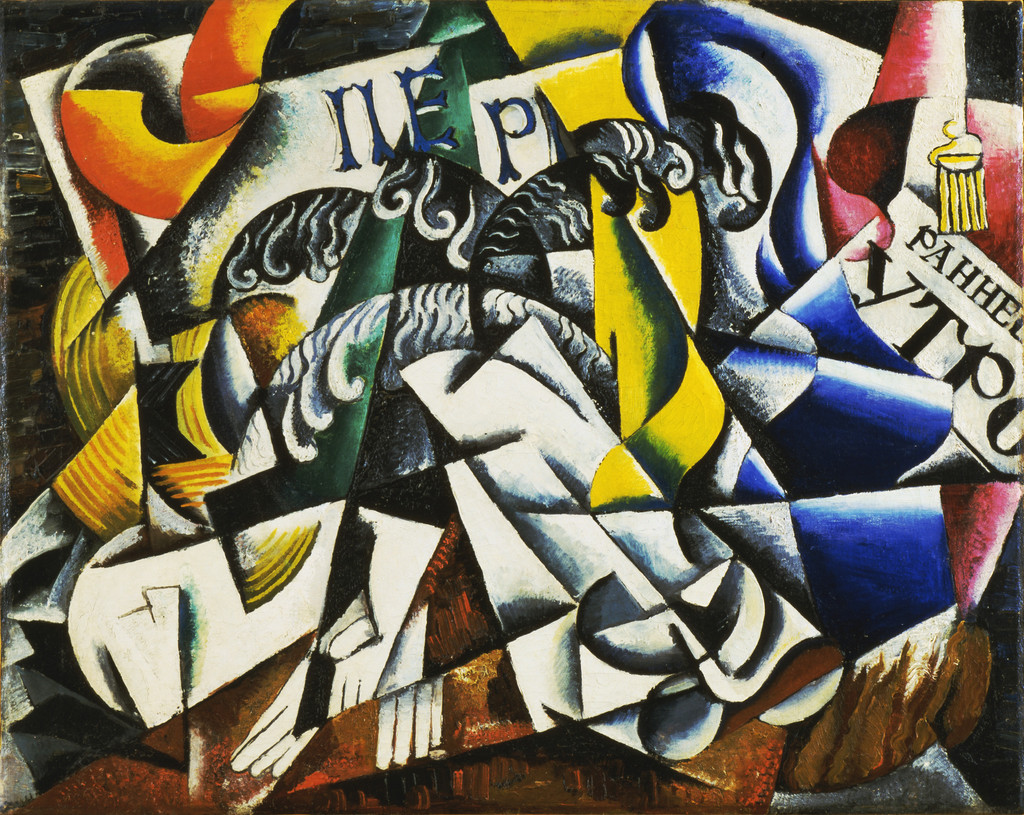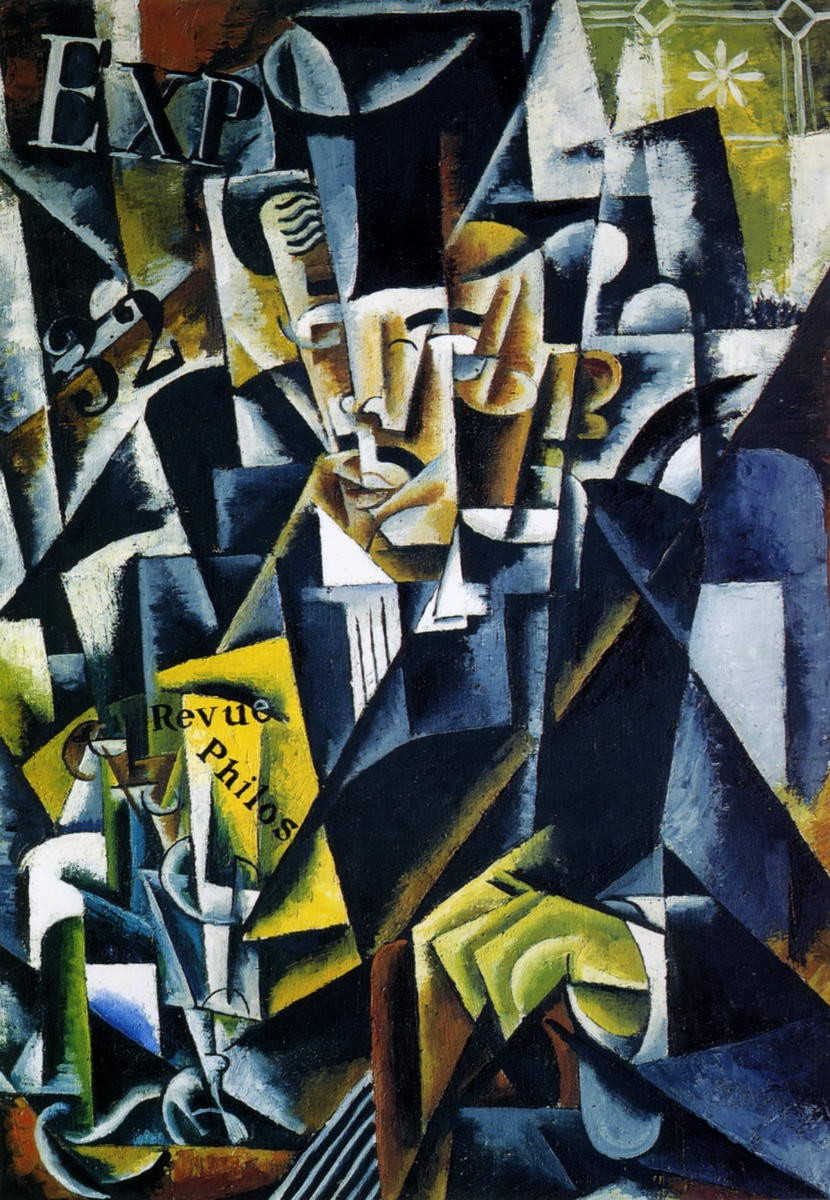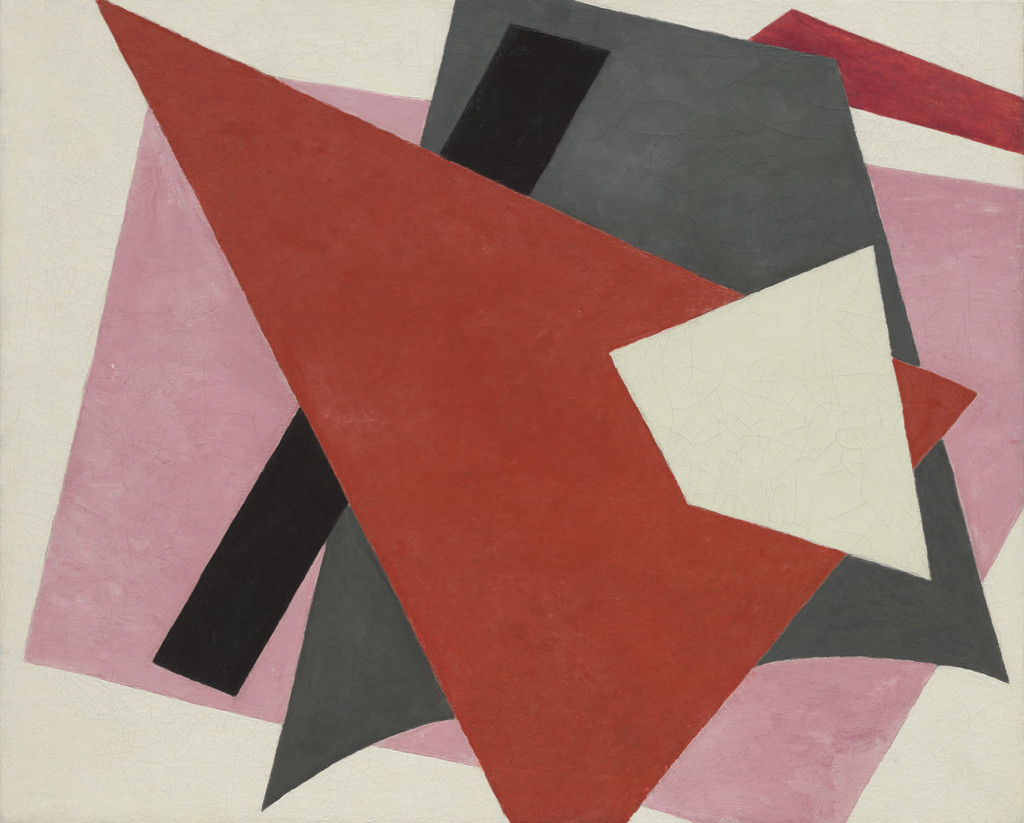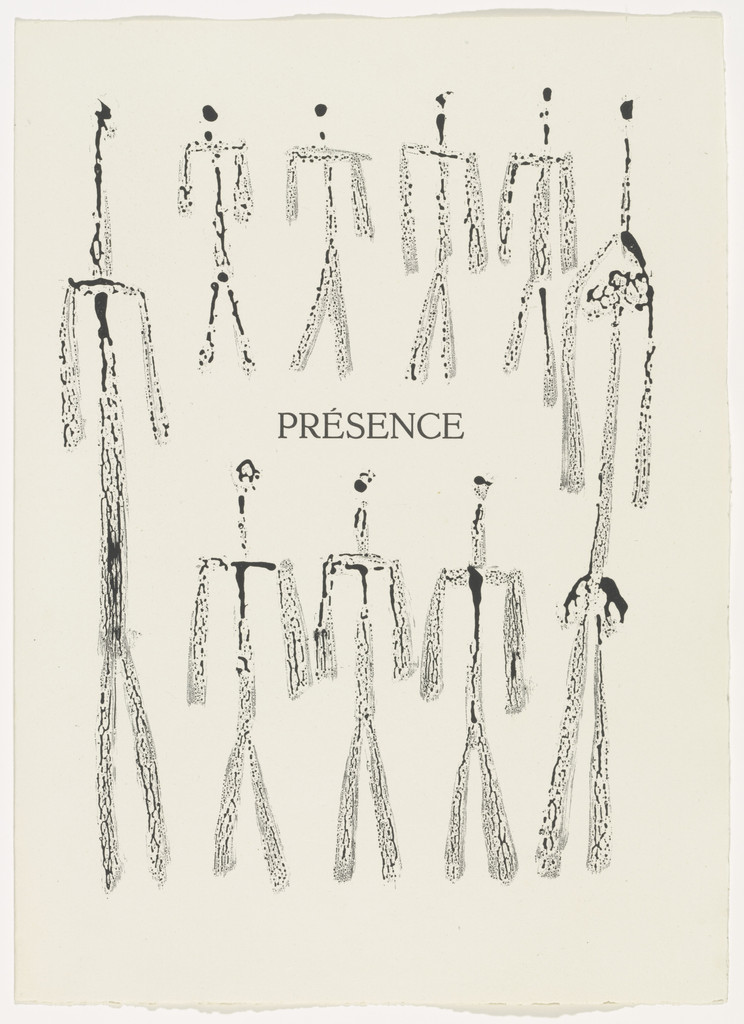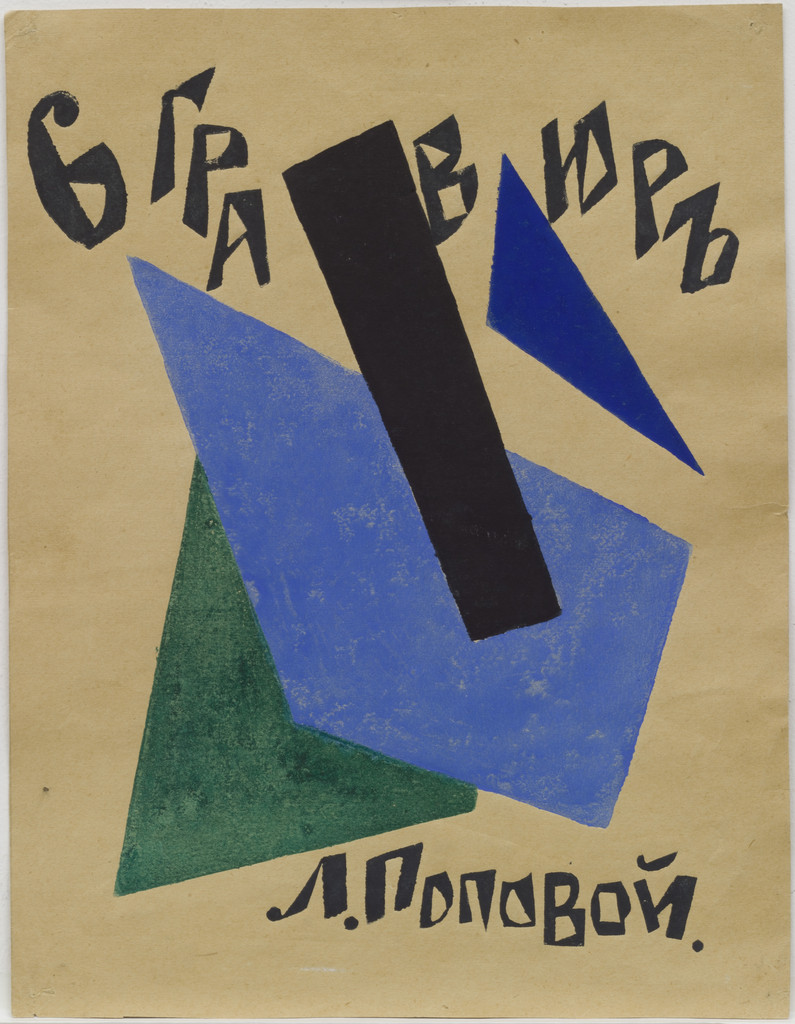
 Liubov PopovaRussland, 1889–1924
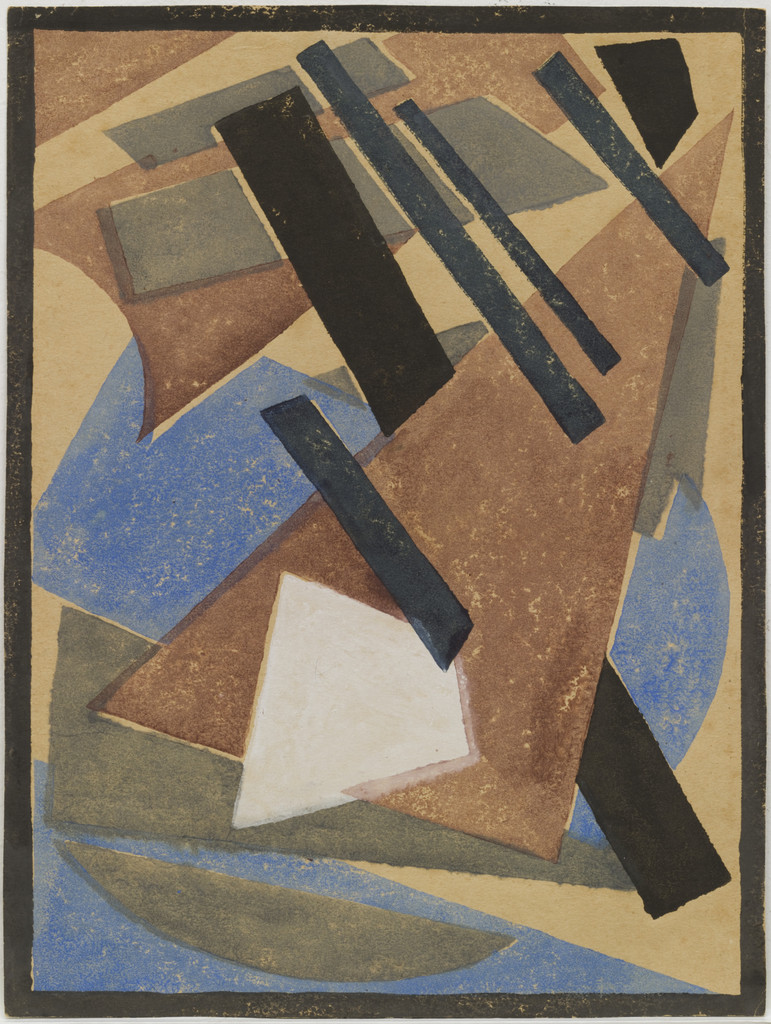
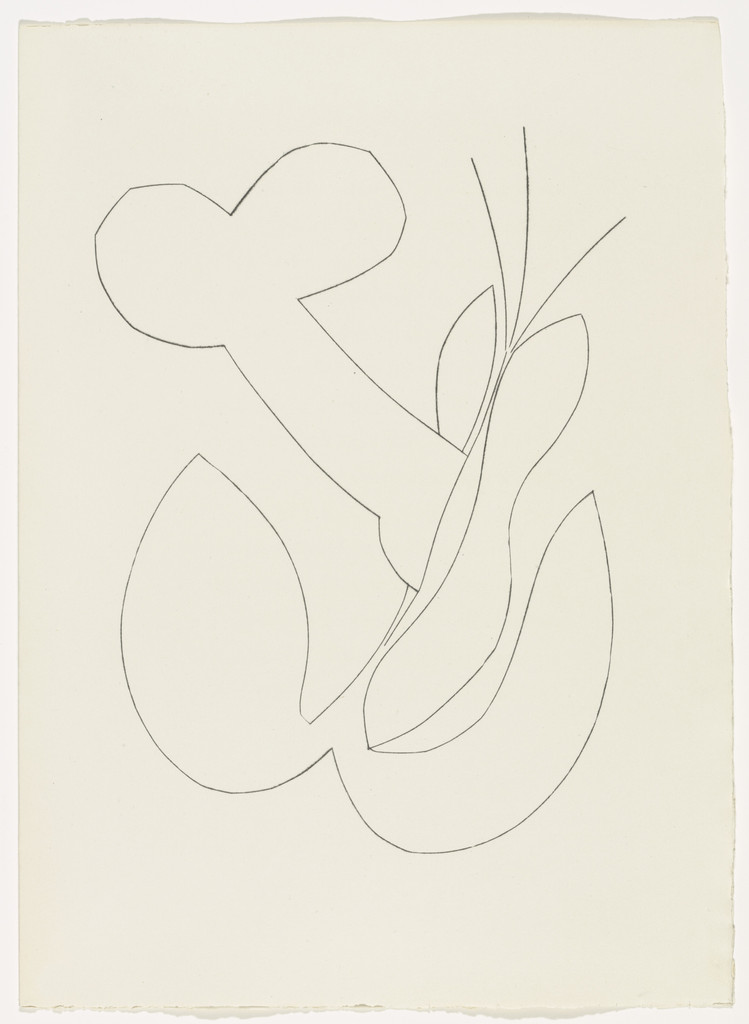
Six Prints
Darf man es sehen?
Empfängt derzeit nicht

New York City, Vereinigte Staaten
Es gehört zur Sammlung, ist derzeit aber nicht ausgestellt.
- Geprüft
- Quelle
- Das Museum
Angaben
- Inventarnummer
- 128.2007.1-7
Im Katalog
Quellen
- Museum of Modern Art
- Bild: Museum of Modern Art — © the artist or rights holder
Derweil im Leben von Liubov Popova
Das ganze Leben1914–1916
Takes part in the avant-garde exhibitions
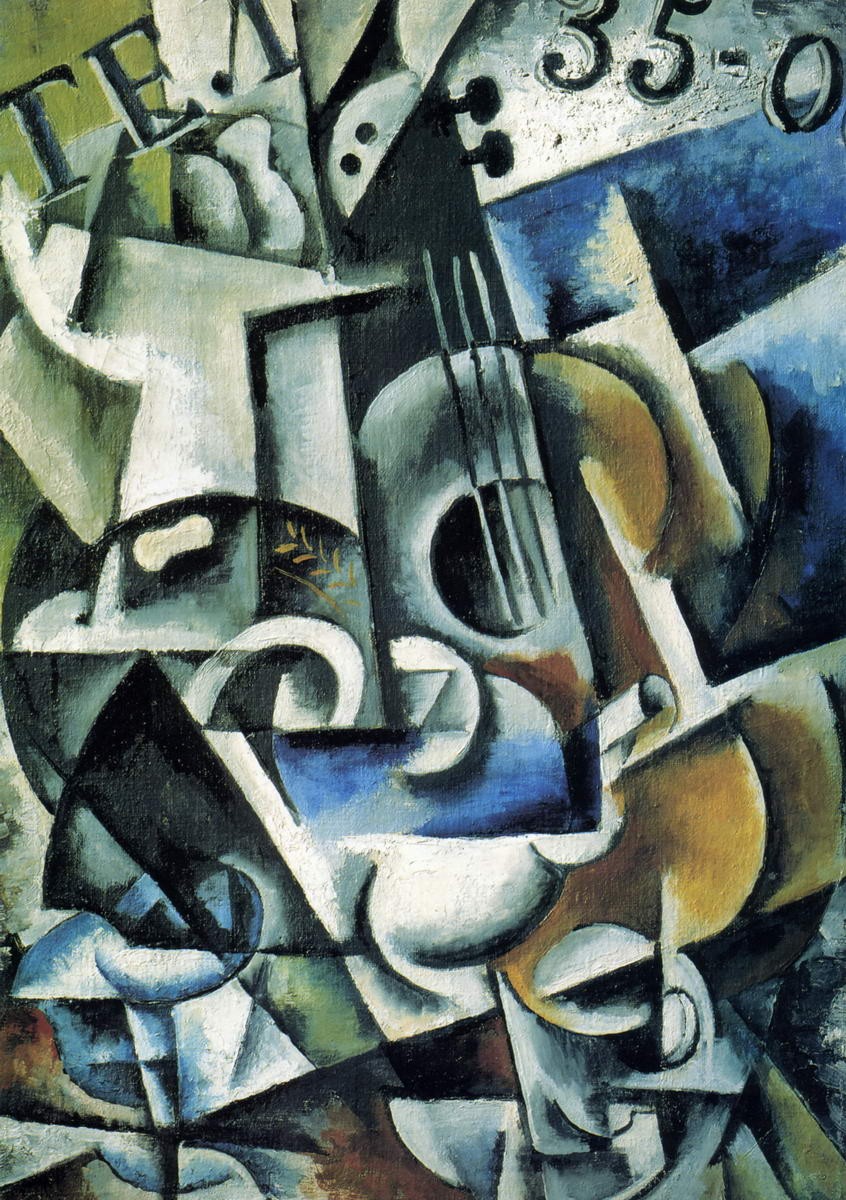
Together with Aleksandra Ekster, Nadezhda Udaltsova and Olga Rozanova she contributes to the “Knave of Diamonds” exhibitions, to “Tramway V” in Petrograd, to “0.10” and to “The Store”; at “0.10” she shows several figurative painted cardboard reliefs in a Cubist-derived style.
1916
Joins Malevich’s group “Supremus”
She joins Kazimir Malevich’s group Supremus; together with Aleksandra Ekster, Ivan Kliun, Nadezhda Udaltsova, Olga Rozanova, Ivan Puni, Nina Genke, Ksenia Boguslavskaya and others she works at the Verbovka village folk centre.
1918
Marries Boris von Eding
She marries the art historian Boris von Eding, author of a study, “Rostov Veliky, Uglich”, in the series “Monuments of Artistic Antiquity”; their son is born the same year.
by late 1921
Joins the Working Group of Constructivists
Having stayed out of the Working Group of Constructivists when it was set up in Moscow in March 1921, she joins it by the end of that year.
1921
The “5×5=25” exhibition
She takes part in the “5×5=25” exhibition with Rodchenko, Varvara Stepanova, Alexander Vesnin and Alexandra Exter, each showing five abstract works. They declare that easel painting must be abandoned and all creative work given to the people and to the making of a new society.
1921–1924
Throws herself into Constructivist projects
From 1921 to 1924 she is entirely involved in Constructivist projects, sometimes with Varvara Stepanova, the architect Alexander Vesnin and Alexander Rodchenko: she designs stage sets, book typography, production art and textiles, and contributes dress designs to LEF. Her “Spatial Force Constructions” become the basis of her teaching theory at Vkhutemas.