 Fra AngelicoItalien, 1400–1455
Saint Romuald
Kann ich es sehen?
Ja, derzeit ausgestellt
Wo ist „Saint Romuald“ heute? Minneapolis Institute of Art, G343, Minneapolis. Ja, derzeit ausgestellt. Geprüft 29. September 2026.

Minneapolis, Vereinigte Staaten
Jetzt geöffnet· bis 17:00
Öffentlich ausgestellt.
- Geprüft
- Unverändert seit
- Quelle
- Das Museum
Über das Gemälde
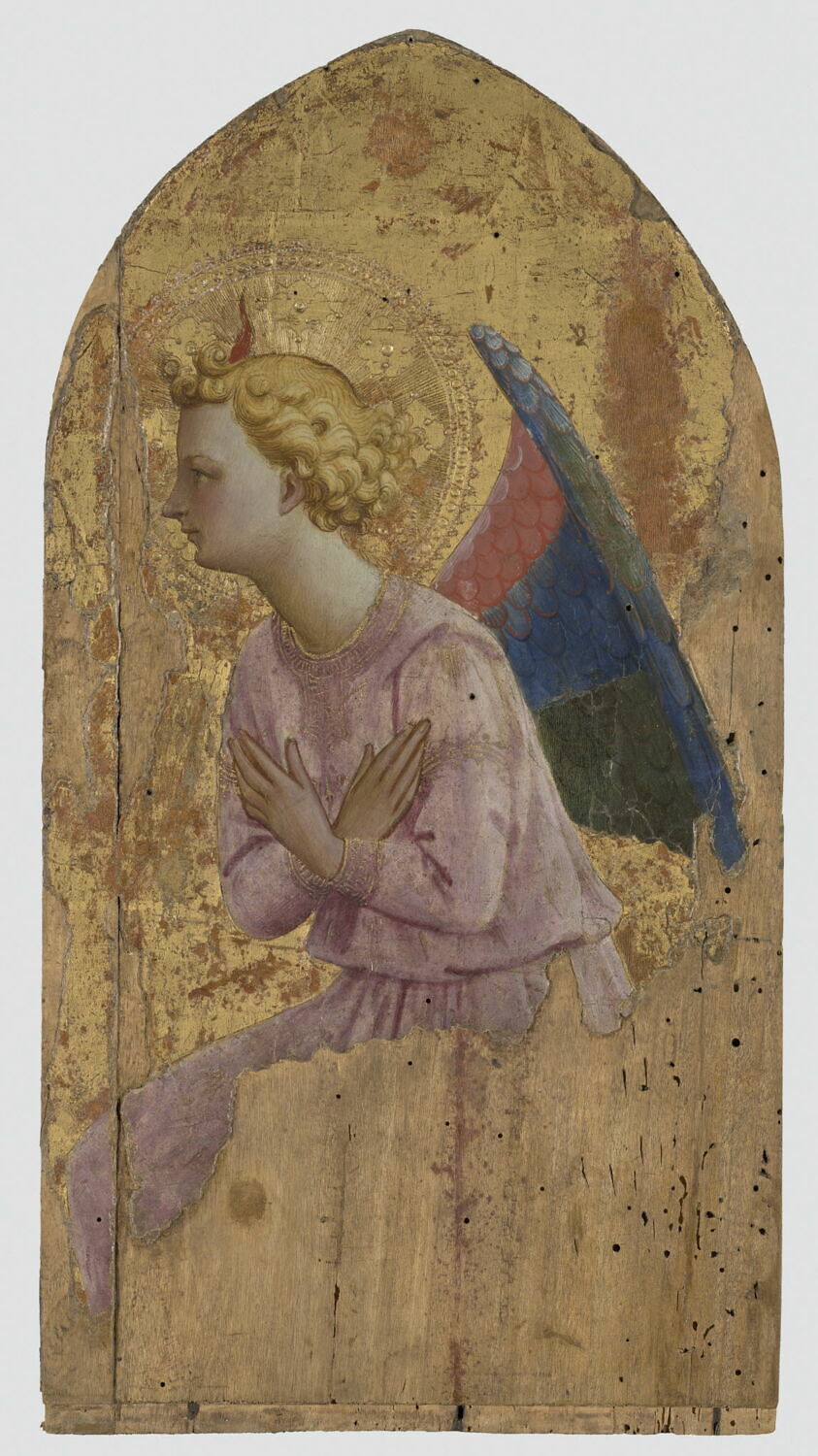
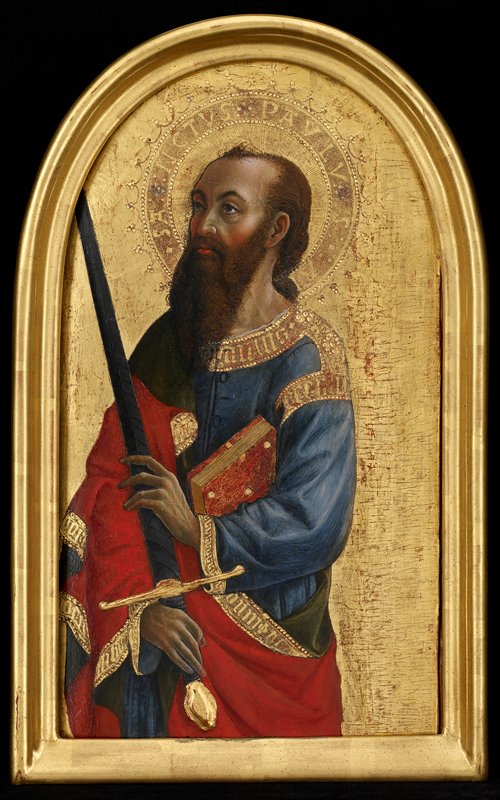
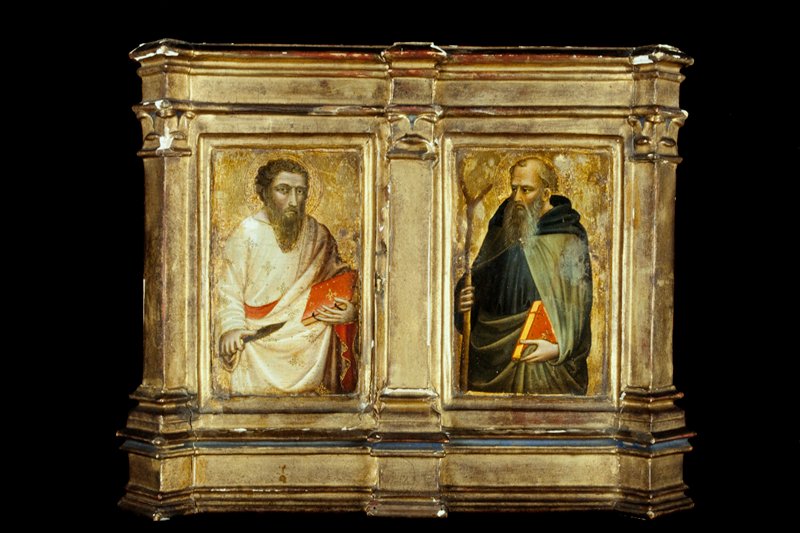
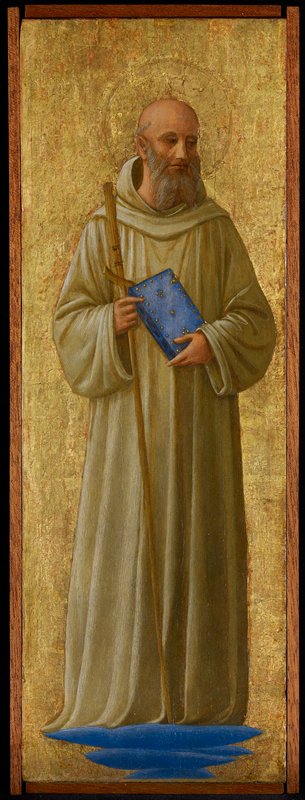
Between 1438 and 1442, Fra Angelico, a Dominican friar, painted one of his most important commissions in Florence, an altarpiece for his own monastery's church, San Marco. The San Marco altarpiece was dismantled and sold in the 19th century. The central panel and predella scenes are now in the church museum, but the eight small panels of standing saints representing other monastic orders, which originally decorated side pilasters of the polyptych, were dispersed.
Saint Romuald (950-1027) founded the Camaldolese order of monks, a austere branch of the Benedictines. He is represented with a book and reed staff in the form of a cross, signifying his wisdom and strict adherence to the Christian life.
Minneapolis Institute of Art
Angaben
- Inventarnummer
- 62.9
Im Katalog
Quellen
- Minneapolis Institute of Art
- Bild: Minneapolis Institute of Art — public domain
Im Leben von Fra Angelico
Das ganze Leben1436
Moves to Florence, to the new convent of San Marco
In 1436 Angelico was one of a number of friars from Fiesole who moved to the newly built convent of San Marco in Florence. This placed him at the heart of the artistic life of the region.
after 1436
The patronage of Cosimo de' Medici
Angelico soon attracted the patronage of Cosimo de' Medici, one of the wealthiest and most powerful members of the Signoria and the founder of the Medici dynasty. Cosimo had a cell reserved for himself at the convent of San Marco as a retreat from the world and, according to Vasari, commissioned Angelico to decorate the convent with frescoes.
1436–1445
Contacts with Florence's artistic circles
During his years in Florence Angelico was certainly in contact with the city's three artistic circles: the school of miniaturists, the workshops of the last followers of Giotto, and a group of young sculptors and architects destined for great fame: Jacopo della Quercia, Lorenzo Ghiberti, Filippo Brunelleschi and Donatello.