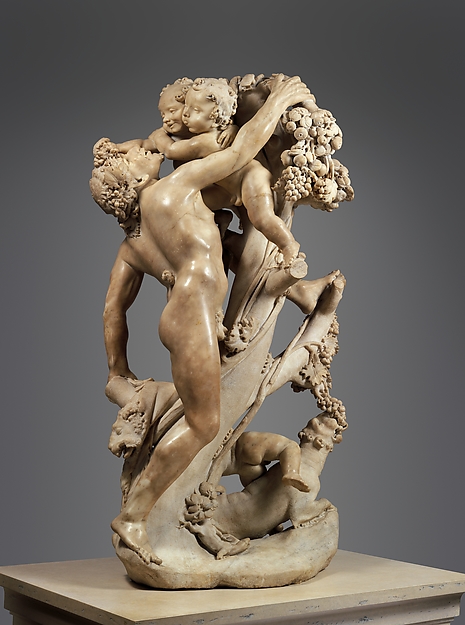
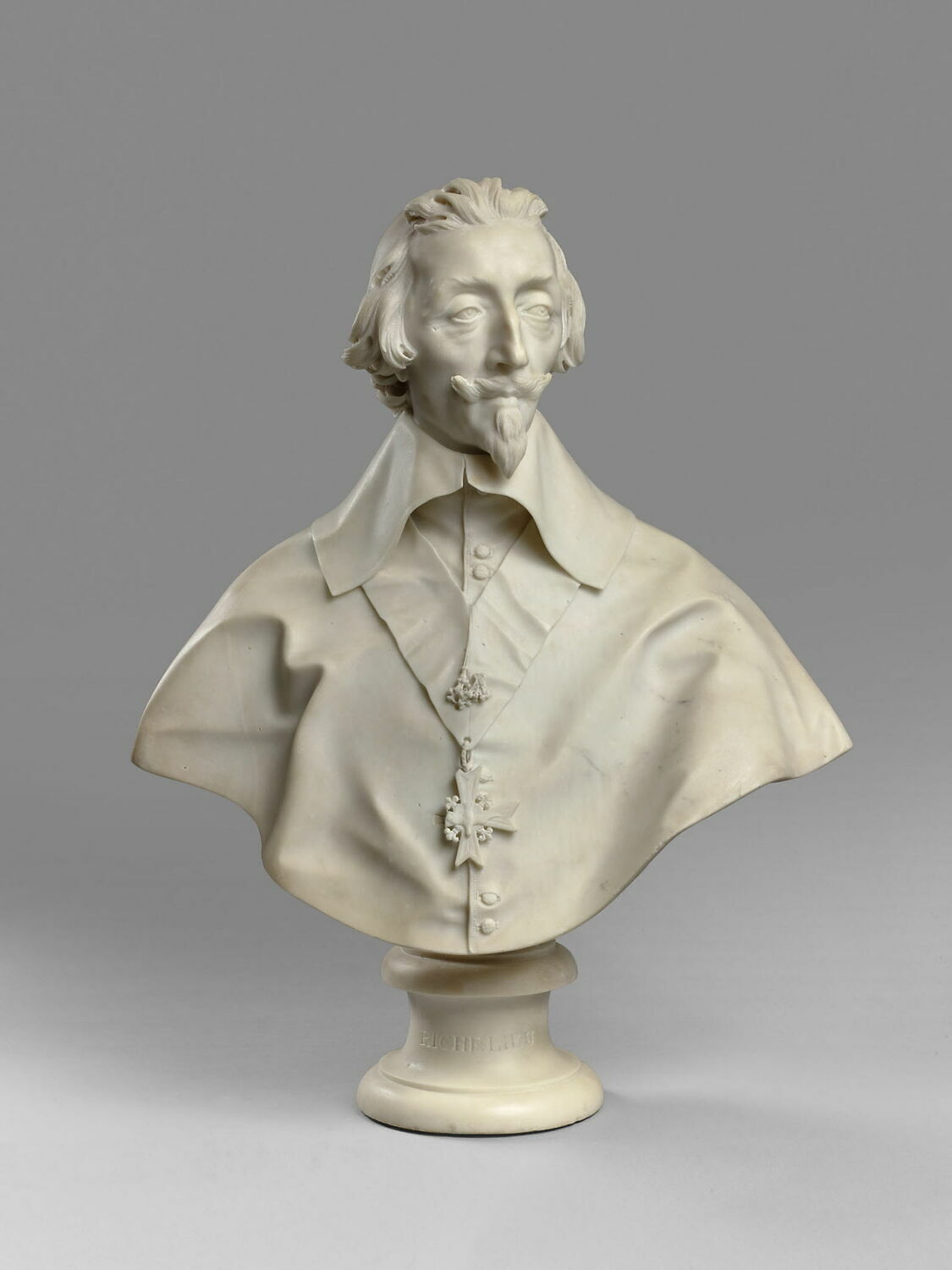
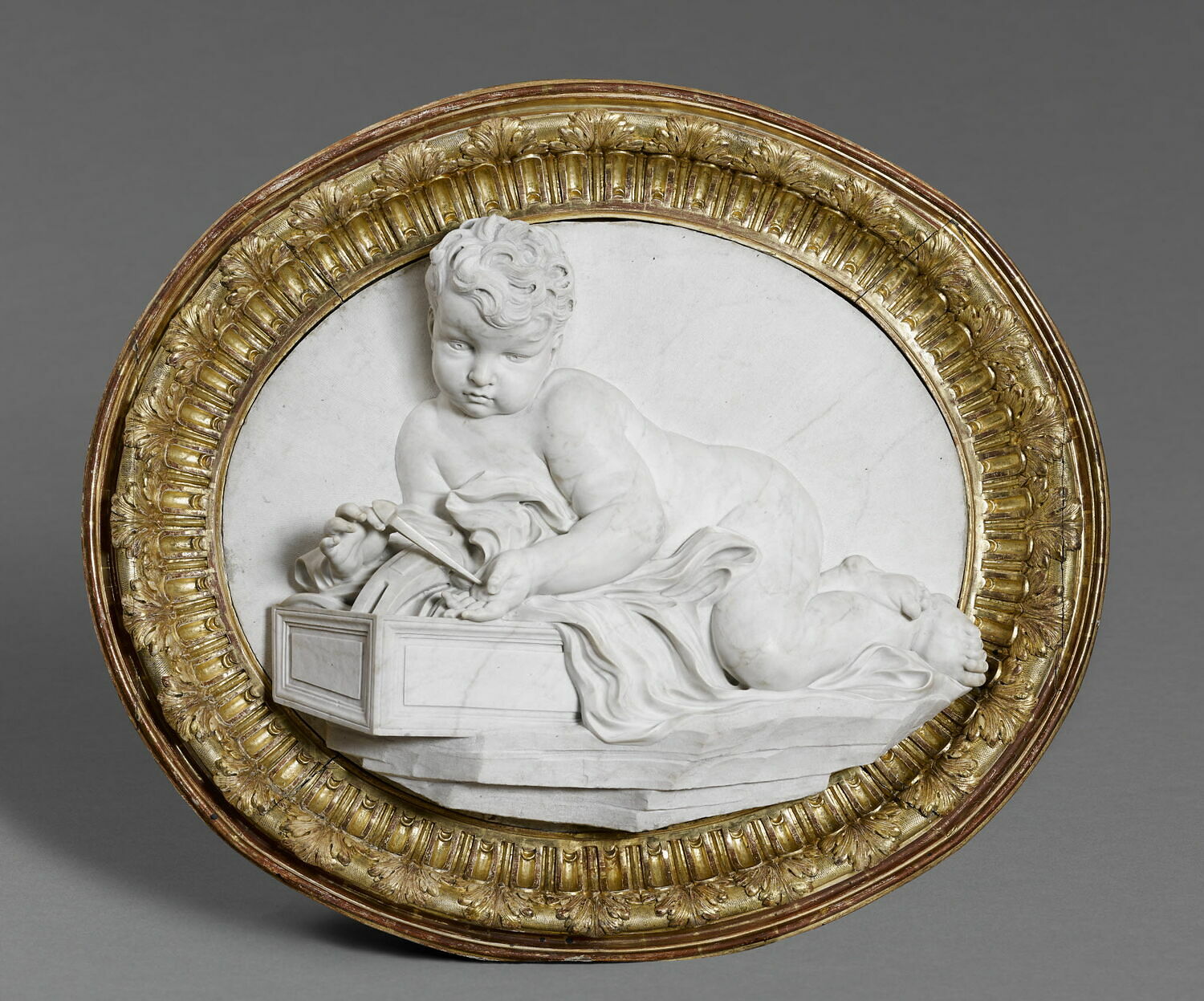
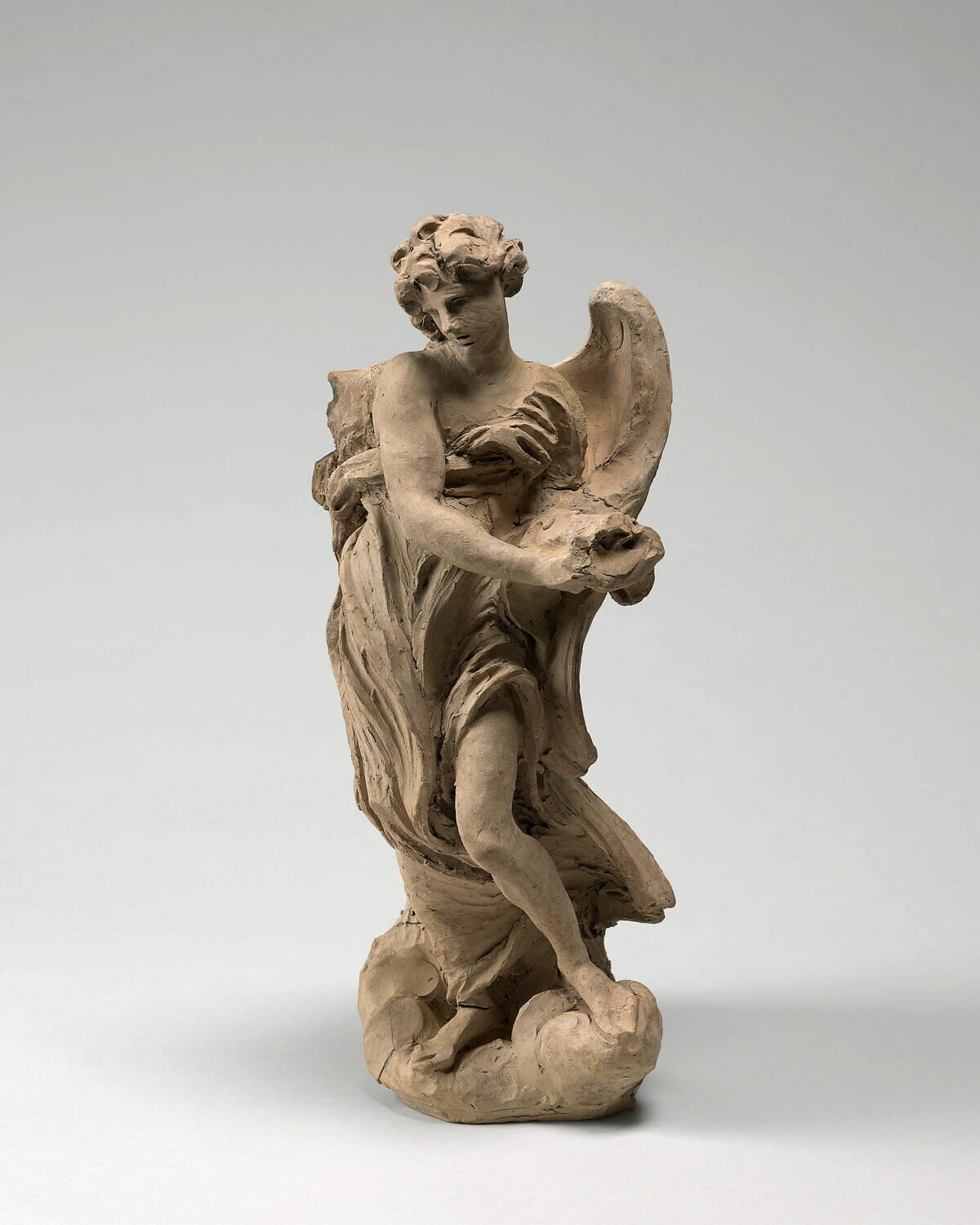
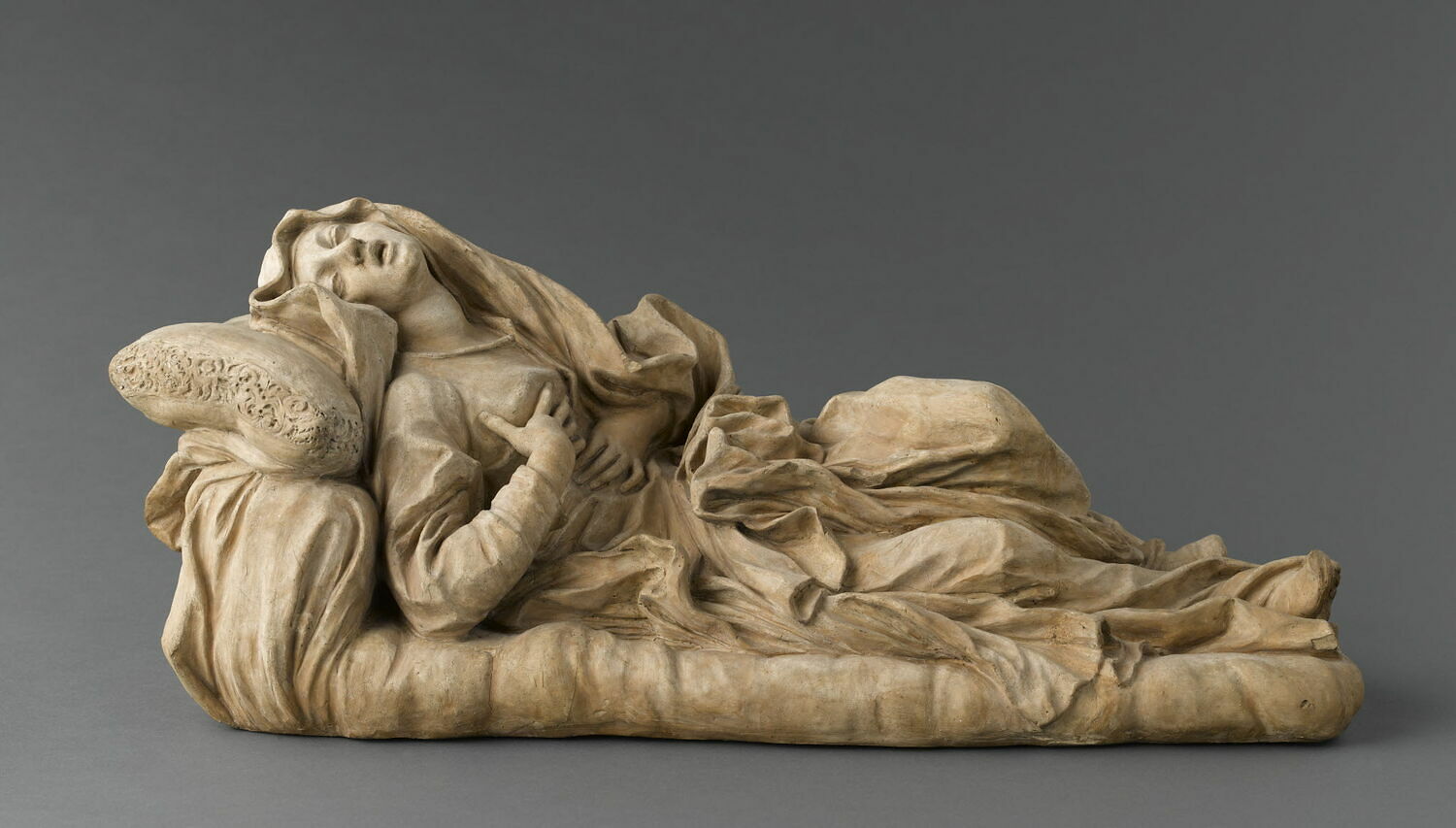
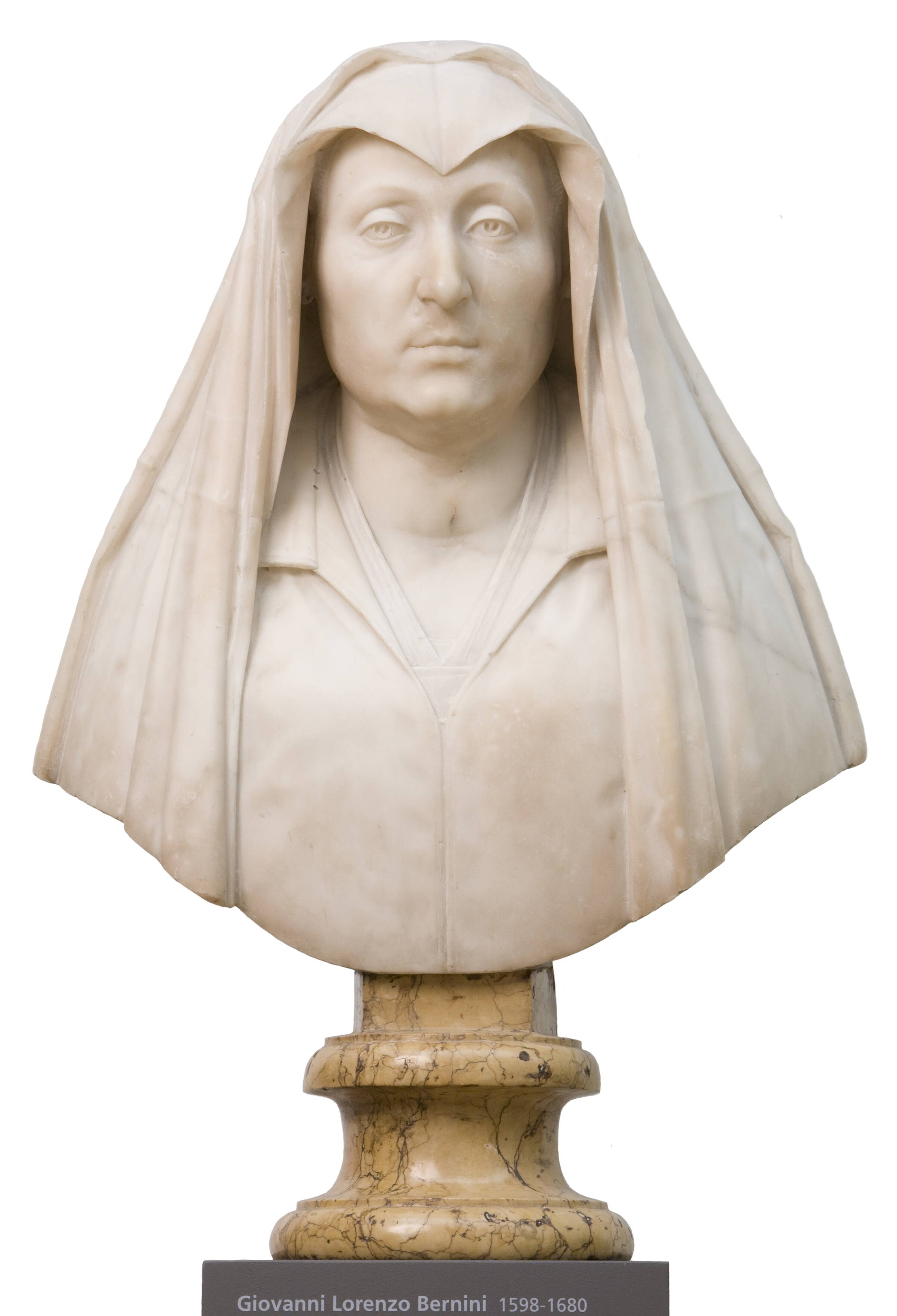
Gian Lorenzo BerniniItalien, 1598–1680
Saint Longinus
Darf man es sehen?
Ja, es empfängt Besucher

Öffentlich ausgestellt. Wer dafür bürgt, steht unten.
- Geprüft
- Unverändert seit
- Quelle
- Sammlungsdaten des Museums selbst
Angaben
- Inventarnummer
- 1937.51
Im Katalog
Quellen
- Harvard Art Museums: the museum's own open data · abgerufen vor 6 Tagen
- Bild: Harvard Art Museums — © President and Fellows of Harvard College
Derweil im Leben von Gian Lorenzo Bernini
Das ganze Leben1606–1642 · Wohnort
House of Pietro and Gianlorenzo Bernini (Rome)
1620s
Serious work as a painter
Encouraged by Urban VIII, who wanted him to paint the Loggia of the Blessings in St Peter's, Bernini began to develop his skill as a painter in earnest; according to early biographers he finished at least 150 canvases, mostly in 1620–1630, but only some 35–40 surviving paintings can be confidently attributed to him.
1629
Appointed Architect of St Peter's
On the death of Carlo Maderno, Bernini, with virtually no architectural training, was appointed Architect of St Peter's, to the great protest of older, experienced masters; from then on his work stood at the symbolic heart of Rome.
1629
The death of his father Pietro
After his father's death Bernini moved the family to the long-demolished Santa Marta quarter behind the apse of St Peter's, which gave him easier access to the Vatican Foundry and to his working studio on the Vatican site.
1630
Takes over the construction of Palazzo Barberini
After Carlo Maderno's death Bernini took charge of building the Palazzo Barberini, on which Borromini and Pietro da Cortona also worked; later their rivalry for commissions grew into open enmity, especially between Bernini and Borromini.
1630s
Commissions from rulers beyond Rome
In the 1630s, by then one of the foremost marble portraitists, Bernini began to receive commissions from Cardinal Richelieu, Francesco I d'Este, Duke of Modena, and Charles I of England and his queen, Henrietta Maria; the bust of Charles I was made in Rome from Van Dyck's triple portrait, while that of the queen was never begun because of the English Civil War.