ART WIKI32.979 ausgestellt
KarteSammlungKünstlerMuseenAusstellungenJournal
Anmelden

ART WIKI

Wo das Meisterwerk hängt und wann man vorgelassen wird.

Sammlungen: Art Institute of Chicago, Cleveland Museum of Art, Eremitage, Getty Villa, Harvard Art Museums, Hirshhorn Museum and Sculpture Garden, J. Paul Getty Museum, Louvre, Metropolitan Museum of Art, Minneapolis Institute of Art, Museum of Modern Art, National Gallery of Art, National Museum of Asian Art, National Portrait Gallery, Puschkin-Museum, Rijksmuseum Amsterdam, Russisches Museum, Smithsonian American Art Museum, Statens Museum for Kunst, Tretjakow-Galerie, Victoria and Albert Museum, Whitney Museum of American Art, Staatskatalog des Museumsfonds Russlands (274 Museen), Europeana (19 Museen), Wikidata (6 Museen), Paris Musées (12 Museen) und Joconde, die Museumsdatenbank des französischen Kulturministeriums (495 Museen). Die Bilder gehören ihren Rechteinhabern.

Rubriken

  • Karte
  • Suche
  • Sammlung
  • Meisterwerke
  • Jetzt ausgestellt
  • Künstler

Mehr

  • Museen & Galerien
  • Ausstellungen
  • Journal
  • Woher die Daten stammen
  • Datenschutz & Cookies
StartseiteKarteKatalog
  1. Sammlung/
  2. Nationales Kunstmuseum Rumäniens/
  3. Prometeu (Cap de copil)
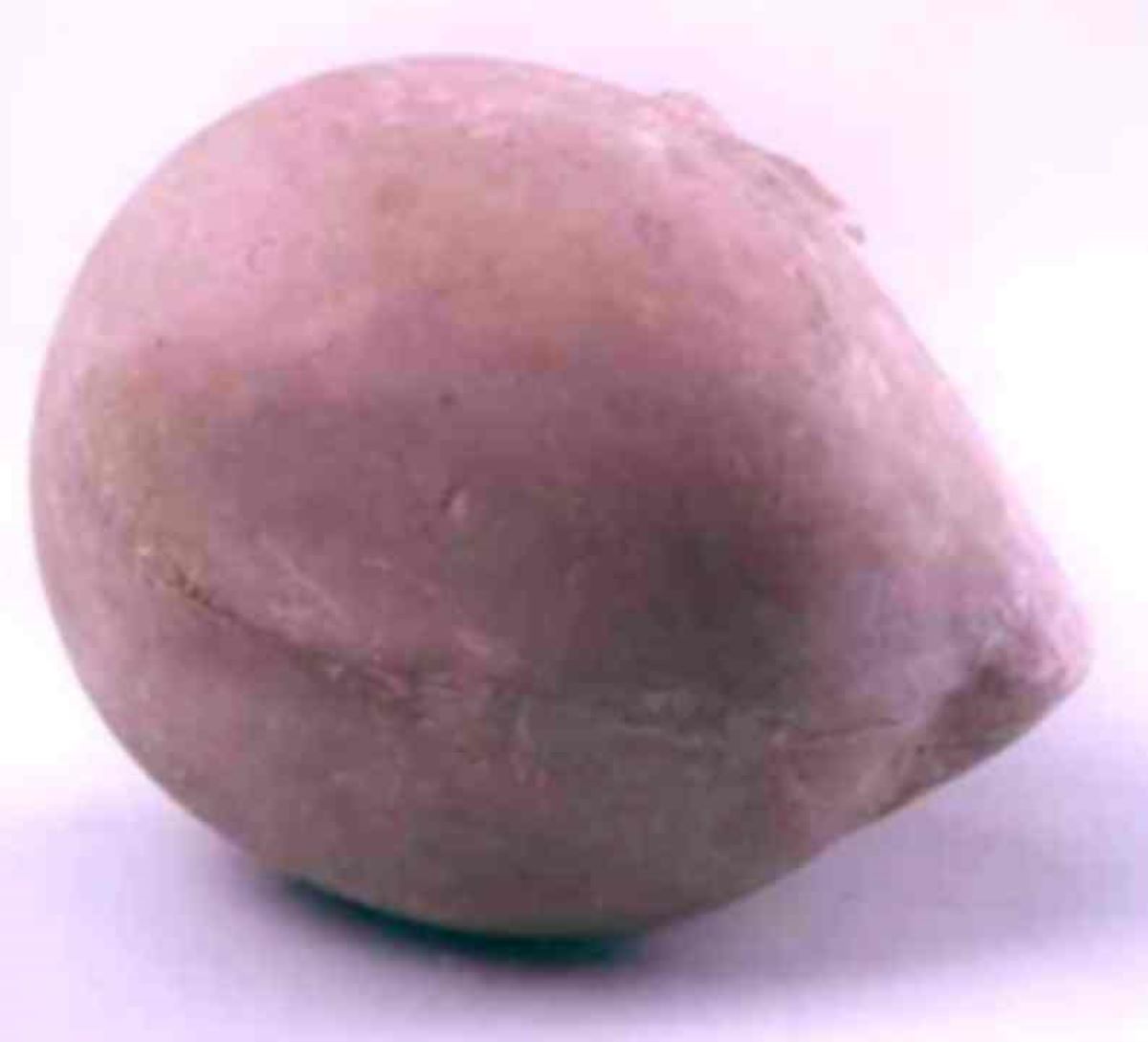
Prometeu (Cap de copil), Constantin Brâncuși, 1911

Prometeu (Cap de copil)

1911 · Sculpture

Über die Skulptur

In den Worten des Museums — auf Rumänisch

Brâncuși reia tema din „Supliciul”, din 1907 unde înclinarea capului este singurul semn al suferinței. Capul lui Prometeu este o bucată de marmură de dimensiuni reduse, unde detaliile portretului par a fi șterse. Prin suprimarea treptată a detaliilor, capul lui Prometeu a ajuns să aibă un aspect aproape sferoidal, întrerupt doar de subtila adâncime a ochilor, de abia perceptibilele linii ale nasului și ale gurii, de forma urechii și de grumazul brusc gâtuit.

Nationales Kunstmuseum Rumäniens

Angaben

1911 · mit 35 Jahren
18761957

Derweil im Leben von Constantin Brancusi

Das ganze Leben
  1. 1909

    Meeting Modigliani

    In 1909 the collector Paul Alexandre introduces Brâncuși to Amedeo Modigliani; the two become friends, and the Italian draws his portrait in black and red pencil that year. From 1909 to 1914 Modigliani works chiefly in sculpture, and his elongated limestone heads, with simplified forms and polished surfaces, are related to Brâncuși’s sculpture.

  2. 1910s

    “Mobile groups”: rearranging the sculptures

    During the 1910s Brâncuși arranges sculptures and pedestals in changing compositions that he calls “mobile groups”: he moves the works and watches how each change alters the space around them. When he sells a sculpture he often puts a plaster version in the same position, and by the 1920s the studio is also an exhibition space whose arrangement forms part of the work.

  3. autumn 1912

    The Grand Palais aviation show with Duchamp and Léger

    In the fall of 1912 Brâncuși visits an aviation exhibition at the Grand Palais with Marcel Duchamp and Fernand Léger; the three stop before an airplane propeller, and its mechanical precision leads them into a conversation about machine-made forms and the direction sculpture might take. In May of that year he had rented a second studio at 47 rue du Montparnasse, across from the first.

  4. 17 February 1913

    The Armory Show in New York: five sculptures

    In December 1912 the Armory Show organisers Arthur Bowen Davies, Walt Kuhn and Walter Pach visit Paris in search of works; the catalogue lists five sculptures by Brâncuși — “The Kiss”, “Sleeping Muse”, “A Muse”, “Mademoiselle Pogany” and “Torso”. The exhibition opens in New York on 17 February 1913 and travels to Chicago and Boston; his compact forms provoke laughter, caricatures and arguments in the press, and “Mademoiselle Pogany” is compared to an egg.

Mehr von Constantin Brancusi

Alle Werke

Aus der Sammlung: Nationales Kunstmuseum Rumäniens

Museumsseite
Constantin Brancusi, PorträtConstantin BrancusiRumänien, 1876–1957

Darf man es sehen?

Unbekannt

Nationales Kunstmuseum Rumäniens

Bukarest, Rumänien

Der Besitzer ist bekannt; ob das Werk derzeit ausgestellt ist, nicht.

Unverändert seit
27. Sept. 2026
Quelle
Das Museum
Auf der KarteMuseumsseite

Was es zeigt

Război

Im Katalog

SkulpturModerne20. Jahrhundert

Quellen

  • Nationales Kunstmuseum Rumäniens
  • Bild: Nationales Kunstmuseum Rumäniens — CC BY-SA 4.0
Maiastra, Constantin Brâncuși, c. 1911

Maiastra

c. 1911 · National Gallery of Art

Bird in Space, Constantin Brâncuși, 1925

Bird in Space

1925 · National Gallery of Art

Bird in Space, Constantin Brâncuși, 1927

Bird in Space

1927 · National Gallery of Art

Agnes E. Meyer, Constantin Brâncuși, 1929

Agnes E. Meyer

1929 · National Gallery of Art

Male Torso, Constantin Brancusi, 1917

Male Torso

1917 · Cleveland Museum of Art

Golden Bird, Constantin Brancusi, 1919/20 (base c. 1922)

Golden Bird

1919/20 (base c. 1922) · Art Institute of Chicago

Golden Bird, Constantin Brancusi, c. 1919

Golden Bird

c. 1919 · Minneapolis Institute of Art

Wisdom, Constantin Brancusi, c. 1908

Wisdom

c. 1908 · Art Institute of Chicago

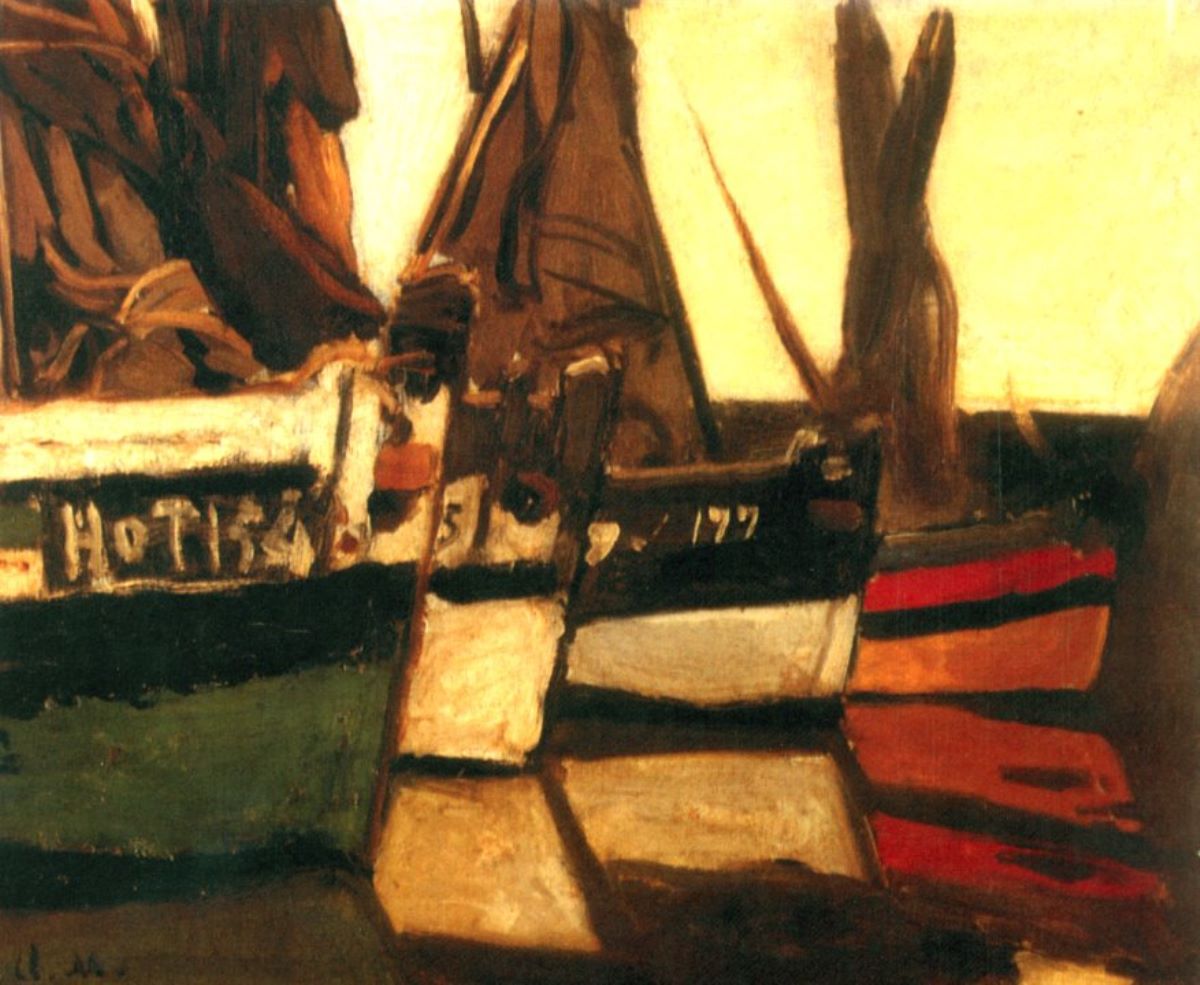
Bateaux de peche, Honfleur/Bărci de pescari la Honfleur, Claude Monet, 1866–1867

Claude Monet

Bateaux de peche, Honfleur/Bărci de pescari la Honfleur, 1866–1867

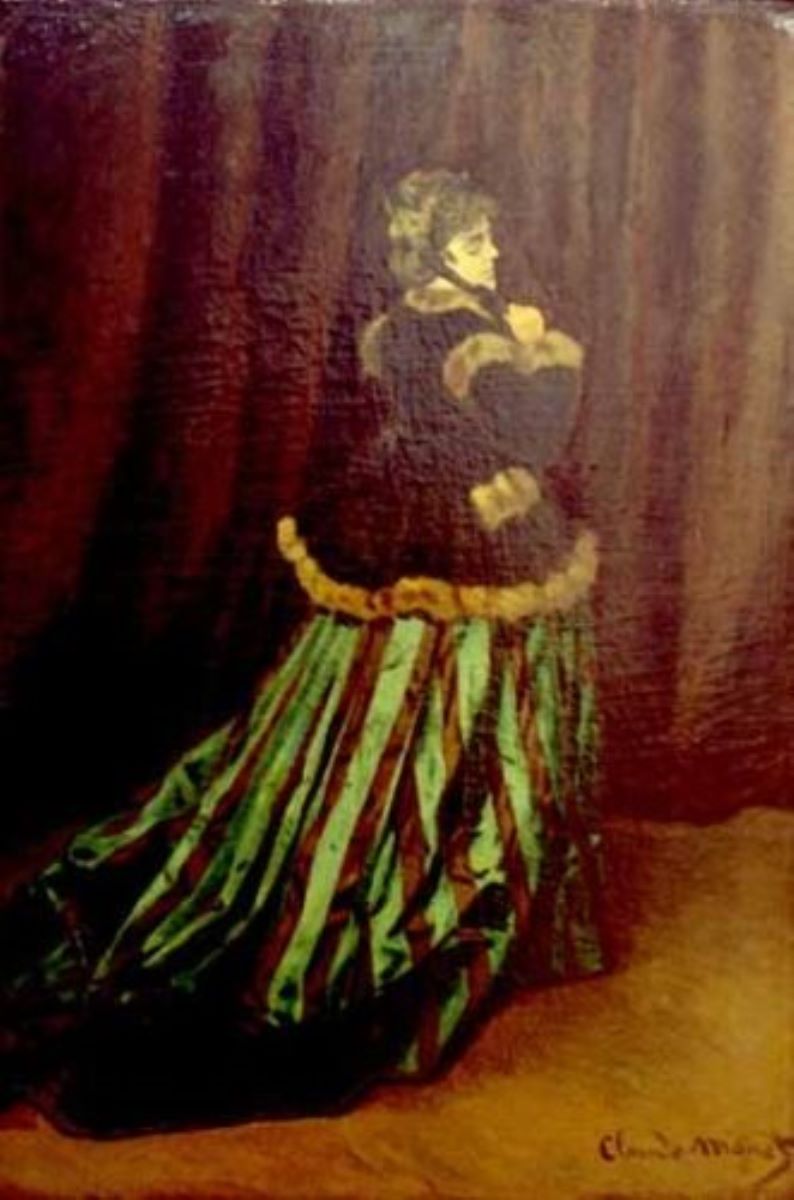
Camille, Claude Monet

Claude Monet

Camille

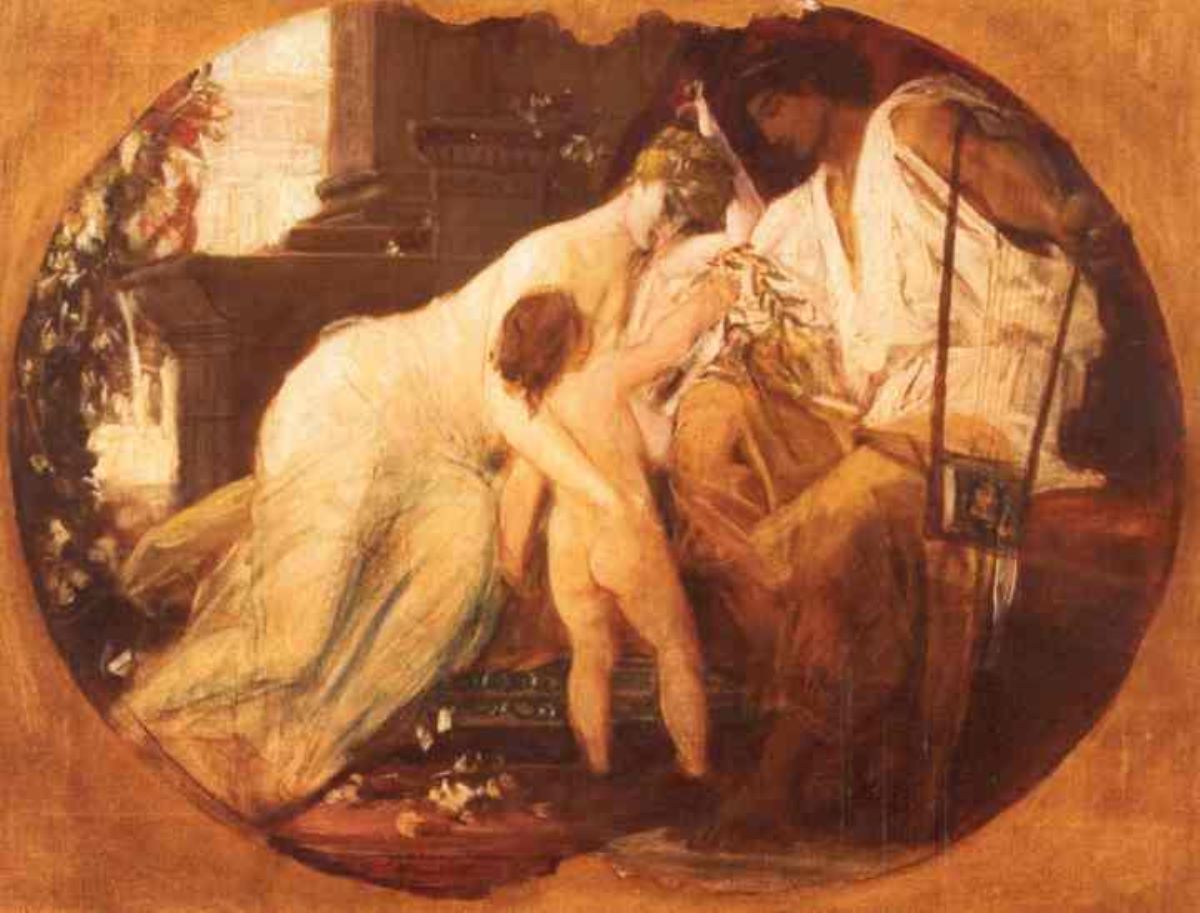
Scenă mitologică, Gustav Klimt, 1884–1885

Gustav Klimt

Scenă mitologică, 1884–1885

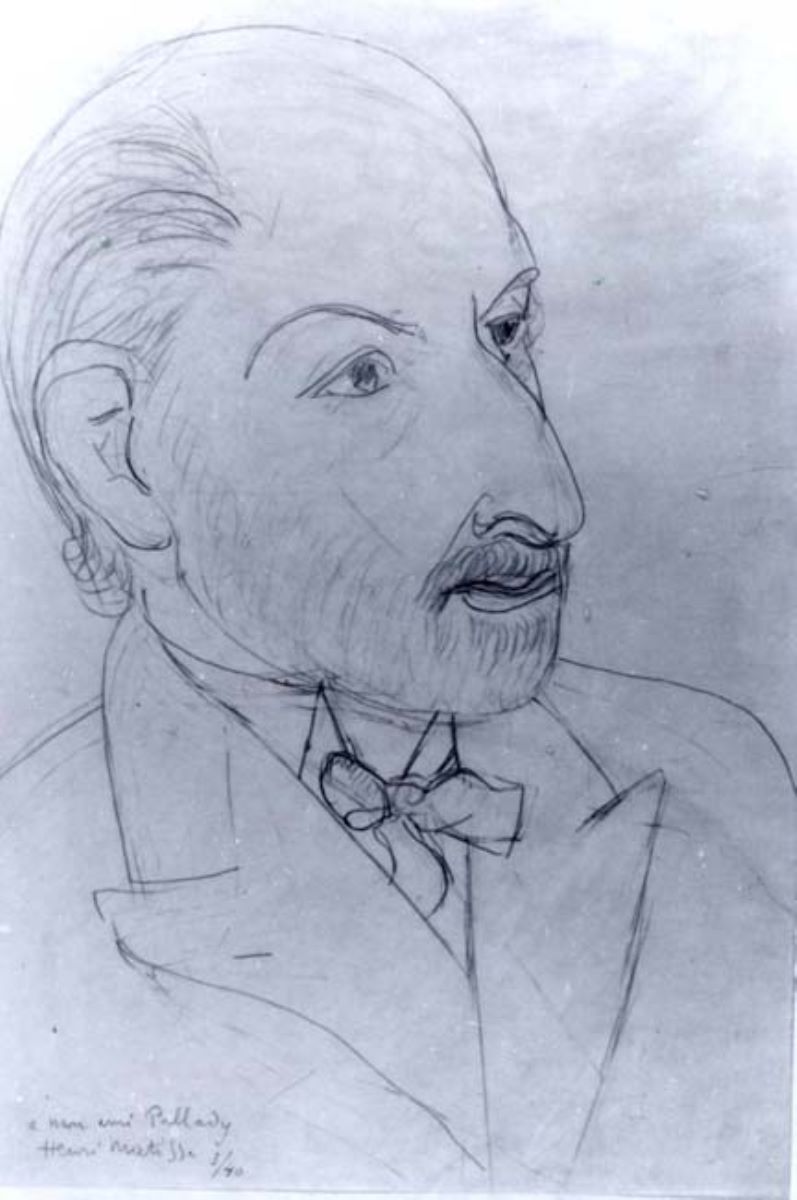
Pictorul Pallady, Henri Matisse, 1940

Henri Matisse

Pictorul Pallady, 1940

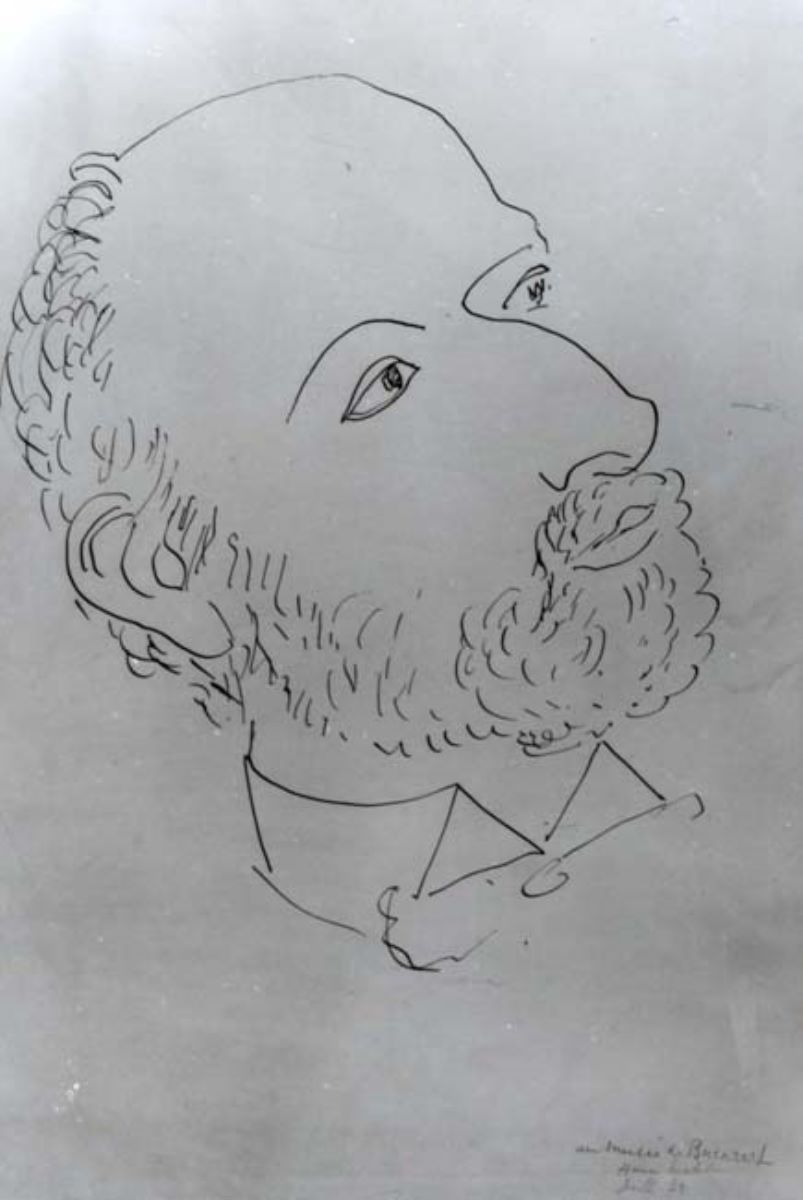
Portret de bărbat, Henri Matisse, 1939

Henri Matisse

Portret de bărbat, 1939

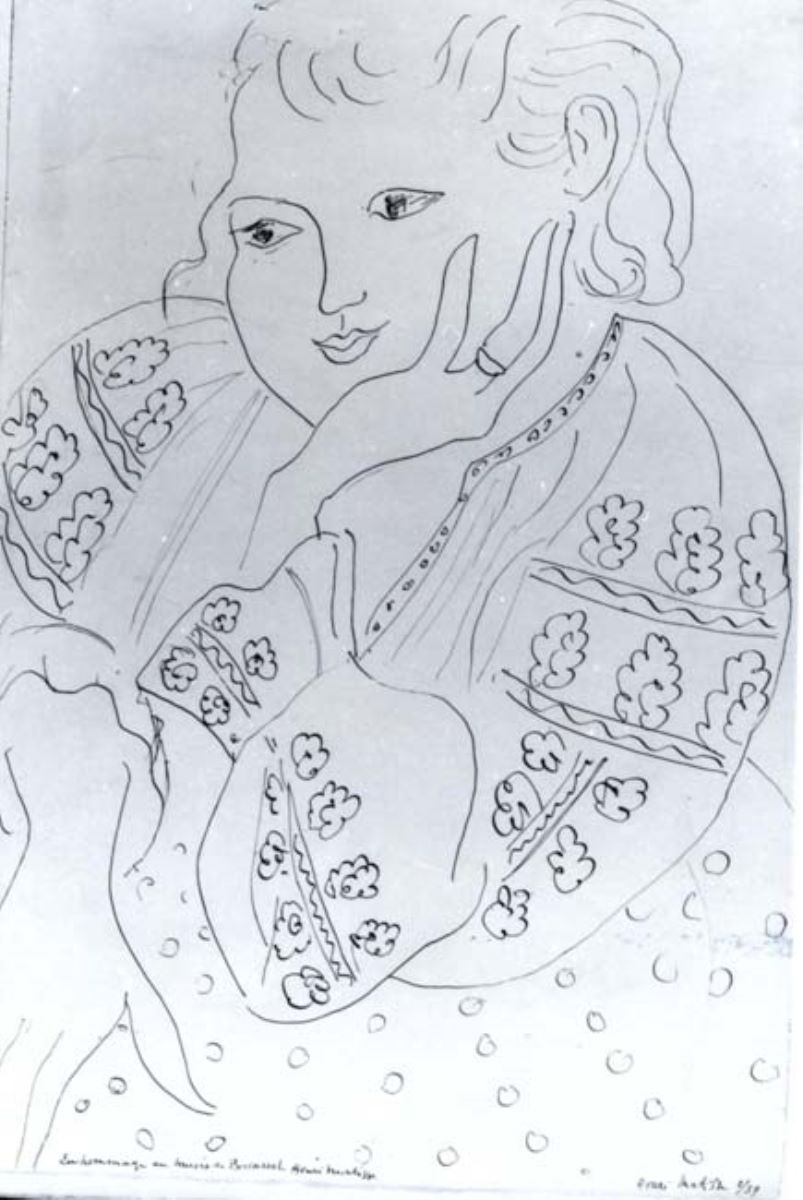
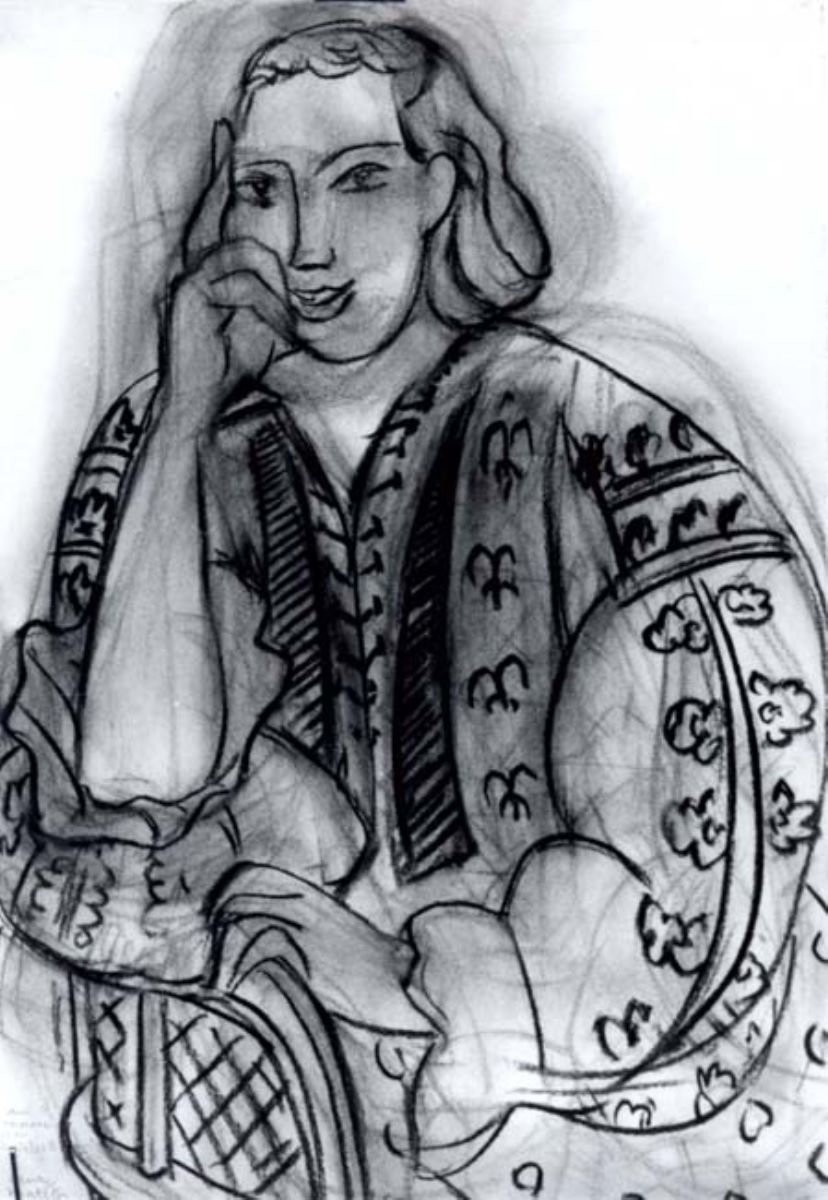
La blouse roumanie, Henri Matisse, 1939

Henri Matisse

La blouse roumanie, 1939

La blouse roumaine, Henri Matisse, 1939

Henri Matisse

La blouse roumaine, 1939

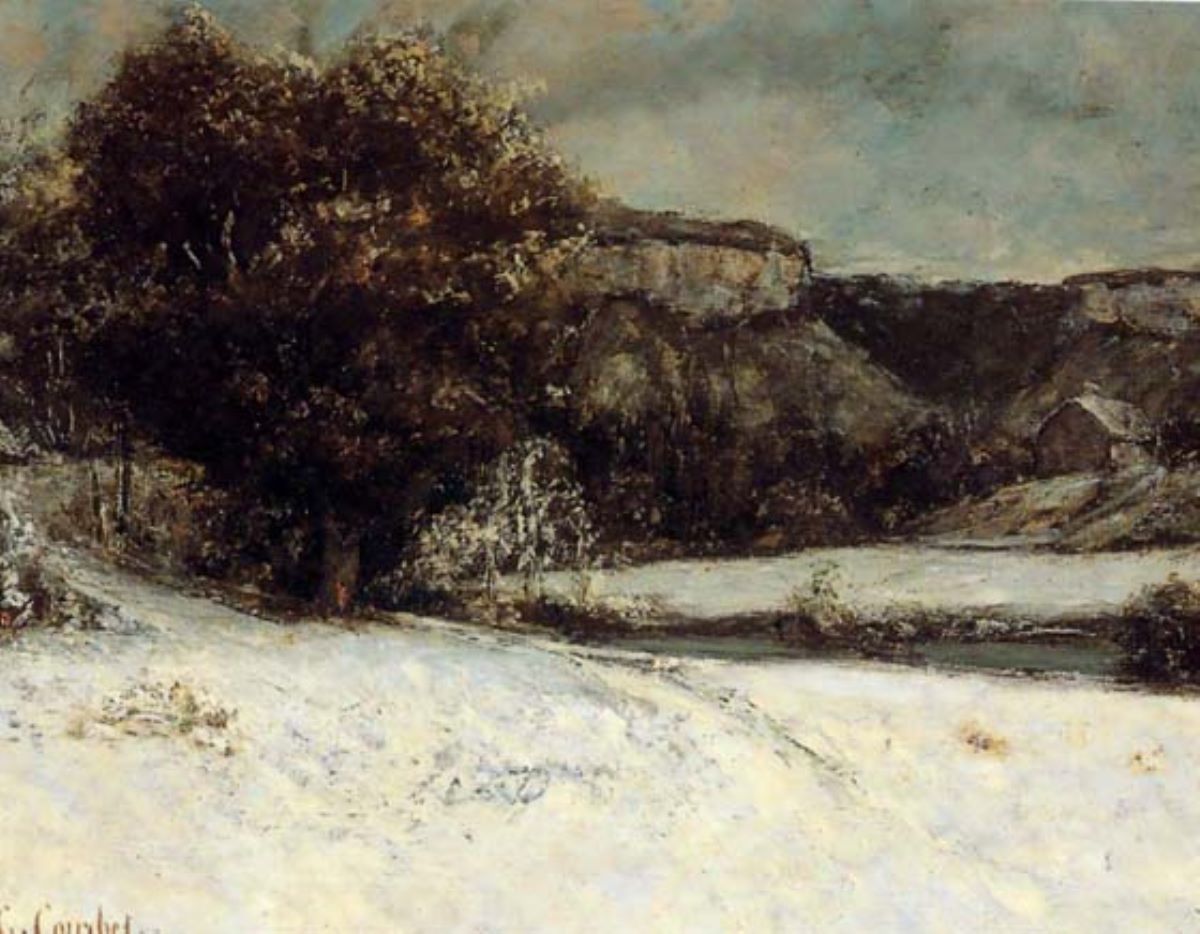
Peisaj de iarnă, Gustave Courbet, 1870–1873

Gustave Courbet

Peisaj de iarnă, 1870–1873