Rockwell KentVereinigte Staaten, 1882–1971
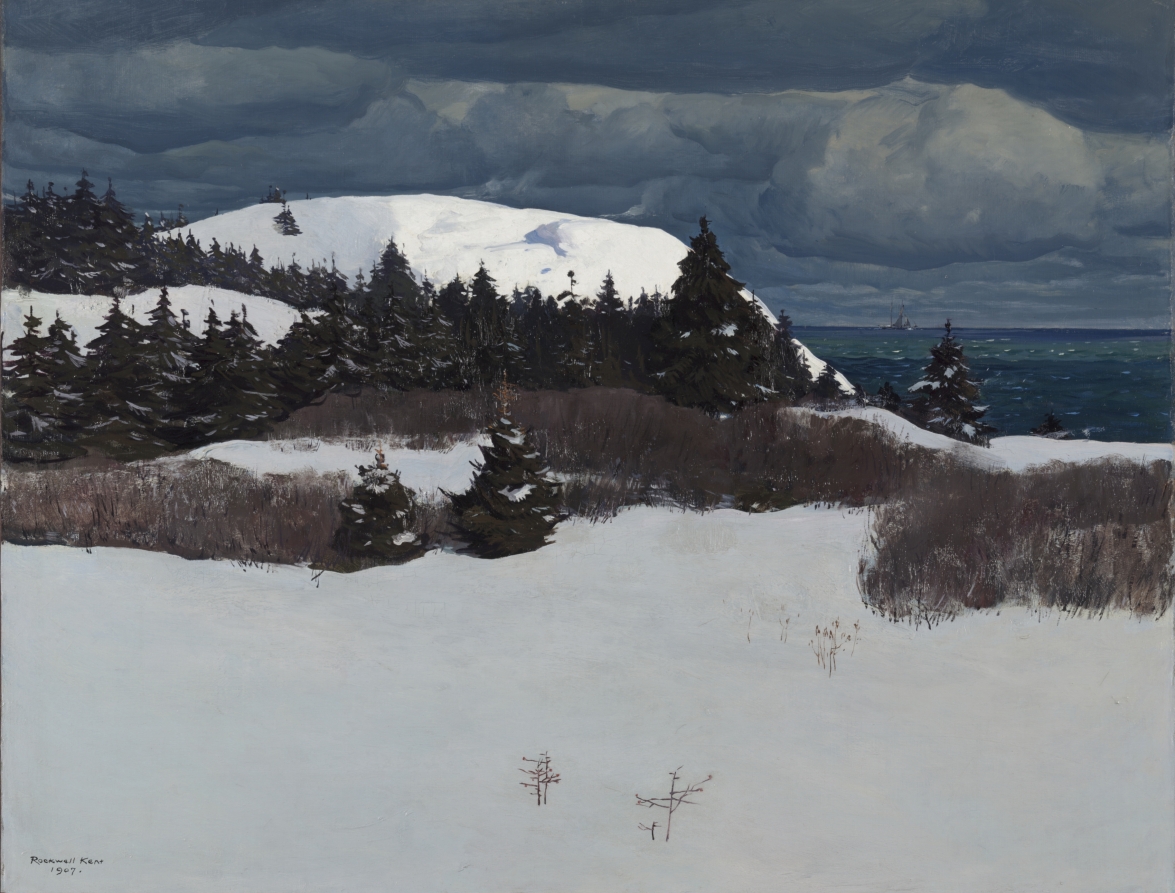
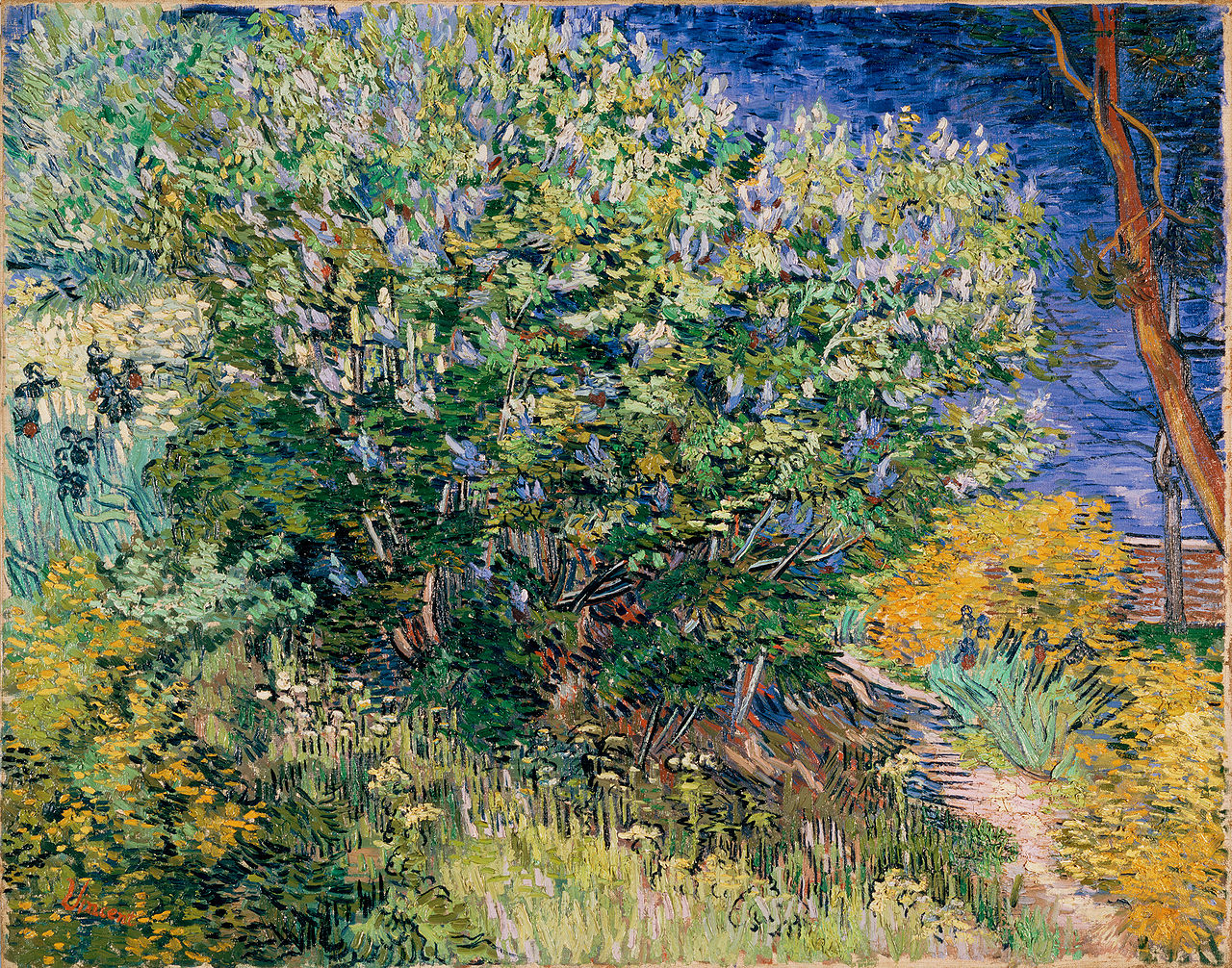
Admiralty Sound: Tierra del Fuego
Kann ich es sehen?
Derzeit nicht ausgestellt
Wo ist „Admiralty Sound: Tierra del Fuego“ heute? Sammlung: Eremitage, Sankt Petersburg. Derzeit nicht ausgestellt. Geprüft 29. August 2026.

Sankt Petersburg, Russland
Es gehört zur Sammlung, ist derzeit aber nicht ausgestellt.
- Geprüft
- Unverändert seit
- Quelle
- Das Museum
Angaben
- Inventarnummer
- ГЭ-9922
Im Katalog
Quellen
- Eremitage
- Bild: Eremitage — © State Hermitage Museum
Im Leben von Rockwell Kent
Das ganze Leben1918–1919
Alaska: Wintering on Fox Island with His Son
In late summer 1918 he set off with his nine-year-old son Rockwell for Fox Island in Alaska, where he created a series of paintings and prints devoted to that land.
1920
First Book: "Wilderness"
Kent's first book was published — an illustrated journal of his Alaskan winter, compiled from his letters home. The New Statesman called it the most remarkable book to come out of America since Leaves of Grass.
1922–1923
Voyage to Tierra del Fuego
He made a voyage to Tierra del Fuego; his recollections of the expedition formed the book Voyaging Southward from the Strait of Magellan (1924).
1926–1930
Illustrations for "Moby-Dick"
The publisher R. R. Donnelley offered Kent Dana's Two Years Before the Mast to illustrate, but the artist chose Melville's Moby-Dick instead. The three-volume limited edition of 1930 with his pen drawings (1,000 copies) sold out instantly; Random House issued a trade edition.
summer 1929
First Voyage to Greenland
In the summer of 1929 he set out on a painting expedition to Greenland (including a shipwreck off its coast), recounted in the bestseller N by E (1930). After meeting the Danish polar explorers Peter Freuchen and Knud Rasmussen, he resolved to return to Greenland to paint and draw.
1931–1932
Wintering at Igdlorssuit
He lived above the Arctic Circle in the tiny fishing settlement of Igdlorssuit (Illorsuit), where he conceived some of the largest and most celebrated paintings of his career; his book Salamina (1935) is devoted to this first Arctic winter.