 Godfrey Sykes1824–1866
Prince Albert
Kann ich es sehen?
Derzeit nicht ausgestellt
Wo ist „Prince Albert“ heute? Sammlung: Victoria and Albert Museum, London. Derzeit nicht ausgestellt. Geprüft 25. September 2026.

London, Vereinigtes Königreich
Es gehört zur Sammlung, ist derzeit aber nicht ausgestellt.
- Geprüft
- Unverändert seit
- Quelle
- Das Museum
Über das Gemälde
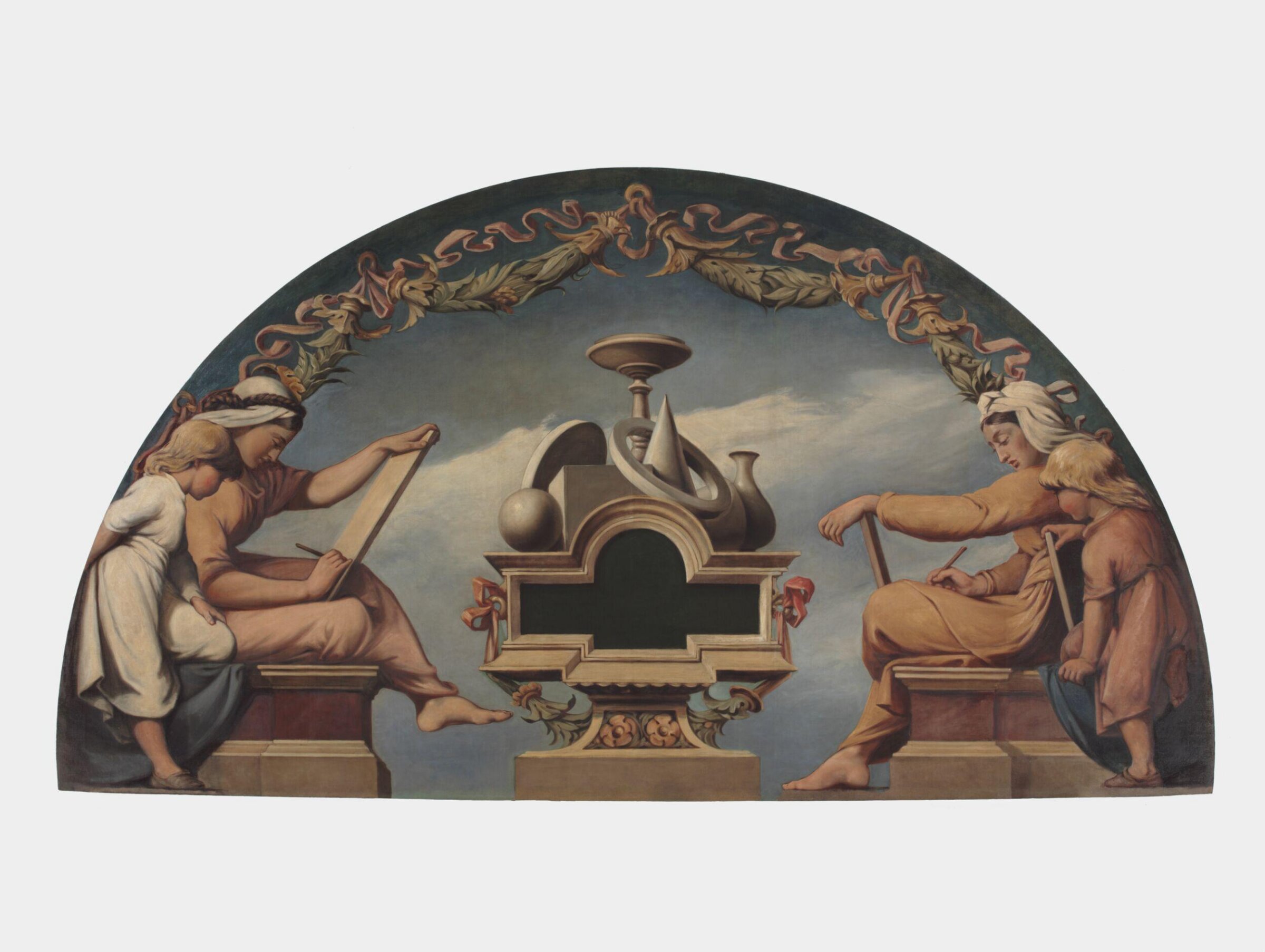
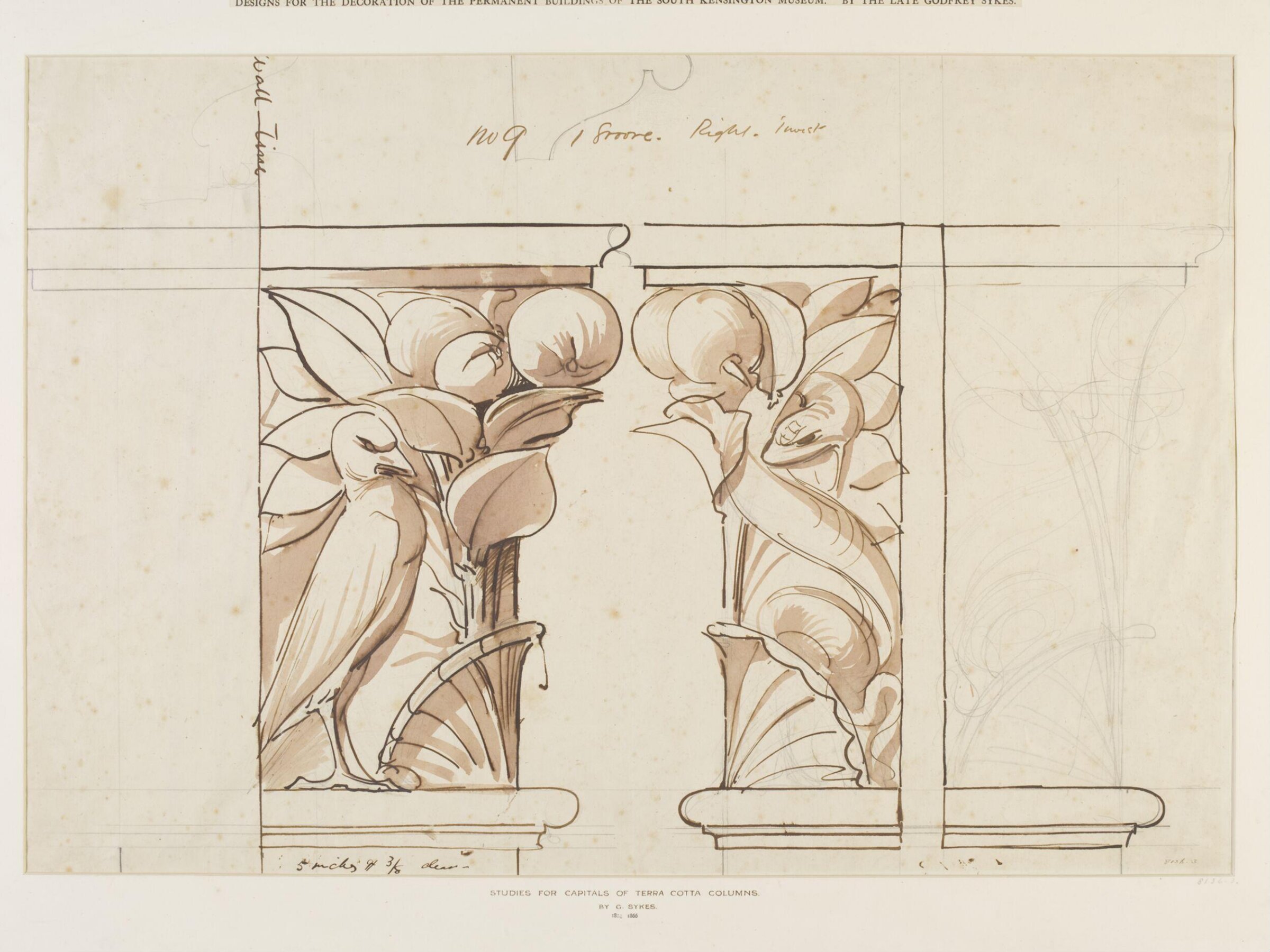
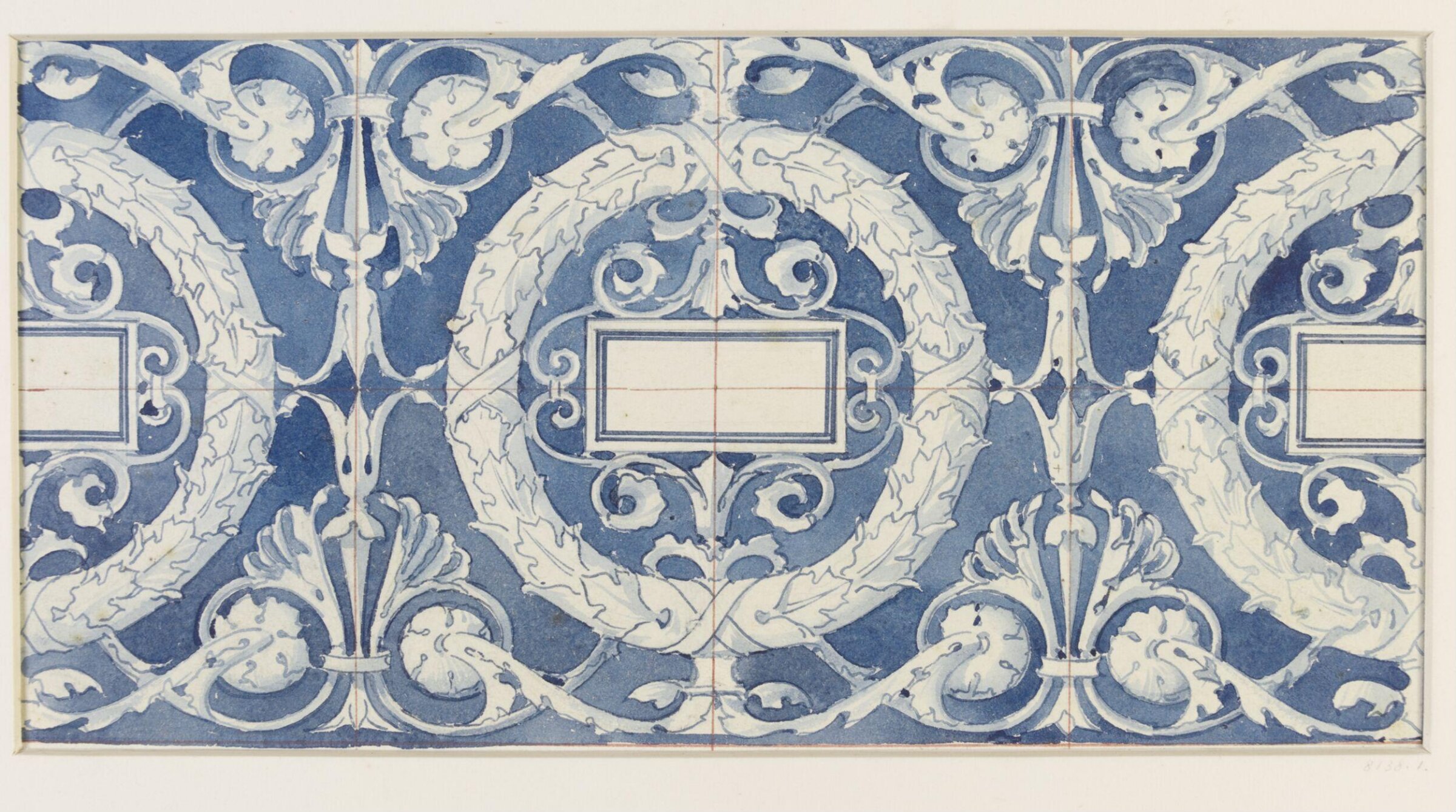
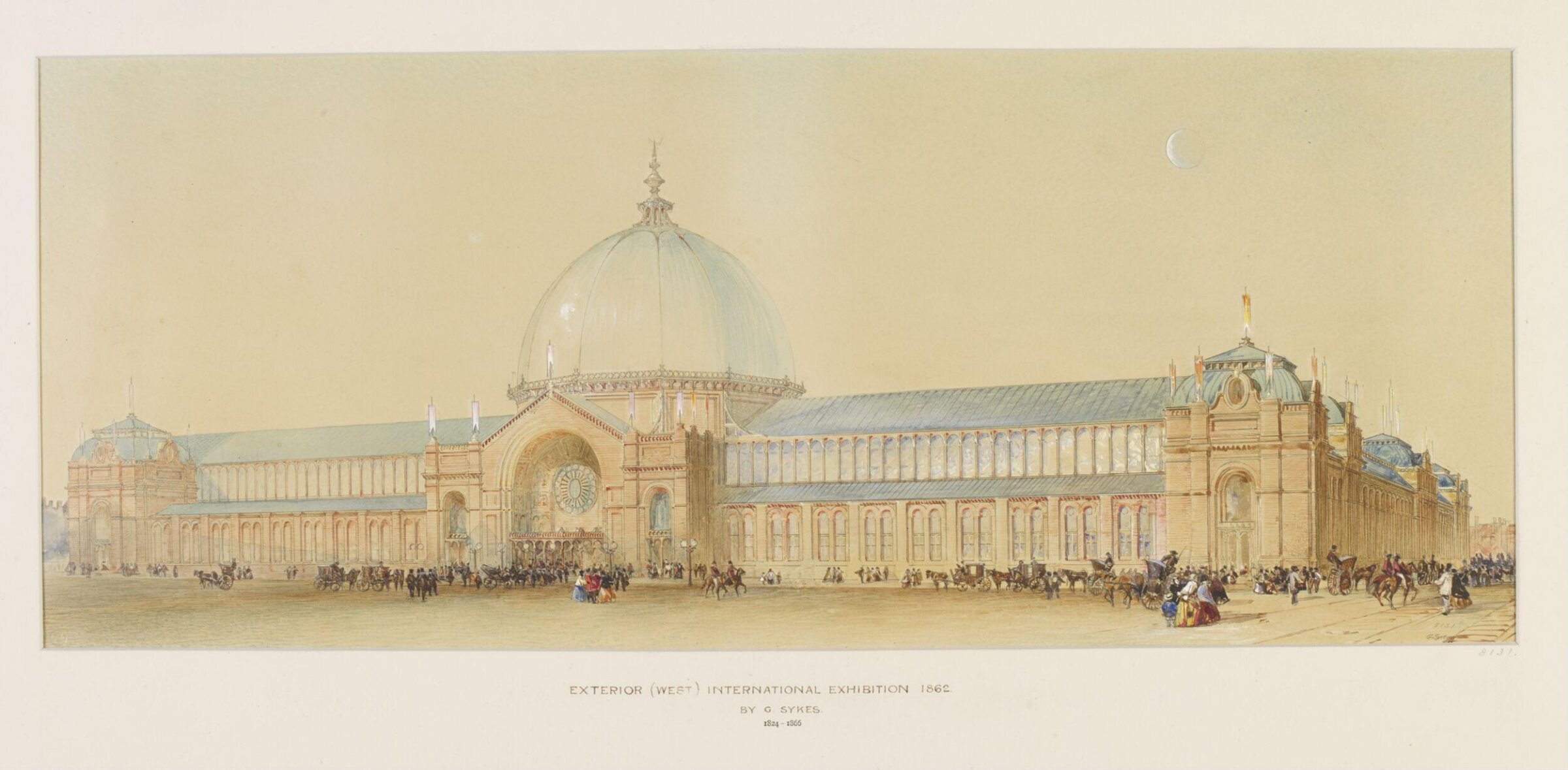
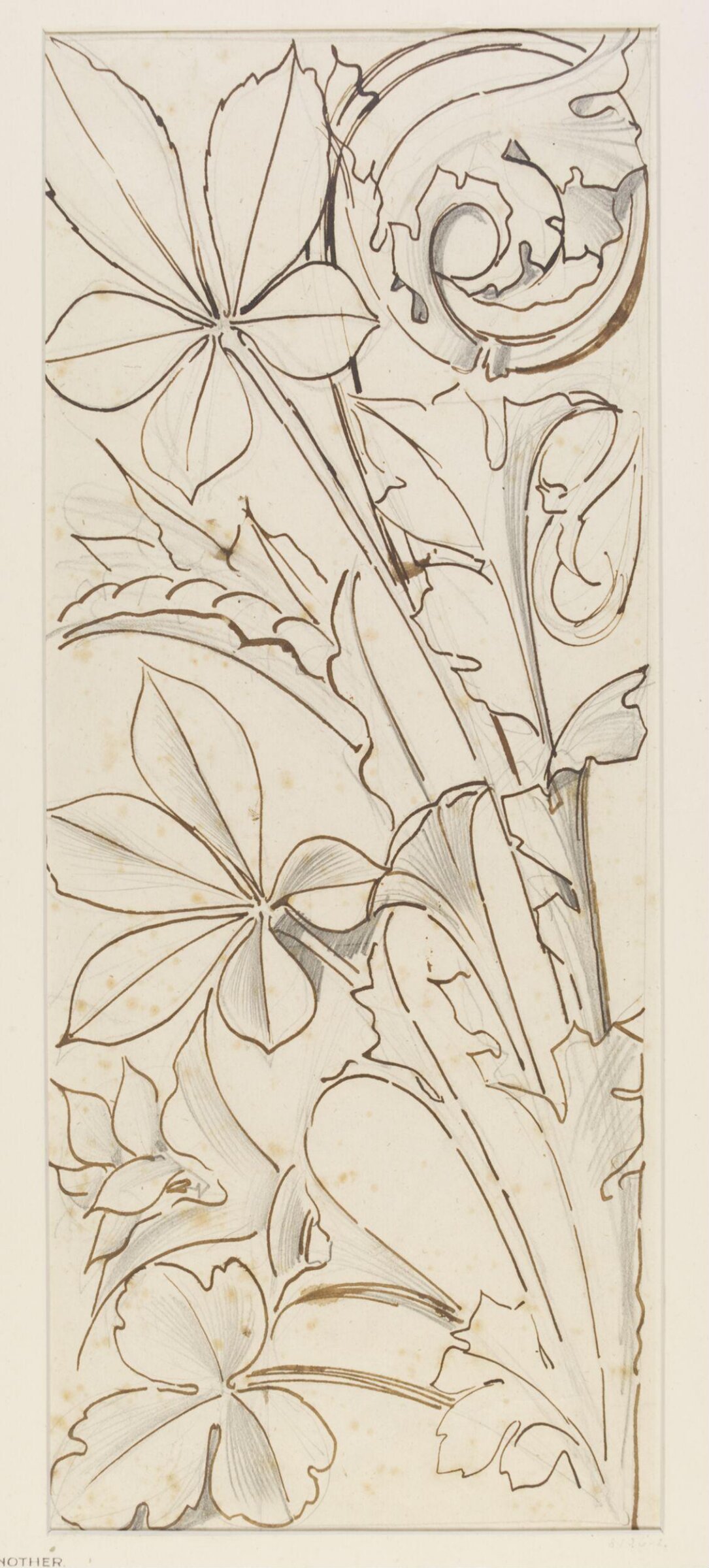
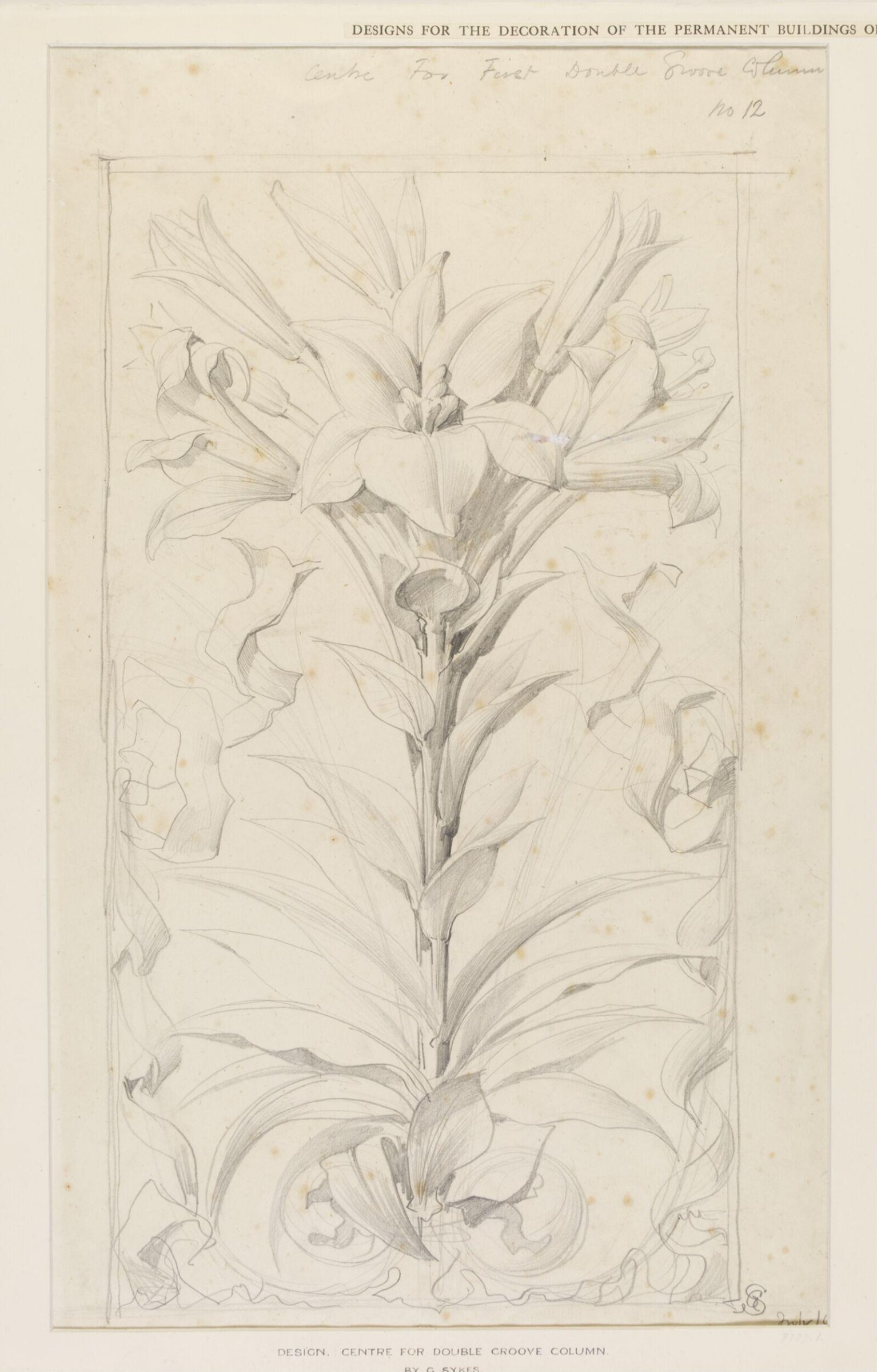
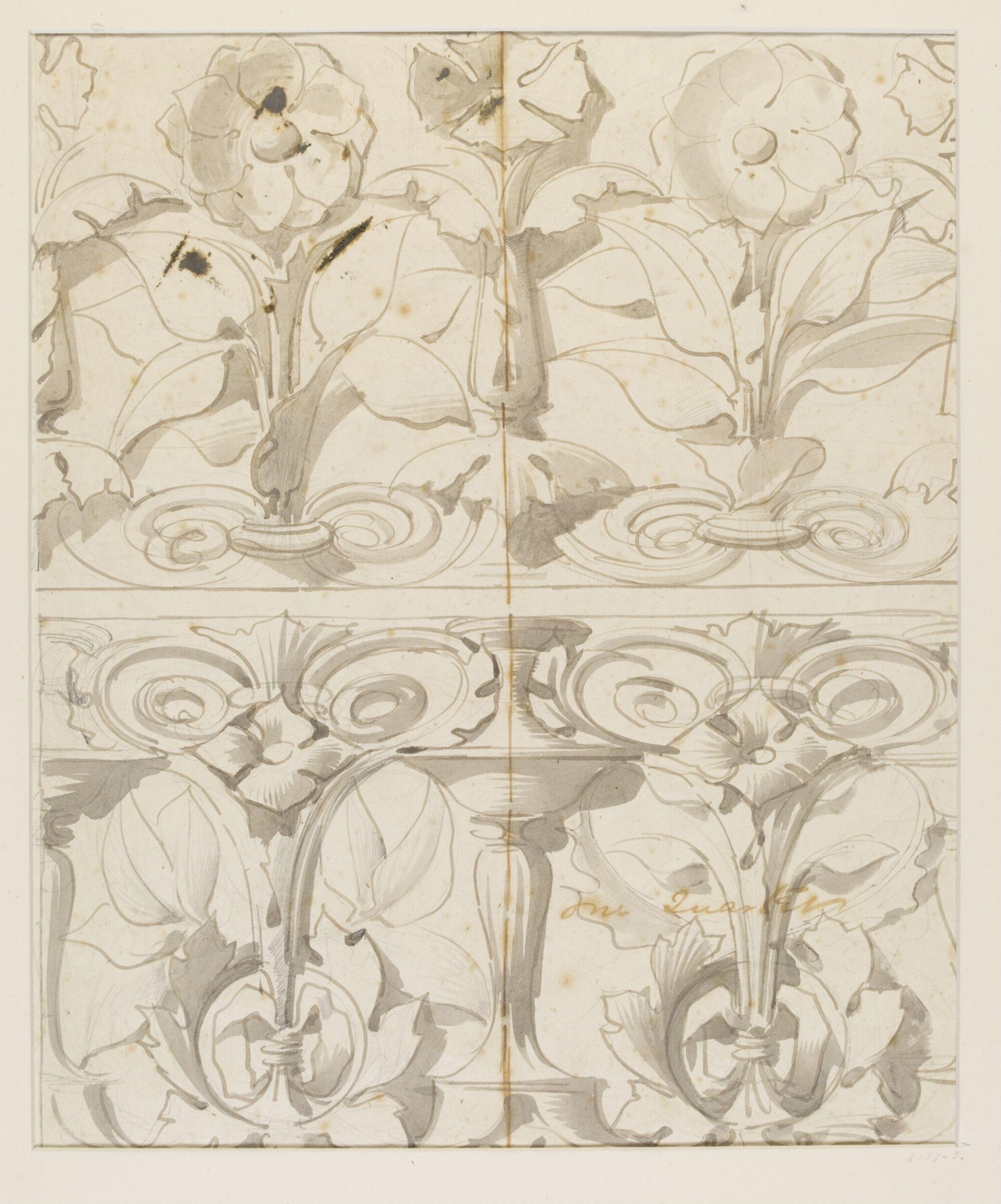
Godfrey Sykes (1824-1866) was a key figure in the decoration of the South Kensington Museum (later the Victoria and Albert Museum). Having begun his professional career as an apprentice to a Sheffield engraver, and later worked for himself designing showcards and silverware, in 1843 Sykes enrolled at the newly-opened Sheffield School of Design. This was one of the government schools established to enable working craftsmen to learn the elements of design. Sykes was appointed assistant master at the school in 1856. His association with the Museum began in 1859 when he was recruited by Henry Cole to assist with the decorative schemes for the 1862 Exhibition (the successor to the Great Exhibition of 1851) and the new Horticultural Society's garden buildings. Sykes's use of terracotta for external decoration prompted the decision to use it for the new museum buildings.
Mehr lesen
As John Physick notes, 'Sykes was so highly regarded that the Board decided that "his views on questions of decoration [were] to be adopted in future."' (Physick, p, 58.) Sykes went on to design elaborate decorative schemes for the principal parts of the new museum buildings: the North and South Courts and the Prince Consort's Gallery.
Only three years before his own early death of a lung infection in 1866, Sykes designed the tomb in Kensal Green cemetery of another artist whose work was exceptionally well represented in the Museum's collections, William Mulready (1786-1863). Following his death, the South Kensington Museum held a memorial exhibition of his oil paintings, which included landscapes and genre scenes, and his architectural drawings.
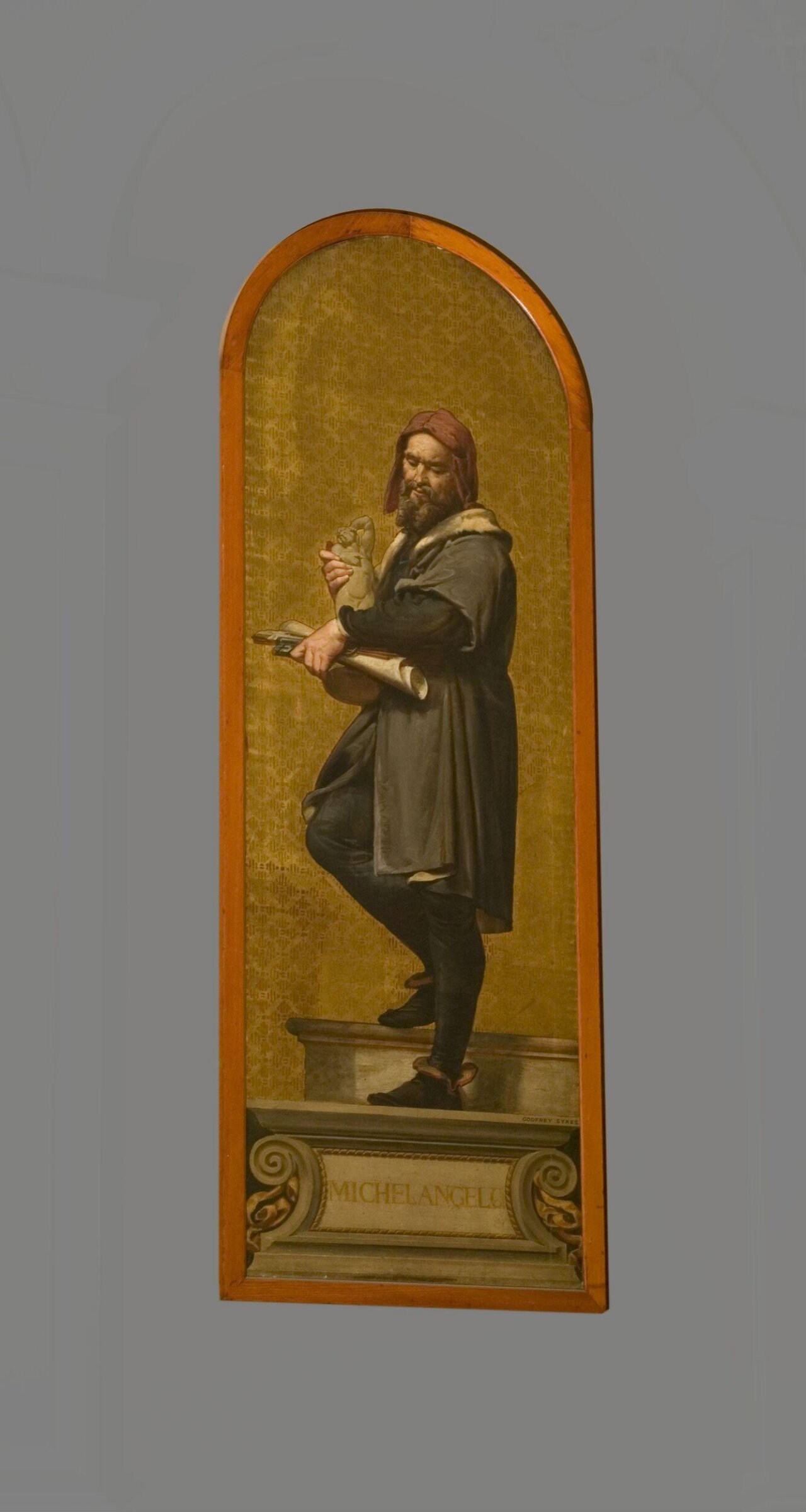
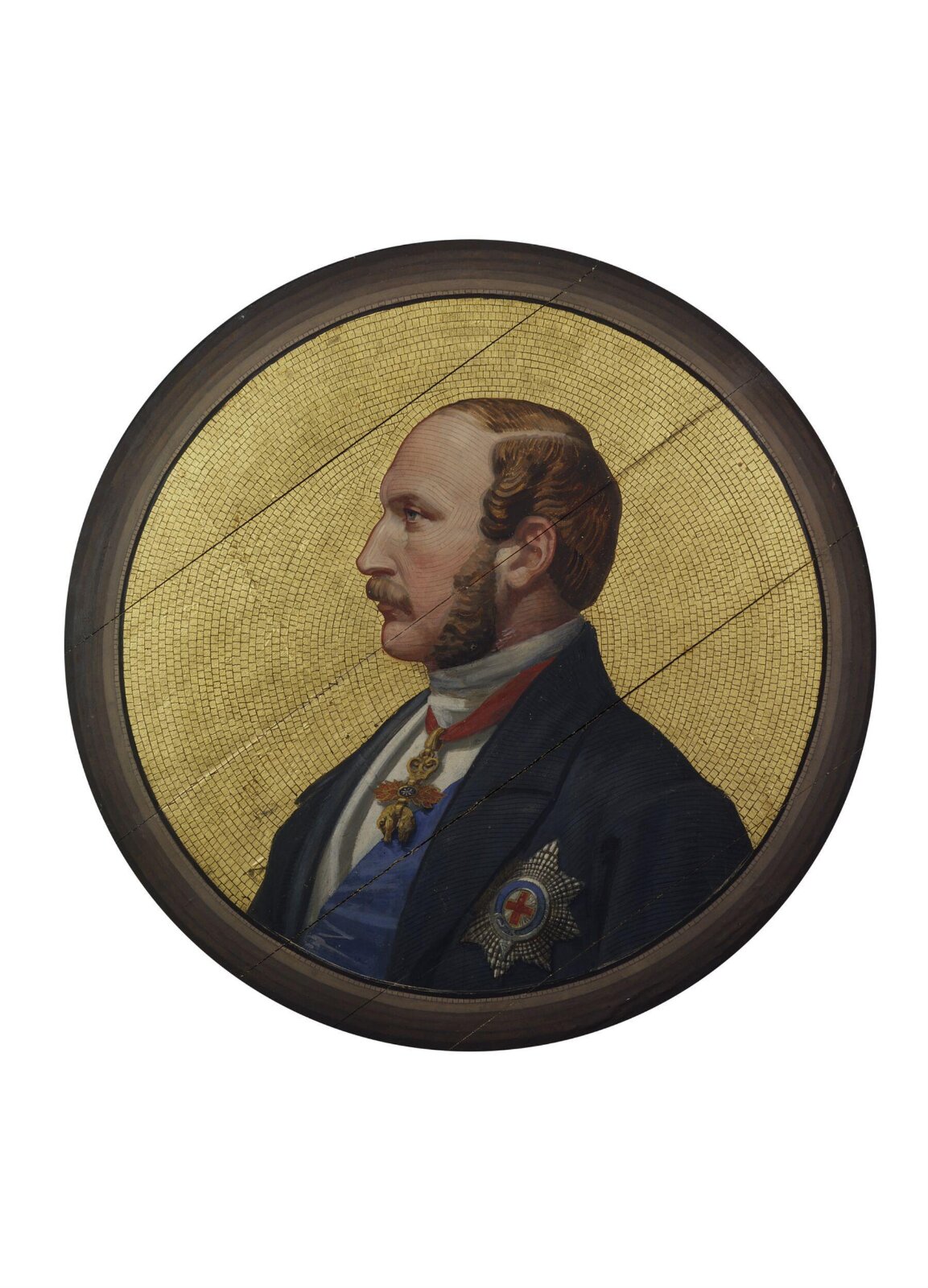
The Profile Head of Prince Albert depicts Queen Victoria’s Consort. Painted by Sykes in 1862-3, it is a preparatory study for a commemorative mosaic portrait, Albert having died in 1861. The choice of Sykes for this portrait is not surprising due to the personal relationship he had with the royal couple, they having visited the artist at both the Museum and his home. It is circular in shape and shows the subject in profile, looking to the left, against a stylized, mosaic-like golden background. Lines faintly painted across the subject’s face served to keep the pattern exact throughout the study and subsequently aid the designer of the final piece. The finished work was to be part of a design that would fill a small lunette in the Prince Consort Gallery. It is similar in both appearance and purpose to Sykes’ mosaic design depicting Michelangelo, which was to be hung as part of the ‘Kensington Valhalla’, a collection of life-size commemorative portraits of famous artists executed in mosaic and fitted in the arcade niches that ran round the upper level of the South Court of the Museum.
The design for the profile head of Prince Albert was approved by Queen Victoria in June 1863 upon her first visit to the Museum after her husband’s death. The mosaic was not completed until July 1865; however it it can be seen as the first example of English ceramic mosaic, predating the works seen in the ‘Kensington Valhalla’. (1)
Reference:
1) John Physick, The Victoria and Albert Museum, the history of its building (London: Victoria & Albert Museum, 1982), p.70.
Victoria and Albert Museum
Angaben
- Inventarnummer
- 47-1876
Was es zeigt
Im Katalog
Quellen
- Victoria and Albert Museum
- Bild: Victoria and Albert Museum — © Victoria and Albert Museum, London