 Joshua ReynoldsVereinigtes Königreich, 1723–1792
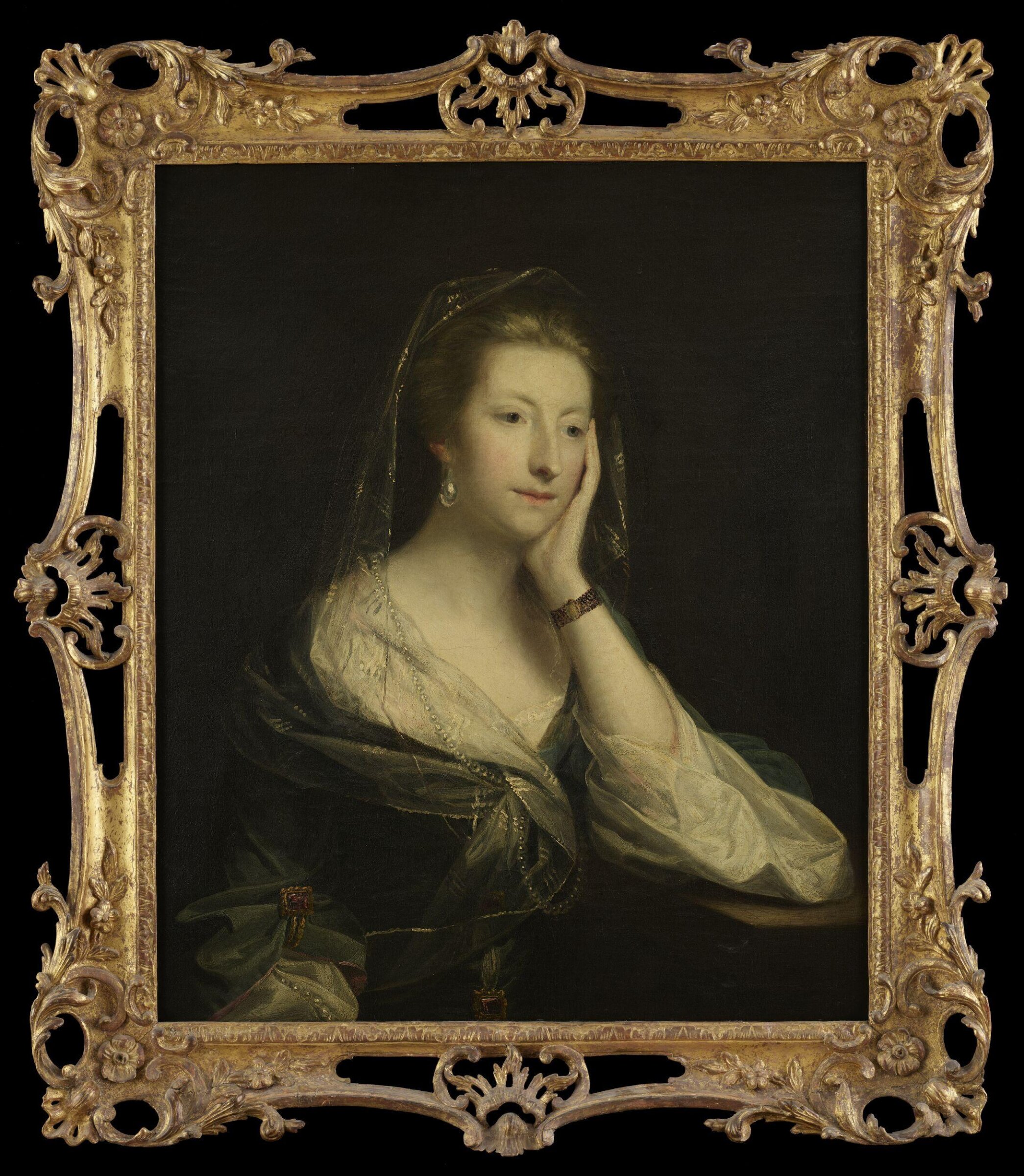
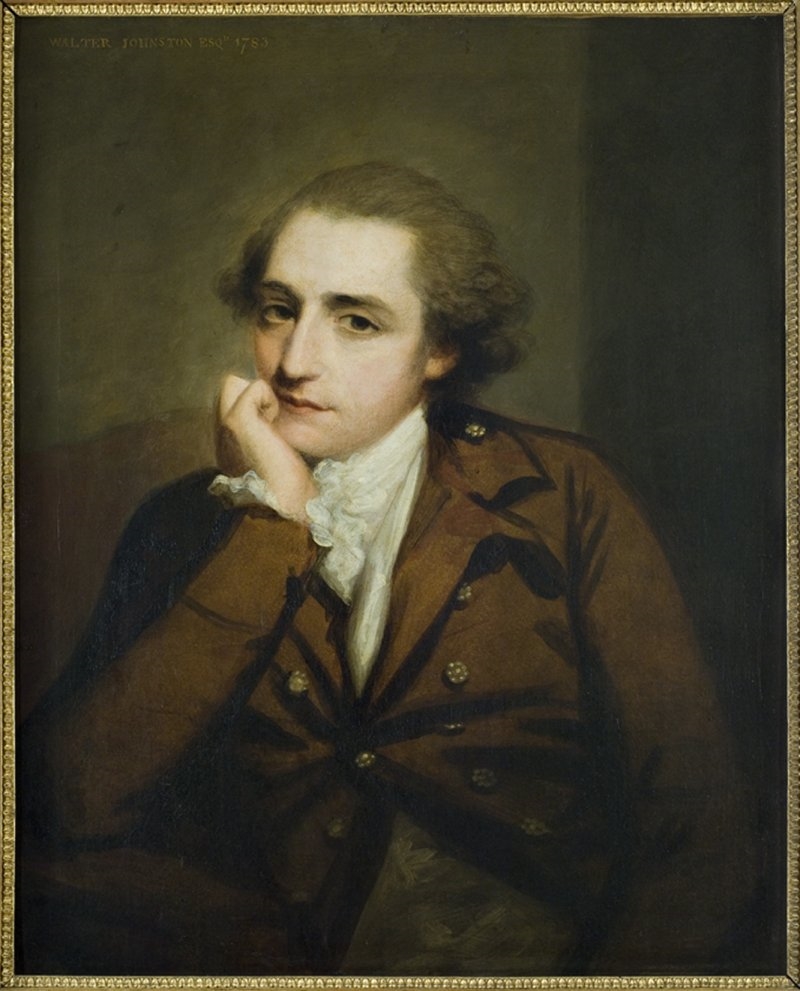
Portrait de Walter Johnston
Kann ich es sehen?
Unbekannt
Wo ist „Portrait de Walter Johnston“ heute? Sammlung: Musée des Arts décoratifs et du Design, Bordeaux. Unbekannt.
Bordeaux, Frankreich
Der Besitzer ist bekannt; ob das Werk derzeit ausgestellt ist, nicht.
- Unverändert seit
- Quelle
- Das Museum
Über das Gemälde
In den Worten des Museums — auf Französisch
Portrait de Walter Johnston de 3/4, la tête appuyée dans la main. Avant la révolution il fréquentait l'atelier de Pierre Lacour (cf. Notes et Souvenirs de Pierre Lacour fils) qui pastichait volontiers l'école anglaise.
Musée des Arts décoratifs et du Design
Angaben
- Inventarnummer
- D 52.7.3
Was es zeigt
Im Katalog
Quellen
- Musée des Arts décoratifs et du Design
- Bild: Musée des Arts décoratifs et du Design — © madd-bordeaux - Lysiane Gauthier; Ministère de la Culture (France), base Joconde
Im Leben von Joshua Reynolds
Das ganze Leben1768–1792
Post: President of the Royal Academy of Arts
1769–1790
The “Discourses”: lectures at the Royal Academy
Reynolds delivers a series of lectures at the Academy, the Discourses, remembered for their sensitivity and perception; in one of them he expresses the opinion that invention, strictly speaking, is little more than a new combination of images previously gathered and deposited in the memory. In a speech of 1776 he declares that the principles of art are grounded in reason — a declaration of the rationalism of English academic art; the Discourses are published in London in 1778.
1781
A journey to Holland and Flanders
On a journey to Holland and Flanders Reynolds is deeply impressed by the paintings of Rembrandt and Rubens; afterwards he revises his aesthetic views several times.
September 1784
Painter to the King: the rivalry with Gainsborough
After Allan Ramsay's death on 10 August 1784 the office of Principal Painter in Ordinary to George III falls vacant. Gainsborough felt he had a good chance of securing it, but Reynolds felt he deserved it and threatened to resign the presidency of the Royal Academy; in September he is sworn in. It does not make him happy: as he writes to Bishop Shipley, the salary has been reduced from two hundred to thirty-eight pounds a year.